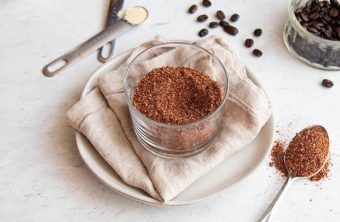
Vietnamese Drip Coffee: Pro Brewing Tips
Among the many modern brewing methods available today, Vietnamese phin drip coffee still holds a special place in daily life...
read more

FREE Express Shipping On Orders $99+


The quality of Robusta coffee depends not only on the plant variety but also deeply on the soil, microclimate, and post-harvest processing methods. When these factors are strictly controlled, the coffee beans will reveal a rich flavor structure rather than just a monotonous, sharp bitterness. This article provides a detailed analysis of the growing region in the Central Highlands, farming standards, and roasting techniques that shape the characteristics of this product line.
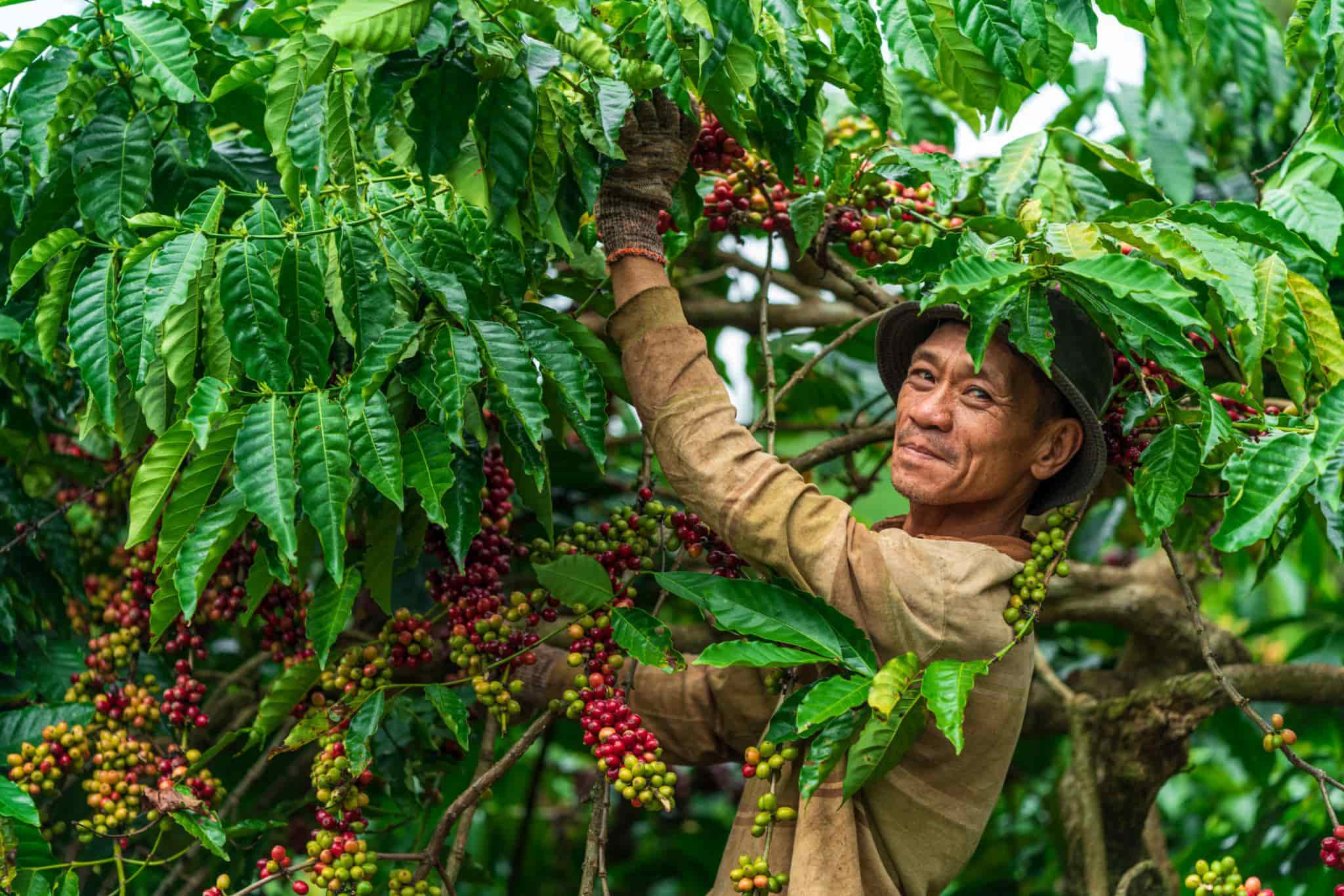
Vietnamese Robusta coffee from the Central Highlands with carefully selected ripe coffee cherries. (Source: Internet)
The Central Highlands is one of the key raw material regions that shapes the quality of agricultural products. Unlike miscellaneous products sourced from unverified origins, the production ingredients are supplied by partners with large local cultivation areas.
An average altitude of 500 to 800 meters above sea level creates a microclimate suitable for long-term growth. This region has distinct rainy and dry seasons:
Significant temperature variations between day and night on the highlands slow down the plant’s metabolism. The prolonged nutrient accumulation cycle allows organic molecules to settle deep inside the bean cells, forming a dense, solid bean structure with high mechanical strength when exposed to high roasting temperatures.
Basaltic red soil formed from volcanic eruptions possesses superior agronomic characteristics. This soil type has a porous texture, a deep cultivation layer, and contains large humus particles that drain quickly during the rainy season while maintaining necessary moisture in deep soil layers.
Abundant natural minerals such as iron, aluminum, magnesium, and calcium are directly absorbed by the taproot system. This nutrient source nurtures the plant to grow resiliently, creating coffee beans with a uniform structure and preserving their original biochemical characteristics.
The quality of input ingredients largely determines the flavor structure of the finished product. The cultivation model at the producer’s partner farms is designed based on the balance of natural conditions.
Farming methods are deployed to ensure stability for the crops:
This process maintains the stability of the surrounding ecosystem and helps plants develop good resistance against adverse weather conditions.
One of the biggest differences between high-quality product lines and mass commercial goods is the proportion of ripe fruit at harvest. Harvesting is carried out entirely by hand to select fruits that reach the appropriate degree of ripeness.
Biochemically, when the fruit ripens evenly, the mucilage layer surrounding the bean reaches optimal sugar concentration. This natural sugar participates directly in thermal conversion reactions during roasting, creating a sweet aftertaste and a smooth texture for the extracted liquid. Conversely, harvesting mixed green or unripe fruit carries along sap and incomplete organic acids, causing an astringent taste in the finished product.
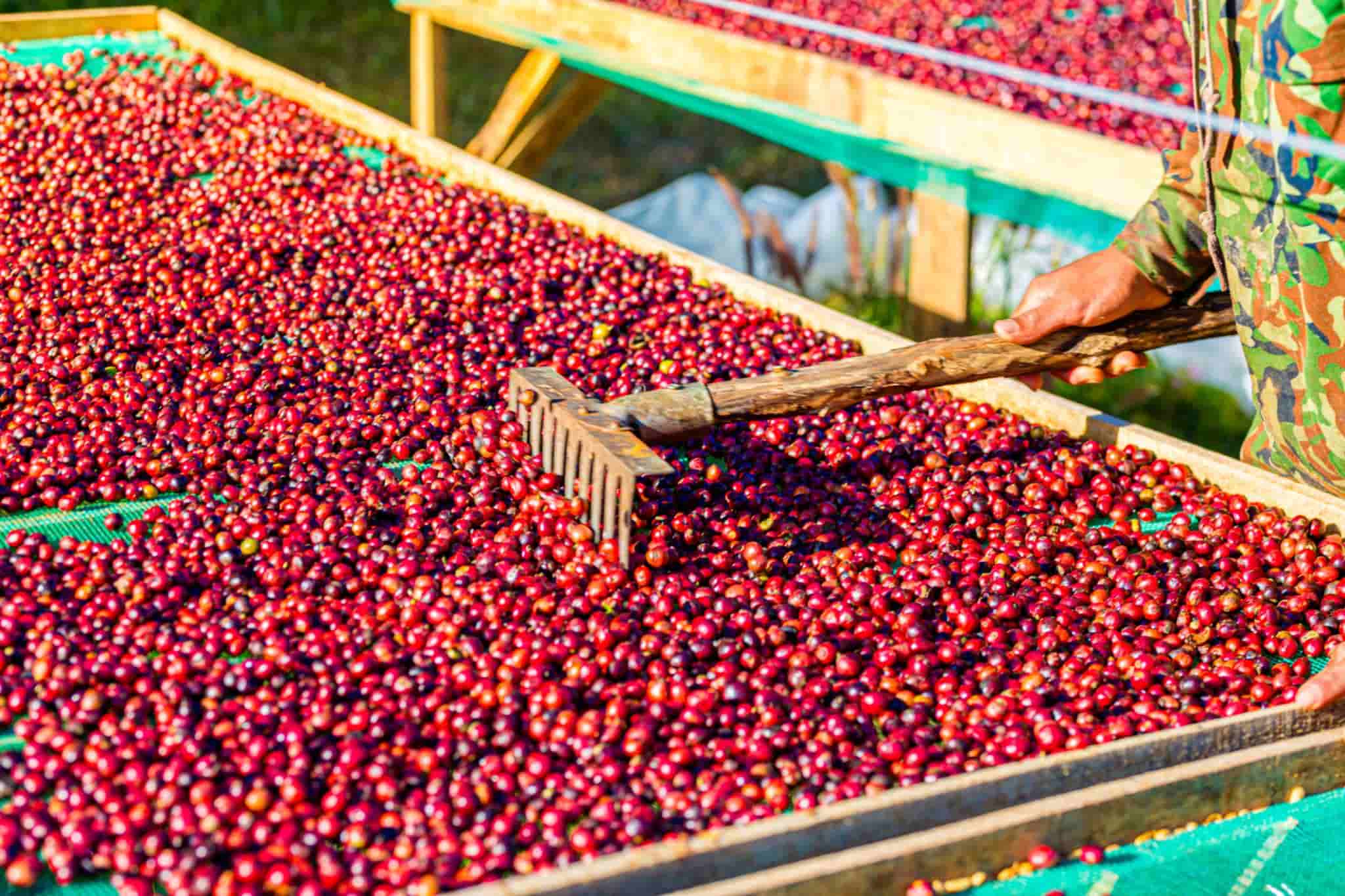
Coffee cherries naturally dried on specialized drying beds. (Source: Internet)
After harvesting, coffee cherries are brought to a processing station within a short time to control the natural fermentation process and preserve the bean structure.
The natural processing method is applied to retain maximum density for the beans. All ripe fruits, after being washed and freed from impurities, are kept with their pulp intact for sun drying.
The drying process uses a mesh-drying system placed above the ground:
Under sunlight temperature, sugars from the fruit pulp gradually permeate into the bean, creating smooth flavor layers and a characteristic richness.
The roasting process is the stage where chemical compounds inside the bean are transformed into perceptible flavors. The roasted coffee beans product line is processed using modern machinery, utilizing convective heat transfer via hot air.
The heat profile is set from medium to medium-dark, avoiding scorched roasting methods used to mask defective beans. This temperature level promotes thermochemical reactions and caramelization of natural sugars, breaking down harsh acids without damaging internal essential oil structures, helping beans expand evenly and maintain stable aromas.
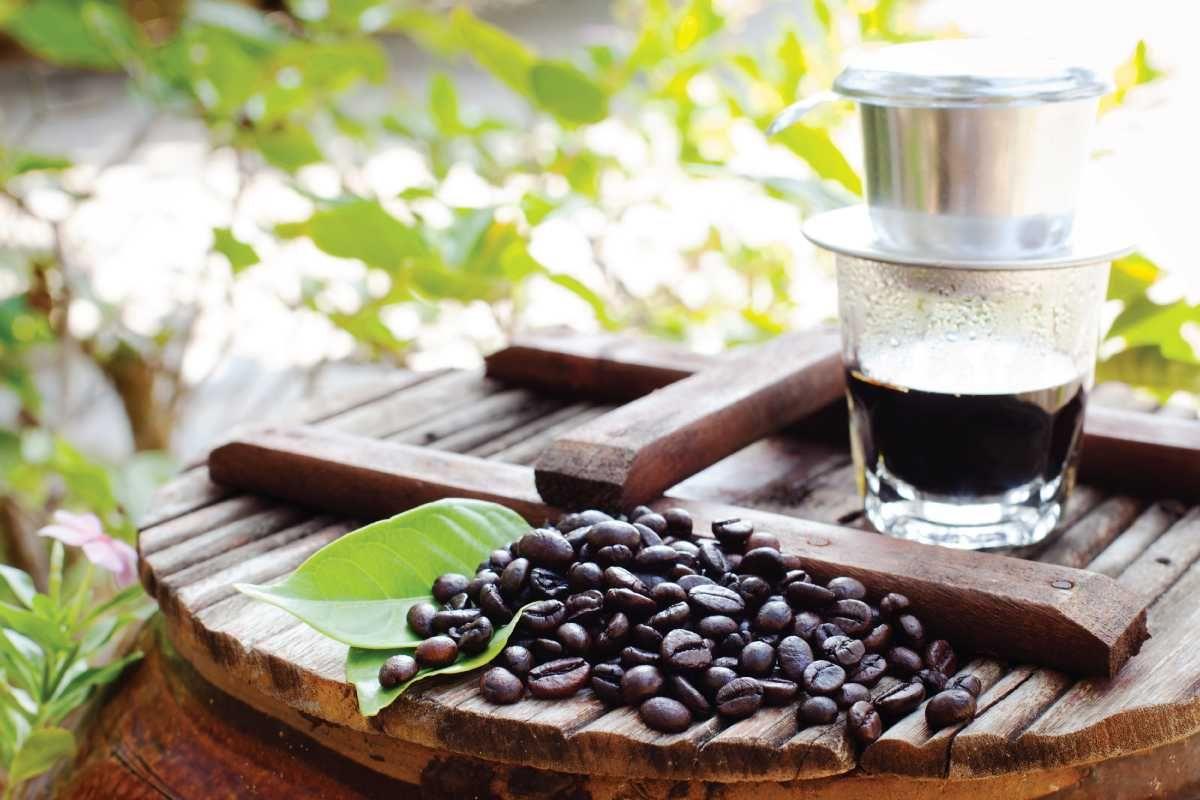
Roasted Robusta coffee beans with a bold taste and chocolate aftertaste. (Source: Internet)
Thanks to a natural caffeine content ranging from 2.0% to 2.7% along with high chlorogenic acid concentration, Vietnamese coffee has long been famous for its ability to deliver alertness and a bold body.
When common defects are eliminated through strict ingredient selection, the extracted liquid reveals distinct flavor layers:
This characteristic helps the extracted liquid maintain a thick crema layer when brewed as an espresso or provide standard richness when brewed with a traditional phin filter.
To produce this Robusta coffee line, VietNatur has directly connected with partner producers owning farms and processing plants in Vietnam. This cooperation ensures a stable supply, allowing strict control of each batch from harvest until the finished product reaches customers.
The product strictly adheres to quality principles:
The combination of basaltic red soil conditions, manual ripe-harvesting standards, and temperature-controlled roasting techniques creates the quality of the Robusta coffee line from VietNatur. Not only does it deliver a balanced flavor experience with bold chocolate notes, but the product also affirms sustainable value in the journey to bring Vietnamese agricultural products closer to coffee lovers in Germany and Europe.
You can easily experience this high-quality product through packaging options suited to your home brewing needs:
Explore product details and choose the right specification directly through VietNatur’s official product links to start your day with a bold, authentic beverage.