Vietnamese Drip Coffee: Pro Brewing Tips
Among the many modern brewing methods available today, Vietnamese phin drip coffee still holds a special place in daily life...
read more

FREE Express Shipping On Orders $99+


The flavor of roasted coffee beans is determined by the entire process from farm to roasting and grinding, including four main factors: coffee variety, growing conditions, processing methods, and roasting levels. Each factor contributes a part to the acidity, bitterness, sweetness, and aroma layers of the coffee cup.

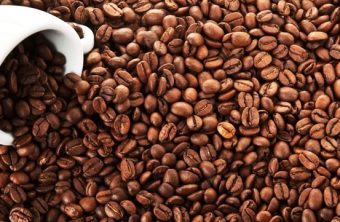
Roasted coffee beans are currently quite popular (Image Source: Internet)
Roasted coffee beans (also known as “pure roasted coffee”) are green coffee beans that have been heat-treated at high temperatures (180–240°C), helping to awaken natural flavor notes without the need for additives.
The roasting process helps the beans turn brown, activating a series of chemical reactions that create a characteristic aroma while retaining the inherent natural bitterness, acidity, and richness.
The flavor of a cup of coffee is not a random result but is created from many different factors throughout the process from the farm to the cup. Below are the four most important factors:
Each type of coffee carries its own “identity” thanks to genetic factors. Below is a comparison table of the flavor and characteristics of popular coffee varieties today:
| Coffee Type | Characteristic Flavor | Caffeine Content | Bean Shape | Suitable For |
| Arabica | Delicate acidity, deep sweet aftertaste, intense floral and fruity aroma. | Low (1-1.5%) | Long, flat, S-shaped center groove. | Those who like a light, elegant taste and appreciate natural notes. |
| Robusta | Bold bitterness, strong, low acidity, chocolate aftertaste. | High (2-2.5%) | Round, smaller than Arabica, straight center groove. | “Hardcore fans” of traditional Phin coffee; those needing an immediate wake-up call. |
| Culi (Peaberry) | Intensely bitter, strong, and more explosive than regular types. | Very high (exceeding regular Robusta) | Only one round bean per cherry instead of two flat ones. | Connoisseurs who enjoy strong sensations and flavor explosions. |
| Moka (Arabica family) | Mild bitterness, seductive and lingering aroma. | Low-Medium (1.3-1.6%) | Smaller than regular Arabica (7-9mm), oval, deep S-shaped groove. Deep blue with characteristic light brown veins. | Those who love nobility, class, and a premium experience. |
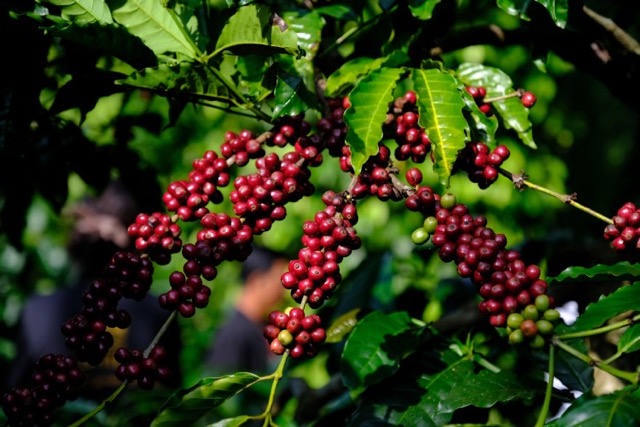
Growing conditions also affect the quality of coffee (Image Source: Internet)
Coffee grown at high altitudes has a longer growth cycle, helping the beans accumulate nutrients slowly, creating multi-layered flavors and low caffeine content. This is why highlands are always ideal growing regions compared to plains.
Besides altitude, climate conditions are also very important: Arabica needs temperatures of 18-23°C to develop best, while Robusta prefers 23-26°C with abundant rainfall distributed evenly throughout the year. This difference in growing conditions is the reason why Vietnamese Arabica carries a very distinct flavor profile compared to Arabica from Ethiopia.
The way beans are treated before roasting determines the primary flavor of the coffee. Currently, the world favors three popular processing methods: Natural, Washed, and Honey.
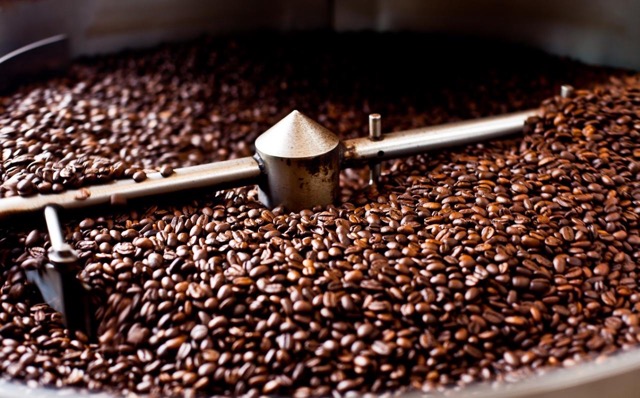
Choosing the right roast level and grind size also determines the taste of the coffee (Image Source: Internet)
Once the green beans are ready, the next step is roasted coffee. Choosing the right roast level will help fully exploit the potential of the coffee beans. Below is a comparison table of popular roast levels today:
| Roast Level | Flavor Characteristics | Suitable Brewing Method | Flavor Experience |
| Light Roast | Prominent floral, herbal, and fruity notes; high acidity. | Pour-over, V60, Chemex. | Multi-layered flavors. Ideal for enjoying the full aroma spectrum. |
| Medium Roast | Balance between acidity – sweetness – bitterness; clear sweetness. | Syphon, French press, Drip, Aeropress. | Increases body and sweetness while reducing acidity. This is the best basic aroma threshold. |
| Dark Roast | Bold flavor, low acidity; leaning towards chocolate and smoke. | Espresso, Phin. | Very heavy body. Bold and bitter. Light aromas are almost completely lost. |
Every morning in Germany, whether you choose coffee for a modern machine or a traditional Phin, the cup in your hand comes from beans that have gone through the roasting stage. Roasted coffee flavors do not appear randomly. Every layer of flavor—from the bright acidity of citrus and gentle white flowers to the sweet chocolate or warm caramel—is formed inside the roaster.
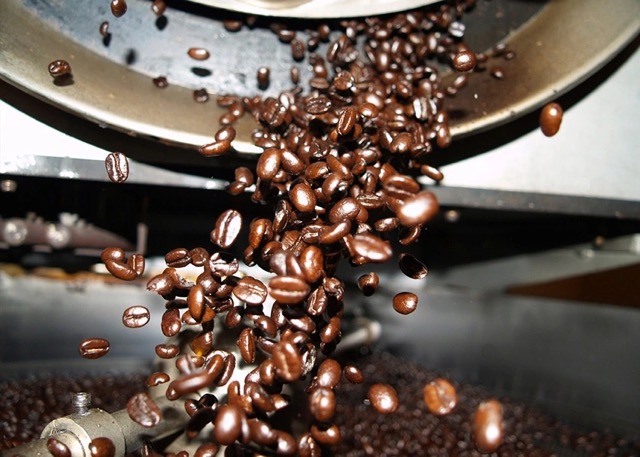
Detailed process of producing properly roasted coffee beans (Image Source: Internet)
Creating roasted coffee beans includes these steps: selecting green beans (Robusta/Arabica), cleaning, and roasting by machine or pan (200–240°C) until the “first crack” (light brown) or “second crack” (dark brown/black). Most importantly, stir evenly, cool quickly after roasting, and store in airtight packaging to maintain maximum aroma.
Method
Roasting Stages (Note):
When the beans nearly reach the desired roast, butter, wine, or fish sauce can be added to create characteristic flavors (traditional Vietnamese style).
Pour the coffee into a ventilated area. Use a fan to cool as quickly as possible to stop the natural cooking process and avoid charring.
Pack in airtight bags with a one-way valve to prevent oxidation.
For the best taste, after roasted coffee reaches the desired level (Light, Medium, Dark), let the coffee “rest” for 1-3 days before brewing.
In Germany, many people have the habit of buying whole bean coffee to grind and brew at home instead of using pre-ground coffee. This not only helps retain the intense aroma but also allows you to freely “blend” beans according to your own ratio to create a unique flavor.
To choose the finest roasted coffee beans to make every morning in Germany warmer, you can refer to the following criteria:
The flavor of a cup of coffee does not come from a single factor but is a combination of many stages—from the variety and growing region to the processing and especially the roasted coffee process. Understanding these factors will help you not only enjoy better coffee but also feel the cultural depth and the story behind every bean.
And sometimes, just a cup of roasted coffee beans that fits your taste in the morning is enough to start a new day with more inspiration.