Best Hiking Snacks: Energy Foods for Outdoor Adventures
Hiking and trekking are outdoor activities that build endurance, improve physical fitness, and help recharge your mental energy. However, to...
read more

FREE Express Shipping On Orders $99+

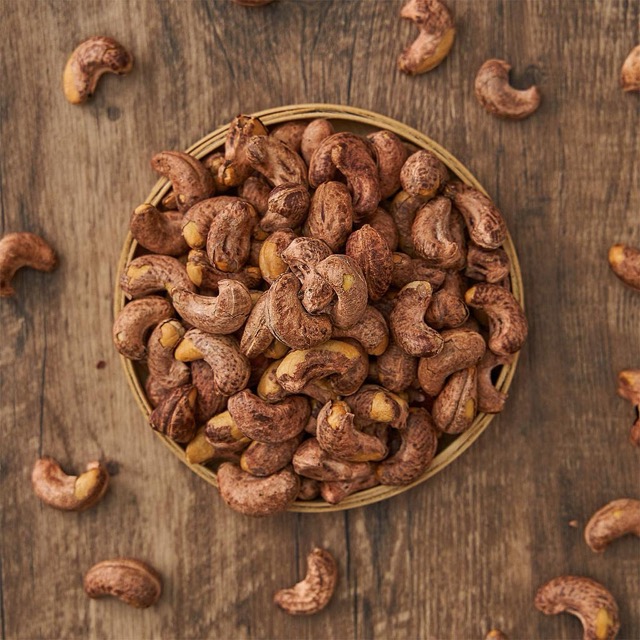
In the diverse culinary world, types of cashews are increasingly divided into many product lines to meet the rich tasting needs of consumers. From the rustic, original flavor to the rich crispiness, or the unique combination with tropical ingredients, each processing method breathes new life into this nutritional nut. The article below will analyze in detail the differences in texture, flavor, and applications so you can easily choose the right product.
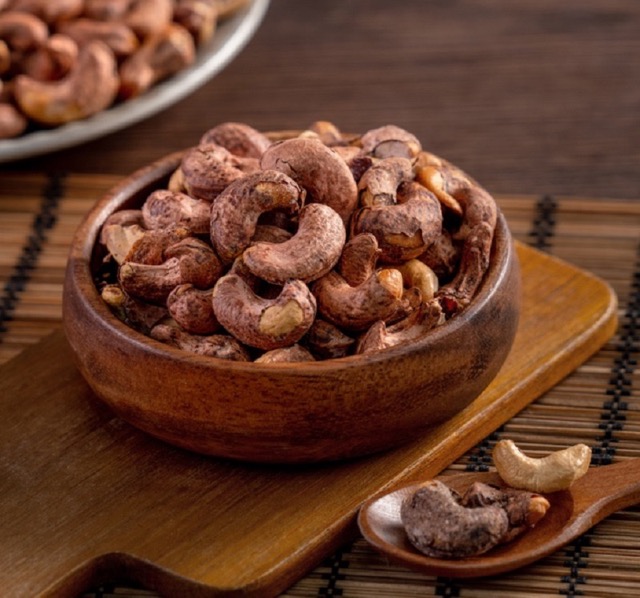
Cashews with a deliciously rich, mildly sweet flavor (Image source: Internet)
The current food market offers countless options, but the difference between types of cashews is not just in the packaging. This richness actually stems from two core elements: the characteristics of the plant variety and the post-harvest processing techniques.
Each cashew variety, when grown in different soil regions, will produce nuts with distinct sizes, plumpness, and fat content. Typically, Vietnamese cashews harvested from native varieties often have a high proportion of solid kernels and an outstanding natural rich taste. This is an important foundation that determines the quality of the finished product.
After the raw material selection process, the processing method will play a role in shaping the final texture and flavor. Depending on whether the nuts are kept in their original state, processed at high temperatures, or combined with other ingredients, manufacturers classify them into three basic product groups: natural cashews, roasted cashews, and flavored cashews.
Natural cashews (Raw/Natural): Pure originality Among types of cashews, the natural line (also known as raw cashews) is the product that undergoes the least interference from the processing stage. This is the kernel portion that has had the hard shell and inner skin removed, but has completely not gone through any high-temperature processing or seasoning steps.
By maintaining the initial state, natural cashews preserve the basic structure and natural moisture of the nut. Visually, the nuts have an ivory-white color. When tasting, you will perceive a subtle sweet taste, a fairly soft, chewy, and slightly moist texture, completely lacking the porous crispness of baked or roasted product lines. This characteristic makes them not the preferred choice for direct snacking, but they are a perfect and versatile ingredient in the kitchen.
In culinary reality, natural cashews are a core ingredient for making nut milks. Thanks to their soft properties and high good-fat content, when soaked in water and pureed, they create a smooth, creamy milk texture without leaving much residue. Furthermore, vegan chefs often use this original nut as a base for plant-based cream sauces, vegan cheeses, or as an ingredient for baked goods and salads. The subtle sweet taste of natural cashews helps increase the richness without overpowering the flavors of other main ingredients.
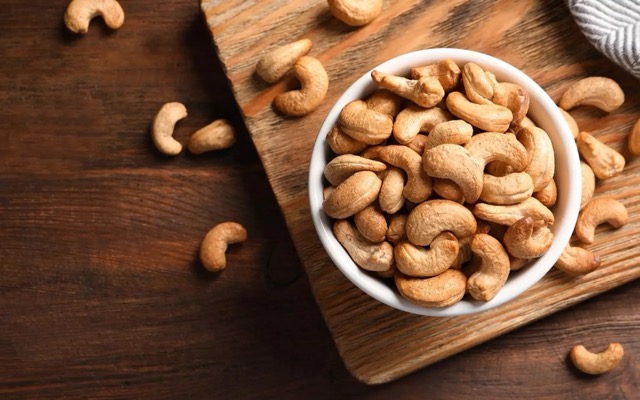
Roasted cashews with an appealing golden-brown color and a distinctive roasted aroma (Image source: Internet)
When it comes to the cashew consumption habits of the majority of consumers, roasted cashews are the most popular and iconic product line. Compared to other products, types of cashews that undergo heat treatment always have their own appeal thanks to the natural chemical reaction that occurs during the roasting process (Maillard reaction), which helps bring out the characteristic aroma and eye-catching color.
The roasting process, whether traditional manual wood-firing or roasting with salt, helps draw out the moisture inside the kernel. This concentrates the fat structure, thereby providing a richer, creamier sensation and creating an ideal crispy texture. Especially, Vietnamese cashews products, when roasted at the right heat level, will put on an attractive golden-brown color, giving off the aroma of wood fire mixed with a slight saltiness if roasted with coarse salt.
The porous crispness of roasted cashews strongly stimulates the taste buds, turning it into a classic snack. The experience of nibbling a few crispy cashews with a cold beer or a hot cup of tea has long become a familiar tasting habit. The combination of a slight salty taste outside the skin layer and the sweet, rich taste inside the kernel creates a perfect balance, helping the enjoyer fully savor the natural flavor without feeling cloyed.
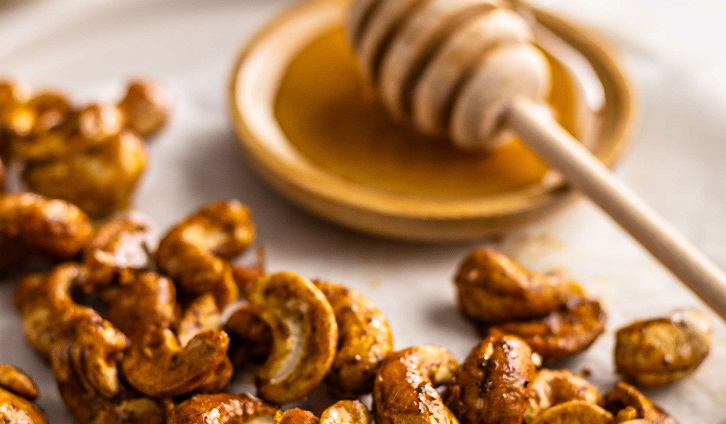
Coated cashews offer a rich, multi-layered flavor experience (Image source: Internet)
While original cashews serve cooking needs and roasted cashews lean towards tradition, the appearance of the flavored product line represents creativity in modern food processing arts. If you want to seek novelty among types of cashews, the flavored product line is the perfect answer. The most typical example is the coconut-coated cashew product line from VietNatur.
To create this product, the manufacturer must select high-quality whole cashew kernels in Vietnam, then coat them with a layer of spice mixture or natural fruit puree. Finally, the nuts are dried or baked in a strictly controlled temperature range. This requires high processing techniques to ensure the outer shell is crispy and adheres evenly without causing the inner kernel to burn or lose its natural essential oils.
The culinary experience that flavored cashews bring has a distinct multi-layered nature. When enjoying, you will feel the crispy, sweet and rich coconut shell outside melt first, followed immediately by the characteristic rich flavor of the cashew kernel spreading in the oral cavity. The intersection between the tropical flavor of coconut and the richness of cashews creates a captivating taste symphony. Going beyond the framework of a standard nutritional nut, flavored cashews are positioned as a “premium snack,” especially suitable for elegant afternoon tea parties.
See more:
For a comprehensive and visual overview, we can make a detailed comparison based on criteria of texture, flavor, and storage conditions. Although originating from the same initial raw material, the processing method has separated types of cashews into distinct characteristics:
| Criteria | Natural Cashews (Raw) | Roasted Cashews | Flavored Cashews (Coconut-coated) |
| Texture | Soft, retains high natural moisture, lacks porous crispness. | Crispy, kernel texture is porous and light as moisture has been drawn out. | Dual texture: crispy outer shell, firm and rich cashew kernel inside. |
| Flavor | Subtle sweet, rustic, carrying the characteristic original flavor of unheated nuts. | Rich, giving off the aroma of wood fire or salt, concentrated rich and creamy taste. | Multi-layered taste: gentle sweetness of honey, combined with the fragrant taste of coconut and the rich creaminess of the cashew kernel. |
The clear differentiation in this comparison table helps consumers easily contrast the characteristics, thereby making the most accurate purchasing decision for their actual usage needs.
The decision to choose which product to buy depends on the purpose and context of use. There is no processing method that makes a cashew absolutely the most delicious, only a product that suits specific needs.
With the diversity of types of cashews on the market, clearly understanding the characteristics of each type will help you become a smart consumer, always choosing the right product for the right occasion.
In summary, distinguishing the differences among the types of cashews today not only helps you expand your knowledge about the culinary world but also optimizes your daily tasting experience. Whether you prioritize the original flavor of natural cashews used in cooking, love the richness of the traditional wood-roasted version, or are passionate about the creativity of the premium coconut-coated product line, the most important thing is still to purchase from reputable suppliers. Hopefully, the article has provided practical and objective perspectives, helping you always confidently make the most suitable flavor choice for yourself and your family.