Muesli with Dried Mango: Breakfast Upgrade
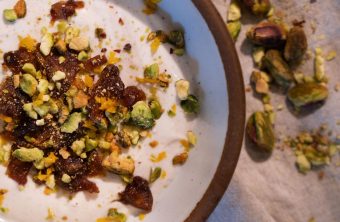
Muesli has long been a popular breakfast choice in many households - thanks to its convenient preparation and balanced nutritional...
read more

FREE Express Shipping On Orders $99+


Golden and crispy on the outside, soft and pleasantly chewy inside: Bột Chiên is a much-loved street food classic from Saigon. These rice flour cakes are pan-fried with eggs and spring onions, then served with crunchy pickled vegetables and a sweet and sour soy sauce dip.
This Bột Chiên recipe guides you through making the dish at home, from preparing and steaming the rice flour mixture to frying the pieces until beautifully crisp.
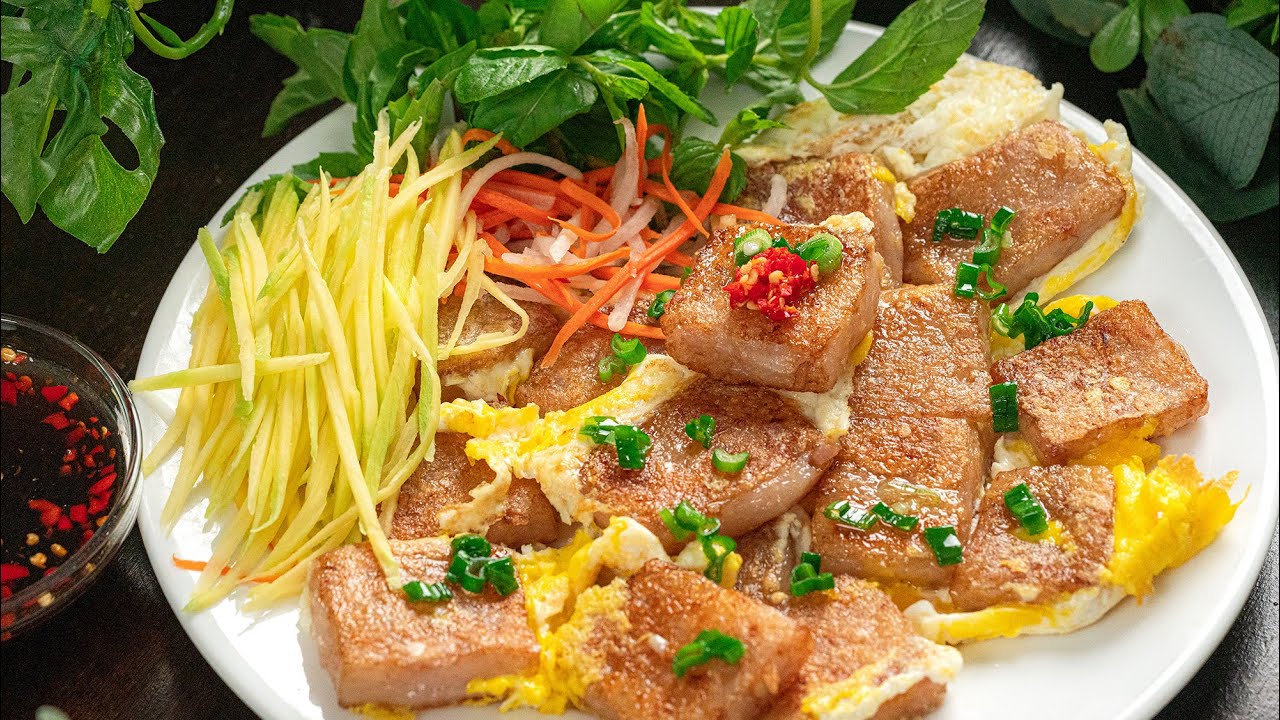
Bột Chiên has its roots in Chinese Teochew cuisine. After arriving in Chợ Lớn, Saigon’s historic Chinese quarter, it was adapted to Vietnamese tastes and became an enduring street food favourite.
The dish features steamed white rice flour cakes cut into squares and fried until golden on a flat cast-iron pan with eggs and spring onions. Pickled green papaya and a sweet and sour soy sauce complete the dish.
Each piece has a golden, crispy crust surrounding a soft, smooth and pleasantly chewy centre. Fried eggs add richness, while spring onions bring a fragrant, savoury note.
Refreshing pickled radish and carrots balance the richness. A sweet and sour soy sauce dip with a gentle kick of Vietnamese chilli paste brings all the flavours together.
Difficulty: Medium
This recipe requires some preparation: stirring the rice flour mixture over heat until thick, steaming it until cooked, and chilling it until firm before cutting and frying.
Place the rice flour and tapioca starch in a mixing bowl. Ideally, sift them first to prevent lumps. Add a little cooking oil and the salt.
Pour in 60 ml of cold water and stir until evenly combined. Gradually add 180 ml of boiling water, whisking continuously. Strain the mixture through a sieve into a saucepan.
Place the saucepan over low heat. Stir steadily and continuously until the mixture becomes thick, then turn off the heat.
Lightly grease the bottom and sides of a mould with cooking oil. Pour in the thickened mixture and smooth the surface.
Place the mould in a steamer and steam for approximately 10–20 minutes. Occasionally lift the lid and wipe away any condensation to prevent water from dripping onto the surface.
Insert a toothpick into the mixture to check whether it is cooked. If the toothpick comes out clean, it is ready.
Remove the mould and allow the rice flour cake to cool completely. Cover it tightly and refrigerate until firm and springy. This helps prevent the pieces from falling apart when cut and fried.
Pickled vegetables: Peel the carrot and white radish and cut them into thin strips. Place in a bowl and mix with the salt, sugar and white vinegar. Leave the vegetables to absorb the sweet and sour flavours.
Soy sauce dip: Combine the soy sauce, red rice vinegar, sugar and Vietnamese chilli paste. Stir thoroughly until the sugar has dissolved.
Remove the chilled rice flour cake from the mould. Cut it into small, bite-sized squares or rectangles approximately 0.5 cm thick.
Heat cooking oil in a frying pan. Add the pieces and fry over medium heat until evenly golden and crispy on both sides.
Crack the 2 eggs directly into the pan, distributing them evenly over the rice flour cakes. Sprinkle the chopped spring onions on top.
Fry for another 1–2 minutes, until the eggs are cooked, golden and fragrant, then turn off the heat.
Transfer the rice flour cakes and eggs to a plate.
Serve hot with the crunchy pickled vegetables and drizzle the sweet and sour soy sauce dip over the top.
Freshly steamed rice flour cake is soft and sticky, making it difficult to cut neatly. Chilling allows the starch to firm up through a process called retrogradation.
This gives the cake a firmer texture, allowing you to cut clean, even pieces without them falling apart or sticking to the knife.
Red rice vinegar contributes gentle acidity, a subtly sweet finish and a distinctive aroma. Combined with soy sauce and Vietnamese chilli paste, it creates the characteristic flavour of the dip served with Bột Chiên in Chợ Lớn.
White vinegar can provide acidity, but it does not fully recreate the same flavour.
Use a flat frying pan with a moderate amount of oil and maintain steady medium heat.
Wait until both sides of the rice flour cakes are golden and crispy before adding the eggs. This allows the crust to develop first, before the eggs coat and bind the pieces together.