Muesli with Dried Mango: Breakfast Upgrade
Muesli has long been a popular breakfast choice in many households - thanks to its convenient preparation and balanced nutritional...
read more

FREE Express Shipping On Orders $99+

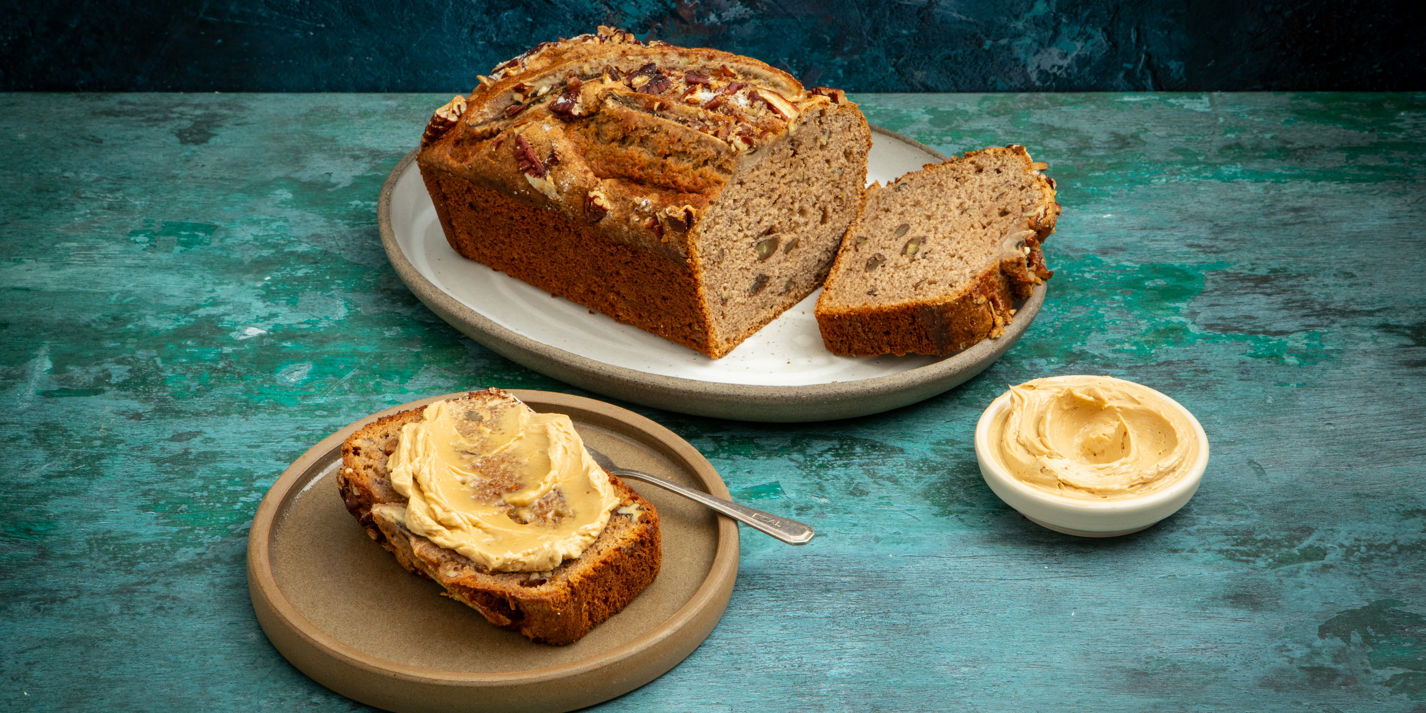
Have you ever tried butter with a hint of coffee? With just a few simple ingredients such as softened butter and strong espresso, you can create Espresso Butter – a rich, aromatic spread with a creamy texture and an intriguing coffee finish.
When spread over warm bread or a croissant, the roasted coffee aroma blends with the smooth richness of butter, creating a completely new experience for breakfast or a relaxed weekend brunch. In this article, VietNatur will guide you through a very simple way to make espresso butter right at home.
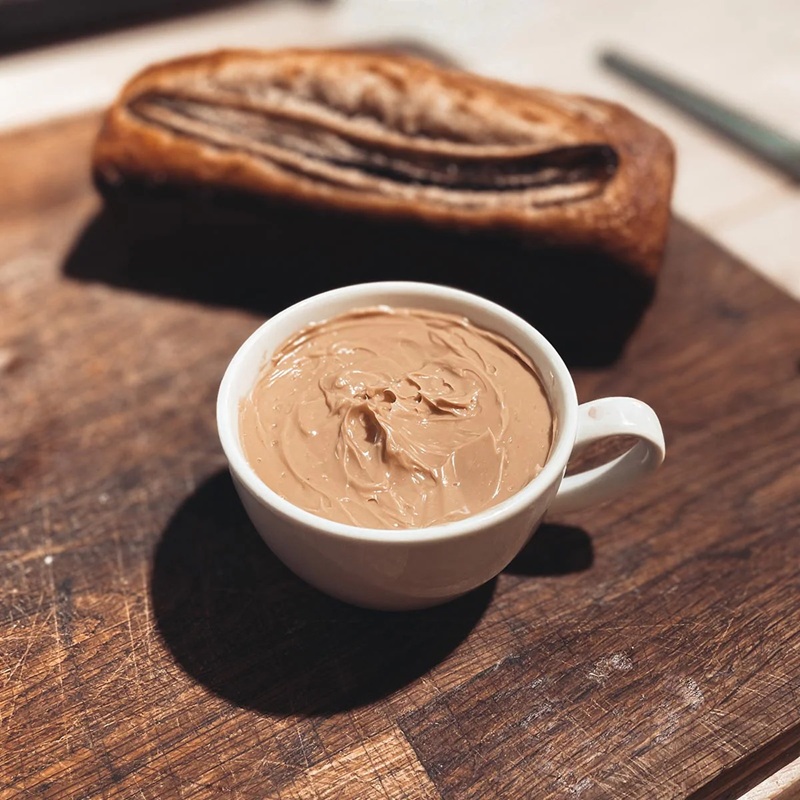
Coffee butter with its distinctive aroma creates a layered taste experience (Photo source: Internet)
Espresso Butter is a combination of high-quality softened butter and strong espresso, whipped together with a small amount of sugar to create a smooth, creamy texture and a delicate aroma.
The finished spread has a gentle coffee fragrance, a subtle caramel-like aftertaste, and a balanced richness that is neither too sweet nor too intense.
Unlike simply drinking coffee alongside a traditional German breakfast, espresso butter brings coffee directly into the food itself. This creates a layered tasting experience that feels both creative and surprisingly harmonious.
When spread over warm Brötchen or Bauernbrot (a traditional German country-style bread), the butter melts slightly on the surface, soaking into the soft interior while blending with the bread’s characteristic crispy crust. The result is a flavor that feels familiar to a classic German breakfast while still offering something new and memorable from the very first bite.
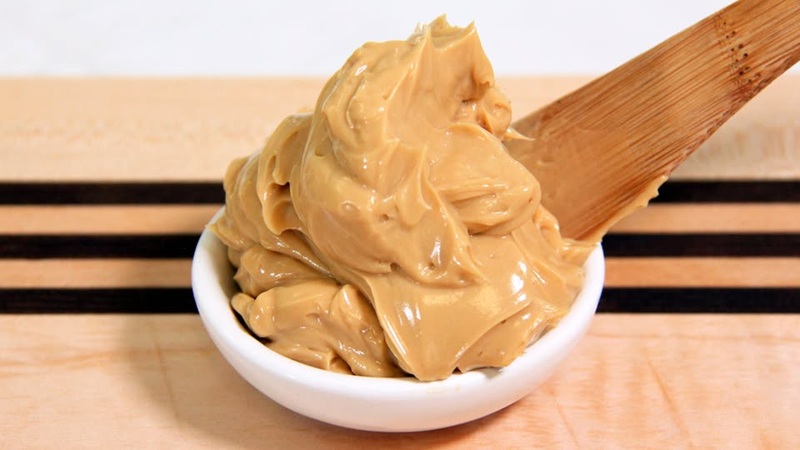
A detailed guide on how to make coffee butter easily at home (Photo source: Internet)
If you do not have all the ingredients listed in the original recipe, you can still adapt it with a few flexible alternatives:
Place the instant coffee in a small bowl and pour boiling water over it. Stir gently until the coffee dissolves completely and forms a strong and aromatic coffee mixture. This mixture will bring the distinctive espresso flavor into the butter in the following steps.
In another bowl, combine the softened butter, vanilla powder, and the prepared coffee mixture.
Gradually add the icing sugar while continuously mixing until the ingredients are fully combined and the mixture becomes smooth, soft, and fluffy.
You can whisk the mixture either with a hand mixer or with a whisk until it reaches a light and airy texture.
Lay a sheet of plastic wrap on a clean working surface. Place the espresso butter on top and gently roll it into a long log shape, similar to a sausage.
Twist the ends of the plastic wrap tightly to maintain the shape, then place the roll in the refrigerator for several hours until the butter becomes firm enough to slice when needed.
The coffee mixture must be completely cooled before adding it to the butter, otherwise the butter may separate.
Do not use overly diluted coffee, as it will make the butter too soft.
You can adjust the amount of sugar depending on your personal taste.
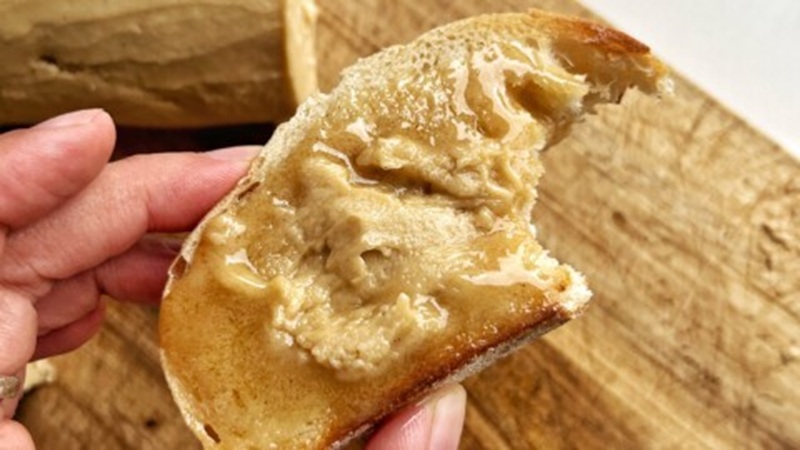
Coffee butter pairs surprisingly well with a variety of dishes (Photo source: Internet)
Espresso butter is not only meant for bread. Thanks to its creamy texture and balanced flavor between richness and gentle sweetness, it can be used in a variety of dishes.
When a Brötchen comes out of the oven still warm, the espresso butter melts slightly on the surface. This creates a glossy layer that seeps into the soft crumb of the bread. The gentle espresso flavor blends with the aroma of freshly baked bread, resulting in a taste that feels both familiar and new.
Spread a thin layer onto a warm croissant to enjoy the combination of creamy espresso butter and the croissant’s crispy, layered texture. The espresso aroma adds a refined touch, evoking the feeling of enjoying breakfast in a French café.
Instead of using overly sweet maple syrup, try adding a spoonful of espresso butter to warm pancakes or waffles. As the butter melts, it creates a natural “sauce” with mild sweetness and a gentle hint of bitterness, making the dish feel more balanced and less heavy.
Espresso butter is not limited to sweet dishes. It can also be an interesting addition to savory meals. Place a slice of espresso butter on a steak or grilled meat just after it comes off the grill. As the butter melts, it blends with the meat juices and forms a rich sauce with surprising depth of flavor.
With just a small jar, espresso butter can elevate a homemade brunch and bring a creative yet practical culinary twist to the table.
The quality of espresso butter depends greatly on the strength and character of the coffee you choose. Because butter has a high fat content, the coffee needs to be roasted strongly enough so its flavor does not get overshadowed.
Depending on your taste preference, you may consider the following three flavor styles:
Espresso butter is not only an interesting variation, but also a modern way to elevate a traditional German breakfast experience. With just a few simple ingredients, you can bring the flavor of espresso to the breakfast table in an elegant and creative way.
To make espresso butter with the best flavor, one of the most important factors is choosing high-quality coffee. Explore the dark-roasted coffee varieties available in our shop and transform every German breakfast into something truly special.