Best Hiking Snacks: Energy Foods for Outdoor Adventures
Hiking and trekking are outdoor activities that build endurance, improve physical fitness, and help recharge your mental energy. However, to...
read more

FREE Express Shipping On Orders $99+

Embracing the consumer trend prioritizing healthy choices, introducing Vietnamese food into retail distribution channels is opening up a promising direction. Instead of industrial foods containing high sugar content, modern consumers are increasingly interested in processed agricultural products with fewer additives. This article analyzes changes in shopping behavior, the unique advantages of plant-based products, and space-design strategies to help category managers optimize revenue.
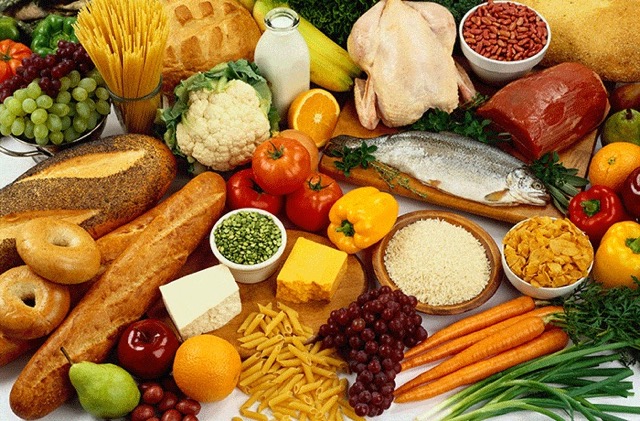
Vietnamese food is attracting increasing attention from international consumers
The global retail sector is entering a structural adjustment phase for imported product categories. The international aisle, previously filled with mass-market packaged goods, now reflects clear fragmentation in modern shopping behavior. Customers today tend to research local cultures in more detail, paying attention to regional differences rather than choosing items with generic labels.
Within the overall Asian food segment, Vietnamese food lines are gradually forming a new merchandise group, recording encouraging growth rates. This shift is largely driven by health-conscious consumers who lead active lifestyles and value sustainability. They seek snacking solutions that satisfy flavor preferences while minimizing negative impacts on the body.
Instead of relying on trans fats or artificial sweetness, the foundation of these foods primarily draws from natural plant-based ingredients. Practical consumer reports reflect that shoppers are willing to change their shopping destinations if supermarkets lack balanced eating options. The presence of high-quality Vietnamese food on shelves can directly meet this demand, transforming the store from a mere supplier into a partner in a healthy lifestyle.
To convince customers to experiment with a new commodity category, the product itself must deliver clear practical value. The appeal of Vietnamese food in general and Vietnam specialties in particular stems from preserving natural processing methods with minimal chemical intervention. One notable highlight is the ability to harness umami flavors from plant origins. Applying traditional fermentation methods, typically salted kumquats, creates a balance between a refreshing sourness and mild saltiness. This method deeply awakens the palate without relying on artificial flavor enhancers.
Dietary flexibility is a practical competitive advantage in today’s retail market. The diversity of plant-based products effectively solves common consumer barriers:
Vietnamese cuisine often stands out for the flexible combination of multiple ingredients to create overall balance and harmony. Unlike monotonous culinary styles, plant-based products typically possess multiple intertwined flavor layers, intersecting natural fresh tastes with distinctive regional aromas. For German and European consumers, this multi-layered flavor combination delivers a novel sensory experience, creating unique distinctness when approaching agricultural specialties.
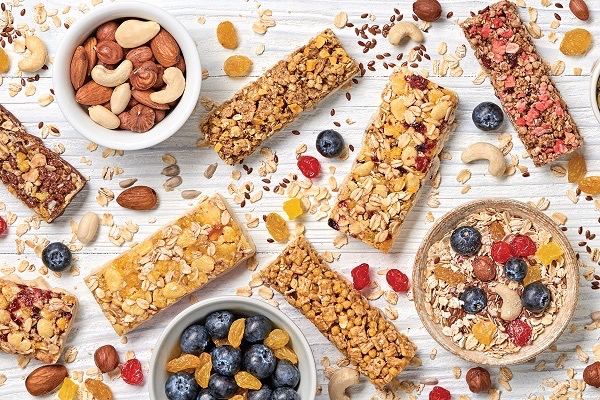
Einige wirtschaftliche Vorteile des Vertriebs vietnamesischer Snacks, die Sie kennen sollten (Image source: Internet)
From a category management perspective, the decision to add new SKUs always requires calculating profitability margins and inventory management. Supplementing specific Vietnamese food offers a relatively stable financial structure, helping retailers reduce competitive pressure.
The ability to establish optimal pricing (premium pricing) is the first commercial advantage. Original characteristics and clean production processes help reduce buyer price sensitivity. Customers in the healthy consumption segment are willing to pay reasonable prices for natural, uniquely flavored products. This directly helps distribution systems improve gross profit margins while elevating the positioning of the international aisle.
Compactly packaged snack groups and dried agricultural products easily stimulate impulse buying.
Owning a quality product list is a foundational condition, but visual merchandising at the point of sale truly accelerates sales velocity. To make it easy for international customers to access products, setting up smart display spaces is an effective tactical approach.
The most important principle is displaying products based on actual user experience (Occasion-based Merchandising). Instead of placing all dry goods in a dim aisle by basic classification, retailers should zone areas by usage purpose.
Checkout waiting areas consistently yield impressive conversion rates for snack items. Placing eye-catching Vietnamese food snack packs here helps capture customers’ spare time. Additionally, point-of-sale materials (POSM) play a silent advisory role. Concise labels regarding “Natural flavor”, “100% Vegan”, or QR codes tracing growing regions will help eliminate psychological barriers, providing sufficient data for buyers to confidently try products.
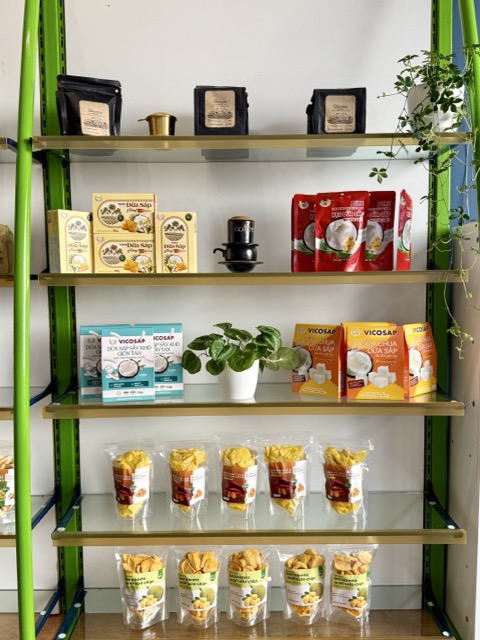
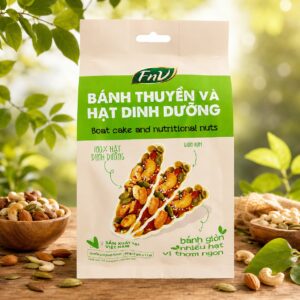
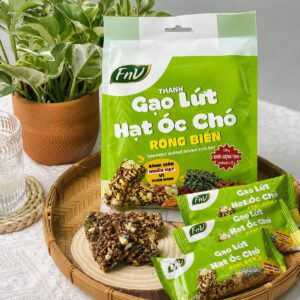
Unique snacks from VietNatur offer a distinctive taste experience
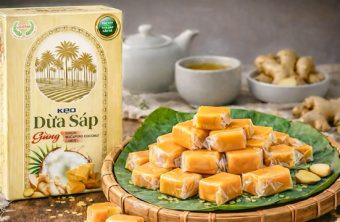
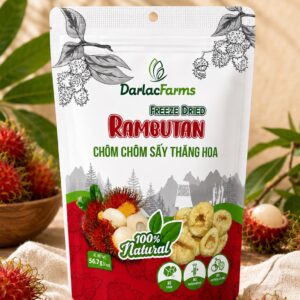
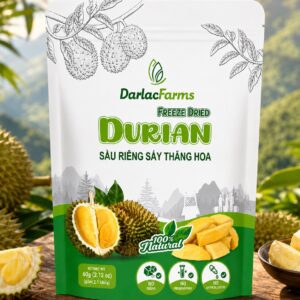
To initiate new merchandise zones and control inventory risks, retail systems should start with an essential catalog. Selection criteria typically rely on long shelf life, simple storage processes, and easy transportation. VietNatur currently provides Vietnamese food lines strictly meeting modern retail market standards. Typical product lines include:
Refreshing product portfolios is a strategic step to maintain competitiveness in modern retail. Integrating Vietnamese food through original snack lines and traditional beverages helps stores meet the shift in healthy consumption trends. By building reasonable product structures and arranging display spaces scientifically, supermarket systems can optimize profit margins while delivering more valuable shopping experiences to customers.
Entdecke passende VietNatur Produkte zu diesem Thema.