Best Hiking Snacks: Energy Foods for Outdoor Adventures
Hiking and trekking are outdoor activities that build endurance, improve physical fitness, and help recharge your mental energy. However, to...
read more

FREE Express Shipping On Orders $99+


In many European countries, including Germany, Austria, and the Nordic region, coffee has long been associated with convenience and efficiency. Automatic coffee machines in offices and takeaway coffee cups on morning trains reflect a society where every minute counts. However, as urban stress continues to grow, more Europeans are beginning to question how they consume and enjoy the everyday moments of life.
This is where the connection between Vietnamese coffee culture and the Western philosophy of slow living becomes increasingly meaningful.

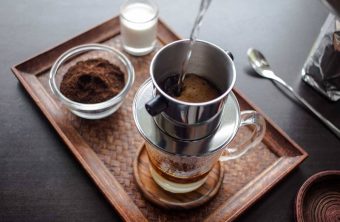
Enjoying Vietnamese phin coffee in a quiet setting reflects a slower pace of life. (Source: Internet)
Slow living in Europe is not simply about doing everything at a slower pace. At its core, it is about making conscious choices: prioritizing quality over quantity, appreciating handcrafted experiences, and being fully present in each moment. Viewed through these principles, Vietnamese coffee culture reveals many natural similarities, despite originating from two very different cultural backgrounds.
First, Vietnamese people have never viewed coffee solely as a quick caffeine fix before rushing off to the next task. In everyday life in Vietnam, sitting down with a cup of coffee is an opportunity to observe the surroundings, engage in conversation, or simply allow oneself to take a break during the day. This unhurried mindset resonates with the German concept of Entschleunigung—slowing down and finding a healthier balance between work and life.
Second, the simplicity of Vietnamese coffee spaces and brewing tools aligns perfectly with the minimalist trend in Europe. There is no need for bulky machines or complicated processes. The coffee experience is reduced to its essential elements: coffee beans, hot water, a small phin filter, and time.
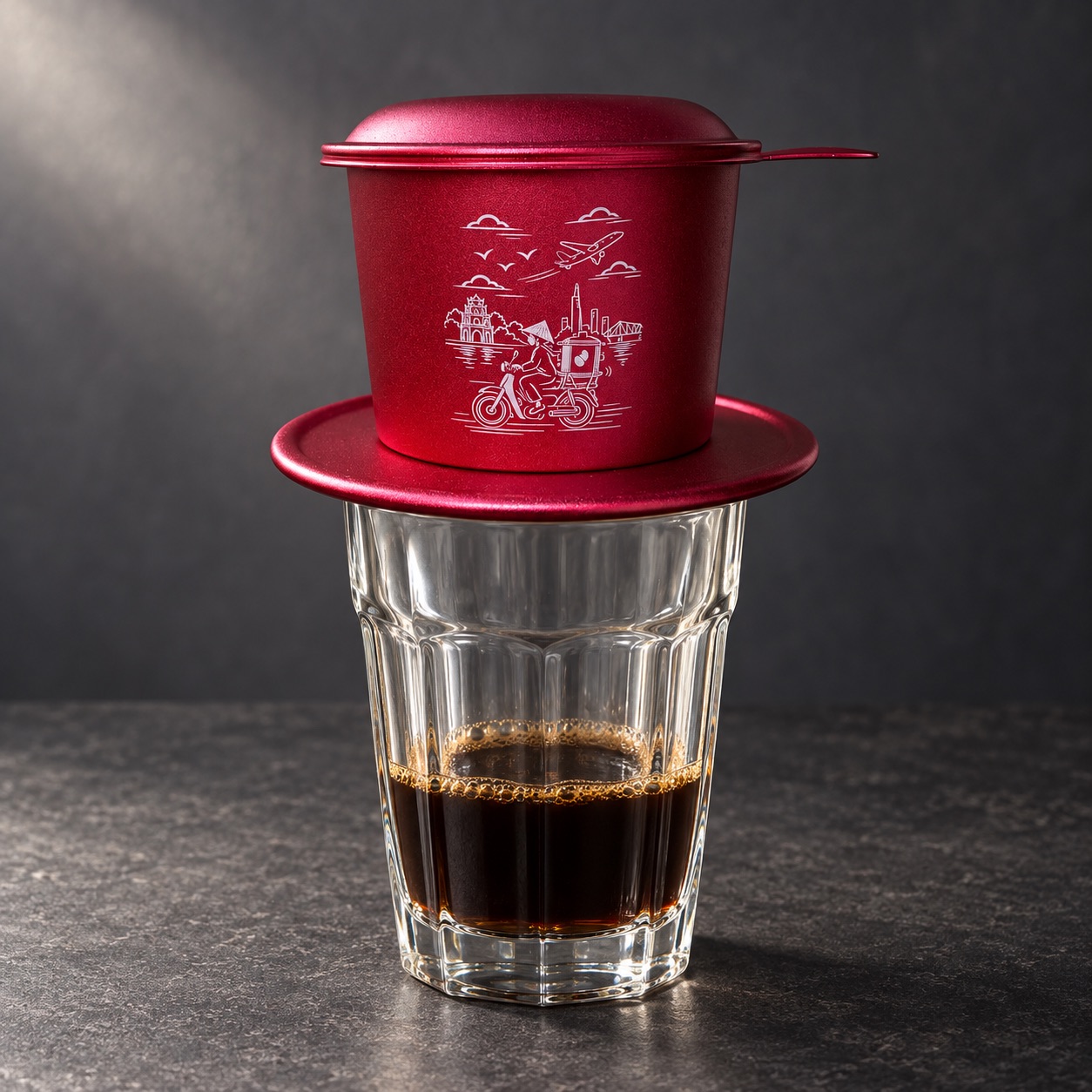
The reusable metal phin helps reduce waste through sustainable coffee preparation. (Source: VietNatur)
European consumers, particularly in Germany, are highly conscious of environmental protection and reducing household waste. In recent years, the environmental impact of single-use coffee capsules made from aluminum or plastic has become a frequent topic of discussion. Even popular manual brewing methods such as pour-over using a V60 or Chemex require daily paper filters.
In this context, the traditional Vietnamese phin coffee filter offers a practical and environmentally friendly alternative:
The combination of practicality, durability, and low environmental impact makes the phin an iconic tool for a greener and more responsible lifestyle in Europe.
An espresso machine can extract a cup of coffee in less than half a minute, while a Vietnamese phin takes around five to seven minutes for the water to slowly pass through the coffee grounds and drip into the cup.
For those who embrace a slow coffee ritual, these five minutes provide a valuable moment of stillness before the workday begins:
Rather than seeking elaborate relaxation techniques, many people living in European cities use their morning phin brewing ritual as a way to calm their minds before facing a busy schedule.
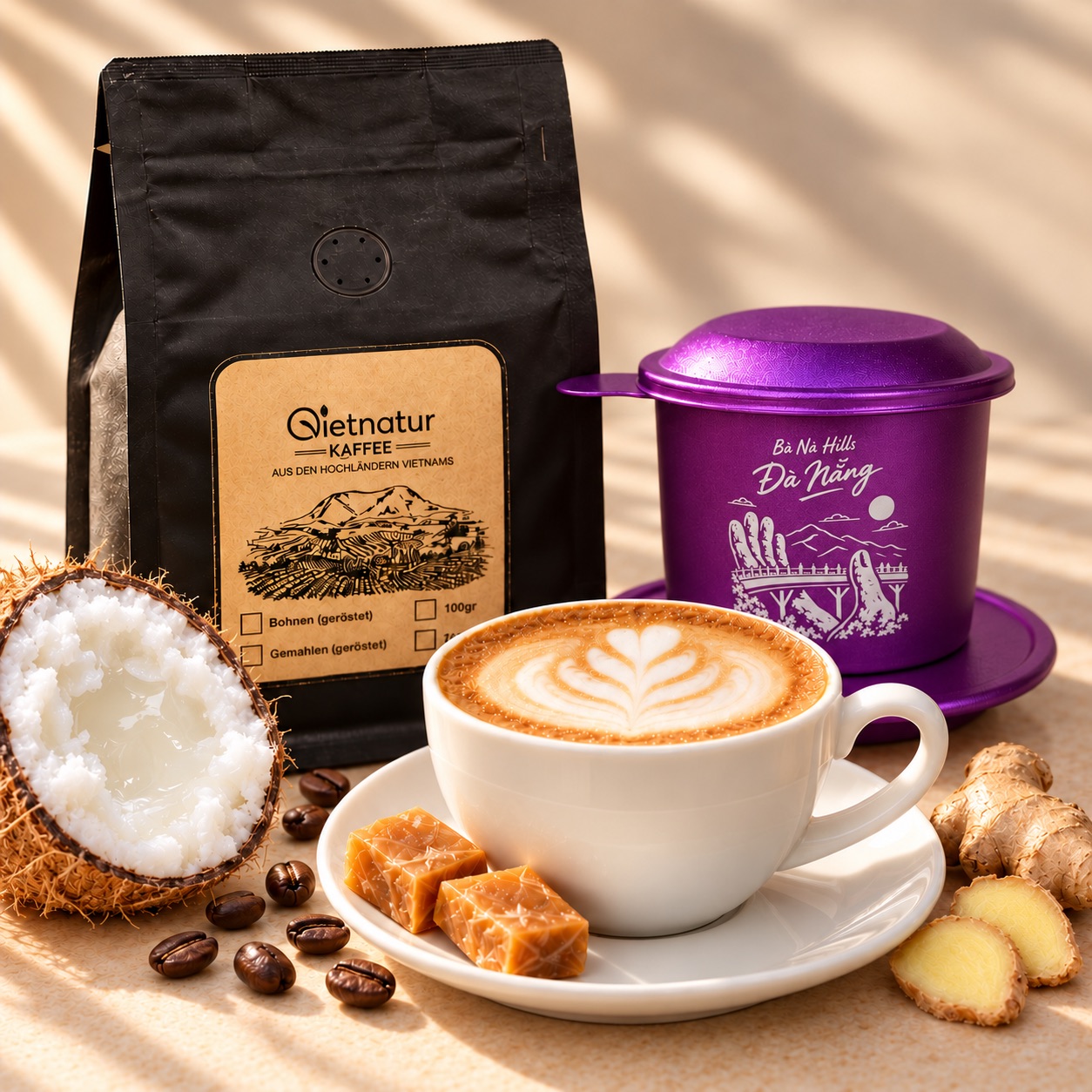
Vietnamese Robusta coffee offers a rich and distinctive flavor experience. (Source: VietNatur)
The European coffee market has traditionally been influenced by Arabica beans, known for their delicate acidity, fruity and floral notes, and lighter body. However, the rise of the specialty coffee movement over the past decade has made European coffee enthusiasts more open to new taste experiences, including high-quality Robusta beans—particularly Fine Robusta from Vietnam.
When carefully cultivated, harvested at full ripeness, and naturally roasted without added flavorings, Vietnamese Robusta offers a distinctive character of its own:
It is this combination of a new yet authentic flavor experience that appeals to lovers of the slow coffee ritual—people who appreciate not only the coffee itself but also the story of its origin and the process behind every cup.
Beyond the personal morning experience, Vietnamese coffee culture also addresses another need among modern Europeans: genuine, pressure-free human connection. In many Western cities, cafés have increasingly become remote working spaces, filled with laptops, noise-canceling headphones, and long working hours. Natural face-to-face interaction can sometimes take a back seat.
By contrast, Vietnamese street coffee culture embraces open and spontaneous conversations. When brought into European homes, the simple act of boiling water together, preparing several small phin filters for friends or family on a weekend, creates an entirely different rhythm of connection.
It gives everyone a reason to stay at the table a little longer, wait together for the coffee to drip, and enjoy a conversation without being influenced by the rush of modern food service or industrial convenience.
The harmony between Vietnamese coffee culture and Europeans who embrace slow living does not come from elaborate marketing campaigns, but from shared core values. These include respecting the natural rhythm of life, appreciating the sustainability of simple and durable objects, and valuing moments of quiet reflection.
In a world that never stops accelerating, the small dripping phin offers a gentle reminder that sometimes the greatest pleasure of a cup of coffee lies precisely in the minutes we spend patiently waiting for it to come to life.