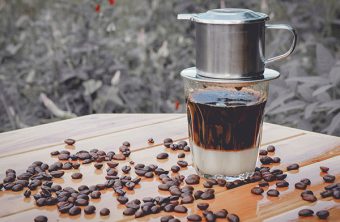
Vietnamese Milk Coffee: From Culture to Cup
If there is a drink that captures the rhythm of life, the soul, and the warmth of Vietnamese people, it...
read more

FREE Express Shipping On Orders $99+

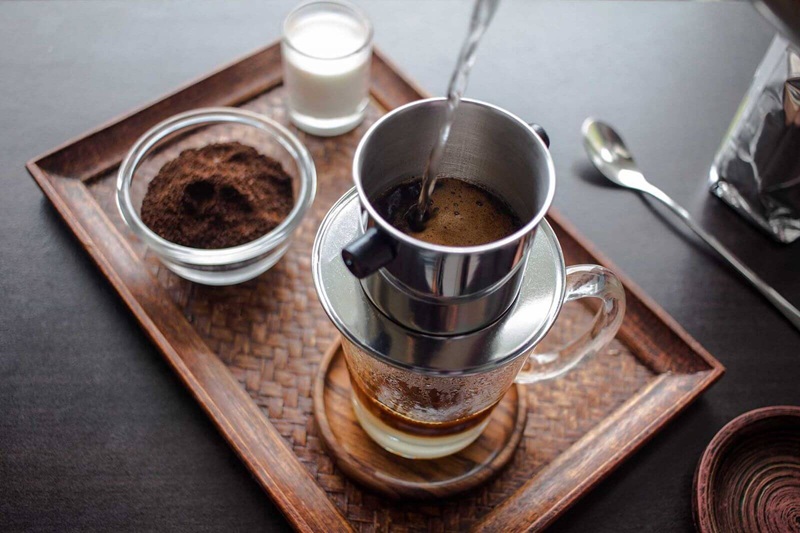
Among the many modern brewing methods available today, Vietnamese phin drip coffee still holds a special place in daily life and coffee culture in Vietnam. Without complex machines or high pressure, just a small metal filter and hot water can create a cup that is bold, deep, and full of character.
Although it appears simple at first glance, achieving a balanced, full-bodied cup that is neither weak nor overly bitter requires a clear understanding of extraction principles and the fundamental techniques behind this small filter.
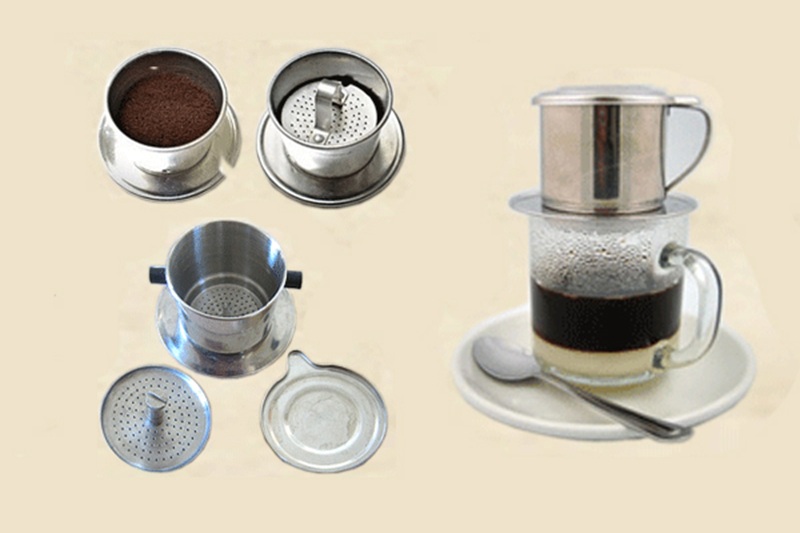
The structure of a complete phin set needed for brewing
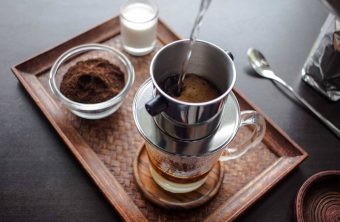
A traditional phin set consists of four main parts: the filter body, the press disc (or compression lid), the perforated base, and the top lid. Despite its simple design, the phin operates based on natural soaking and dripping mechanisms. When hot water is poured in, the water does not rush through; instead, it slowly saturates the lightly compressed coffee grounds.
In phin brewing, hot water is not forced through the coffee under pressure like espresso, but gradually permeates the coffee grounds thanks to natural gravity. This process happens slowly, allowing water to gently dissolve aromatic compounds, bitterness, acidity, and sweetness in the coffee.
This slow extraction characteristic creates:
Therefore, when brewing phin coffee, every factor affecting flow rate (grind size, tamping pressure, water temperature) directly impacts the quality of the final cup.
Detailed instructions for brewing a proper and authentic cup
To brew phin coffee consistently and deliciously, the brewer must properly control three main factors: water temperature, coffee grind size, and extraction time.
Common reference ratio:
A common mistake in phin brewing is using water at 100°C. At this temperature, water can easily over-extract bitter compounds and strip away the coffee’s natural aroma.
The ideal temperature range is 90-95°C because:
The simplest way to reach this temperature is to boil water, then leave the kettle lid open for about 30-45 seconds before pouring.
Coffee grind size plays a decisive role in controlling extraction speed in phin brewing.
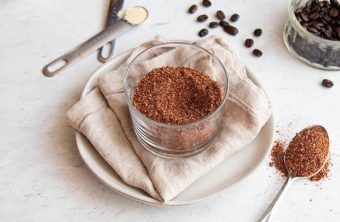
A medium-fine grind, similar to sea salt, is the most suitable choice for most commonly used phin filters today.
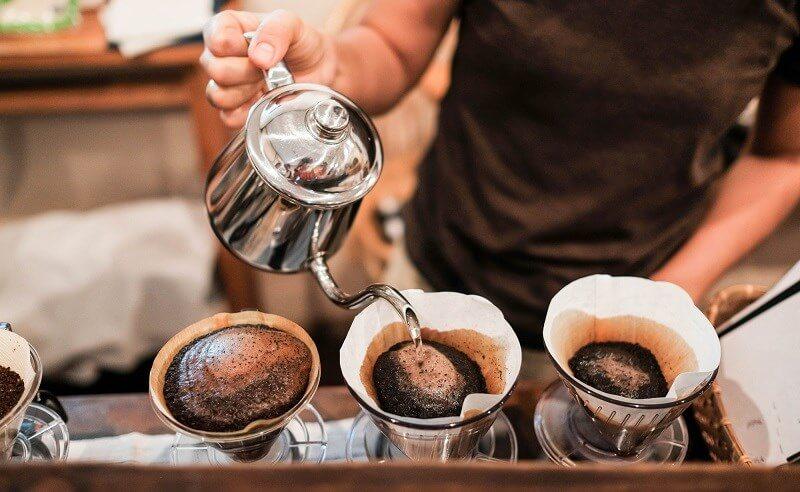
Blooming helps control coffee quality
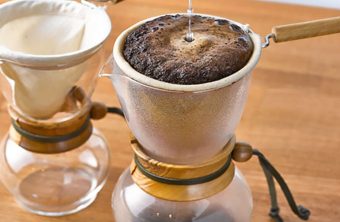
The Bloom technique, also known as pre-infusion, is often overlooked in phin brewing but plays a crucial role in determining the quality of the cup. After adding coffee into the phin:
The purpose of Blooming is to release residual CO₂ trapped in roasted coffee. If this step is skipped, CO₂ will prevent water from evenly contacting the coffee grounds, resulting in uneven extraction. When Blooming is done properly:
In phin brewing, blooming is not an optional step – it is the foundation for quality control.
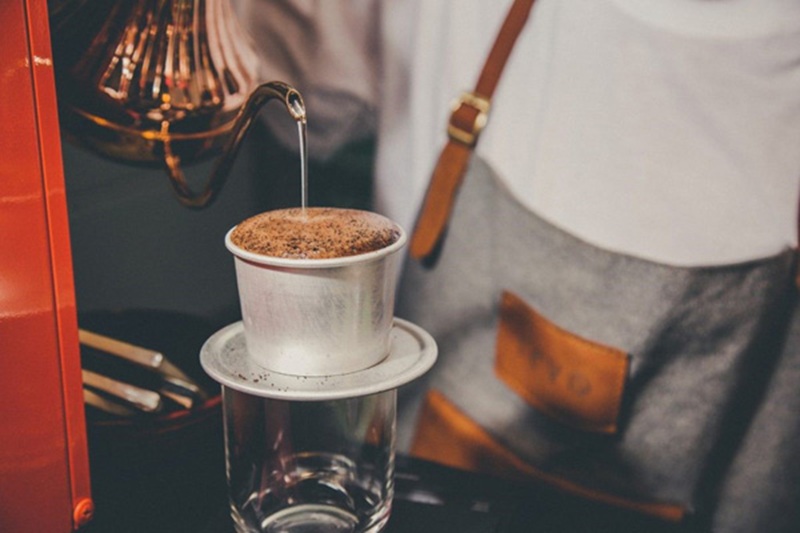
Water should be divided into 2-3 pours for better saturation
After completing the Bloom step, the main pouring process begins – this stage directly determines flow rate and extraction level of the phin coffee. Instead of pouring all the water at once, it should be divided into 2-3 pours, using circular motions from the center outward. This method ensures even saturation of the coffee bed and prevents one part from being over-extracted while another part remains under-extracted.
Pouring water slowly and evenly also helps maintain a stable water level inside the phin, allowing gravity to function properly in the extraction process. When done correctly, the first drops of coffee usually appear after about 30-45 seconds, indicating that the water is permeating at the appropriate speed. The ideal total dripping time for a phin coffee ranges between 4-5 minutes, long enough for full flavor development without creating harsh bitterness.
If coffee drips too fast or too slow compared to this time frame, it indicates that grind size or tamping pressure is not appropriate. Adjusting the grind size or tamping technique will help bring the extraction process back into balance and stability.
If coffee drips too quickly and tastes weak, the cause is usually grinding too coarse, tamping too lightly, or pouring water too forcefully. On the other hand, if coffee drips too slowly or gets clogged, resulting in harsh bitterness, the cause is typically grinding too fine or tamping too tightly.
When brewing phin coffee, instead of changing multiple variables at once, you should adjust one small factor at a time to find the most suitable balance point.
The uniqueness of phin brewing lies not only in technique but also in the experience itself. The moment of waiting for each drop of coffee to fall into the cup is a pause from fast-paced life – a moment to focus on aroma and emotions.
When you understand the nature of the phin and the principles of extraction, brewing phin coffee is no longer a repetitive habit but becomes an intentional and inspiring process.
A good cup of phin coffee does not come from luck but from understanding and proper technical control. By mastering the core principles, you can elevate your phin brewing experience at home like a true barista.
At VietNatur, we offer pure roasted coffee lines that preserve the authentic character of Vietnamese coffee – bold, profound, and inspiring. Whether you love traditional strong flavors or balanced, refined aromas, VietNatur has the right choice for your taste preference.
👉 Discover high-quality roasted coffee products at VietNatur and choose your favorite beans to start every day full of flavor: