Do you prefer a bold, strong bitterness or a delicate, floral acidity? In the modern coffee world, Robusta coffee and Arabica are more than just two types of beans—they are two distinct lifestyles. Join VietNatur as we decode the chemical secrets behind your perfect cup.
1. Analyzing Robusta Coffee and Arabica Identity via Chemical Structure
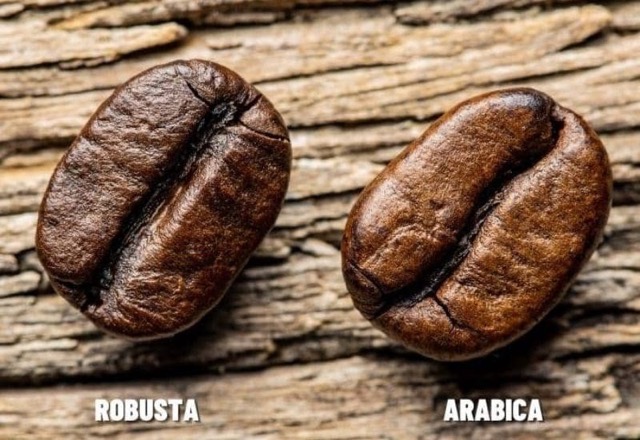
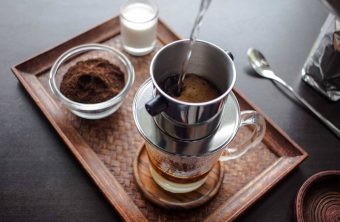
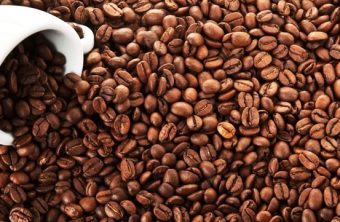
The difference between Robusta and Arabica (Image source: Internet)
To understand why Robusta and Arabica taste the way they do, we must look at what happens inside the roasted coffee beans.
- Aroma Systems and Lipids (Fats): According to research from the International Coffee Organization (ICO), Arabica contains approximately 60% more lipids than Robusta. These lipid molecules act as “solvents” that dissolve aromatic compounds, creating complex layers of jasmine, citrus, or berry notes. In contrast, robusta coffee has a higher content of soluble solids, creating an incredibly rich “Body.”
- Chlorogenic Acid (CGA) – The Key to Bitterness: The CGA content in robusta coffee accounts for about 7-10%, significantly higher than the 5-8% level in Arabica. CGA is a powerful antioxidant, but it is also the agent that creates the characteristic bitterness. When roasted correctly, CGA transforms into notes of dark chocolate, caramel, and dry roasted nuts.
2. Technical Sensory Profile Comparison
Below is a summary table to help you easily distinguish between robusta coffee vs Arabica:
| Sensory Indicator |
Robusta Coffee |
Arabica Coffee |
| Acidity |
Low, slight astringency, sweet finish. |
High, diverse (Citric, Malic). |
| Sweetness |
Low, leaning towards burnt sugar. |
High, natural sugar, honey. |
| Body |
Very Thick (Heavy Body). |
Medium to Thin (Light Body). |
| Crema (Espresso) |
Thick, smooth, stable foam structure. |
Thin, dissipates easily, larger bubbles. |
| Caffeine |
2.2% – 2.7% (High Energy). |
1.2% – 1.5% (Mild). |
3. Fine Robusta: The Gold Standard for Connoisseurs
In recent years, the concept of Fine Robusta has sparked a revolution in the European market. These are coffees that achieve a sensory score of 80 or higher according to the rigorous standards of the CQI (Coffee Quality Institute).
Fine Robusta beans require a 100% ripe harvesting process and complex fermentation techniques (Honey, Natural) to completely eliminate harsh flavors, replacing them with refined notes of ripe fruit, honey, and chocolate. Fine Robusta proves that Robusta can stand toe-to-toe with Arabica in terms of sophistication within the Specialty Coffee segment.
See more: Robusta Kaffee: Vietnams kräftige Seele
4. Robusta R2 at VietNatur: The Perfect Solution for Clean Espresso
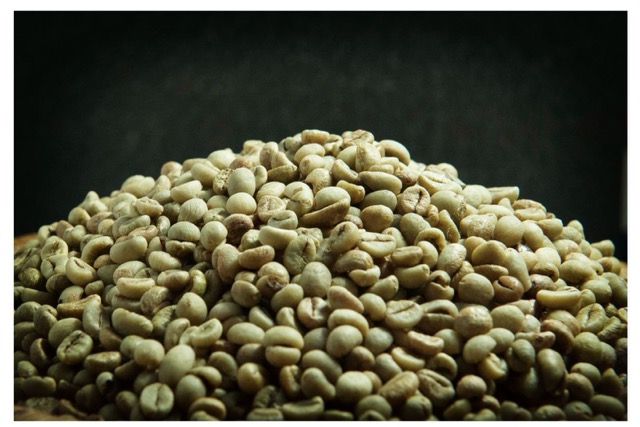
The Robusta R2 blend delivers a bold flavor with a long-lasting aftertaste (Image source: Internet)
If Fine Robusta is a pricey work of art to sip, VietNatur’s Robusta R2 line is the reliable “companion” for daily enjoyment. Even as a commercial grade, our Robusta R2 is selected from Vietnam’s famous growing regions with strict standards:
- 100% Pure Roast: Absolutely no additives, ensuring the beans retain a clean bitterness that won’t damage your Espresso machine.
- Ideal Crema Structure: The high soluble solids in R2 create a dense, creamy foam—the most crucial element of a standard Italian Espresso.
- Flavor Defect Control: Our export-standard roasting process removes woody or burnt odors, delivering a stable and long-lasting caramel aftertaste.
5. Tasting Experience: Which “Team” Are You?
- The Robusta Experience: Power from Mother Earth: Take a sip of quality Robusta, and you will feel a “clean bitterness,” much like enjoying an 85% dark chocolate bar. With its high caffeine content, robusta coffee is the number one choice for a morning requiring absolute focus.
- Arabica: A Fruit Symphony: Arabica offers a more delicate journey. With high natural sugars, it opens up elegant layers of citrus, black tea, or florals. This is the coffee for moments of slow relaxation.
6. Selection Advice: When to Choose Robusta or Arabica?
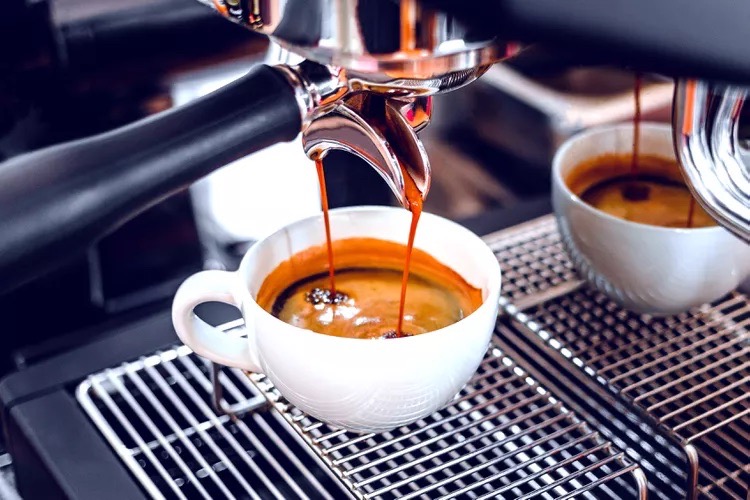
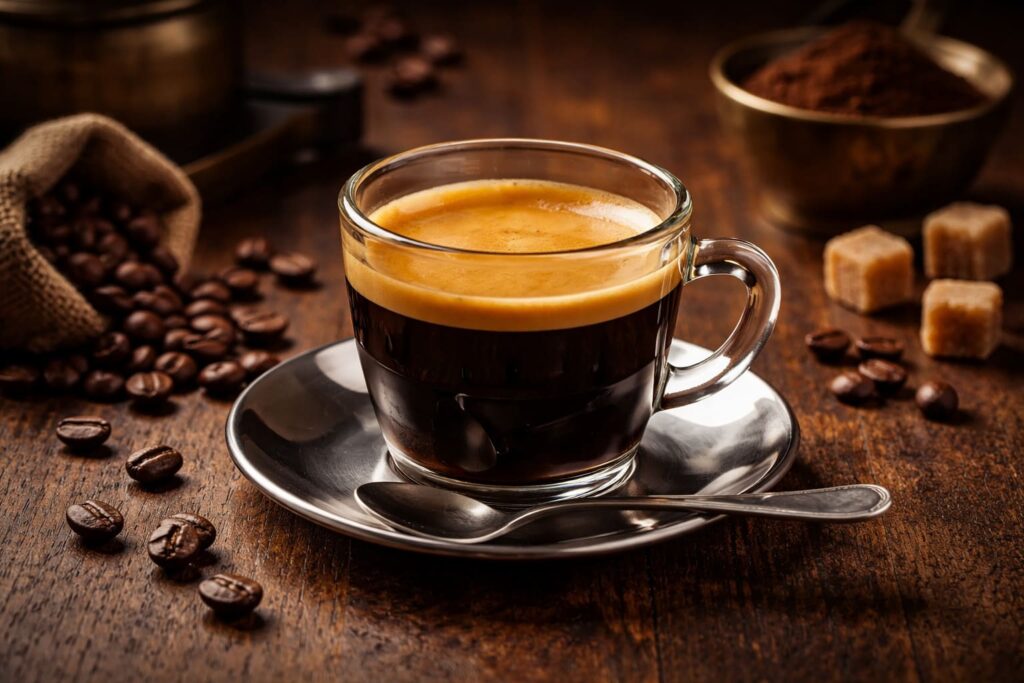
An ideal espresso for every morning (Image source: Internet)
- (For the Perfect Espresso: A blend using the “golden ratio” (usually 7:3 or 8:2) gives the cup enough strength, aroma, and a persistent crema.
- When You Need Energy: Trust in VietNatur’s Robusta R2 line.
- For Manual Brewing (Drip): Choose Arabica to explore bright, acidic layers.
Conclusion: Suitability is the Peak of Enjoyment
In the battle of robusta coffee vs Arabica, there are no winners or losers. At VietNatur, we respect the identity of each bean variety and are committed to bringing the most dedicated products to discerning users worldwide.
Are you ready to elevate your palate with premium Vietnamese robusta coffee?
👉 Discover the Robusta R2 line and exclusive Blends at VietNatur now!
Content Manager
Mit über 10 Jahren Erfahrung im Schreiben über Kulinarik, Reisen und E-Commerce glaube ich daran, dass die Kraft von Worten in ihrer Authentizität liegt. Mein Ziel bei VietNatur ist es, einen ganzheitlichen Blick auf vietnamesische Agrarprodukte zu vermitteln — von den realen Produkten selbst bis hin zu den kulinarischen Kulturgeschichten, die sich dahinter verbergen. Ich bin überzeugt, dass Transparenz über die Herkunft internationalen Kundinnen und Kunden hilft, den Produkten mehr Vertrauen und Wertschätzung entgegenzubringen.