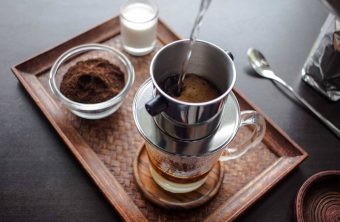
Richtiges geröstete Kaffeebohnen lagern, um das Aroma länger zu bewahren
9

Apr

Storing Roasted Coffee Beans: Freshness Guide

A great cup of coffee isn’t just about bean quality or brewing technique; it relies heavily on storing roasted coffee beans. If you notice the aroma weakening, it is a sign that your coffee is oxidizing—a factor that rapidly reduces quality and the overall tasting experience.

Learning the professional standards for storing roasted coffee beans is the most vital step in protecting your coffee bag. Even a minor oversight in storage can lead to dull-colored beans and the loss of their original soul.

In the section below, you will find simple yet effective tips to extend the roasted coffee bean shelf life and keep every cup as well-rounded as the day it was roasted.

How long roasted coffee beans last?

The commercial roasted coffee bean shelf life is typically 12 months, during which the product remains safe and high-quality if stored correctly. However, like many natural foods, coffee has a “peak flavor window.”

How long roasted coffee beans last at their absolute best? Generally, coffee reaches its peak flavor within 2–4 weeks after roasting, when the aromatic compounds are in their most balanced state. After this period, the flavor will gradually mellow, though this doesn’t mean the coffee is spoiled. If kept in an airtight environment away from light, heat, and air, roasted beans can maintain stable quality for several months.
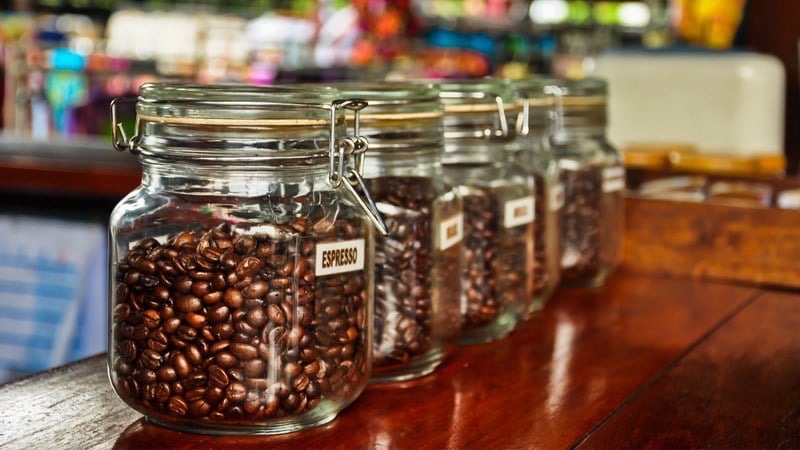
Pro Tips for storing roasted coffee beans Correctly

Richtiges Lagern von gerösteten Kaffeebohnen – das solltest du wissen

How to properly store roasted coffee beans – what you need to know (Image source: Internet)

To keep your roasted beans tasting “roastery-fresh,” the core secret lies in storing them as whole beans and neutralizing the four “enemies.”

Before opening the bag, store it in a cool, dry place. If you purchase in bulk, consider freezing sealed bags and only thawing them when ready to use.

From the moment you open the bag, follow this 3-step ritual for storing roasted coffee beans:

Step 1: Choose the Right “Home” (Specialized Containers)

  • Material: Prioritize dark-colored glass (amber glass), ceramic, or high-quality stainless steel. These materials block light penetration.
  • Airtight Mechanism: The lid must have a tight silicone seal. Ideally, use a container with a one-way degassing valve. This allows CO2 to escape from the beans without letting oxygen in, preventing mold and rancidity.

Step 2: Find the Ideal “Shelter”

  • Location: Keep your coffee in a dry, cool spot (18–22°C). Stay away from windows (sunlight) and the stove area (high heat).
  • The Fridge Rule: Never store coffee in the refrigerator (chiller). The high humidity and food odors will contaminate the beans and cause them to deteriorate instantly.
  • Correct Freezing: For storage longer than a month, vacuum-seal portions in zip bags and keep them in the freezer (-18°C). Note: Thaw naturally for at least 12 hours before opening the bag, and never re-freeze.

Step 3: The “Divide and Conquer” Strategy

  • Keep them Whole: Never grind your beans in advance unless you are brewing immediately. Whole beans have less surface area exposed to air, preserving aroma 2–3 times longer than pre-ground coffee.
  • Portion Control: Instead of opening a 1kg bag every day, divide the coffee into smaller airtight jars (about 100g each) for 1–2 days of use. This keeps the bulk of your coffee undisturbed in a sealed environment.

Notes for storing roasted coffee beans:

  • Labeling: Mark the purchase or opening date on the container to track freshness.
  • Minimize Contact: Avoid touching the beans directly with your hands. Skin oils and moisture can compromise the quality.
  • Regular Inspection: If you notice the beans looking dull or losing their intense aroma, switch to freezer storage or use them immediately to avoid waste.

By following the steps above, you’ll always have rich, aromatic cups of coffee to enjoy with your family and friends every day!

Proper storage is the key to preserving the quality and original flavor of coffee. However, in reality, many people are still unintentionally ruining their coffee due to the following common mistakes:
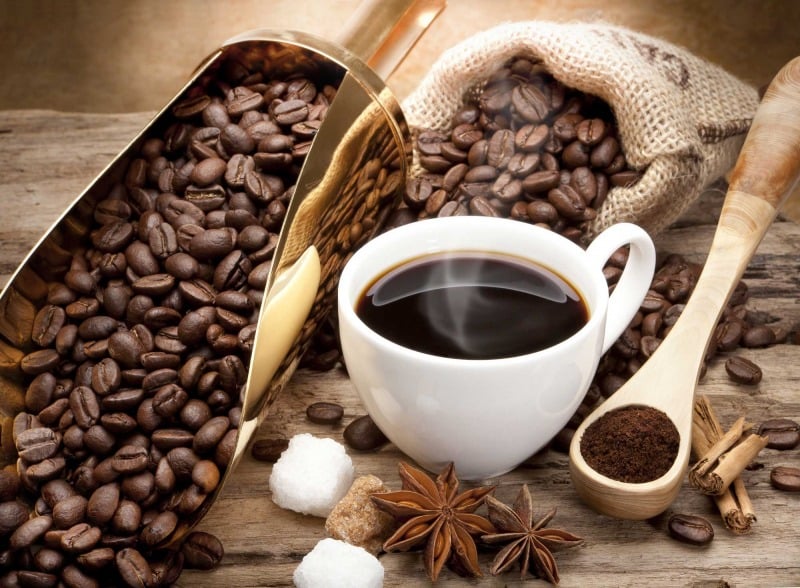
Common Mistakes in storing roasted coffee beans

Fehler, die du vermeiden solltest, um deinen Kaffee länger frisch zu halten

Mistakes to avoid for keeping your coffee fresh longer (Image source: Internet)

Avoid these frequent errors that many enthusiasts unknowingly make:
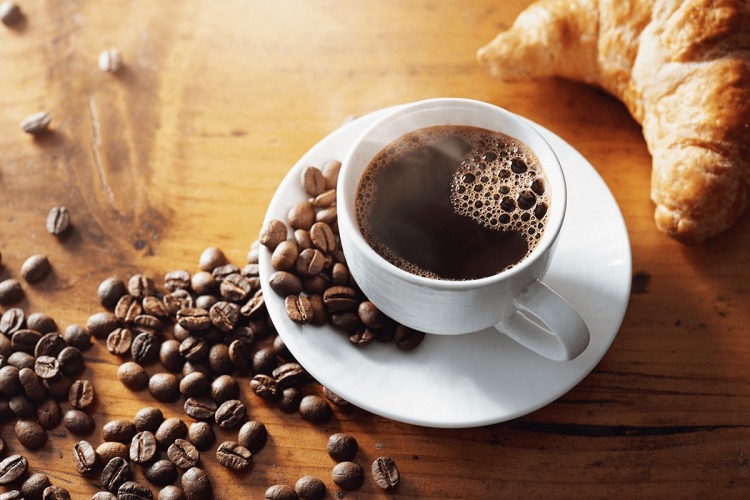
  • Storing near the stove or oven: Heat and steam will penetrate the bag, causing the beans to lose their glossy oils within 7–10 days.
  • Using standard plastic bags: Regular bags lack a degassing valve, leading to “bag bloat” from CO2 buildup or mold from oxygen seepage.
  • Storing in the main fridge compartment: Coffee is a natural deodorizer; it will absorb the smell of garlic and fish from your fridge, destroying its natural floral/fruity notes.
  • The Reality: Coffee prefers a dry pantry over a cold, damp fridge.

The Enemies of Coffee Flavor

Die vier größten Feinde, die du vermeiden solltest, um deinen Kaffee optimal zu lagern

The four main enemies you should avoid to keep your coffee at its best (Image source: Internet)

The flavor of roasted coffee is derived from over 800 volatile aromatic compounds, all of which are under attack by four main “enemies”: air, light, moisture, and temperature.

  • Air (Oxygen): Oxygen causes rapid oxidation, breaking down essential oils in just 1–2 weeks of exposure. This results in a 50% loss of characteristic aromas like chocolate or ripe fruit notes.
  • UV Light: Sunlight or even fluorescent light destroys chlorogenic acid—the compound responsible for bright acidity—causing beans to turn flat and stale quickly, especially oil-rich Vietnamese Robusta.
  • Moisture: Humidity levels above 60% are the leading cause of Aspergillus mold, causing beans to clump and develop a musty odor—a common issue in humid or tropical climates.
  • Temperature: The ideal storage temperature is 18–22°C. If it exceeds 25°C, the “staling” process doubles in speed, causing premature CO2 release and the evaporation of essential oils.

Identifying Spoiled Coffee

You can easily check the status of your beans through these sensory cues:

  • Aroma: If you open the bag and there is no intense, characteristic fragrance—or if it smells musty or like rancid oil—it’s time for a fresh bag.
  • Visuals: Old beans look parched and “dead,” or conversely, unnaturally greasy/oily with a faded color.
  • Brewed Flavor: The cup will taste sharply bitter, lacking the balance between acidity, sweetness, and bitterness, with no lingering aftertaste.

FAQ – storing roasted coffee beans

1. Why does keeping coffee as whole beans preserve flavor longer than pre-ground?

Whole beans have significantly less surface area exposed to oxygen. This slows down the oxidation process, keeping the aromatics and flavors locked in much longer than ground coffee.

2. The ideal place for home storage?

A cool, dry pantry, away from direct sunlight and far from the stove, oven, or sink area.

3. Does roasted coffee actually “expire”?

Yes, but not like fresh produce. It won’t necessarily make you sick immediately, but it loses its “soul” (aroma and taste). If you notice off-smells, mold, or an unpleasant taste, it should not be used.

4. Should I use beans immediately after roasting?

No. Coffee needs to “rest” for 1–3 days after roasting to allow excess CO2 to escape (degassing), resulting in a more stable and balanced flavor profile.

5. Signs of high-quality packaging?

Look for a one-way degassing valve (to release CO2 while blocking oxygen) and a high-quality resealable zipper for post-opening storage.

Living in Germany—a nation renowned for its meticulous attention to detail and high standards in culinary appreciation—we understand that every coffee bean represents a passionate journey from the farmer to the roaster. Proper storing roasted coffee beans is more than just maintaining a product; it is an act of respect for the bean’s origin, ensuring the “essence” of the coffee is honored in every cup.

Leave a Reply

Your email address will not be published. Required fields are marked *

RELATED

Posts