Vietnamese Drip Coffee: Pro Brewing Tips
Among the many modern brewing methods available today, Vietnamese phin drip coffee still holds a special place in daily life...
read more

FREE Express Shipping On Orders $99+

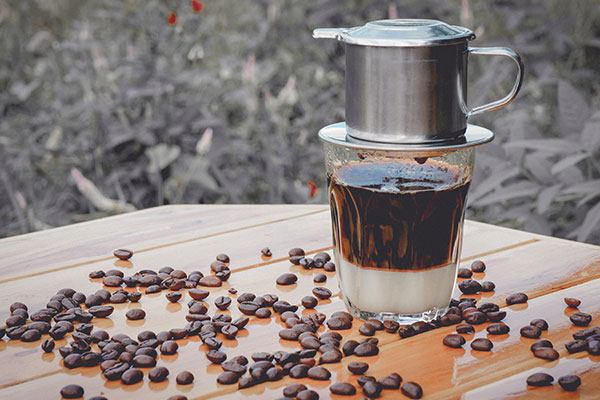
If there is a drink that captures the rhythm of life, the soul, and the warmth of Vietnamese people, it is undoubtedly Vietnamese milk coffee. Without luxurious machines or complicated techniques, this coffee has conquered the world with the simplicity of a small aluminum phin filter and an irresistibly rich sweetness.
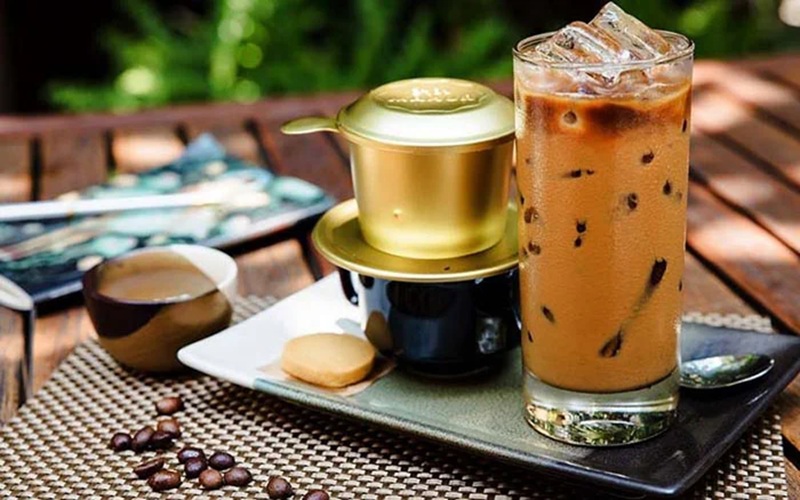
Vietnamese milk coffee is famous for its more than a century of development (Photo source: Internet)
Coffee is not native to Vietnam. The plant was introduced by the French in the mid-19th century (around 1857). It was first cultivated experimentally in several northern regions and later thrived in the Central Highlands thanks to the cool climate and fertile basalt soil.
After more than a century of development, Vietnam has become one of the world’s largest coffee producers, especially famous for Coffea canephora (Robusta), known for its strong flavor and high caffeine content.
In Europe, coffee is typically combined with fresh milk, such as in French or Italian milk coffee drinks. However, in Vietnam at the end of the 19th century and the beginning of the 20th century, fresh milk was extremely rare. The tropical climate made dairy farming and milk preservation difficult.
As a result, Vietnamese people made a groundbreaking innovation: replacing fresh milk with sweetened condensed milk.
This bold combination created a legend known as Vietnamese milk coffee. The strong bitterness of Robusta coffee blends perfectly with the creamy, sweet richness of condensed milk, forming a powerful yet harmonious flavor experience.
Walking along almost any street in Vietnam, from tree-lined sidewalks to small hidden cafés in quiet alleys, you will see the familiar sight of a phin slowly dripping coffee onto a layer of condensed milk.
Vietnamese milk coffee is not just a beverage; it is an art of slowing down and an essential part of Vietnamese culture. Amid the fast pace of modern life, sitting and waiting for each drop of coffee to fall brings a moment of calm.
Today, Vietnamese milk coffee has gone far beyond national borders and has become a global culinary phenomenon. It frequently appears on lists of must-try drinks worldwide by media outlets such as CNN and Bloomberg. The inspiring combination of bold Robusta bitterness and sweet condensed milk creates a distinctive flavor that is hard to forget once tasted.
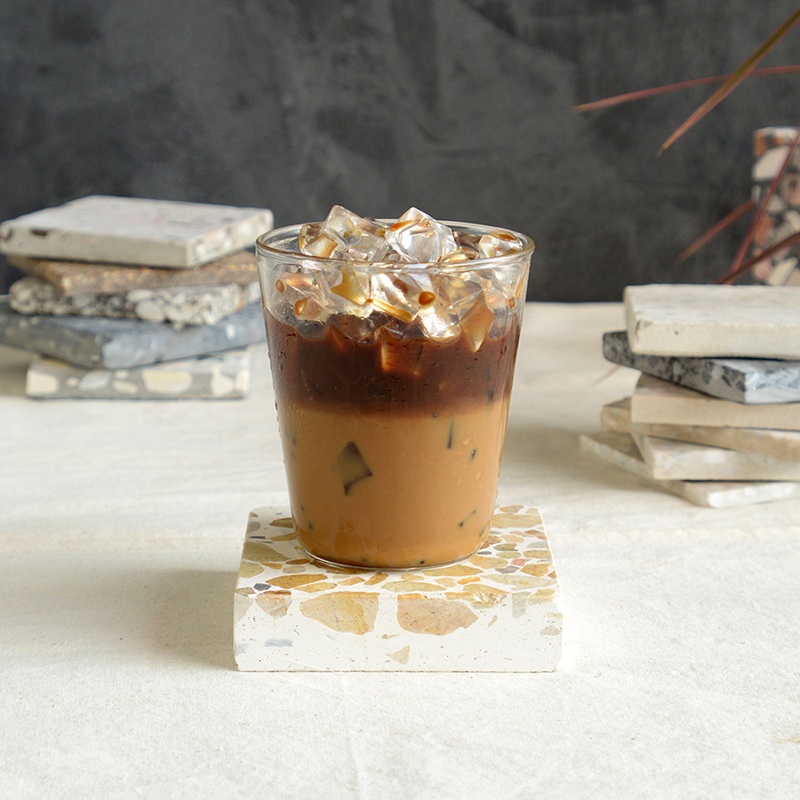
Detailed guide on how to brew authentic Vietnamese milk coffee (Photo source: Internet)
Traditional Vietnamese milk coffee is brewed using a phin filter — a unique Vietnamese drip brewing device. This method allows coffee to extract slowly, resulting in a strong aroma and deep aftertaste.
To prepare a traditional Vietnamese milk coffee, you will need:
The most common ratio of coffee to condensed milk is 1:1, creating the bold and creamy balance typical of Vietnamese iced milk coffee. However, you can adjust the milk amount to suit your personal taste.
To brew an authentic Vietnamese milk coffee at home, choosing the right ingredients is essential. Below are some places in Germany where you can easily find them.
Robusta beans from Vietnam’s Central Highlands, known for their strong bitterness and intense aroma, are the key to the unique character of this drink.
If you are looking for authentic Vietnamese-style roasted coffee, you can order directly from the VietNatur website. With just a few clicks, freshly roasted coffee will be delivered straight to your home.
Condensed milk can easily be found in many supermarkets:
Add about 20 g of sweetened condensed milk to the bottom of the glass before placing the phin on top.
When hot coffee drips directly onto the condensed milk, the heat helps the flavors blend together and enhances the aroma.
Rinse the phin with boiling water to warm the brewing equipment. This helps maintain a stable brewing temperature and ensures optimal extraction.
Add 20 g of ground coffee into the phin and gently shake it to distribute evenly.
Pour about 30 ml of hot water over the coffee and wait about 40 seconds for the coffee to bloom.
This step releases CO₂ from the coffee grounds and improves flavor extraction.
Place the press filter on top of the coffee and gently press it down (do not press too hard, as this can block the flow).
Pour another 60 ml of hot water into the phin, cover it, and allow the coffee to drip slowly for about 5 minutes.
Once the coffee has fully dripped, stir well so the condensed milk and coffee blend into a beautiful caramel-brown color.
Add ice cubes and enjoy a refreshing Vietnamese iced milk coffee.

A few factors to keep in mind to make the coffee even more special (Photo source: Internet)
A great cup of Vietnamese milk coffee depends on small details during brewing.
Darker roasts provide stronger flavors, especially when combined with condensed milk.
A medium grind works best for phin brewing:
Too fine → phin may clog
Too coarse → coffee may taste weak
The ideal water temperature is between 92–96°C to extract coffee flavors properly.
Phin brewing is not a fast method. But this slow process is part of the charm of Vietnamese coffee culture.
Waiting for the coffee to drip is also the moment when many people begin their day in a calm and relaxed way.
Amid the fast pace of life and the chilly weather of Europe, a hot cup of Vietnamese phin milk coffee is not only a drink that awakens the senses — it is also a connection to the authentic spirit of Vietnam.
Brewing a proper cup of Vietnamese coffee means recreating a cultural experience, enjoying a moment of slow living, and bringing the warmth of the Central Highlands into your own home.
Let VietNatur and a small phin filter help you continue this story of heritage — rich, authentic, and full of flavor in every drop.
(1) Brewing instructions referenced from dailyphin.com.