Vietnamese Drip Coffee: Pro Brewing Tips
Among the many modern brewing methods available today, Vietnamese phin drip coffee still holds a special place in daily life...
read more

FREE Express Shipping On Orders $99+

When brewing Vietnamese phin coffee at home, many people ask the same question: how many grams of coffee for one cup will give the right taste? The answer is not just a number. It depends on several factors, including the beans, the water temperature, and the extraction method. Once you understand these elements, you can confidently make a rich, aromatic cup of Vietnamese coffee whether you are in a small kitchen at home or living abroad in Germany.
What is Vietnamese Phin coffee?
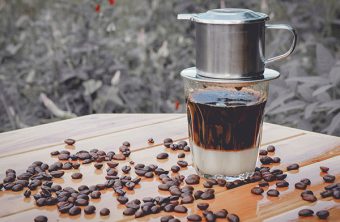
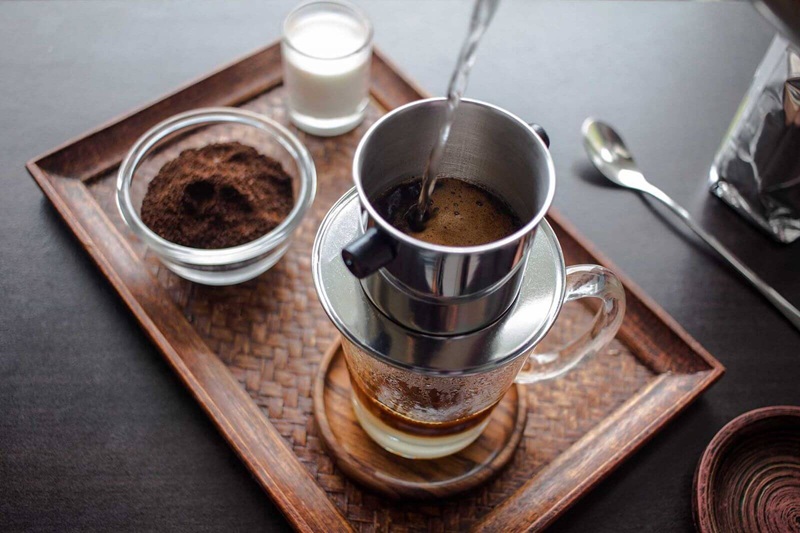
Vietnamese phin coffee is a traditional manual brewing method that uses a small metal filter, known as a phin, to extract coffee slowly through gravity. The result is a cup with a heavy body, natural richness, and a long, lingering finish.
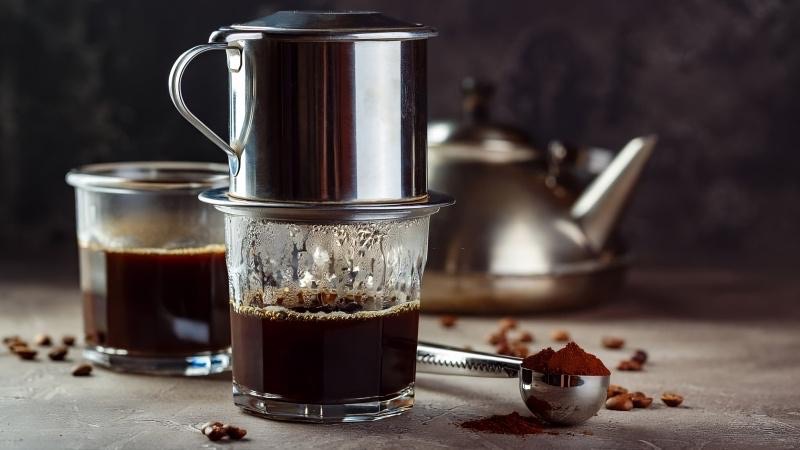
Detailed guide to making authentic Vietnamese phin coffee at home (Source image: Internet)
For a traditional single-serving phin, the ideal amount is usually 20g to 25g of ground coffee, or about 3 heaped tablespoons. This gives you a bed of coffee thick enough for the hot water to pass through slowly, producing a concentrated brew that still tastes full even when served over ice or mixed with condensed milk.
Ingredients
Getting the answer to how many grams of coffee for one cup right matters because Vietnamese Robusta beans naturally contain a high amount of oils and caffeine. With a large enough dose, the hot water has enough time to travel through the coffee bed properly, creating a brew that feels thick, full-bodied, and smooth instead of weak. This is especially important when the coffee is mixed with condensed milk or poured over slowly melting ice.
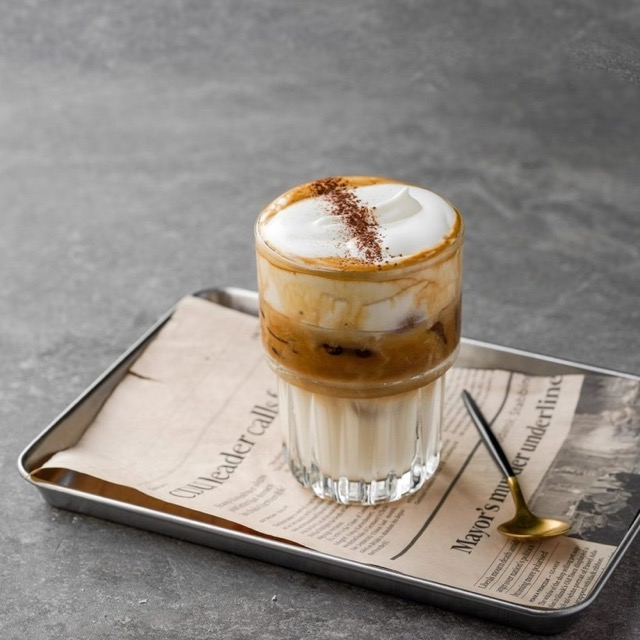
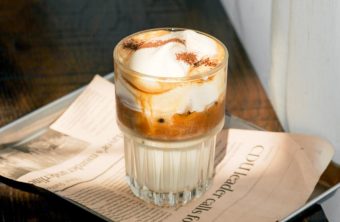
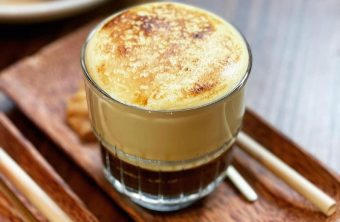
Phin coffee can be transformed into a variety of appealing variations (Source image: Internet)
| Coffee Style | Coffee Dose | Hot Water |
Notes |
|
Vietnamese black iced coffee |
20g | 70–100ml | Bold, clean, and strong enough to hold up over ice |
| Vietnamese iced milk coffee | 25g | 70–100ml | Rich enough that the coffee is not overpowered by condensed milk |
| Bạc xỉu | 15–20g | 70–100ml |
Lighter coffee base, with milk taking the lead |
Note:
In Vietnam, phin coffee is sometimes jokingly called “waiting coffee.” Sitting there and watching each dark drop fall into the cup is part of the experience. It is a small pause in the day, a moment to slow down and think. In the fast, industrial rhythm of life in Germany, those 5 to 7 minutes of waiting for a phin are not just about making coffee. They are also a way to preserve a quiet cultural ritual and a gentler pace of life in your own kitchen.
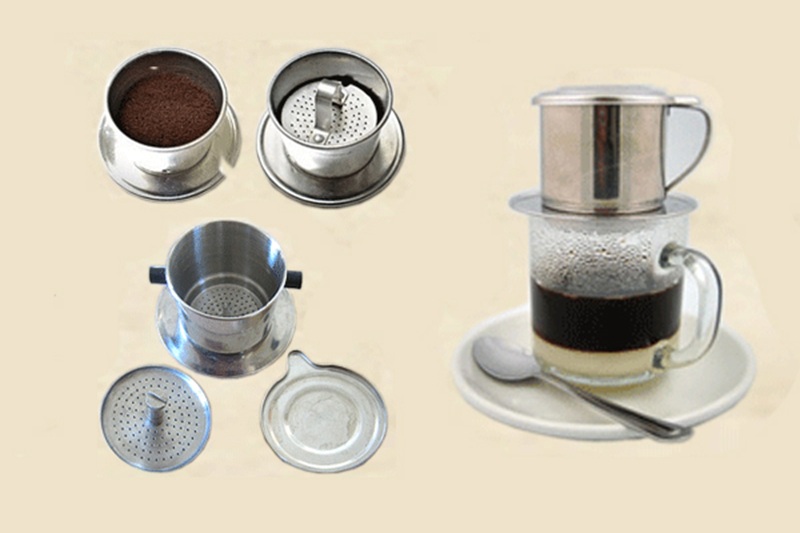
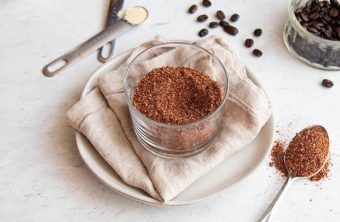
Essential ingredients for making a perfectly authentic cup of coffee (Source image: Internet)
If you want to recreate an authentic Vietnamese cup of coffee in Europe, here is what to look for:
That is completely normal. Phin brewing is a slow-drip method designed to create a concentrated extract. If you understand how many coffee beans for one cup to use, you should end up with about 40ml to 50ml of strong coffee concentrate. That may not seem like much, but it is exactly what you need for a properly balanced iced milk coffee that does not taste diluted once ice is added.
We generally recommend an aluminum phin because it holds and distributes heat more evenly, which helps with a deeper extraction.
Germany’s climate can be quite dry, so store your coffee in a dark glass jar with a tight lid, and keep it in a cool place away from the stove or direct heat.
We hope this guide has answered your question about how many grams of coffee for one cup and helped you brew Vietnamese coffee with confidence at home in Germany.
In the end, the number matters, but it is not the whole story. What makes a cup memorable is often not just the recipe, but the moment when the aroma starts filling the kitchen and each drop falls slowly into the glass. At that point, you are not just making coffee. You are touching a small, distinctly Vietnamese rhythm of life, right in the middle of Germany.
(Content has been compiled and technically cross-checked based on recipes from Nguyen Coffee Supply, DailyPhin, and the practical experience of the VietNatur team.)
☕ Brew Vietnamese Coffee at Home
Got the coffee-to-water ratio right? Now turn your Phin coffee into one of Vietnam’s signature coffee creations.
☕ Shop Now — Vietnamese Coffee
Explore more