Best Hiking Snacks: Energy Foods for Outdoor Adventures
Hiking and trekking are outdoor activities that build endurance, improve physical fitness, and help recharge your mental energy. However, to...
read more

FREE Express Shipping On Orders $99+

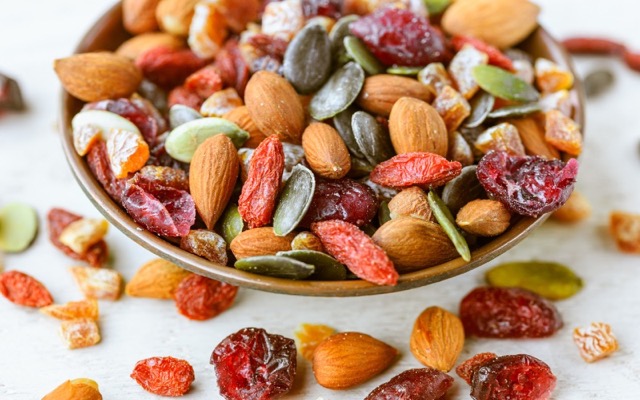
In modern nutrition, the use of nuts and dried fruit is often mentioned as a highly practical combination solution. Beyond just convenience, these two food groups complement each other harmoniously in terms of composition: one is abundant in lipids and protein, while the other provides a large amount of carbohydrates. This article will analyze the practical nutritional value of this combination, helping you gain a more objective and scientific perspective when establishing daily snacking habits.
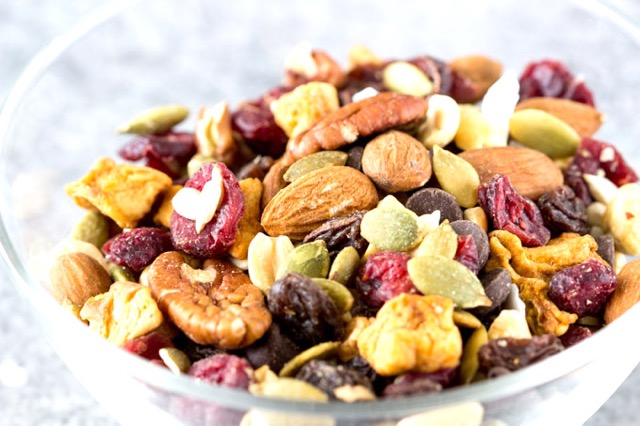
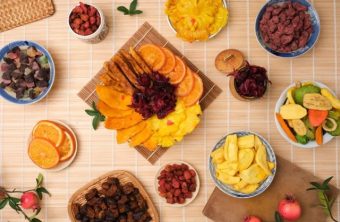
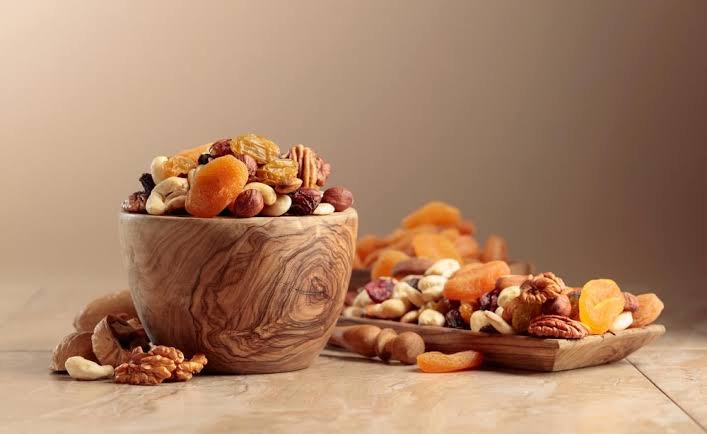
A mix of nuts and dried fruits provides the body with many essential nutrients (Image source: Internet)
To understand why using these two foods together has become popular, we need to deeply analyze the macronutrient structure of each type. Each ingredient, on its own, carries distinct nutritional values.
Dried fruit (like raisins, dried mango, and dates) is the product of removing most of the natural water content from fresh fruit. This processing method concentrates the nutrients, especially the carbohydrate and natural sugar content (including glucose, fructose, and sucrose). As a result, dried fruit becomes a highly concentrated energy source. For the same weight, dried fruit will contain significantly more carbohydrates than fresh fruit.
Conversely, nutritional nuts like almonds, walnuts, and cashews typically provide high amounts of fat, while also supplying protein, fiber, and a certain amount of carbohydrates. Nuts have a high energy density due to their fat content, while also providing protein, fiber, and several micronutrients.
This structural difference is the foundation for combining the two ingredients. When consumed together, you receive carbohydrates from the dried fruit, alongside a source of lipids and protein from the nuts. A healthy nut and fruit mix is not a magical formula or capable of changing physiological mechanisms, but simply a diversification of nutrients within a single serving, making the snack more balanced and comprehensive across nutrient groups.
Carbohydrates are one of the three essential macronutrient groups and serve as the main energy source for the human body. When consuming dried fruit, the digestive system breaks down carbohydrates and natural sugars into glucose so cells can absorb and use them.
Glucose plays a particularly important role in the central nervous system. The brain only accounts for about 2% of body weight but uses about 20% of the body’s glucose; glucose is the primary energy source for the adult brain under normal conditions. When supplied with the necessary amount of glucose, the body has the physical foundation to maintain cognitive activities, concentration, and information processing. For this reason, foods that reasonably supplement carbohydrates are sometimes compared to a type of brain food.
Many people worry that the sugar from dried fruit will automatically cause blood sugar to spike. However, the post-meal blood sugar response rate depends on the type of fruit, processing method, and accompanying fiber content. In some small studies, fruits like dates, dried apricots, and raisins have a low to medium GI (glycemic index). However, GI changes based on the fruit type, preparation, and serving size, so a universal value cannot be applied to all types of dried fruit. Furthermore, eating them alongside nuts rich in fiber and fat also alters the overall breakdown process of the entire meal.
If dried fruit provides a carbohydrate source, then nuts play the role of supplementing nutrient groups with different digestive mechanisms. The breakdown and absorption of fats and protein occur through independent physiological pathways, requiring the involvement of different enzymes and hormones in the stomach and small intestine.
Some studies indicate that nuts can help reduce hunger, although the impact on satiety is not always consistent. Lipids and protein can participate in releasing hormonal signals in the digestive system, contributing to altering the body’s perception of fullness.
This explains why a serving containing nuts often brings a comfortable feeling and less emptiness in the stomach compared to eating snacks made purely of refined starches. By combining nuts and dried fruit, you are providing the digestive system with a more complex food matrix that requires a varied processing time, which can help extend the interval between main meals without experiencing uncomfortable hunger pangs.

Having a snack between meals can help beat tiredness while working (Image source: Internet)
Early afternoon is typically the time when many people’s alertness levels drop. This phenomenon is partly related to the circadian rhythm and natural physiological changes following lunch. To cope with drowsiness or a decline in concentration at the office, a common habit is to reach for sweet pastries, energy drinks, or pre-packaged snacks.
Some foods rich in easily absorbable carbohydrates can cause blood sugar to rise faster compared to foods containing plenty of fiber, protein, or fats. However, the degree of blood sugar fluctuation depends on the food type, portion size, and individual metabolic characteristics. Therefore, it should not be assumed that eating sweets will always lead to an energy drop (sugar crash). Nevertheless, choosing a snack with diverse ingredients still offers more comprehensive nutritional benefits.
In this context, a serving consisting of nuts and dried fruit can be a convenient snack choice, providing various distinct nutrient groups. The combination of natural sweetness and the crunchiness of nuts not only improves the taste experience but is also suitable for storing and keeping right at the work desk without any preparation effort.
For those who regularly play sports or train in bodybuilding, nutrition around the workout session is always emphasized to support the body in moving effectively. During prolonged or high-intensity training sessions, the body’s need to use carbohydrates increases, and glycogen levels can become a factor affecting the ability to sustain movement.
To prepare workout energy, many people prioritize foods containing easily digestible carbohydrates to limit the burden on the stomach. Dried fruit can play the role of providing this carbohydrate source, while nuts will supplement an amount of fat, protein, and minerals. Depending on individual energy needs, the type of physical activity, and digestive capacity, this mix can be used as a pre-workout snack option. You can freely adjust the eating time – from 30 minutes to a few hours before warming up – so that the body feels as comfortable and light as possible.
Having a snack between meals can help beat tiredness while working (Image source: Internet)
Although providing nutritional diversity, we need to acknowledge the reality that both nuts and dried fruit are foods with a high energy density. Because water has been removed during processing, dried fruit has a higher carbohydrate and energy density by the same weight compared to fresh fruit. Similarly, the natural fat content in nuts also contributes a significant amount of calories to the total serving.
Therefore, portion control is an extremely important factor, especially when you consume them frequently. If snacking mindlessly while looking at a computer or talking, it is very easy to ingest a calorie amount exceeding your needs, thereby affecting your overall weight maintenance goals.
To solve this problem, pre-portioned packaged products are a highly practical solution. For example, with a 40g serving, the VietNatur nut and dried fruit mix product is designed pre-packaged, convenient to use as a snack or light meal during the day. This fixed portion not only helps you easily track your food intake but is also very flexible to carry in a backpack or handbag for work or sports. In this way, you can both enjoy the blend of ingredients and ensure discipline in your personal diet.
Overall, nuts and dried fruit can be combined into a convenient snack, in which dried fruit primarily provides carbohydrates, while nuts supplement fats, protein, fiber, and some natural micronutrients. This mutual supplementation helps diversify the nutrient groups ingested into the body compared to standard snacking options. However, these are still energy-rich foods, so paying attention to portion sizes and product ingredients are essential factors for you to maintain a scientific, healthy eating habit that suits a modern lifestyle.