Vietnamese Drip Coffee: Pro Brewing Tips
Among the many modern brewing methods available today, Vietnamese phin drip coffee still holds a special place in daily life...
read more

FREE Express Shipping On Orders $99+

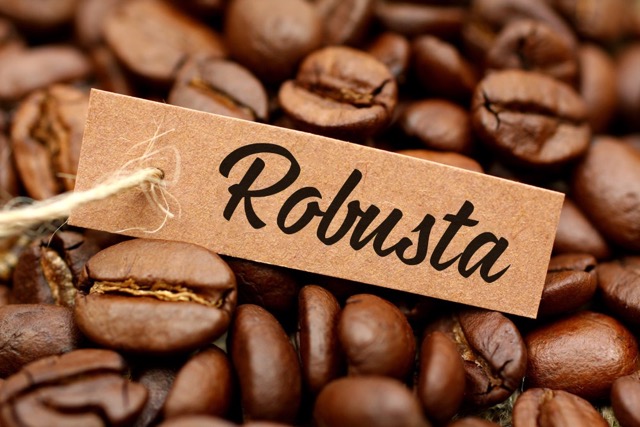
Mentioning Vietnamese coffee means mentioning Robusta Coffee – a name associated with the bold bitterness deeply ingrained in the subconscious of many Vietnamese coffee enthusiasts. Not mild like Arabica, Robusta chooses its own thorny and strong path. That is why it accounts for more than 90% of export volume, becoming the pride in every cup of bold Vietnamese coffee.
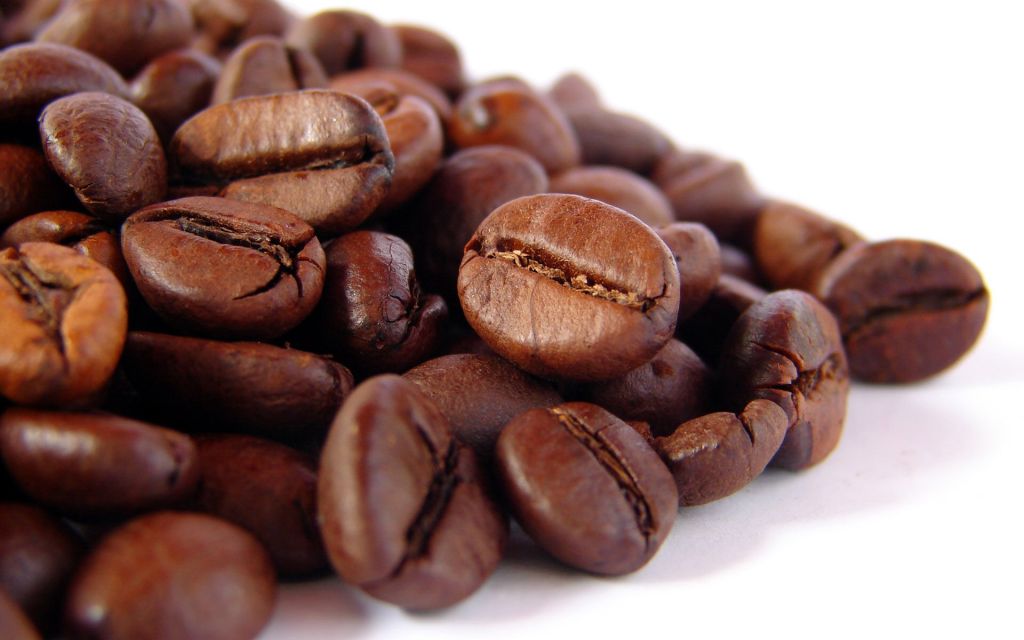
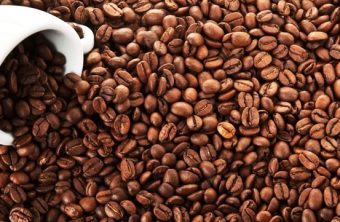
Robusta coffee is quite popular for its bold flavor (Image source: Internet)
Robusta (Coffea canephora) is one of the two most popular coffee types in the world, alongside Arabica. Robusta beans are round, smaller than Arabica, with a straight crease in the middle. The special feature of Robusta is its high caffeine content, which is twice as high as Arabica (about 2.2-2.7% compared to 1.2-1.5%), creating a strong bitter taste and a lingering aftertaste.
In Germany, Robusta Coffee is often remembered by coffee connoisseurs for its rich chocolate flavor. When extracted, this bean line makes a strong impression with its dark brown color, thick crema, and intense, seductive aroma. Meanwhile, for the Vietnamese, the original bold bitterness of Robusta creates an irresistible attraction, making it the soul of traditional phin coffee or the famous iced brown coffee (coffee with condensed milk).
Robusta Coffee was discovered and widely planted in the 1870s in Congo, and was introduced to Vietnam in the early 18th century. To date, Vietnam has become the world’s largest producer of Robusta. The main growing region is the Central Highlands, including Dak Lak, Lam Dong, Gia Lai, and Dak Nong, with a tropical monsoon climate, growing altitudes above 400m, and fertile basalt soil.
The natural conditions of the Central Highlands are ideal for Robusta: stable temperature of 20-30°C, suitable rainfall, and mineral-rich volcanic soil. Unlike Arabica, which requires an altitude above 1000m and a cool climate, Robusta adapts well to harsher conditions, has fewer pests and diseases, and yields twice as much.
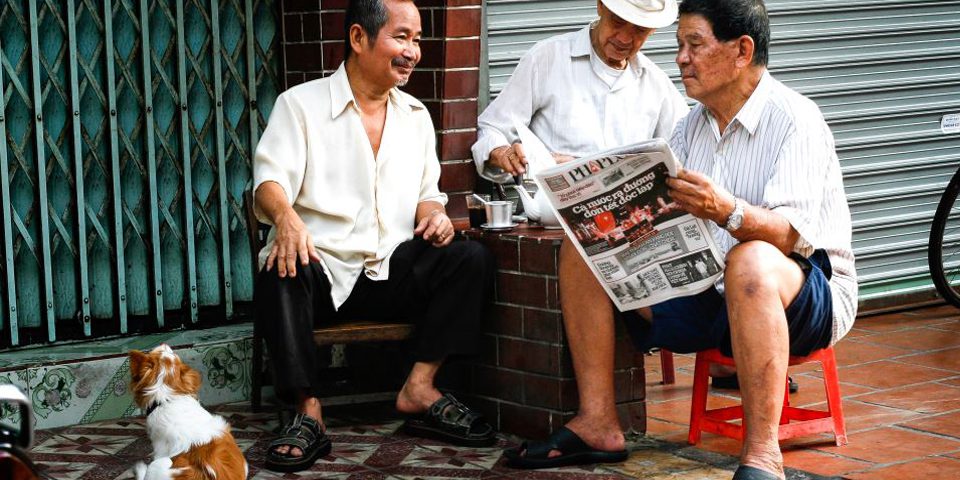
Coffee culture is an essential part of cafés and eateries in Vietnam (Image source: Internet)
For Vietnamese people, Robusta Coffee is not just a drink but a part of daily culture. The morning begins with a thick black phin coffee, sitting on the sidewalk reading a newspaper. The afternoon means meeting friends with iced milk coffee. Robusta suits the Vietnamese pace of life and taste: bold, strong, and providing alertness.
In the Central Highlands, coffee is closely tied to the lives of farmers. The harvest season from October to March of the following year is the busiest time. People pick ripe red coffee cherries and dry them under the sun, creating the signature flavor of Vietnamese Robusta Coffee.
Vietnamese Robusta stands out with three main factors:
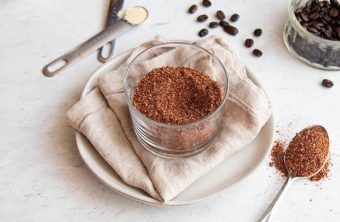
Compared to Arabica, which has a mild, subtly sour taste and complex aroma, Robusta offers a completely different experience. This is why many espresso blends worldwide add 10-30% Robusta to increase body and crema. Central Highlands Robusta Coffee is also highly regarded for its quality thanks to the traditional dry process, which preserves the natural flavor of the coffee beans.
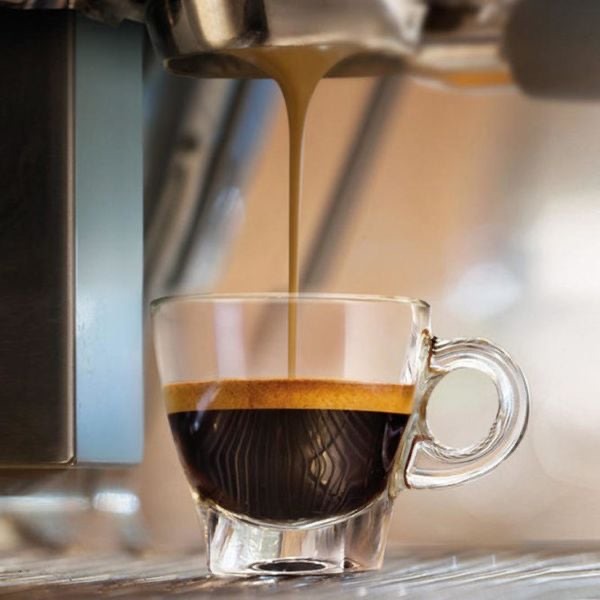
Coffee culture is an essential part of cafés and eateries in Vietnam (Image source: Internet)
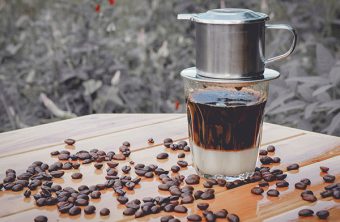
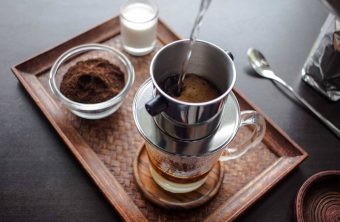
Roasted Robusta Coffee is best suited for the traditional phin brewing method: Put 2-3 tablespoons of ground roasted coffee into the phin, slowly pour boiling water, and wait 4-5 minutes for the coffee to drip. Drink pure black coffee to fully experience the deep bitterness, or add condensed milk to balance the taste. See more on how to properly brew with a phin here.
Robusta is also an excellent ingredient for espresso and iced milk coffee. Brewing espresso with a ratio of 70% Arabica – 30% Robusta creates a moderate boldness. For iced milk coffee, 100% Robusta provides the standard Vietnamese bitter taste, without being diluted when ice is added.¹
Ideal times: morning to start a new day, after lunch for alertness, or when needing to focus on work. Avoid drinking after 4 PM because the high caffeine content can affect sleep. If you are used to mild Arabica coffee, trying Vietnamese Robusta for the first time will be a completely different experience. The strong, bold bitterness might be surprising, but that is exactly the characteristic that Vietnamese people love.
The biggest challenge when trying Vietnamese Robusta in Germany is finding a quality supply source. Coffee that is roasted for too long or stored improperly will lose its aroma and its taste will fade, failing to show the true potential of Central Highlands Robusta beans.
To have a truly authentic Central Highlands Robusta Coffee in Germany, pay attention to three factors:
Good coffee is when you open the bag and smell a strong aroma, without any moldy scent. The roasted coffee beans have an even color and no impurities. When brewing, a thick dark brown crema is a good sign. Some Vietnamese brands in Germany, like VietNatur, provide roasted Robusta Coffee from the Central Highlands, ensuring freshness and stable quality.
Robusta is suitable for those who like a deep bitter taste, need quick alertness, and prefer phin coffee or strong espresso. Arabica is suitable for those who like a mild taste, complex aroma, and drinking coffee to enjoy slowly.
Is Robusta Coffee good for health?
Robusta contains a lot of caffeine and antioxidants, helping you stay alert and boosting metabolism. However, you should drink it in moderate amounts to avoid excess caffeine. A cup of Robusta Coffee (150ml) can contain about 150-200mg of caffeine, so you should not consume more than 300mg of caffeine per day.²
How to identify pure Robusta coffee beans?
To identify pure (unflavored/unmarinated) Robusta coffee beans, you can do a quick check through these 3 characteristics:
Quick Tip: Drop a few beans into a glass of filtered water. Pure beans will float for a long time because of their porous structure and lack of heavy impurities. Marinated beans usually sink faster or cloud the water immediately.
Is Robusta suitable for making cold brew?
Absolutely suitable. Cold brew from Robusta provides a bold taste, low acidity, and high caffeine. Steep for 12-24 hours in the refrigerator with a 1:8 ratio (coffee:water).
How should ground roasted Robusta coffee be stored?
Store in an airtight container, away from light and high temperatures. Keep in a dry place, and use within 1 month after opening the bag to preserve the best flavor.
Vietnamese Robusta Coffee is not just a type of coffee, but contains an entire culture from the Central Highlands region. The signature strong, deeply bitter flavor might not be everyone’s preference, but once tried correctly, you will understand why Vietnam has become one of the world’s largest Robusta producers. This is a bold and authentic coffee experience, worth exploring at least once.
At VietNatur, we bring a line of Robusta Coffee strictly selected from ripe cherries, completely wood-roasted to fully preserve the regional identity. No marination, no impurities – only the pure flavor of the Central Highlands heaven and earth in every cup of coffee you enjoy.
Let VietNatur accompany you in awakening all your senses. [Discover our pure coffee lines here]
(1) https://coffeeconcept.vn/blogs/bai-viet/vi-sao-quan-ca-phe-hien-dai-chon-pha-may-va-pha-phin
(2) https://vnexpress.net/nen-uong-bao-nhieu-ly-ca-phe-mot-ngay-4453410.html

Content-Mitarbeiterin