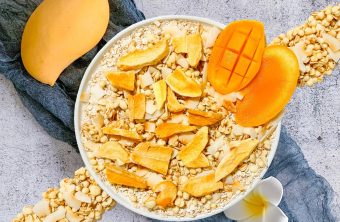
Muesli with Dried Mango: Breakfast Upgrade
Muesli has long been a popular breakfast choice in many households - thanks to its convenient preparation and balanced nutritional...
read more

FREE Express Shipping On Orders $99+

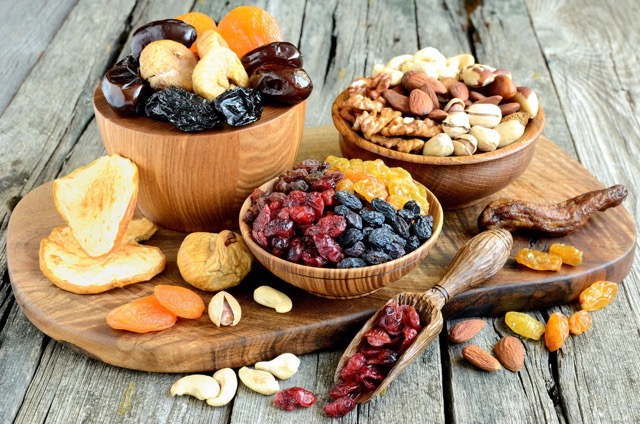
Dried fruit is becoming an increasingly popular snack choice, especially for busy individuals or those looking for an alternative to sugary and oily snacks. However, a common question remains: is dried fruit actually healthy? In this article, VietNatur will help you analyze dried fruit from a nutritional perspective, while also guiding you on which types are healthier and how to choose the right dried fruit for your needs.

The remarkable benefits of dried fruit (Image source: Internet)
Dried fruit is often considered a “healthy” snack, but to truly understand its value, you need to look at how it is made. Essentially, dried fruit is fresh fruit with most of its water removed through methods such as heat drying or freeze-drying. When water is removed, nutrients are not lost but concentrated into a smaller mass. This creates a significant nutritional difference compared to fresh fruit.
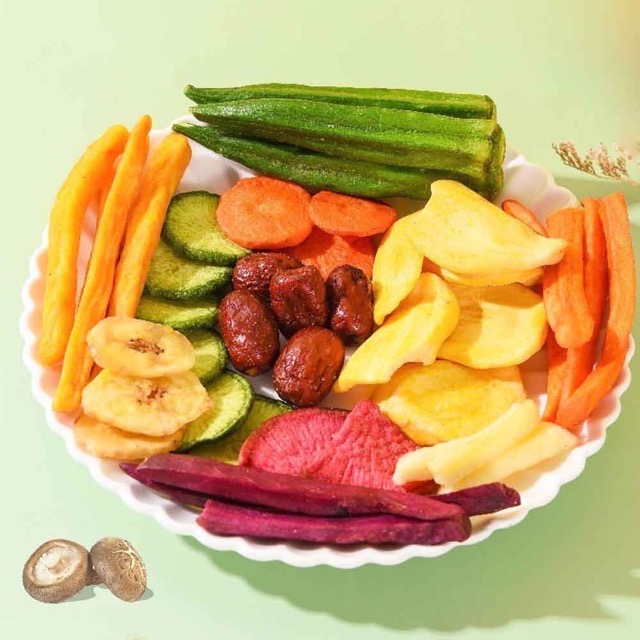
Dense levels of fiber and vitamins (Image source: Internet)
One reason dried fruit is so popular is its “nutrient density.” When water is removed, nutrients are concentrated, increasing nutritional value per gram. In fact, dried fruit can contain up to 3.5 times more fiber1, vitamins, and minerals than fresh fruit. This means even a small portion can contribute significantly to your daily nutrient intake.
One of the standout benefits of dried fruit is its high fiber content. Because nutrients are concentrated after dehydration, fiber per weight increases significantly:
Some dried fruits can provide around 10g of fiber per 100g2, making them an excellent source of dietary fiber.
While dried fruit is rich in micronutrients, the drying process affects vitamins differently:
This shows that dried fruit remains a valuable nutritional source, especially for convenience. However, it cannot fully replace fresh fruit and should be part of a balanced diet.
In reality, nutritional value depends heavily on the fruit type, processing method (dried vs. fried), and added ingredients. Some retain nearly all natural nutrients, while others contain added sugar or oil, making them similar to regular snacks.
Here are some good options to consider:

Eat in moderation to maximize benefits (Image source: Internet)
Dried fruit can be healthy—but only when consumed in the right amount. Because of its concentrated nature, overeating can lead to:
The market offers many options, but not all meet the “healthy” standard.
When buying dried fruit, consider:
If you are looking for dried fruit products, you can explore VietNatur.
So, is dried fruit healthy? The answer is yes—if you choose the right type and consume it properly. With its concentrated nutrients, dried fruit can be a convenient snack rich in fiber, vitamins, and minerals, suitable for a busy lifestyle.
However, the real benefits depend on product quality, ingredients (especially added sugar), and portion size. When chosen and consumed wisely, dried fruit can be a smart part of a balanced and healthy diet.
References: