

Muesli with Dried Mango: Breakfast Upgrade
Muesli has long been a popular breakfast choice in many households - thanks to its convenient preparation and balanced nutritional...
read more

FREE Express Shipping On Orders $99+

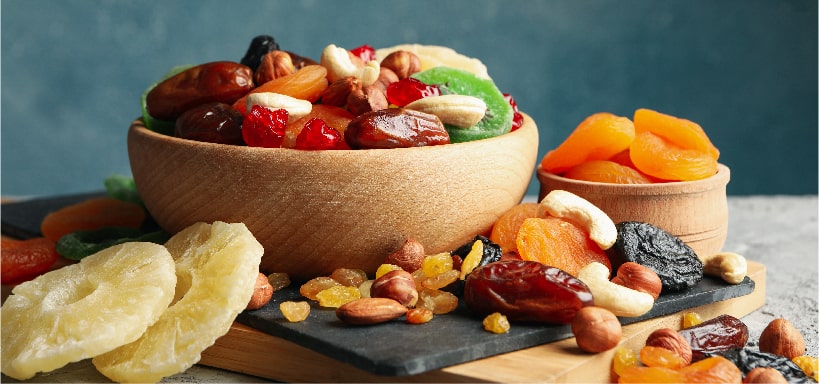
Dried fruits are becoming a smart snacking choice for many people, from office workers to those who want to eat healthier while staying convenient. But are calories in dried fruits high, and can they easily cause weight gain? If consumed properly, dried fruits can absolutely be a snack that is both delicious and helps maintain your figure. In this article, VietNatur will help you understand the nature of dried fruits and how to enjoy them comfortably without worrying about weight gain.
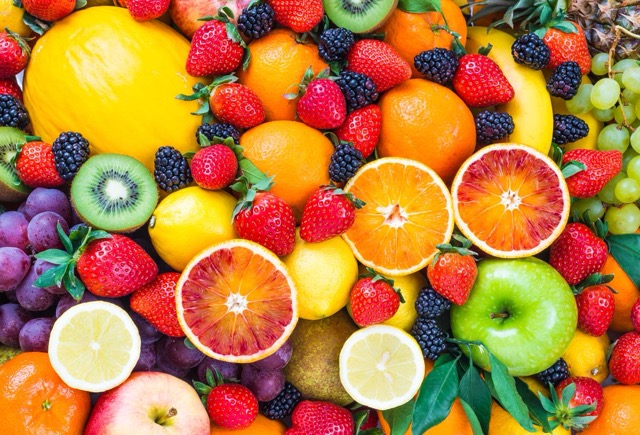
Dried fruits still contain as much energy as fresh fruits (Source image: Internet)
Fresh fruits contain a very high amount of water, typically accounting for about 80–90%1 of their weight. When dried, this water is almost completely removed, while the sugar and energy remain largely intact, meaning the calorie content is hardly reduced. This causes nutrients and calories to become “concentrated” in a smaller volume.
In other words, to produce a handful of dried fruit, a much larger quantity of fresh fruit is required. Therefore, when eating dried fruit, you are consuming more energy than you might initially perceive. For this reason, when comparing the same weight, dried fruits always contain more calories than fresh fruits.
Additionally, some products on the market have added sugar, syrup, or are fried in oil, which significantly increases the total calorie content. Therefore, when considering calories in dried fruits, it is important not only to look at the type of fruit but also the processing method and added ingredients.
Dried fruit is not a direct cause of weight gain—the key lies in how much and how you consume it. Essentially, dried fruits still retain many fibers, vitamins, and minerals from fresh fruits, making them a healthy snack option when used correctly.
However, because the water has been removed, nutrients and calories become more concentrated. As a result, for the same weight, dried fruits contain more calories than fresh fruits. This can make it easy to consume more than needed without realizing it. If eaten frequently in large portions, especially varieties with added sugar or oil, excess calories can accumulate and lead to weight gain.
On the other hand, when consumed in appropriate amounts and combined with a balanced diet and healthy lifestyle, dried fruits not only do not cause weight gain but can also help control sugar cravings and maintain energy levels throughout the day. Therefore, instead of worrying whether dried fruits “make you fat,” you should focus on choosing the right products and controlling portion sizes.

Key tips to stay in shape when eating dried fruits (Source image: Internet)
To make dried fruits part of a healthy diet, you need to change your approach: eat with control, not based on impulse. One of the simplest and most effective methods is the “handful rule.” Instead of eating directly from a large bag, take a small handful—typically about 25–30g2, which equals a reasonable snack portion. Once finished, stop instead of continuing to eat more.
Another important factor is product selection. If you are looking for healthy dried fruits, prioritize those without added sugar, syrup, or oil. These products retain the natural sweetness of the fruit and help you avoid consuming “hidden calories.”
In addition, how you combine foods also greatly affects weight control. If you eat dried fruit alone, natural sugars are absorbed quickly, making you feel hungry again soon, which may lead to repeated snacking.
In contrast, when combined with protein- or healthy fat-rich foods such as yogurt, nuts, or oats, digestion slows down. This helps you stay full longer and reduces the urge to snack frequently.
A very effective way to enjoy the benefits of dried fruits without gaining weight is to combine them with nuts. Nuts such as almonds, walnuts, and cashews contain healthy fats and protein. When eaten together with dried fruits, they help slow down sugar absorption into the bloodstream.
This not only helps you feel full longer but also stabilizes energy levels, preventing the “energy crash” that often occurs after consuming sweets.
You can prepare a simple mix of one part dried fruits and one part nuts, divide it into small portions, and take it with you. This is a practical solution for busy individuals, helping you control calorie intake while always having a healthy snack option instead of turning to candy or fast food.
More importantly, this approach allows you to manage calories effectively while still feeling comfortable, without the pressure of strict dieting.
You can refer to the simple recipe below:3
Ingredients
Instructions
Mix ingredients: Place all dried fruits and nuts into a large bowl. Use a spoon or wooden spatula to mix well until evenly combined.
Storage: Store the mixture in an airtight container. You can also divide it into small portions (about 2 tablespoons to ¼ cup) in snack bags or small containers for convenience. Keep in a cool, dry place and use within 1 month.
Suggested serving size: Each serving should be about 2 tablespoons to ¼ cup (~25–30g), providing enough energy without excessive calorie intake.
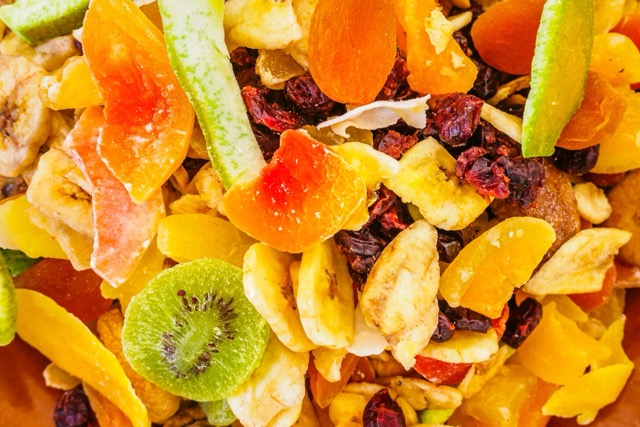
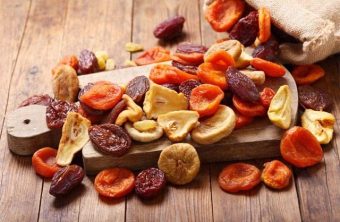
A list of healthy dried fruits you should know (Source image: Internet)
Not all dried fruits are the same. With the right choices, they can become part of a healthy diet—satisfying cravings while controlling calorie intake. Below are some popular and accessible options:
You can easily find these products at VietNatur, where they are selected based on natural criteria and suitable for daily healthy snacking.
Dried fruits are not “fattening foods” if consumed properly. The key is understanding their calorie nature and controlling portions. When chosen and combined wisely, dried fruits can become part of a healthy diet—helping satisfy cravings, maintain energy, and effectively manage weight.References:
(1) https://www.health.harvard.edu
(2) https://whitworths.co.uk/what-is-the-serving-size-of-dried-fruit/
(3) https://www.momables.com/trail-mix-with-dried-fruit/
Entdecke passende VietNatur Produkte zu diesem Thema.