Muesli with Dried Mango: Breakfast Upgrade
Muesli has long been a popular breakfast choice in many households - thanks to its convenient preparation and balanced nutritional...
read more

FREE Express Shipping On Orders $99+

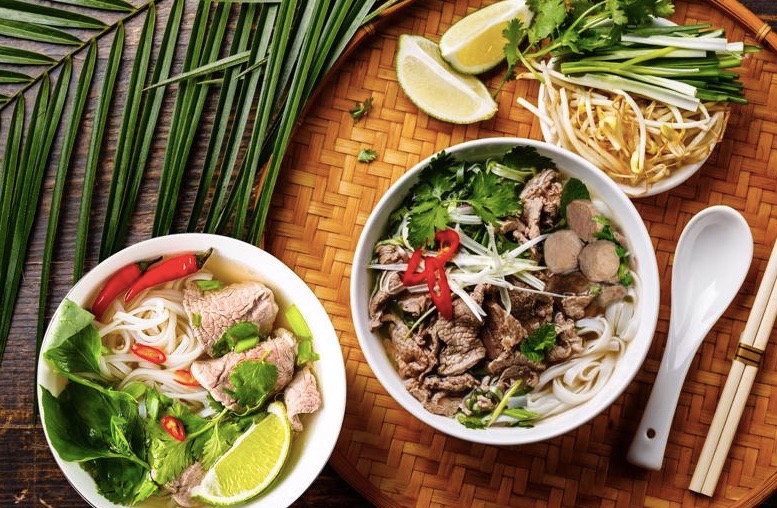
A steaming bowl of pho bo brings together the fragrance of roasted ginger and star anise, tender beef and soft rice noodles. In Hanoi-style pho, the broth takes centre stage. It should be clear, savoury and balanced, with spices that complement rather than overpower the beef.
This pho bo recipe shows you how to make Vietnamese beef noodle soup at home. The broth takes time, but slow simmering develops the depth of flavour that makes a good bowl of pho so satisfying.
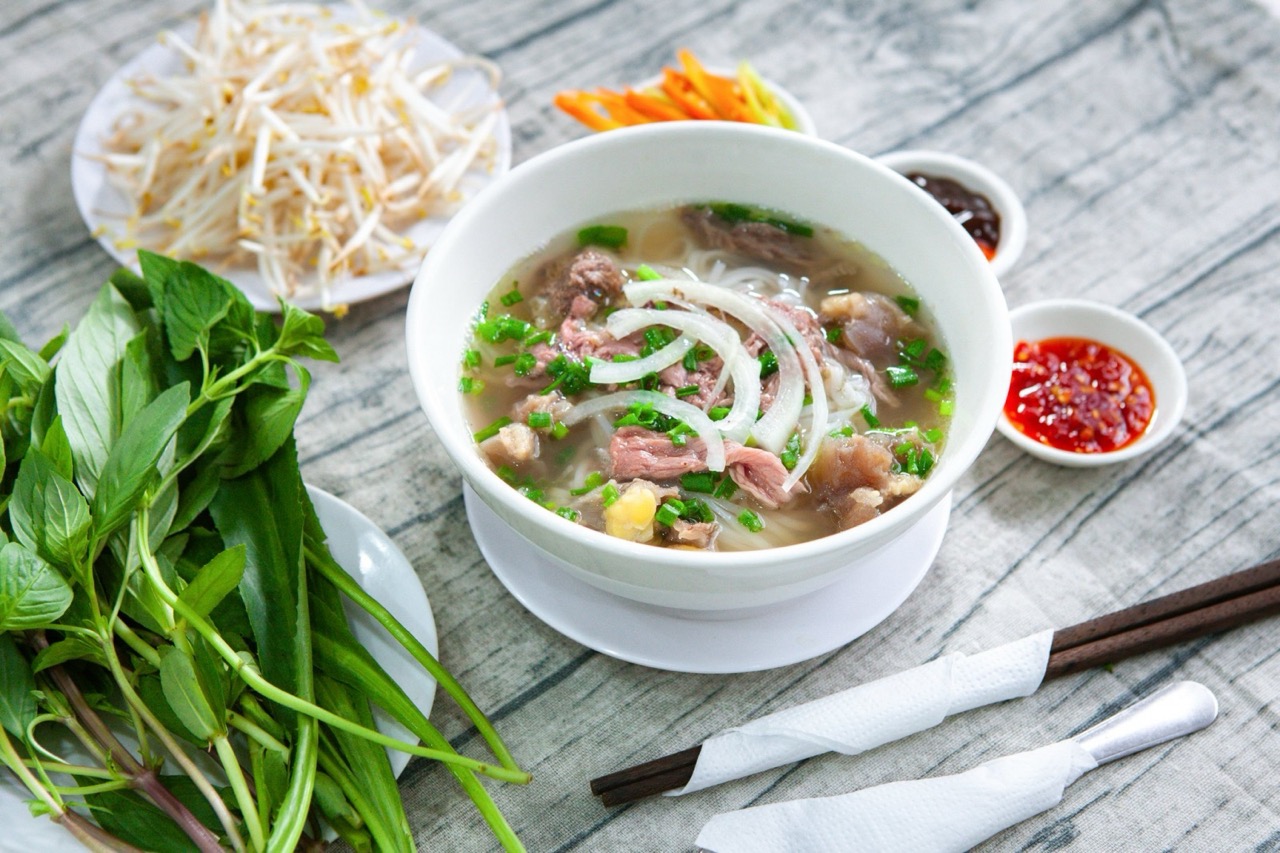
Pho bo is a Vietnamese rice noodle soup with beef. In Vietnamese, “bò” means beef. Its main components are an aromatic bone broth, flat rice noodles, thinly sliced beef, spring onions and fresh coriander.
The history of pho is closely connected to northern Vietnam, particularly Nam Dinh and Hanoi. Its exact origins remain debated, with different accounts suggesting Vietnamese culinary traditions alongside Chinese and French influences.
Regional styles also vary. Northern pho generally comes with fewer garnishes, while southern versions often include a wider selection of fresh herbs and accompaniments.
This recipe follows the clear, balanced flavour associated with Hanoi-style pho. Using both beef and pork bones and roasting the bones are choices specific to this version; recipes differ between households and kitchens.
The broth is savoury, with a gentle natural sweetness and a subtle spice aroma. Roasted onions and ginger provide the aromatic foundation, while cinnamon, star anise and black cardamom add warmth.
Thin slices of cooked beef, soft rice noodles and fresh herbs complete the bowl. Optional dried sá sùng add extra savoury depth, but you can still make a flavourful pho broth without them.
Several steps can overlap. While the bone broth simmers, you can cook the beef and prepare the remaining ingredients.
A note on beef cuts: Vietnamese names do not always correspond exactly to cuts sold by European butchers. Ask for well-marbled beef suitable for slow simmering that will hold its shape when sliced after cooking.
Soak the beef and pork bones in cold water for approximately 2 hours. Add a little coarse salt, crushed ginger and, if desired, a small splash of clear rice spirit. Keep the bones refrigerated while soaking.
Drain the soaking water. Blanch the bones in a large pot of boiling water for 5–7 minutes. Discard this water, then rinse the bones thoroughly to remove any remaining residue.
Arrange the drained bones on a baking tray. Roast at 200–230°C in a conventional oven for approximately 20–30 minutes, until lightly browned. Avoid burning them.
Roasting gives this version extra roasted flavour and a slightly deeper colour. For a lighter broth, you can skip this step.
Briefly blanch the beef in boiling water with a little salt and crushed ginger. You may also add a small splash of clear rice spirit.
Discard the blanching water and remove any visible residue from the meat.
Place the beef in another pot and cover it with fresh cold water. Add some of the ginger, 2–3 shallots and a little salt.
Bring to the boil, then reduce the heat. Simmer gently for approximately 1½–2 hours, skimming off foam regularly.
The beef is ready when a skewer slides into it easily, but the meat still holds its shape. Larger or tougher cuts may need more time.
Remove the cooked beef, let the steam dissipate briefly, then cool it promptly. Cover and refrigerate for approximately 2–3 hours. Chilling makes it easier to cut thin, even slices.
You can strain the beef cooking liquid and add some of it to the bone broth later, provided its flavour is balanced.
Halve the two onions. Roast them together with the remaining shallots and ginger in a dry pan or in the oven.
The onion surfaces and ginger skin can develop some char, but remove heavily burnt parts to prevent bitterness.
If you have clean coriander or spring onion roots, roast them briefly as well.
Toast the cinnamon, star anise and black cardamom in a dry pan over medium heat for approximately 2–3 minutes, until fragrant. Transfer them to a spice bag or a large spice infuser.
Place the prepared bones in a large stockpot. Add the roasted onions, shallots and ginger. If using sugarcane or dried sá sùng, add them too, preparing the sá sùng according to the supplier’s instructions.
Pour in enough cold water to cover the bones by approximately 5–7 cm. You will need around 7–8 litres, depending on the shape of your pot.
Heat slowly. Once the liquid begins to simmer, reduce the heat.
Let the broth simmer gently for 6–8 hours. Only small bubbles should rise to the surface. Skim off foam and excess fat regularly, and avoid stirring unnecessarily.
Leave the pot uncovered or partially covered. The key is to prevent a vigorous boil. Add a little hot water if too much liquid evaporates.
Add the spice bag for the final 1–2 hours to begin with. Taste occasionally and remove it once the spice flavour is strong enough.
Remove the bones, vegetables and spice bag. Strain the broth through a fine sieve into a clean pot without pressing the solids through.
If desired, add some of the strained beef cooking liquid. There is no fixed mixing ratio: adjust according to flavour and concentration.
Season gradually with salt, fish sauce and a little rock sugar if needed. Add the fish sauce towards the end of cooking.
The finished broth can taste slightly stronger than an ordinary soup, because the unseasoned rice noodles will soften its intensity.
Tip: Rock sugar is optional. The sweetness should remain subtle.
Prepare the pho rice noodles according to the package instructions. Use a separate pot to keep excess starch out of the broth.
Using a sharp knife, slice the chilled beef thinly, preferably across the grain.
Finely chop the spring onions, slice the additional onion very thinly and roughly chop the coriander. You can split the white parts of the spring onions lengthways.
Warm the serving bowls with hot water, then empty them.
Divide the rice noodles between the bowls. Arrange the sliced beef on top and add the onion, spring onions and coriander.
If the beef is still very cold, warm it briefly in the hot broth first. Ladle the very hot pho broth over the noodles and toppings.
Serve immediately with quẩy, chilli and garlic vinegar.
Beef bones, pork bones and suitable simmering cuts are available from many local butchers or can be ordered at a supermarket meat counter. Explain that you are making a long-simmered broth and need beef that can be sliced thinly after cooking.
Pho rice noodles, fish sauce, star anise and cinnamon are available from Asian grocery stores and specialist online shops.
For black cardamom, ask specifically for thảo quả used in Vietnamese pho. Green cardamom has a different aroma and is not an equivalent substitute.
Dried sá sùng are a specialist ingredient and may be difficult to find. Ask about availability beforehand, or simply leave them out. If shopping in Leipzig, contact an Asian supermarket before travelling specifically for these less common ingredients.
A vigorous boil or frequent stirring can disperse fat and fine particles through the liquid. Blanch the bones first, skim off foam and keep the broth at a gentle simmer.
A closed lid does not automatically make broth cloudy, but it can cause the liquid to boil more strongly if the heat is not adjusted.
No. Roasting adds extra flavour and a deeper colour. For a lighter broth, place the blanched bones directly into the stockpot without roasting.
Yes. Replace the pork bones with additional beef bones and adjust the water to suit the quantity of bones and the size of your pot. An all-beef broth also works well for pho bo.
No. They can add savoury depth, but they are not necessary for homemade pho. You can make this recipe without them.
Chilled beef is firmer and easier to cut into thin, even slices. Slice across the grain for a more tender texture.
The broth is clear and balanced, with a gentle spice aroma. The beef is tender, and the noodles are soft without becoming mushy. No single ingredient should dominate the bowl.
Yes. Both the broth and the beef can be prepared ahead.
Cool them promptly after cooking. Divide large quantities of broth into smaller containers to help them cool, then refrigerate.
Reheat the broth thoroughly before serving. Prepare the noodles and fresh toppings close to serving time, and assemble each bowl immediately before eating.