Best Hiking Snacks: Energy Foods for Outdoor Adventures
Hiking and trekking are outdoor activities that build endurance, improve physical fitness, and help recharge your mental energy. However, to...
read more

FREE Express Shipping On Orders $99+

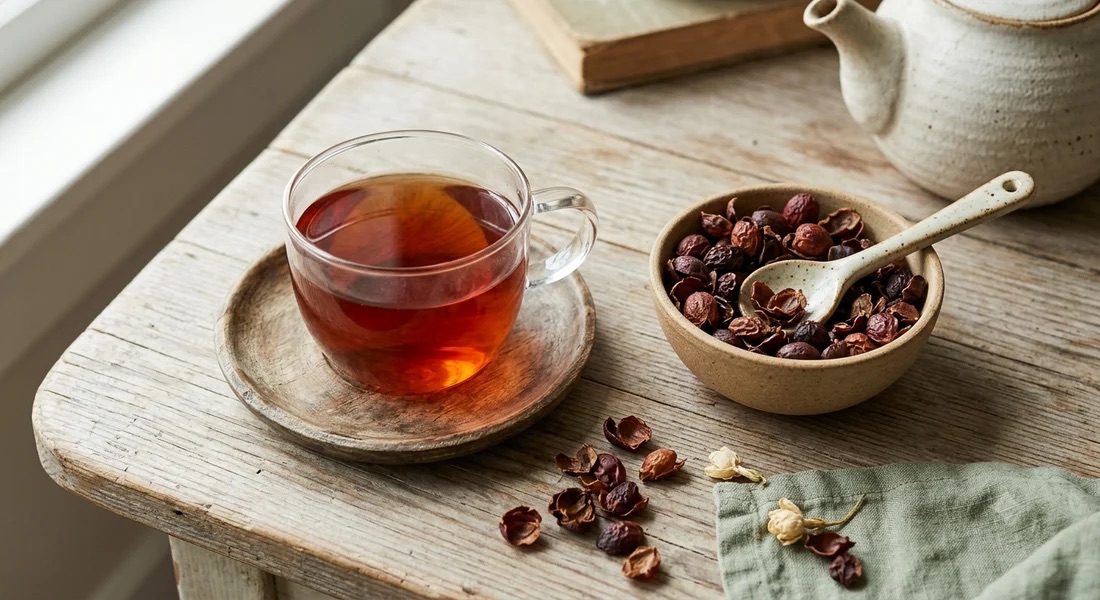
The fascinating intersection between its botanical origins and brewing method often leaves newcomers wondering what is Cascara tea. Although extracted and harvested straight from coffee farms, this finished product has a biological structure and sensory experience akin to herbal beverages. The following article provides an objective analysis of the definition, flavor profile, and notable nutritional potential that this product line offers.
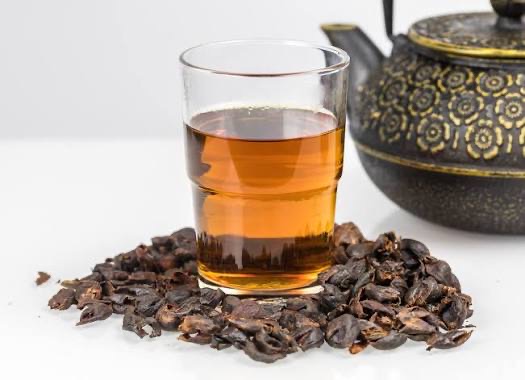
Cascara tea is made from the unique husks of coffee cherries (Image source: Internet)
To thoroughly understand the true nature of what is Cascara tea, we need to look at the basic anatomy of a fresh coffee cherry. In Spanish, the term “Cascara” simply means “husk” or “skin”. When the coffee cherry on the branch reaches perfect ripeness, its structure is divided into several distinct layers: the outermost skin (exocarp), the mucilage-rich flesh (mesocarp), the parchment, the silver skin, and the coffee bean located deep in the center.
Throughout a long period in the history of the beverage industry, the majority of focus was solely on exploiting the bean for roasting purposes. The skin and flesh, once extracted, were often considered agricultural byproducts. However, utilizing the dried fruit husk to brew with hot water has actually existed for centuries. In countries like Yemen and Ethiopia, indigenous people have had a tradition of naturally sun-drying the fruit husks and boiling them with local spices to create traditional drinks (often called Qishr or Hashara). This is a fascinating historical fact for anyone discovering what is Cascara tea.
In modern production processes, the input materials must strictly be cherries harvested right at their red-ripe stage. This ensures that the natural sugar levels (Brix degrees) in the fruit flesh reach an optimal level. Immediately following the extraction process using specialized equipment, the high-moisture fresh husks are transferred directly to the drying stage to prevent microorganisms from causing unwanted fermentation.
Processing facilities typically spread the fruit husks thinly on raised beds isolated from the ground. The design of these drying racks allows air to circulate thoroughly on both the top and bottom, helping the plant tissue release moisture slowly. The drying process is complete when the moisture level reaches a safe standard (ranging from 10% to 12%), the surface turns a dark plum red, and it achieves a stable, dry condition.
One of the most surprising aspects for consumers when exploring what is Cascara tea is the actual sensory spectrum this beverage delivers. Unlike the coffee bean, which must undergo high-heat processing (Maillard reaction) to develop a dark brown color and bitterness, the dried husk retains its rustic, original biological state. Consequently, a brewed cup of coffee cherry tea does not possess an intense bitterness, is not thick, and lacks the familiar smoky, charcoal aroma.
Instead, this drink opens up a pure flavor spectrum. Depending on the extraction ratio as well as the biological traits of each plant variety, the liquid’s color can range from a soothing amber yellow to an eye-catching ruby red. As soon as the dried fruit flesh comes into contact with hot water at the appropriate temperature, volatile organic compounds are instantly released, creating a very vibrant fruity flavor. Tasting experts frequently note the distinct presence of blueberry notes, dried cherries, blackcurrants, and a faint hint of wildflowers.
In terms of taste structure, professionals often compare this experience to premium natural fruit tea varieties. The most prominent element lingering on the palate is a bright, crisp acidity. This acidity is primarily formed from malic acid (similar to the tartness of green apples) or citric acid. As a result, it provides a tasting experience quite comparable to rosehip (Hagebutte) or hibiscus flower infusions. This elegant tartness is harmoniously balanced by the natural sugars present within the fruit tissue structure, leaving behind a smooth aftertaste.
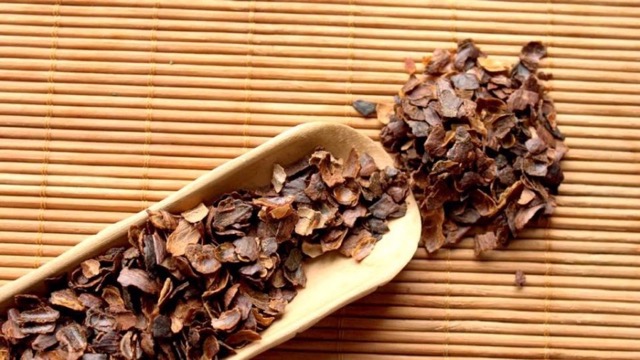
Discover the diverse flavor notes of Cascara tea (Image source: Internet)
Beyond its sensory intrigue, analyzing what is Cascara tea through the lens of nutritional science also reveals numerous notable physiological potentials. The outermost skin of the fruit essentially acts as a sturdy armor, tasked with protecting the fragile seed inside from radiation and the natural environment. Because of this, this plant tissue concentrates a massive amount of bioactive compounds, especially natural protective substances.
Numerous practical analyses have indicated that the dried fruit husk contains a quite stable concentration of polyphenols. Among these, the most prominent components are chlorogenic acid (CGA) and rutin. Polyphenol compounds play a foundational role in the mechanism of neutralizing free radicals. Although intensive pathological treatment effects always require further cross-referencing through long-term clinical reports, supplementing plant-based polyphenols is consistently viewed by nutrition experts as a positive step to help the body manage daily oxidative stress.
More notably, this product line is considered an ideal low-caffeine coffee alternative for individuals with sensitive constitutions. Despite existing within the same fruit structure, the natural caffeine distribution is primarily concentrated in the bean, whereas the fruit tissue contains a vastly lower percentage. A standard brewed cup only delivers a modest caffeine level. This gentle dosage is sufficient to improve work focus with fewer side effects like rapid heartbeat, jitters, or sleep cycle disruption.
Additionally, the dried husk also preserves several essential trace minerals like potassium, which supports maintaining electrolyte balance. The pH level of the solution is also more neutral compared to dark roast coffee, making it friendly to the user’s digestive lining.
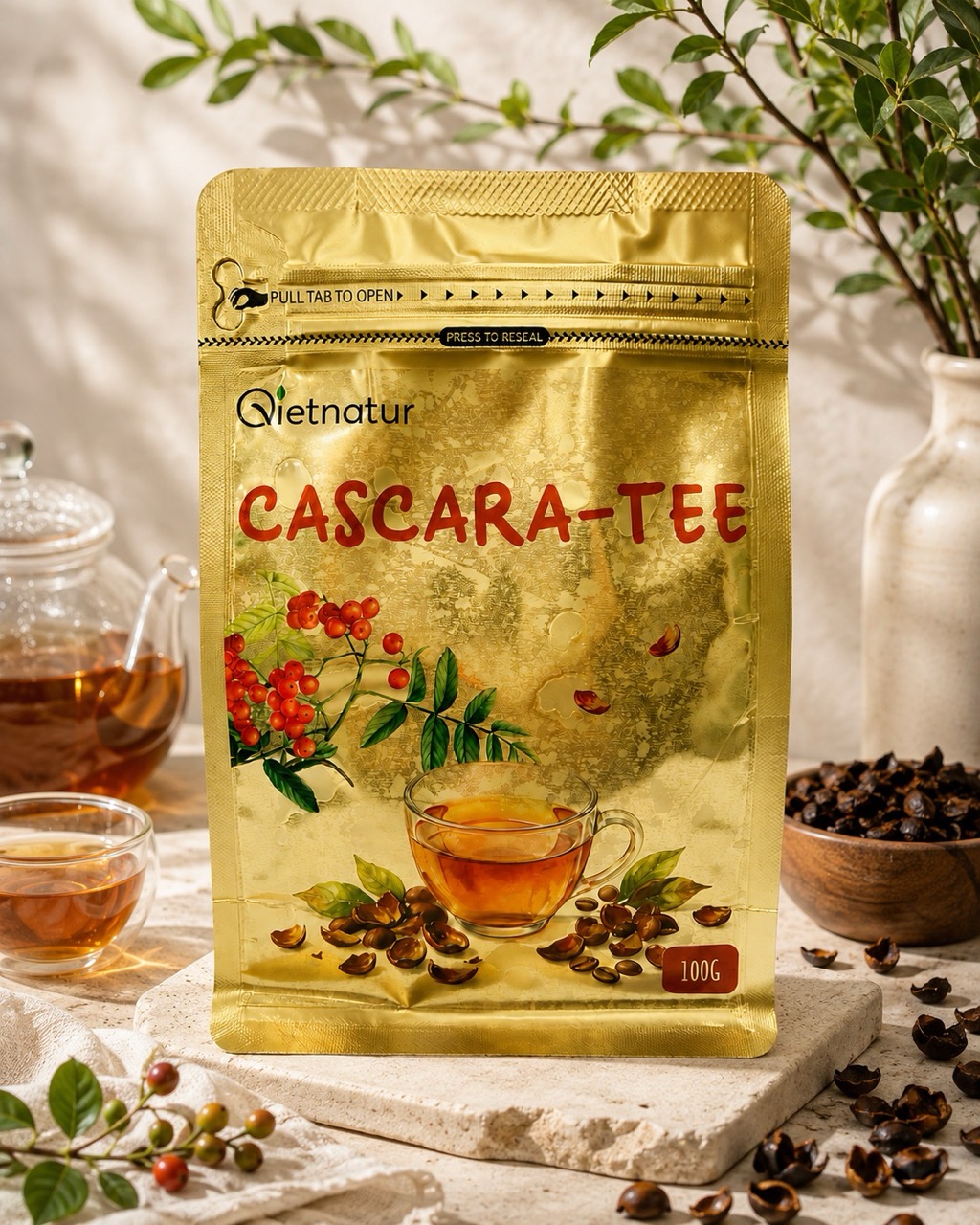
Cascara tea made from Arabica coffee cherry husks at VietNatur – definitely worth a try
Are you exploring what is Cascara tea and wishing to taste an authentic cup?
Try experiencing the Cascara tea product made from Arabica coffee husks by VietNatur.
The highlight that ensures the quality of VietNatur’s product lies in utilizing 100% Arabica coffee husks cultivated in the highlands of Vietnam. Botanically, the Arabica cherry is always rated higher due to its abundant natural sugars as well as the complexity of its acidity structure compared to the Robusta variety. This determines that the finished brewed water achieves a smooth sweet aftertaste along with elegant floral notes.
VietNatur’s production process is strictly monitored from harvesting to packaging. Only Arabica cherries that reach the appropriate ripeness are selected for husk extraction. The drying process of the fruit flesh is conducted in a closed, temperature-controlled environment. The slow-drying technique gradually draws out moisture, thereby limiting the formation of mold or biological toxins, while simultaneously locking in the natural flavor-forming compounds.
The product from VietNatur retains the original morphology of the husk, with a uniform color and standard moisture level, delivering a purely natural beverage experience that fully captures the crisp fruity flavor notes without using any industrial additives or artificial flavorings.
In conclusion, the answer to the question of what is Cascara tea does not stop at a biological concept, but also opens up a highly sophisticated style of enjoyment. Unlike the familiar bold flavor of roasted coffee, the dried husk brings forth an elegant beverage, standing out with bright tart notes, a mild sweetness, and a natural berry flavor profile.
With its natural antioxidant components and low caffeine content, this is a wholesome choice to refresh your daily drinking habit. To awaken your senses and fully appreciate this purity yourself, you can visit VietNatur and immediately experience the original Arabica Cascara tea product line, meticulously selected and processed by us.