Best Hiking Snacks: Energy Foods for Outdoor Adventures
Hiking and trekking are outdoor activities that build endurance, improve physical fitness, and help recharge your mental energy. However, to...
read more

FREE Express Shipping On Orders $99+


For those pursuing healthy eating in everyday life, counting every calorie can sometimes create unnecessary pressure. Vietnamese cuisine offers a more approachable perspective: listening to your body and combining foods according to their natural characteristics. By understanding how warming and cooling foods interact with the five basic flavors, you can easily create light, nutritious meals suited to the changing seasons in Europe.
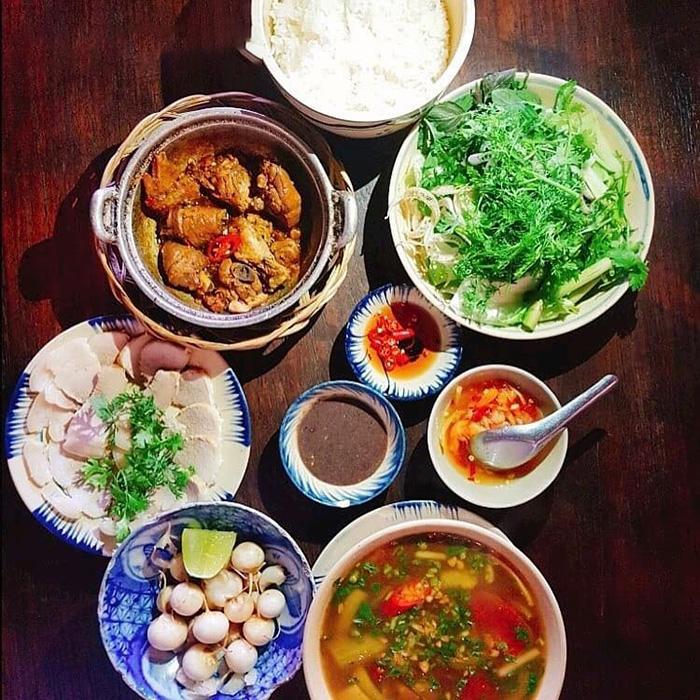
A Vietnamese meal combines vegetables, soup, and a variety of dishes for a naturally balanced dining experience. (Source: Internet)
If you have ever enjoyed a steaming bowl of Pho, a refreshing plate of fresh spring rolls, or a traditional Vietnamese family meal, you may have noticed how light and comfortable you feel afterward. Unlike many cuisines that rely heavily on creamy stews or deep-fried dishes, healthy eating in everyday life in Vietnamese tradition is based on a diverse, plant-rich meal structure and the natural balance between different ingredients.
In a typical Vietnamese meal, fresh vegetables, herbs, and soup take center stage alongside rice and savory dishes. Common cooking methods such as boiling, steaming, preparing fresh salads, or making light soups help preserve the freshness of ingredients without requiring excessive saturated fat. Vietnamese meals rarely consist of a single ingredient eaten on its own. Instead, food is often accompanied by fresh herbs, pickled vegetables, dipping sauces, or aromatic seasonings. This layered combination creates the characteristic harmony of Vietnamese cuisine, providing enough energy while avoiding an overly heavy feeling after eating.
At the heart of this balance lies the Yin-Yang nutrition philosophy, a longstanding concept influenced by Eastern culture that Vietnamese people have adapted in various ways to everyday life. According to this perspective, foods have different inherent characteristics:
One of the most interesting aspects of Vietnamese cuisine is the art of balancing opposing qualities so that no ingredient becomes too dominant. For example, boiled snails, which are considered cooling, are traditionally served with warming ingredients such as lemongrass, ginger, and chili. Similarly, cooling tofu is often prepared with lemongrass, chili, or spring onions to create harmony. These combinations are not based on rigid formulas but on generations of experience and observation of how the body feels after eating, helping people enjoy meals that feel comfortable and balanced.
Alongside Yin and Yang, the five flavors of Vietnamese cuisine play an essential role. Traditionally known as the Five Flavors, they are sour, spicy, salty, sweet, and bitter. Each flavor serves a distinct sensory purpose, contributing to the depth and complexity of a dish.
A traditional Vietnamese dipping sauce is a perfect example of how four or five flavors can come together: saltiness from fish sauce or soy sauce, sourness from lime, gentle sweetness from sugar, and warmth from garlic and chili. When all five flavors are balanced, a meal can feel satisfying without relying on excessive salt, refined sugar, or fat.

Warm vegetable soup is a comforting choice for cold-weather days. (Source: Internet)
Living in Germany means experiencing four distinct seasons. Autumn and winter, in particular, can be long, with low temperatures, limited sunshine, and cold, dry air that significantly affect daily habits and food preferences. During this time, the body often craves hot, energy-rich meals to stay warm. However, regularly relying on refined carbohydrates, rich cheeses, or processed cold cuts may leave you feeling heavy and can make it difficult to get enough fiber.
This is where the Vietnamese principle of seasonal eating becomes a practical and easy-to-follow inspiration. Rather than eating the same way throughout the year, Vietnamese people adapt their meals to the changing weather. In summer, sour soups, boiled vegetables, and refreshing drinks are preferred. As temperatures drop, meals become warmer, with more warming Yang ingredients and foods that provide sustained energy.
In Vietnamese kitchens during chilly days, four familiar spices often take center stage: ginger, lemongrass, black pepper, and cinnamon. Each brings its own aroma and warming character:
Using natural herbs and spices is also a smart way to reduce salt and avoid industrial sauces containing numerous additives in everyday cooking. This fits well with the growing interest in minimalist cooking and knowing where ingredients come from in Germany.
Alongside warming spices, Vietnamese nutrition during the colder months is characterized by a combination of locally available seasonal vegetables, herbal teas, and whole grains. In Germany, autumn and winter offer plenty of fiber-rich vegetables such as pumpkin, carrots, radishes, cabbage, broccoli, and various mushrooms. Prepared as a warm soup with a few slices of ginger or quickly stir-fried with garlic and black pepper, these local vegetables can bring familiar Vietnamese flavors to your table.
Grains and legumes also provide complex carbohydrates and plant-based protein. Instead of relying exclusively on white rice, alternating between brown rice, purple rice, or grain blends made from different seeds and grains can help you feel fuller for longer while adding natural micronutrients to your diet. After a meal or during a break, a cup of warm herbal tea instead of a cold drink or fizzy soda can help you stay warm and enjoy a relaxing moment.
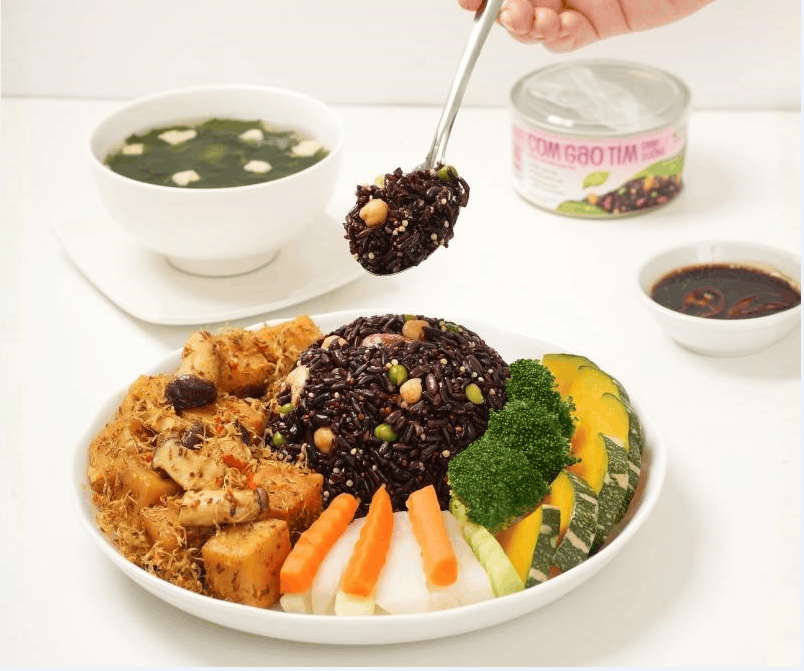
VietNatur products make it easy to prepare seasonal meals and warm beverages. (Source: VietNatur)
To put these principles into practice in your busy life in Germany without spending too much time preparing ingredients, you can make use of convenient Vietnamese-inspired foods and products. At the VietNatur Shop, you can find a selection of plant-based products, grains, and herbal drinks that make it easier to incorporate food pairing based on the Yin-Yang philosophy and the Five Flavors into your everyday routine.
Here are some ideas for combining foods throughout the day during the colder months:
On cold winter mornings in Germany, a warm drink combining sour, gently sweet, and mildly spicy flavors can naturally awaken your palate. Try mixing Apricot Syrup with Ginger and Perilla with warm water. The refreshing tartness of apricots, the warmth of ginger, and the distinctive aroma of perilla leaves create a harmonious drink that is comforting in both flavor and warmth.
For enough energy to work or study, you can also enjoy a warm cup of Green Grain Powder with Vegetables or Vietnamese Grain Powder with Nuts mixed with hot water. These blends offer gentle plant-based nourishment from grains, legumes, and vegetables. If you’re in a hurry, a Brown Rice Bar with Walnuts & Seaweed is another convenient option for on the go. It combines whole grains, the rich nutty flavor of walnuts, and a naturally savory note from seaweed.
For main meals, balancing plant-based protein, slow-digesting carbohydrates, and warm vegetables can help you stay full while feeling comfortable and light throughout the afternoon. Fried Tofu with Lemongrass & Chili is a great example of Yin-Yang food pairing: tofu is considered cooling, while lemongrass and chili are warming. Together, they create a flavorful dish that is satisfying without feeling overly rich.
You can serve this lemongrass and chili tofu with Nutrient-Rich Brown Rice with Legumes or a Purple Rice Blend, along with steamed leafy greens or broccoli sprinkled with a little black pepper. Another suitable option for a cold-weather dinner is Braised Lotus Root with Shiitake Mushrooms, served with hot rice. The delicate sweetness of lotus root and the warm aroma of shiitake mushrooms make a comforting combination.
In the afternoon, energy levels can dip and cravings for sweets may become stronger. Instead of reaching for candies or snacks high in refined sugar, you can enjoy a cup of hot tea, such as Soursop Tea or Vietnamese Cascara Tea. Both teas have a gentle fruity aroma and are not bitter. Their light acidity and natural sweetness make them easy to drink and perfect for a relaxing afternoon break.
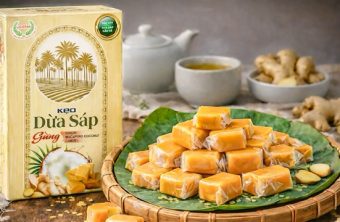
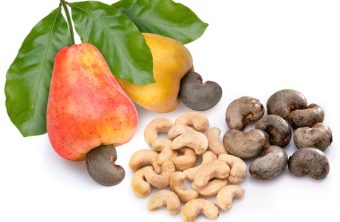
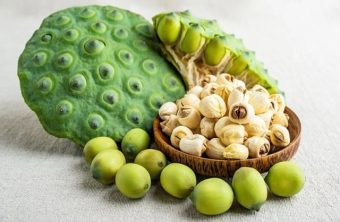
Pair your tea with a small portion of Dried Lotus Seeds with Coconut and Honey or Coconut-Coated Cashews. The combination of naturally sweet, rich, and nutty snacks with the gentle acidity of fruit tea creates a balanced, satisfying snack that doesn’t feel overly heavy, helping you maintain a regular eating rhythm until dinner.
| Time of Day | VietNatur Food Pairing | Yin-Yang Balance & Five Flavors |
| Morning | Warm apricot syrup with ginger and perilla + grain powder with nuts or brown rice bar with walnuts & seaweed | Sour, gently spicy, and mildly sweet; warming ginger paired with neutral grains |
| Lunch / Dinner | Fried tofu with lemongrass & chili or braised lotus root with mushrooms + brown rice with legumes / purple rice + steamed vegetables | Cooling tofu and vegetables balanced with warming lemongrass, chili, and black pepper; a combination of savory, spicy, and gently sweet flavors |
| Afternoon | Soursop tea / warm Cascara tea + lotus seeds with coconut and honey or coconut-coated cashews | The tea’s refreshing acidity and gentle fruity aroma balance the naturally sweet and rich flavors of the nuts |
The Yin-Yang philosophy and the five flavors – sour, spicy, salty, sweet, and bitter – are not abstract concepts. They are an art of observing and listening to your body through the food on your plate. By incorporating warming spices during colder months and combining a variety of vegetables, grains, and herbal teas, healthy eating in everyday life in Germany can become an enjoyable, gentle, and sustainable experience.
Note: The information on the Yin-Yang philosophy and the five flavors is presented from the perspective of traditional Vietnamese food culture and personal sensory experience. It is not intended as official medical advice.