Best Hiking Snacks: Energy Foods for Outdoor Adventures
Hiking and trekking are outdoor activities that build endurance, improve physical fitness, and help recharge your mental energy. However, to...
read more

FREE Express Shipping On Orders $99+

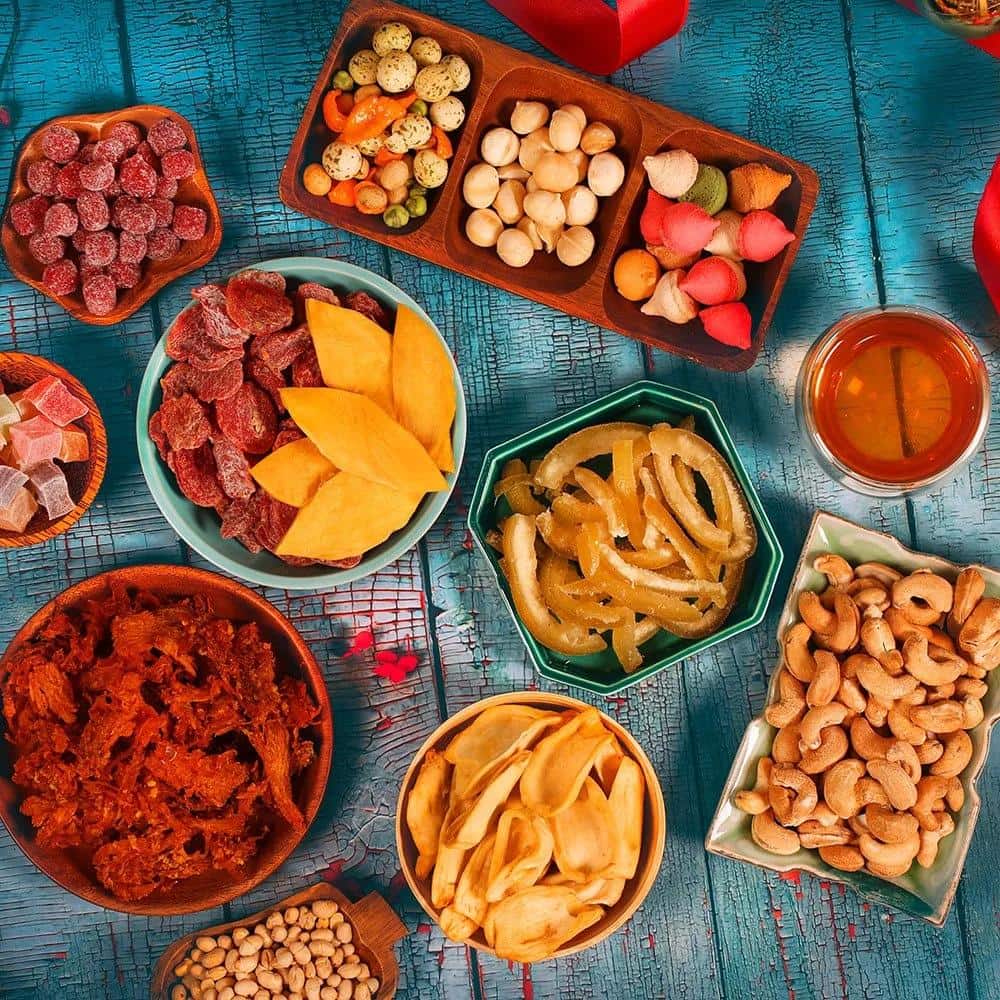
If you are looking for novel taste experiences while maintaining nutritional balance, Southeast Asian specialties are a suggestion worth considering. The world of Vietnamese sweets offers a distinct perspective, where the natural flavor of local agricultural products is respected and maximized. This article will analyze in detail the flavor profile and production process of typical dishes, helping you gain a more specific view of this cuisine.
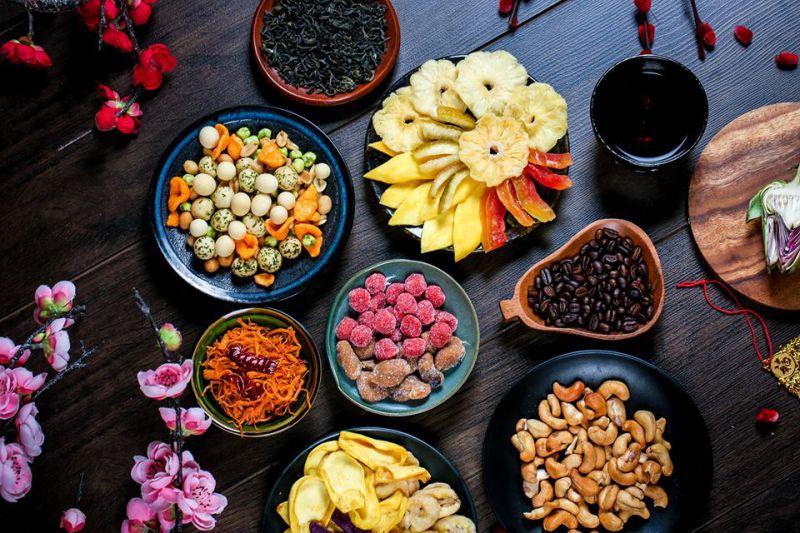
A variety of Vietnamese tropical snacks with diverse flavors. (Source: Internet)
In traditional culture, the appearance of sweet dishes is often associated with festivals, Lunar New Year holidays, or family tea sessions. Previously, many types of Vietnam sweets were known for their highly characteristic intense sweetness. This partly stems from a practical need: using sugar as a natural preservative to keep food for a long time in a hot and humid tropical climate.
However, the development of food technology and changes in eating habits have created a new generation of products. The sophistication of quality Vietnamese sweets today lies in their ability to balance taste. Instead of relying on artificial sweeteners or high refined sugar content, manufacturers focus on retaining the natural sweetness from the core ingredients themselves.
This shift forms a multi-dimensional category of Vietnamese snacks. Here, the refreshing sourness of fermented fruit, the nutty richness of nutritional seeds, and the mild astringency from herbs blend together harmoniously. Consumers are increasingly concerned about food origins and the amount of refined carbohydrates consumed. To meet this demand, the processing industry has extensively applied modern drying techniques, minimizing chemical intervention to protect the micro-structure and original aroma.
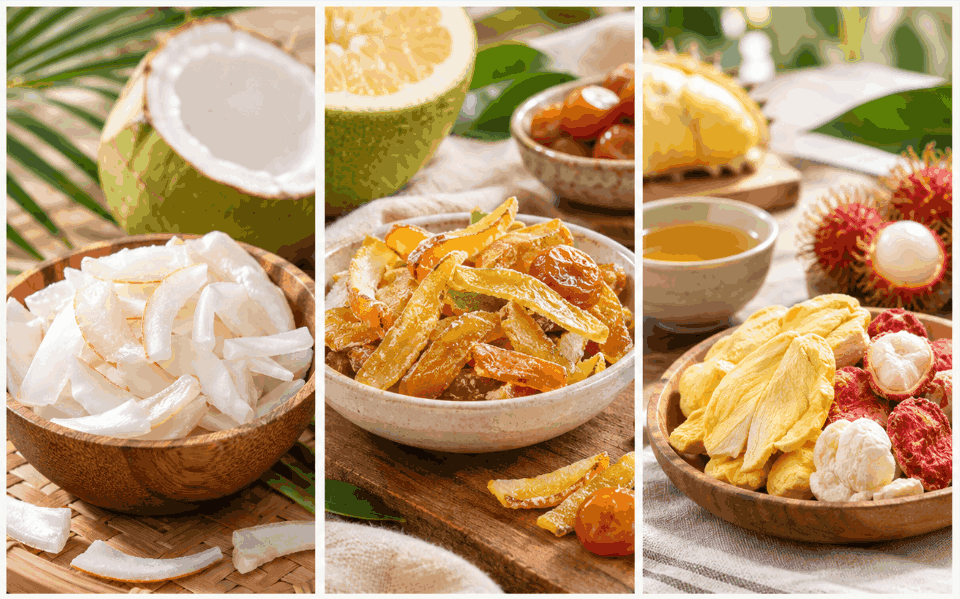
Vietnamese sweets made from fruits, nuts, and tropical specialties. (Source: Internet)
In the Southeast Asian culinary picture, tropical snacks always carry the strong imprint of each region’s soil. Biodiversity creates conditions for agriculture to provide specific ingredients, thereby forming exotic snacks with complex flavor profiles. Below are representatives reflecting the richness of this agricultural ecosystem.
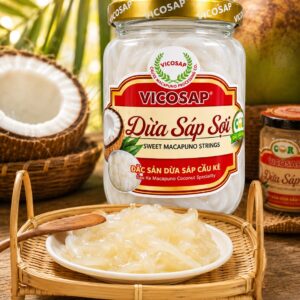
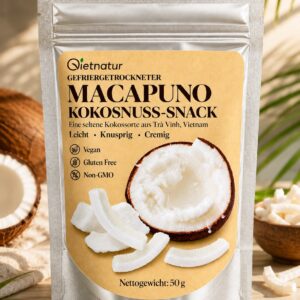
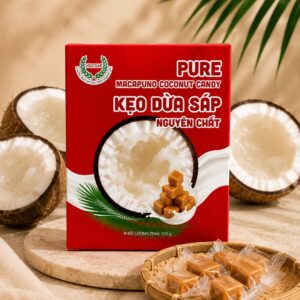
When mentioning local ingredients, macapuno (wax coconut) is a prominent name. This is a natural mutant coconut variety, grown primarily in the Cau Ke region of Tra Vinh province. Unlike normal water coconuts, the biological characteristic of this coconut variety is its thick, spongy, sticky meat with a high oil content, creating a natural richness. The coconut water inside is also viscous like a rustic jelly layer.
To optimize transportation and preservation when exporting to distant markets, Cau Ke macapuno is processed into convenient product formats. Popular forms include dried macapuno, freeze-dried macapuno yogurt, and chewy coconut candy. Modern processing techniques help extract moisture while preserving the plant fat structure, bringing a crispy and spongy sensation while maintaining richness when chewed. This approach offers an original choice, distinct from products using synthetic coconut flavoring.
Da Xanh pomelo from Ben Tre has long been famous for its thick rind, containing an abundant natural essential oil content. In its normal raw fresh state, pomelo peel carries a characteristic bitter and spicy taste, hindering direct consumption. However, through careful processing, this raw ingredient brings a fascinating taste experience.
At VietNatur, the dried pomelo peel product line applies a meticulous processing procedure. Pomelo peel is combined with salted apricots and undergoes a fermentation process lasting for 6 months. This slow fermentation process plays a role in breaking down bitter compounds; at the same time, the salty and sour taste of salted apricots slowly permeates, soothing the harsh spiciness of the essential oil. The finished product uses no added sugar or artificial flavorings. The harmonious intertwining of the surface coolness, the saltiness of the salt, and a hint of gentle sourness creates a unique Vietnamese sweet, bringing a pleasant sensation to the throat.
Dried Pomelo Peel with Salted Apricot
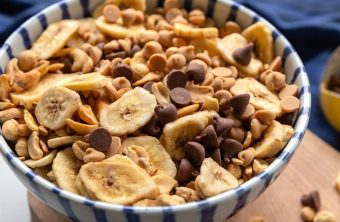
Besides fruit lines, local nuts are also a familiar ingredient in the list of light meals. The honey coconut coated cashew product is a testament to the practical and compact Viet snacks processing technique (ready-to-eat).
Vietnamese cashews are known to the international market for their natural nutty richness and firm texture. When coated with a thin layer of a mixture of chewy coconut and pure honey, the cashew nut becomes crispier, has a mild sweetness, and is easy to eat. A point to note in the production process is the strict control of roasting and drying temperatures. The temperature needs to be adjusted at a moderate level so that the honey coating does not become overly caramelized, helping the cashew retain its natural golden color and the oil structure from being altered. This Viet snack is a suitable choice for quickly replenishing energy.
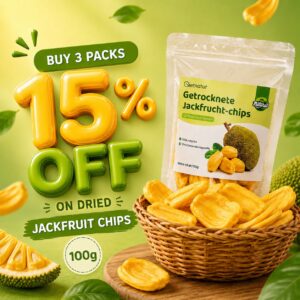
Dried jackfruit is one of the unique tropical snacks, always retaining its appeal thanks to its characteristic flavor. The strictly temperature-controlled processing helps the jackfruit segments release moisture optimally, creating a crispness while retaining the characteristic natural sweetness.
Thanks to the standard processing method, the product retains its original bright yellow color and the faint natural aroma of ripe jackfruit. This brings a light, full-flavored snacking experience that is friendly to the digestive system.
For fruits with high moisture and soft textures like rambutan or durian, freeze-drying technology is an appropriate processing solution. This method performs the dehydration process in a vacuum environment at deep negative temperatures, helping ice crystals sublimate directly from a solid state to a gaseous state.
Thanks to this mechanism, the fruit does not shrink or change its cellular structure. Dried rambutan preserves its elegant sweet and sour taste along with its juicy flesh texture. Meanwhile, dried durian fully retains its characteristic rich and nutty flavor; the original strong aroma is naturally mellowed after the sublimation process, helping even those tasting it for the first time to easily accept and enjoy it. This processing avoids the abuse of preservatives, helping users experience the natural flavor safely.
As consumers proactively reduce their daily intake of refined carbohydrates, the brown rice cereal bar is a practical snacking option. The highlight of this product is the brown rice base (accounting for 65%) combined with a rich proportion of nuts such as cashews, almonds, pumpkin seeds, and walnuts. This blend not only brings a natural crispy and spongy texture but also creates a diversity of textures when enjoyed.
Instead of using industrial malt or corn syrup, the product uses a small amount of honey (3%) to help create adhesion and bring a gentle sweetness. The flavor highlight also comes from the presence of seaweed and a little refined salt, helping to balance the overall profile toward a harmonious salty-sweet direction. With a clear ingredient list, this snack provides a stable energy level, rarely causes a heavy stomach feeling, and is very suitable as a mid-day light meal for people with busy schedules.
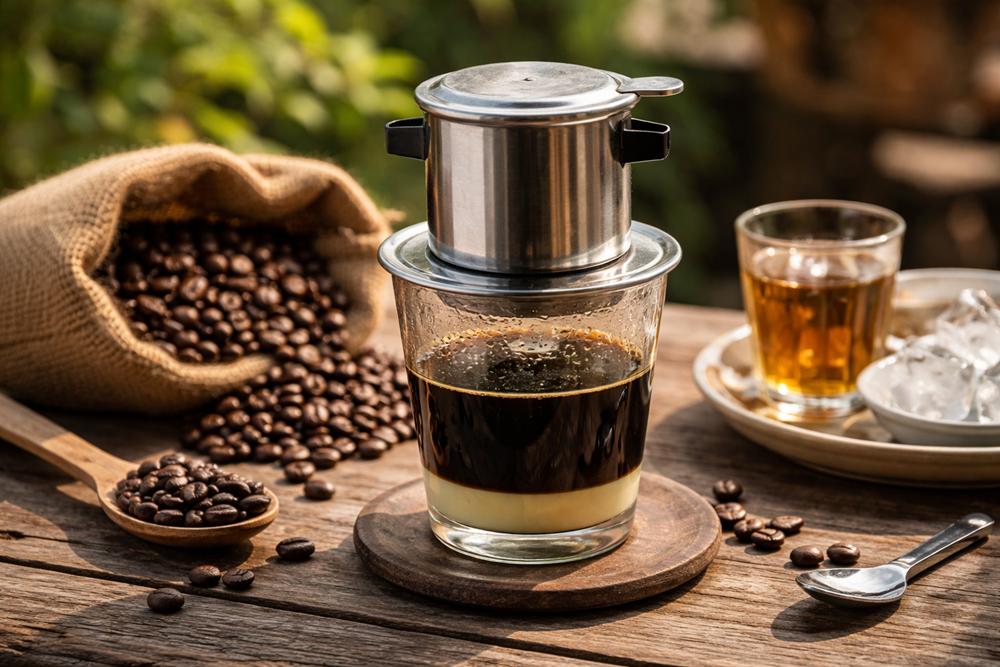
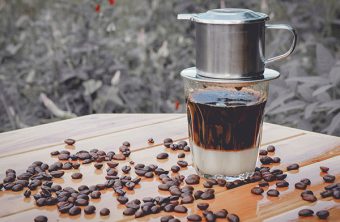
Vietnamese phin coffee – a distinctive feature of local coffee culture. (Source: Internet)
For the culinary experience journey to be more complete, choosing a paired beverage is a noteworthy factor. The richness of nutritional nuts or the spicy sourness of pomelo peel will become more harmonious when accompanied by beverage lines with a bitter or slightly astringent structure.
100% pure Robusta coffee from the Gia Lai and Dak Lak highlands is a suitable pairing suggestion. With natural caffeine content, rich bitterness, and a rustic crema layer, this traditional phin-filtered beverage acts as an effective palate cleanser. Coffee helps neutralize and soothe the lingering sweetness on the surface of the tongue. The contrast between the bitterness of rustic roasted Robusta beans and the gentle sweetness of fruit preserves creates a state of balance when you enjoy Vietnamese sweets.
Besides coffee, Cascara tea is also a sustainable pairing choice. This type of tea is produced from the very husk of ripe Arabica coffee cherries, through a meticulous microbiological control process.
The production steps start from optical color sorting, washing through an RO water filtration system, putting into a depulping machine, and conducting fermentation for 8 hours. Finally, the fruit husks are dried and heat-roasted to completely stop the fermentation process. Cascara tea water brings a gentle sour taste similar to temperate fruits, is very friendly to the stomach, and is suitable for drinking with various snacks.
Searching for and deciding to buy Vietnamese sweets in markets with strict food management regulations requires consumers to be equipped with specific evaluation criteria. This helps ensure you choose the right original products, meeting hygiene safety standards and transparency.
First, the ingredient list and communication message of the brand need to be clear. Prioritize products using neutral descriptive words, proven by actual parameters. At the same time, it is necessary to stay away from products with exaggerated health promises. Natural snacks bring benefits thanks to their original micro-structure; they act as supporting foods and do not have a medical treatment function to replace medication.
Second, the geographical origin of the core ingredients needs to be accurately identified. The manufacturer noting the origin of ingredients, such as Cau Ke macapuno or Ben Tre Da Xanh pomelo, shows the level of control in the agricultural supply chain. Besides, the packaging specification plays an important role. Packaging types like sealed zip bags or vacuum sealing are necessary technical standards to protect dried products from natural oxidation phenomena.
Finally, clarity about the legal entity information of the distributor will make the shopping process safer. Looking to the official distribution channels of the brand helps you easily trace the origin of actual documents. This transparency demonstrates the brand’s responsibility and protects the legitimate rights of buyers.
In conclusion, exploring East Asian cuisine will be more diverse when you learn about the world of Vietnamese sweets. From the rustic creamy texture of dried macapuno, the cool spiciness of salted apricot fermented pomelo peel to the melting crispness of vacuum-dried jackfruit, each dish reflects a careful processing procedure to retain the original structure. By choosing products with transparent origins and limited additives, you can enjoy native flavors in the most complete and peaceful way.
Entdecke passende VietNatur Produkte zu diesem Thema.