Best Hiking Snacks: Energy Foods for Outdoor Adventures
Hiking and trekking are outdoor activities that build endurance, improve physical fitness, and help recharge your mental energy. However, to...
read more

FREE Express Shipping On Orders $99+

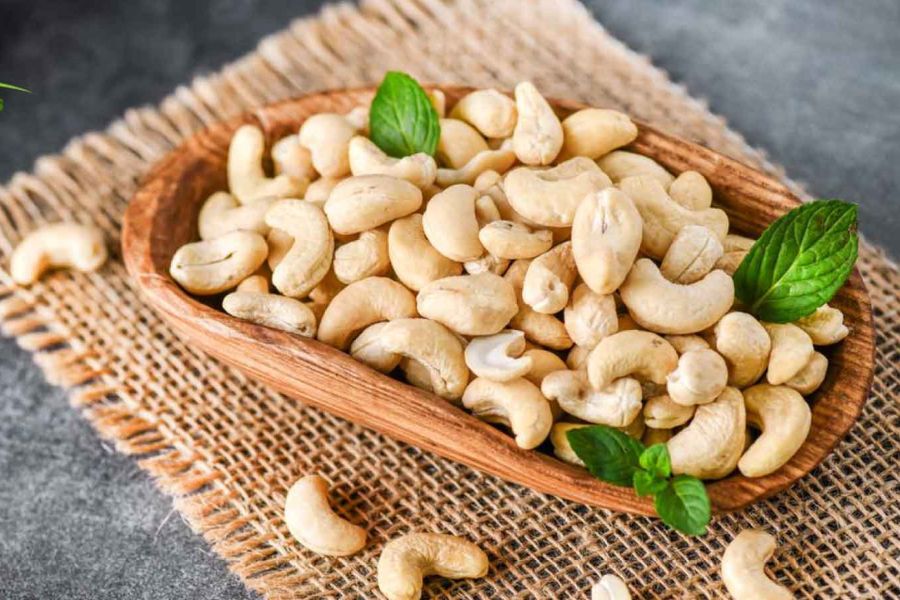
In reality, the perspective that cashews are good for health stems from the diverse nutritional structure of this food. Although many people are concerned about their relatively high calorie content, experts still frequently classify them as healthy foods. Instead of using exaggerated claims about a miraculous superfood, this article will objectively analyze the scientific basis to properly evaluate their potential, helping you build the most balanced and scientific menu.
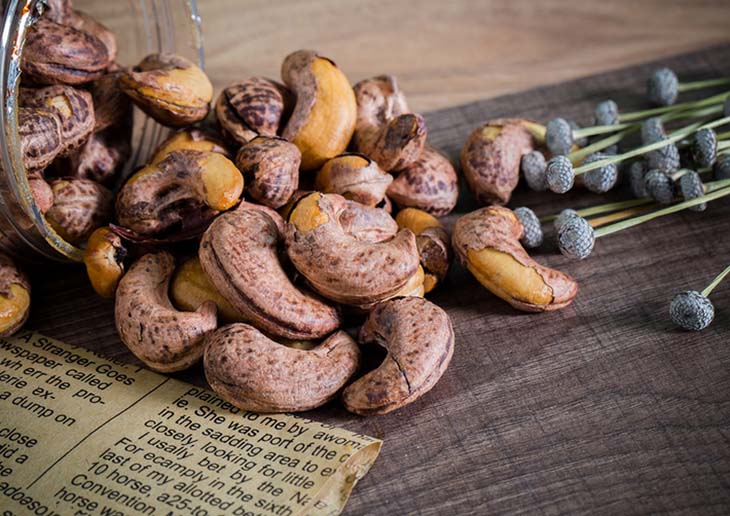
Cashews provide many nutrients the body needs for its daily functions (Source image: Internet)
Cashews (scientifically named Anacardium occidentale) are one of the most widely consumed nuts globally, especially popular in tropical countries. Unlike outdated beliefs that eating nuts with high lipid content only provides empty calories and easily causes weight gain, modern food science has painted a completely different nutritional picture. To comprehensively evaluate this, we need to analyze both the macronutrients and micronutrients of this ingredient.
In a standard reference serving, equivalent to about 28 grams (or 1 ounce), cashews provide about 157 calories of energy. This amount comes with a reasonable balance of about 5 grams of plant-based protein, 9 grams of complex carbohydrates, and 12 grams of fat. This amount of plant protein provides essential amino acids, creating raw materials for the processes of maintaining and repairing tissue in the body. Thanks to this, they become a popular component in plant-based diets. However, the most important highlight lies not only in the macronutrients but is also hidden within an incredibly rich trace mineral system.
One of the most prominent minerals found in cashews is copper. Although the body only needs a small amount, copper plays an indispensable physiological role. This mineral is directly involved in the biological processes of synthesizing collagen and elastin – essential protein structures that help shape and maintain a solid connective tissue network, including the structure of the vascular system.
Alongside copper, magnesium is also a highly valuable nutritional factor. Magnesium participates in hundreds of natural biochemical reactions taking place inside human cells every day. Physiologically, magnesium contributes to supporting the regulation of vascular tone. Supplementing foods containing this natural mineral source is a positive habit, creating favorable conditions for the circulatory system to maintain a harmonious rhythm of activity.
Besides, cashews also provide zinc, phosphorus, iron, and B-group vitamins. Precisely because of their comprehensiveness in supplementing these micronutrients, many nutritionists believe that cashews are good for health on a foundational level. When the body is provided with a sufficient nutritional framework, functional organs will have a more stable biological environment to operate persistently under the pressures of the natural aging process.
When discussing any food that impacts cardiovascular health, the fat component is always the factor subjected to the most rigorous analysis. Contrary to animal fats or fast foods containing a lot of saturated fats, the lipid content in cashews has a completely different structure. Food analysis shows that the majority of this fat belongs to the unsaturated fats group, with the prominent appearance of oleic acid (a type of monounsaturated fat – MUFA) accounting for about 60.7% of total fat, combined with a significant amount of linoleic acid (polyunsaturated fat – PUFA).
Medical nutrition science has long recommended that people replace a portion of saturated fats in their menus with unsaturated fats to build a healthier diet. The reason is that these plant-based fatty acids help the body manage metabolism and blood lipid profiles in a positive direction. But when applied in practice, how does the effect unfold in patients?
A reputable controlled clinical trial published in 2017 by Mah and colleagues provided a valuable perspective. This trial applied a crossover design on 51 participants, lasting for 28 days. The research team asked participants to replace traditional snacks rich in refined carbohydrates (specifically potato chips) with cashews. The results noted that the cashew-consuming group had a greater decrease in total cholesterol and LDL-cholesterol (commonly known as bad cholesterol) levels compared to the control group.
However, in scientific evaluation principles, we need to look comprehensively at various data streams. In reality, overall clinical trials yield results that are not entirely consistent. A prime example is another trial conducted in 2019 (Baer et al.), in which participants consumed 42 grams of cashews daily continuously for 4 weeks. The results of this study did not record any significant differences in blood lipid concentrations, blood pressure, or cardiovascular biomarkers compared to the control group. The discrepancy between these reports indicates that the impact of food depends greatly on the overall daily diet, genetic background, and the specific design of each study.
Mah’s 2017 study reinforces the view that prioritizing healthy fat sources can bring about positive changes. However, it should be noted that positive results from a small-scale trial cannot broadly represent all physical conditions. Even so, current clinical data remain a reasonable basis to suggest that cashews are good for health overall and have the potential to support cardiovascular function, especially when applied according to a scientific and controlled roadmap rather than being overused.
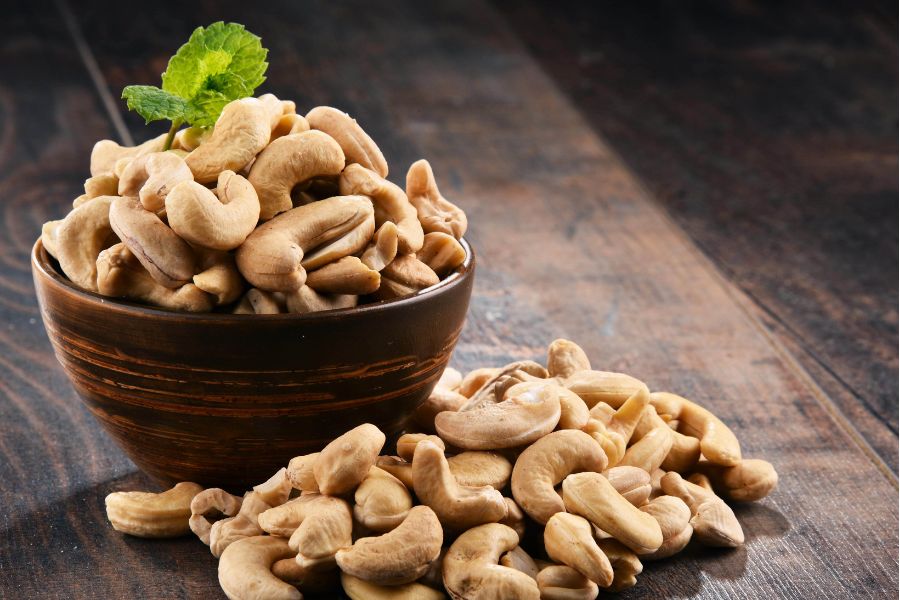
Choose plain, dry-roasted cashews as part of a healthy diet (Source image: Internet)
Despite containing many precious nutrients, the immutable rule of every nutritional regimen is always moderation. Any single food, no matter how purely natural its origin or how many benefits it brings, can produce unwanted changes if consumed beyond the body’s essential needs.
The nature of nuts is that they have a quite dense calorie density. If you snack unconsciously, the total calorie intake can easily exceed the limit. Prolonged excess energy will lead to fat accumulation and overweight – one of the major barriers putting pressure on the circulatory system. Therefore, nutritional guidelines often recommend that adults use the 28 to 30 grams per day mark as a reference portion (equivalent to about a small handful, depending on the actual size of the nuts). Maintaining this reference level will contribute a reasonable amount of unsaturated fats and trace minerals to the body while making it easier for you to control your energy intake.
A smart practical method to ensure cashews are good for health is to apply the principle of energy substitution. Instead of treating nuts as an added food to your total daily food intake, use them to directly replace less healthy snacks, such as industrial biscuits or sweet candies. This switch helps keep the total calorie count unchanged, but the nutritional quality of the meal is significantly upgraded.
Besides quantity, the preparation method also plays a core role. Consumers should be cautious with industrially salted roasted nut products. The frequent consumption of foods high in sodium from seasonings is closely related to blood pressure issues in individuals with sensitive constitutions. Therefore, prioritizing original flavor dry-roasted nuts, or natural products with light seasoning, will help you gain a better understanding of how food interacts, thereby proving that cashews are good for health in a sustainable way.
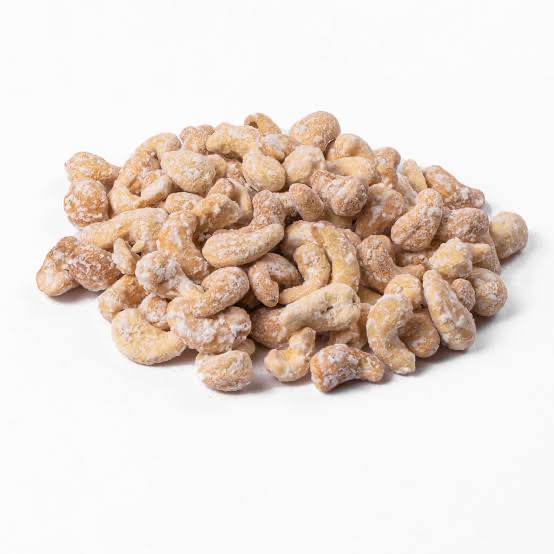
Coconut-coated cashews offer a distinctive taste and many essential nutrients (Source image: Internet)
Maintaining a scientific eating habit requires flexibility, because repeatedly consuming a plain original flavor roasted nut every day can easily cause palate fatigue. Seeking new culinary blends is a natural need, helping consumers maintain the habit of nutritional supplementation in a long-term and enjoyable manner.
VietNatur’s honey and coconut-coated cashews snack product is an interesting combination designed to enrich your snacking options. In the structure of this food, the original nut still serves as the core foundation, providing plant-based protein and the characteristic unsaturated fats. The highlight that creates the difference is the layer of toasted coconut and a thin coating of honey on the outside, bringing a natural richness, a mild sweetness, and creating an extremely appealing crispy and spongy texture when chewed.
This culinary intersection brings a rich flavor experience, harmoniously combining the nutty richness of the core ingredient and the intense aroma of toasted coconut. However, because this snack is a combination of multiple energy-rich ingredients, it still provides a significant amount of calories for the body. Therefore, this product is most suitable when consumed in a moderate portion, viewed as a small highlight in a diverse diet. When enjoying good food with a mindset of moderation, you will realize that the fact that cashews are good for health can absolutely go hand in hand with incredibly refined flavor experiences.
Overall, through scientific evidence and practical nutritional analysis, the perspective that cashews are good for health is completely reasonable when they are placed correctly in a balanced diet. With an abundant source of protein, essential minerals, and a friendly unsaturated fats system, this nut is an excellent replacement for nutritionally poor snacks. Although they are not a cure or specific preventative measure for any cardiovascular disease, consciously consuming them in adherence to recommended limits will bring tremendous supportive potential to the body. By applying this scientific nutritional knowledge, you can confidently turn delicious foods like VietNatur’s coconut-coated cashews into an active part of your healthy lifestyle.
Research Sources: