
Best Hiking Snacks: Energy Foods for Outdoor Adventures
Hiking and trekking are outdoor activities that build endurance, improve physical fitness, and help recharge your mental energy. However, to...
read more

FREE Express Shipping On Orders $99+

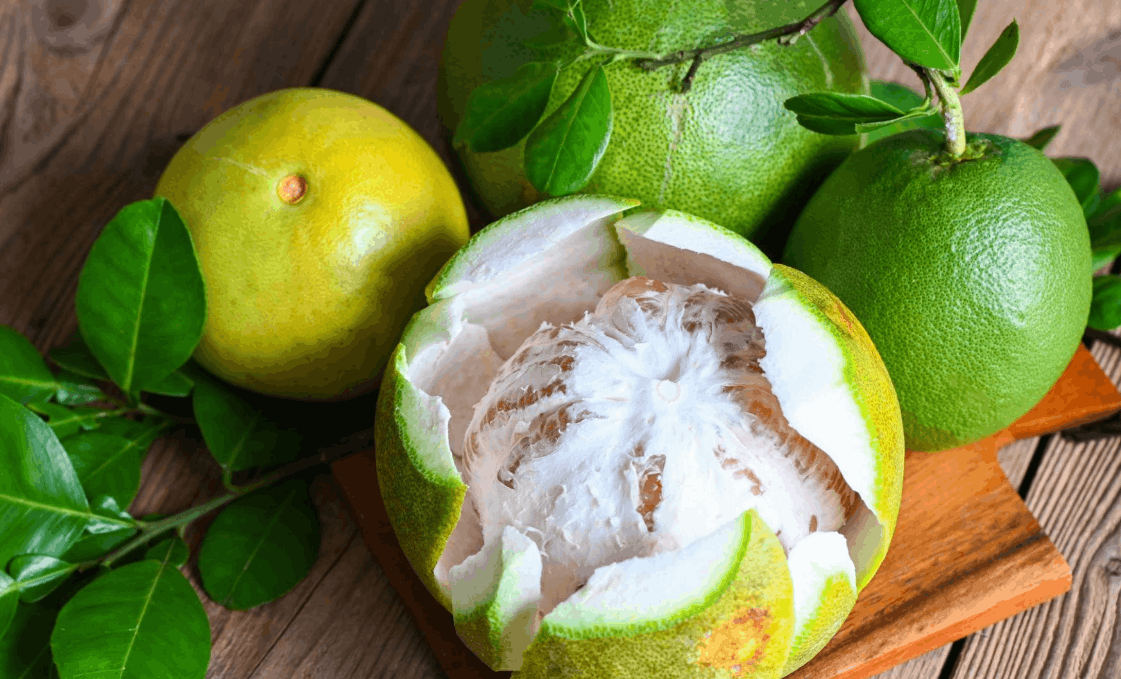
Known as a prized gift of the Mekong Delta, Ben Tre green-skin pomelo wins over fruit lovers not only with its mild, sweet, and juicy segments. For generations, local people have known how to make the most of this entire fruit. What seemed to be discarded peel becomes the main ingredient in unique snacks and everyday products, showcasing a deep understanding of nature.
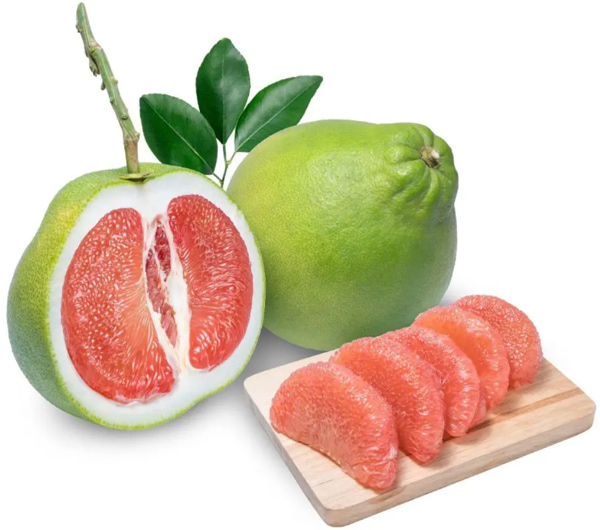
Ben Tre green skin pomelo with its distinctive green peel and pink flesh. (Source: Internet)
Ben Tre has long been renowned as the capital of tropical fruit trees. Ben Tre features a distinctive tropical monsoon climate, abundant rainfall, and an intricate network of canals carrying rich alluvial silt from the Mekong River system. These specific soil and climate conditions create an ideal growing environment for citrus crops. Fruits of the Ben Tre green-skin pomelo variety are easily recognized: their thin skin retains its jade-green color even when ripe, the interior flesh is pale pink, the taste is gently sweet, and it is seedless. Consumers typically seek out this fruit primarily to enjoy the fresh, succulent segments.
However, using only the flesh means overlooking a substantial part of the fruit’s value. Traditional Vietnamese culture embraces a thoughtful culinary philosophy: adapting to and never wasting natural resources. Every component of an ingredient was examined and tested by past generations to craft dishes or practical domestic items.
For this citrus tree, that philosophy is fully realized. Instead of ending up in the bin after peeling, pomelo peel begins a new journey, moving from the cutting board into inventive recipes. This not only minimizes organic waste but also maximizes the rich plant nutrients provided by nature.
Using pomelo peel is not merely a thrifty domestic habit; through the lens of modern science, it is fully supported by botany. Nutritional studies show that the peels of citrus fruits often contain higher concentrations of micronutrients and antioxidants than the pulp.
The structure of pomelo peel consists of two main layers, each offering distinct nutritional characteristics:
When enjoying Ben Tre green-skin pomelo, properly preparing the peel to preserve these nutrients provides a much broader nutrient spectrum than consuming only the sugars and water in the fruit pulp.
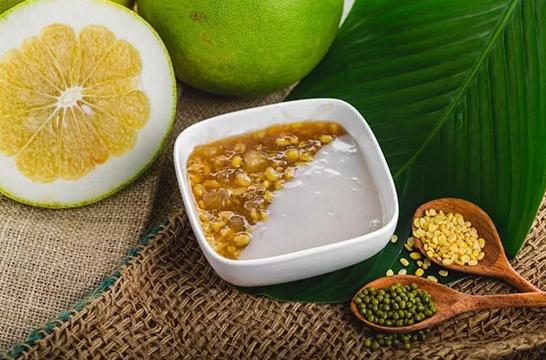
Vietnamese pomelo sweet soup made with pomelo pith, reflecting the unique character of Vietnamese cuisine. (Source: Internet)
Guided by generations of culinary wisdom and skill, the coarse pomelo peel has been transformed into versatile items, ranging from home-cooked dishes to personal care routines.
Pomelo sweet soup is arguably the most famous dessert made from the white pith. Preparing this dessert demands patience, meticulous care, and technical preparation. To yield clear, springy, and crisp bites without residual bitterness, cooks must trim off all traces of the green skin, dice the pith, and repeatedly knead it with salt before rinsing thoroughly in cold water to eliminate excess essential oils.
The sweet soup harmoniously combines the crisp pomelo pith, nutty mung beans, and velvety coconut cream. It provides a cooling treat on hot days and showcases the endless creativity of Vietnamese cuisine.
Since ancient times, Vietnamese women have simmered pomelo peel to make a fragrant hair rinse. When submerged in hot water, tiny oil glands within the peel burst, releasing their aromatic botanical oils. The infusion is frequently brewed alongside roasted soapberries, holy basil, or lemongrass, forming a natural scalp cleanser. Active compounds in the essential oil help support scalp microcirculation, leave strands smooth and glossy, reduce breakage, and impart a subtle, refreshing botanical scent.
During festive gatherings and traditional holidays, candied pomelo peel makes a distinctive offering for guests. The peel is cut into matchsticks, thoroughly debittered, and gently simmered with sugar over low heat until crystallized. The finished snack coats a hint of characteristic bitterness in a delicate sweetness. The lingering aromatic oils help soothe the throat, making it a wonderful accompaniment to hot loose-leaf tea.
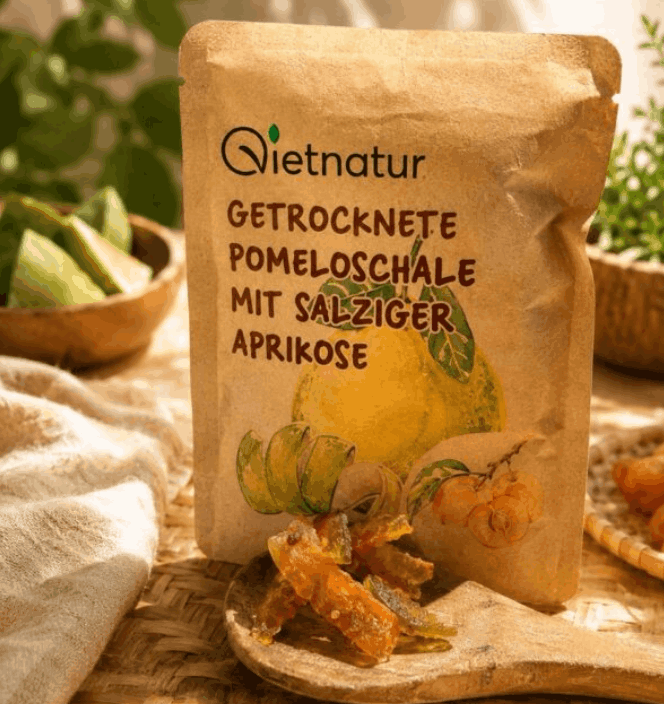
Dried pomelo peel with salted apricot combines traditional flavors with a modern twist. (Source: Internet)
While traditional recipes often require long preparation times and higher refined sugar levels, modern food preferences lean toward convenience, reduced sugar, and authentic flavor profiles. Against this backdrop, wholesome snacks crafted from regional produce have gained popularity.
Crafting this contemporary snack prioritizes fresh Ben Tre green-skin pomelo. This variety offers a peel of balanced thickness, firm and crisp texture, and moderate aromatic oils that are never harsh compared to certain other regional varieties.
Once separated from the fruit pulp, each pomelo peel strip is thoroughly cleansed, cut, and gently dried at low temperatures. This method draws out intrinsic moisture while safeguarding the structural integrity of the dietary fiber, pectin, and existing micronutrients. Unlike traditional high-heat sugar reduction, low-temperature drying leaves the finished product with a pleasant chew, preventing syrupy stickiness or cloying sweetness.
The defining element of this modern snack is the addition of salted preserved apricot extract. Rather than masking bitterness with excessive white sugar, the tangy, lightly salty notes of preserved apricot naturally balance the aromatic oils.
The palate experiences a distinctive progression of flavors:
Beyond delivering an enjoyable snacking experience, this botanical combination offers gentle functional attributes. The herbal zest, paired with the properties of salt and apricot, helps soothe the throat—ideal for air-conditioned offices or changing seasons.
If you are looking for a flavorful snack that preserves the true essence of Ben Tre green-skin pomelo, VietNatur’s Dried Pomelo Peel with Salted Apricot is an excellent choice. Built on selective ingredient sourcing, low-temperature drying without chemical preservatives, and a balanced house recipe, VietNatur provides a wholesome snacking option tailored to a modern lifestyle.
Across generations, the custom of utilizing every part of natural harvests has remained central to Vietnamese food culture. Ben Tre green-skin pomelo yields not only sweet, succulent fruit pulp, but its peel can also be transformed into exceptional snacks. At VietNatur, familiar pomelo peel is crafted into dried pomelo peel with salted apricot—a unique snack pairing crisp citrus notes with the characteristic sweet, sour, and salty profile of Vietnamese preserved apricot. If you wish to discover a distinct Vietnamese snack in Germany, try VietNatur dried pomelo peel and discover how a once-discarded ingredient can become an exciting treat with Ben Tre green-skin pomelo.
Read more:
Natural Sore Throat Remedies with Pomelo Peel
Entdecke passende VietNatur Produkte zu diesem Thema.