Vietnamese Drip Coffee: Pro Brewing Tips
Among the many modern brewing methods available today, Vietnamese phin drip coffee still holds a special place in daily life...
read more

FREE Express Shipping On Orders $99+

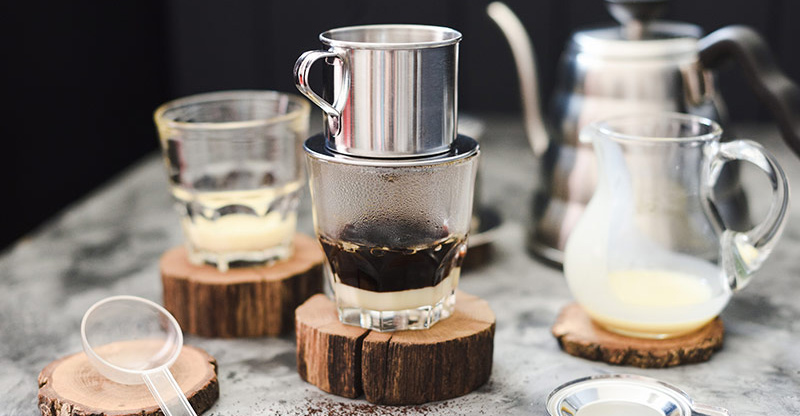
On outdoor trips, optimizing luggage with compact items is always a top priority. Many coffee enthusiasts wonder if a Vietnamese coffee filter is a good choice for brewing this drink outdoors. Understanding the structure, advantages, and usage of this filter will help you have a perfect camping equipment.
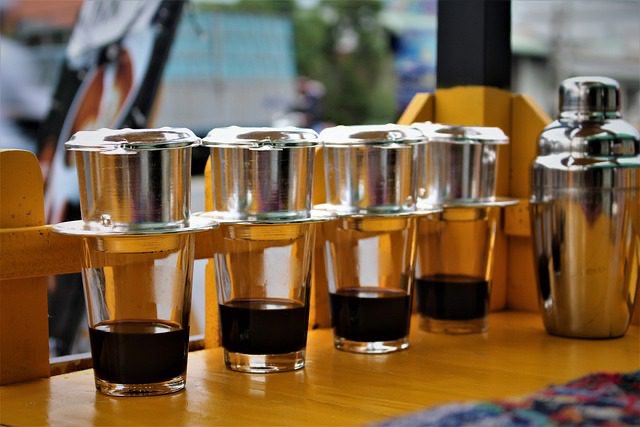
Key criteria to consider when choosing a coffee brewing device for camping trips (Image source: Internet)
To choose the ideal companion for every trip, we first need to base it on the following practical criteria:
1. Form of transportation:
2. Durability:
3. Coffee flavor preference:
4. On-site resources:
The Vietnamese coffee filter is ideal for outdoor trips thanks to its compact design, no electricity required, easy cleaning, and traditional bold coffee flavor.
Advantages of outdoor coffee brewing with a Phin:
The Phin is very convenient for overnight camping, multi-day trekking, or breakfast breaks by the stream. When you boil water yourself with a mini gas stove or campfire, waiting for each drop of coffee to fall brings a natural relaxing experience. Unlike hurried urban life, the quiet space of mountains and forests is very suitable for the leisurely, patient enjoyment style of Phin coffee.
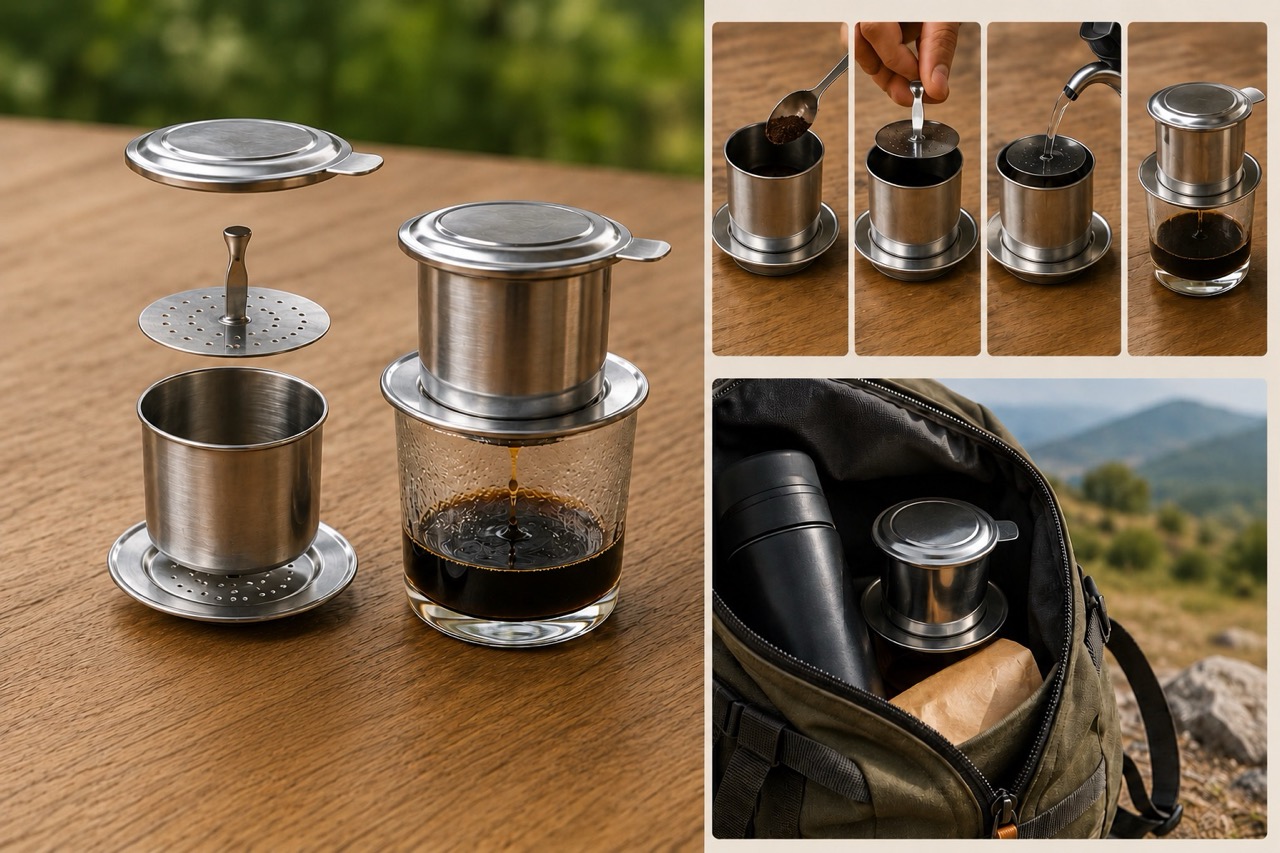
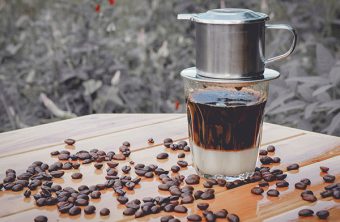
A close-up look at the structure of a Vietnamese coffee filter that you can easily take anywhere
Outdoor gear always requires mobility and safety. The Phin is usually made of aluminum or stainless steel, ultra-light, durable, easy to pack, and completely free from worries of cracking during travel.
The structure of a traditional filter includes 4 metal parts stacked together, working together to extract the essence of coffee, including:
The operating mechanism of this tool is a slow drip osmosis process, helping to fully extract the essence of the coffee beans. For those who love moving, the minimalism and independence from machinery are the Phin’s biggest plus points.
Read more:
Vietnam Robusta Coffee: Bold & Captivating
| Tool | Characteristics | Pros | Cons | Best Suited For |
| Vietnamese Phin | Slow gravity drip | Durable, cheap, no paper filter, bold taste. | Slow brew, small amount, needs multiple pours. | Outdoor enthusiasts and frequent travelers who need durable, compact gear and love bold coffee flavor. |
| French Press | Immersion & metal mesh press | Thick body, brews large amounts at once. | Bulky, fragile (if glass), hard to clean. | Ideal for home brewing or hosting guests. |
| Pour Over | Osmosis via paper filter | Clear (clean) taste, preserves original notes. | Needs paper filters & kettle, hard in high winds. | Short outdoor trips, suitable for bright/acidic coffee flavors. |
| Moka Pot | Steam pressure (stovetop) | Bold Espresso-style, fast, no paper filter. | Heavy, needs fire, very hot after use. | Car camping, fans of strong Italian coffee. |
| Aeropress | Piston pressure | Ultra-light, durable, versatile, fast cleaning. | Needs special paper filters, complex steps. | Professional backpackers, prioritize light/flexible. |
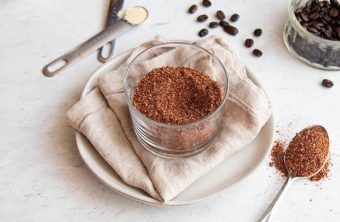
To brew outdoor coffee with the right flavor, use the golden ratio of 1:4 (20-25g coffee : 100ml water), medium grind. Pre-heat the filter, bloom the grounds with about 30ml of hot water, then evenly pour the rest of the water.
Read more:
Robusta coffee vs. Arabica: The Ultimate Flavor War
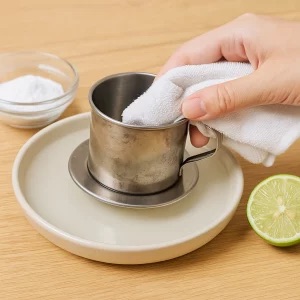
Simple tips for cleaning your Vietnamese coffee filter after use (Image Source: Internet)
Cleaning the filter is very simple as you just need to knock out the coffee grounds and rinse with clean water, no need to worry about disposing of wet paper filters.
In a camping environment with limited water, cleaning the mini kitchen needs to be quick. Since the Vietnamese Phin does not use paper filters, you create absolutely no non-biodegradable waste.
Natural coffee grounds are environmentally friendly, and the metal filter only needs a rinse with stream water or a bit of carried water to be ready for the next use.
Is aluminum or stainless steel better for camping?
Aluminum filters are ultra-light and dissipate heat quickly, while stainless steel filters are sturdy, dent-resistant, and retain heat well. Both are very suitable, depending on whether you prioritize weight or durability.
Do I need a digital scale to brew with a Phin?
Not mandatory. You can estimate about 3-4 spoons of coffee grounds and pour water according to the pre-marked lines in the filter to minimize luggage.
Why are there air bubbles when pouring hot water?
This is completely normal and a sign of fresh coffee. During roasting, beans accumulate CO2. When in contact with hot water, this gas escapes, creating bubbles on the surface.
Why is the coffee stuck (not dripping) into the cup?
Coffee not flowing or dripping too slowly is usually due to:
The Vietnamese coffee filter is truly the perfect companion for those who love camping with a leisurely, lightweight, and original taste experience.
Preparing a fragrant cup of coffee in the wild is no longer bulky or complicated thanks to the stacked design of the Vietnamese coffee filter. If you want your luggage to be compact but still ensure drink quality, this small filter is a brilliant candidate you should consider.
Read more:
Reducing Industrial Sugar Thanks to Dried Fruit

Content-Mitarbeiterin