Vietnamese Drip Coffee: Pro Brewing Tips
Among the many modern brewing methods available today, Vietnamese phin drip coffee still holds a special place in daily life...
read more

FREE Express Shipping On Orders $99+

If Western paper filters typically produce a lighter and cleaner cup of coffee, the Vietnamese coffee filter offers a bolder taste, a fuller body, and retains more natural coffee oils. The reason lies in its metal filter. Unlike paper filters, which tend to absorb some of the natural oils released during roasting, the metal filter allows more of these oils to pass through. As a result, the coffee preserves more of its natural aroma and authentic flavor.
This is also one reason why many people in Germany find Vietnamese drip coffee noticeably different when trying it for the first time. Beyond its slow-drip brewing method, the Vietnamese coffee filter delivers a richer and more full-bodied coffee experience compared with the filter coffee commonly enjoyed across Europe.
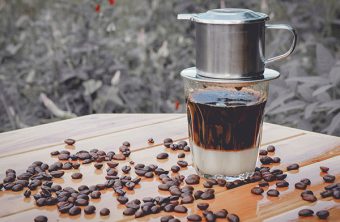
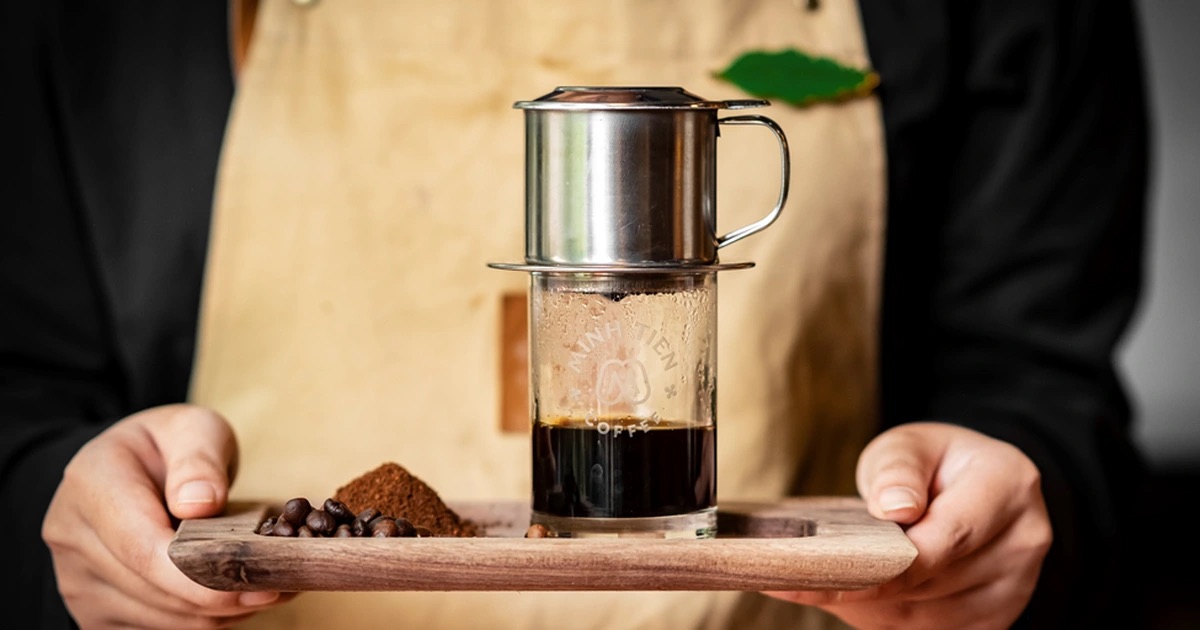
The Vietnamese Phin coffee filter has been a beloved tradition passed down through generations (Image source: Internet)
The Vietnamese coffee filter is a traditional metal drip brewer, usually made from stainless steel or aluminum. Its brewing method is simple: ground coffee is placed inside the filter, hot water is poured over it, and the coffee slowly drips into the cup below.
For many Vietnamese people, this brewing method has been part of daily life for generations. In Germany, however, the Vietnamese coffee filter is still relatively unfamiliar, as coffee culture is more closely associated with paper filters, filter coffee machines, or espresso machines.
What makes the Vietnamese coffee filter unique is not its appearance but its metal filter system. This small detail directly affects how much coffee oil remains in the cup, creating a noticeably different flavor profile compared with coffee brewed through paper filters.
Many people notice several differences when trying Vietnamese drip coffee for the first time:
This is why coffee brewed with a Vietnamese coffee filter often feels more rustic and closer to the authentic flavor of roasted coffee.
For many Vietnamese people, the Vietnamese coffee filter is more than just a brewing tool. It is closely connected to everyday coffee-drinking habits. Long before modern coffee machines became common, drip coffee brewed with a phin could be found everywhere, from small street-side cafés to family kitchens.
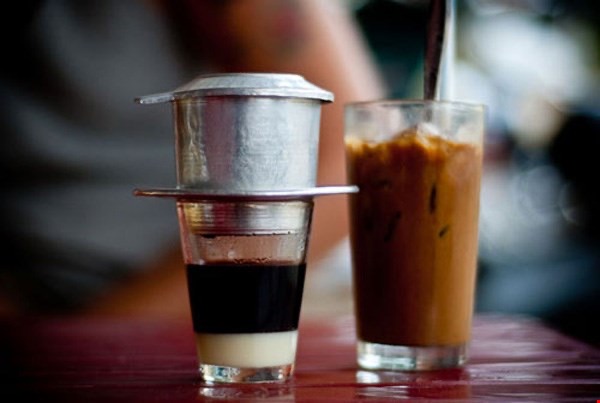
The sight of a metal filter resting on top of a glass and slowly dripping coffee is still a familiar part of many Vietnamese mornings. Unlike the takeaway coffee culture that is common across Europe, people do not usually brew their coffee and leave immediately. Instead, they spend a few minutes waiting for the coffee to drip before enjoying it at a slower pace.
For many, that brief waiting time is part of the Vietnamese coffee experience itself.
A traditional phin coffee experience is often associated with:
This brewing method has also influenced coffee preferences in Vietnam. Many people are accustomed to coffee with a bolder taste, a more noticeable aftertaste, and a flavor that feels closer to the authentic character of roasted coffee than lighter styles of coffee.
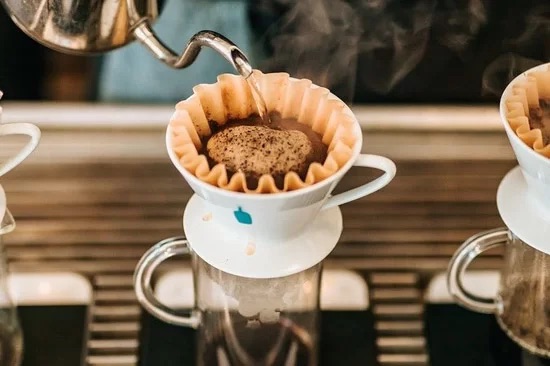
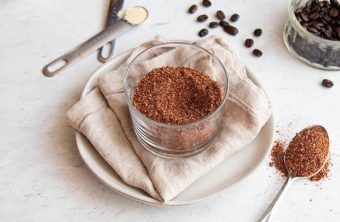
Coffee brewed with a paper filter delivers a cleaner and lighter flavor profile compared to a traditional Phin filter (Image source: Internet)
The biggest difference between the Vietnamese coffee filter and Western paper filters lies in how they handle the natural oils found in roasted coffee beans.
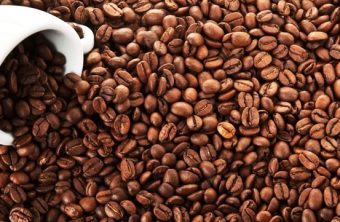
During the roasting process, coffee beans release natural coffee oils (Kaffeeöle). These oils contain many aroma compounds and contribute to the fuller mouthfeel of the coffee. This is one reason why two cups brewed from the same beans can taste very different when prepared using different brewing methods.
Western paper filters tend to retain a significant portion of these oils. In addition, they trap many of the fine coffee particles. As a result, the coffee often tastes lighter and cleaner.
Paper filters typically:
The metal filter of the Vietnamese coffee filter works differently.
The phin’s metal filter:
This does not mean that phin coffee is “better” than paper-filtered coffee. It simply creates a different drinking experience. While paper filters emphasize a lighter and cleaner profile, the phin tends to produce a bolder, fuller, and more pronounced coffee flavor.
Many people in Germany are surprised when they try phin coffee for the first time because it is not as light as the filter coffee they are familiar with. Some even compare the experience to French Press coffee, although the phin has its own character thanks to its slow-drip brewing process.
Vietnamese Robusta is known for its stronger taste, fuller body, and longer-lasting aftertaste compared with Arabica. When brewed through paper filters, part of this intensity may be reduced because some of the natural coffee oils remain trapped in the paper.
The Vietnamese coffee filter, however, allows more of these oils to pass through, helping Robusta retain its characteristic richness and body. As hot water slowly flows through the coffee grounds, extraction takes place gradually, allowing Robusta’s bold flavor to stand out more clearly in the cup.
When brewing Robusta with a phin, people often notice:
This is one reason why many Vietnamese coffee drinkers still prefer brewing Robusta with a phin rather than using paper-filter brewing methods.
Today, more people in Germany are experimenting with Vietnamese Robusta and the phin to experience the difference in flavor intensity and the amount of coffee oils retained in the cup. Some of VietNatur’s roasted and pre-ground Robusta coffees are also commonly chosen for phin brewing at home because they suit this traditional extraction method well.
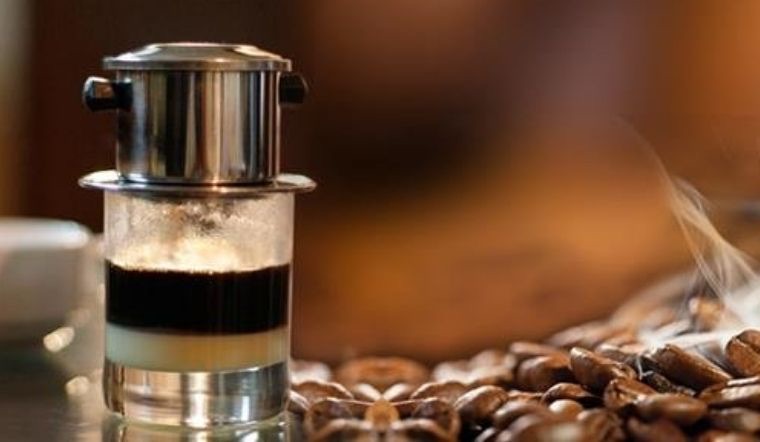
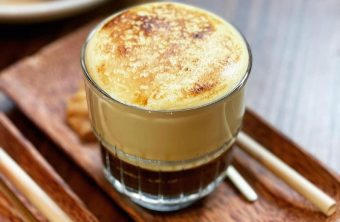
The rich and unforgettable flavor of every cup of Phin coffee is hard to resist (Image source: Internet)
In recent years, more coffee lovers in Germany have become interested in manual brewing methods. As a result, the Vietnamese coffee filter has gradually become an appealing option for those looking to explore something beyond espresso or traditional paper-filtered coffee.
What attracts many people is not only the compact metal filter itself but also the noticeable difference in flavor. Because more natural coffee oils remain in the cup, the coffee often tastes bolder, richer, and less delicate than typical paper-filtered coffee.
Many people in Germany are interested in the phin because it:
In addition, the phin is compact and practical for everyday use. Beginners only need a filter, hot water, and suitable coffee to experience Vietnamese-style coffee brewing at home.
No. The phin is one of the simplest coffee brewing methods and does not require any complicated equipment. Beginners only need to add coffee grounds, pour hot water into the filter, and wait a few minutes for the coffee to drip into the cup. This simplicity is one reason why more people in Germany are trying the phin at home.
Robusta is traditionally the most popular choice for Vietnamese phin coffee. Because the phin allows more natural coffee oils to pass through than paper filters, Robusta’s bold flavor, roasted aroma, and long-lasting finish become more noticeable. Some people also use Arabica, but Robusta remains the flavor most closely associated with traditional Vietnamese coffee.
Hot water passes through the compressed coffee grounds at a natural pace rather than being forced through under high pressure like an espresso machine. This slow dripping process is part of what makes Vietnamese phin coffee unique and encourages a more relaxed coffee experience.
Yes. The phin is compact, easy to clean, and requires no electricity. Many people use it as a simple brewing method at home or even take it to work because it does not require a dedicated coffee machine.
Many people find the coffee bolder and more full-bodied than the paper-filtered coffee they are used to. Beyond the flavor itself, the experience of waiting for the coffee to drip slowly into the cup is often something they find both new and enjoyable.
If you are already familiar with paper-filtered coffee or other manual brewing methods, the Vietnamese coffee filter can offer a noticeably different experience thanks to its ability to retain more natural coffee oils. This results in a coffee that feels richer, fuller-bodied, and closer to the authentic flavor of roasted coffee.
When paired with a suitable Robusta coffee, the phin allows drinkers to appreciate the bold taste and distinctive roasted notes that characterize traditional Vietnamese coffee. VietNatur’s roasted and pre-ground Robusta coffees are also popular choices for those who want to enjoy authentic phin coffee at home with ease.
Read more:
1. Robusta Coffee: Bold and Captivating