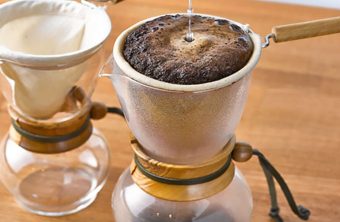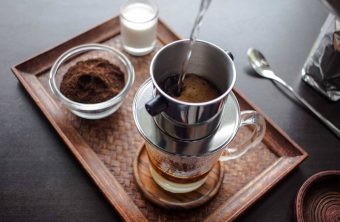
Vietnamese Drip Coffee: Pro Brewing Tips
Among the many modern brewing methods available today, Vietnamese phin drip coffee still holds a special place in daily life...
read more

FREE Express Shipping On Orders $99+

When searching for health-boosting foods, many people immediately think of green tea or berries. However, modern biochemical studies show that coffee is also a rich source of polyphenols (plant-based compounds) in the daily diet. Among them, the amount of antioxidants in Robusta is drawing the attention of experts thanks to its outstanding concentration and stable structure. Understanding this characteristic helps us gain a more accurate perspective on the actual value of Robusta beans.
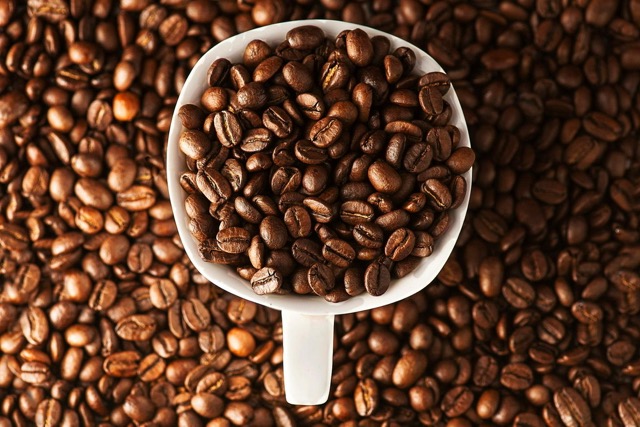
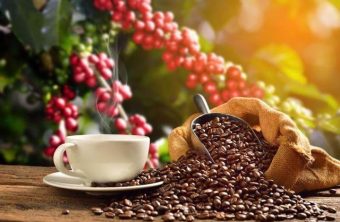
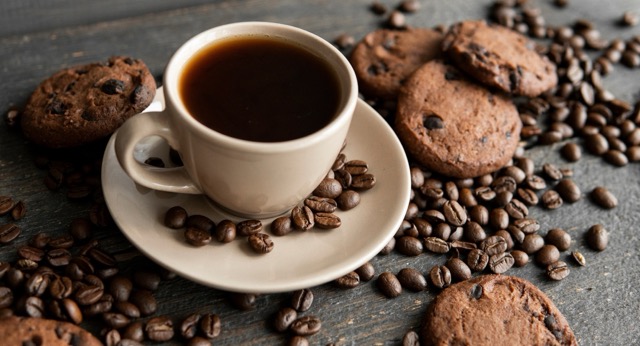
Robusta coffee has a higher antioxidant capacity than Arabica (Image source: Internet)
The difference in nutrient content between the world’s two most popular coffee varieties is not accidental, but stems from a natural evolutionary mechanism. Arabica coffee trees usually grow in high mountain regions with cool climates and fewer pests. Conversely, the Robusta variety thrives in lower altitudes, where it directly faces dense insect populations, fungal diseases, and harsh weather.
To protect itself and survive in such adverse environments, the Robusta tree is forced to activate a powerful defense system. The plant synthesizes high concentrations of caffeine and phenolic compounds as a kind of “natural antibiotic” to repel pests. This survival mechanism inadvertently turns raw green Robusta beans into an incredibly rich source of antioxidants.
These substances play a vital role in neutralizing free radicals—unstable molecules that cause cell damage and accelerate aging in the human body. Thanks to its dense molecular concentration, Robusta demonstrates a higher antioxidant capacity than Arabica, opening up a more positive perspective in research regarding coffee and health.
When breaking down the nutritional components, the most common group of antioxidants in coffee is chlorogenic acid (often abbreviated as CGA). This is a natural organic acid with properties that support anti-inflammatory, antibacterial, and vascular protection functions.
Quantitative chemical analyses reveal that the CGA chlorogenic acid content in raw (unroasted) Robusta beans accounts for up to 7% – 10% of the total dry weight. Meanwhile, in Arabica beans, this figure is noticeably lower, reaching only about 5% – 7.5% (according to research widely published on the PubMed – NCBI international medical database).
This major difference provides the Robusta variety with very specific biological benefits for the body:
Consuming pure Robusta beans means you are supplying your body with a significant amount of chlorogenic acid, contributing to the supplementation of natural antioxidant compounds in your daily diet.
See more: Robusta Kaffee vs. Arabica: Profi-Geschmacks-Check
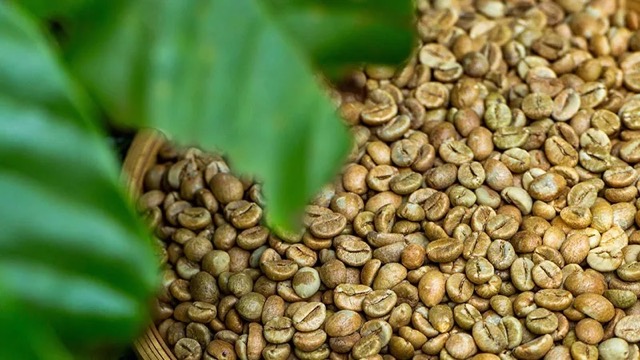
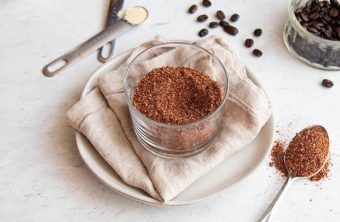
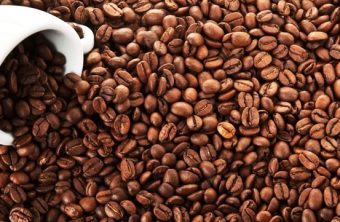
Close-up of Arabica coffee beans after roasting (Image source: Internet)
Many people often wonder: Does the very high roasting temperature (from 180°C to over 220°C) burn away and destroy all the natural nutrients present in coffee beans? The answer from scientists is not entirely.
The roasting process is actually a fascinating “rebranding” of the compounds inside the beans. Under the influence of intense heat, a portion of the original CGA chlorogenic acid will undergo structural breakdown and decrease. However, this temperature triggers the Maillard reaction (the reaction between sugars and amino acids), generating a completely new group of antioxidants in coffee called melanoidins.
Melanoidins are brown macromolecules that not only create the bold color, body, and smooth crema layer for a cup of coffee, but are also recognized for their notable antioxidant activity. Some studies have proven that melanoidins possess anti-inflammatory and strong antioxidant properties, functioning similarly to a type of soluble fiber that nourishes the gut microbiota (according to research documentation at PMC – NIH).
This compensation explains why, despite undergoing a high-temperature roasting process, Robusta coffee still maintains a significant antioxidant capacity.
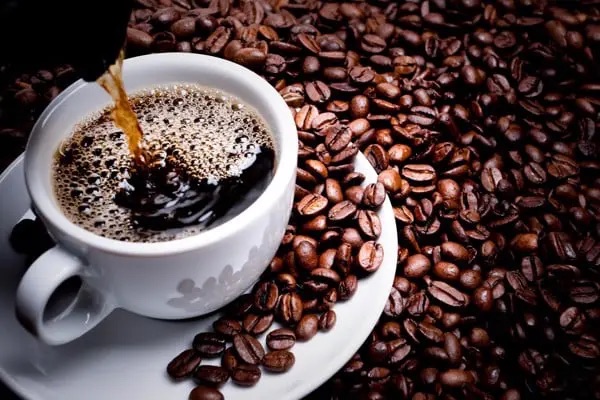
Factors that influence the antioxidants in coffee you may not know (Image source: Internet)
The actual amount of active nutrients entering your body when you drink coffee is not fixed but varies based on processing, brewing methods, and bean storage.
The roaster’s time and temperature will determine the retention rate of the substances:
How you use water to extract coffee directly affects the nutrients in your cup:
If coffee beans are left exposed freely to the air after roasting, auto-oxidation will occur, rapidly reducing beneficial compounds and losing the aroma. To maximize the preservation of nutritional value, you should store coffee in airtight containers or bags with one-way valves, keep them in a cool place, and consume them within 1-3 months after roasting.
Understanding antioxidants in Robusta from a simple scientific perspective helps us appreciate the value of our familiar morning cup of coffee even more. With an outstanding natural chlorogenic acid content combined with melanoidins formed after roasting, Robusta is not only a solution to keep the mind alert but also a notable source of natural antioxidant compounds in the daily diet.
To fully experience the original flavor of carefully selected Vietnamese Robusta coffee beans, you can explore and purchase pure coffee products on the VietNatur website.