Candied Hibiscus Flowers: Benefits & How to Eat
As plant-based food consumption trends continue to grow in Germany, candied hibiscus flowers are gradually becoming known as a new...
read more

FREE Express Shipping On Orders $99+

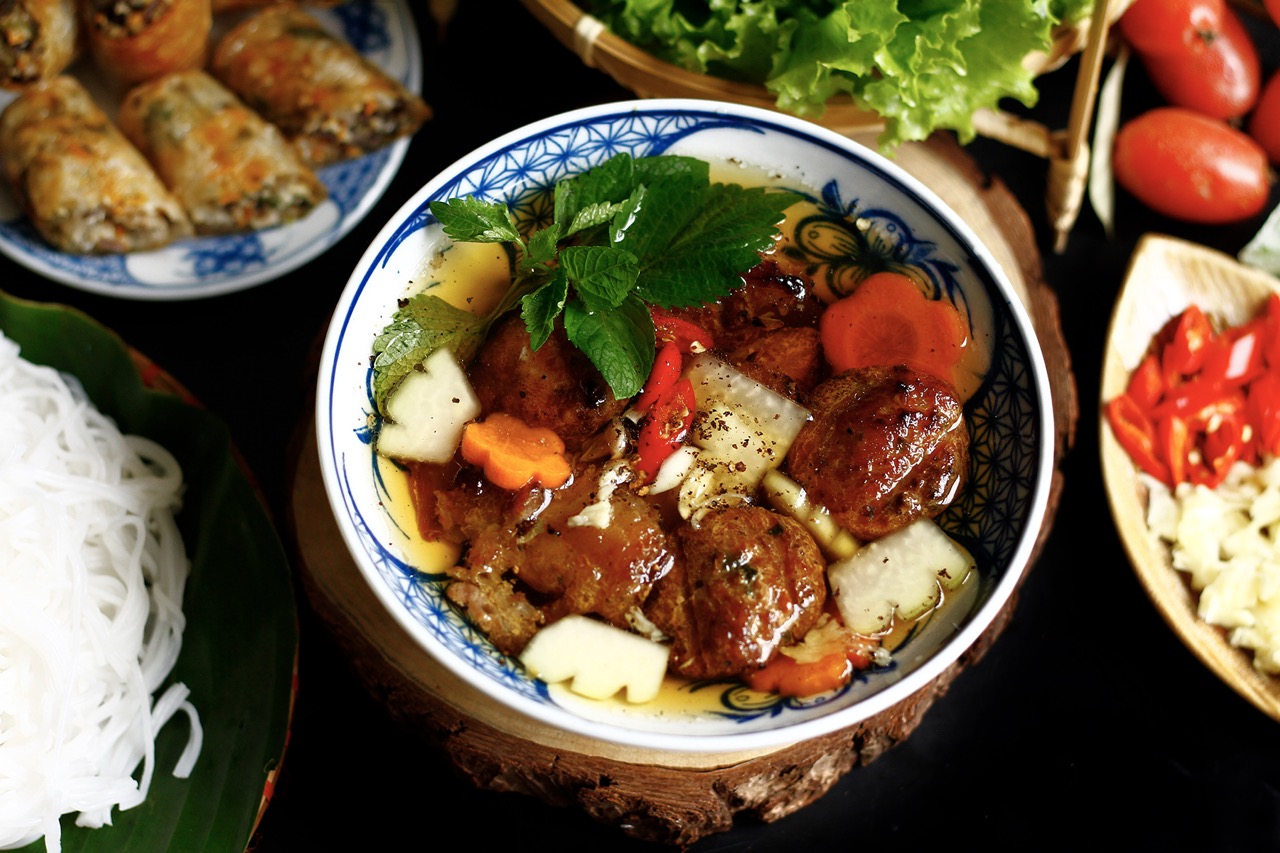
Love Vietnamese food and want to recreate a Hanoi favourite at home? This Bun Cha recipe combines aromatic grilled pork belly and juicy pork patties with delicate rice noodles, fresh herbs and a mild, sweet-and-sour fish sauce.
What makes Bún chả Hà Nội special is the way it is served. The freshly grilled pork goes straight into a bowl of warm dipping sauce with crunchy pickled green papaya and carrot. Rice noodles and herbs are served separately, ready to combine a little at a time as you eat.
With some preparation, you can make this Vietnamese classic at home using a charcoal grill, an electric grill or an oven.
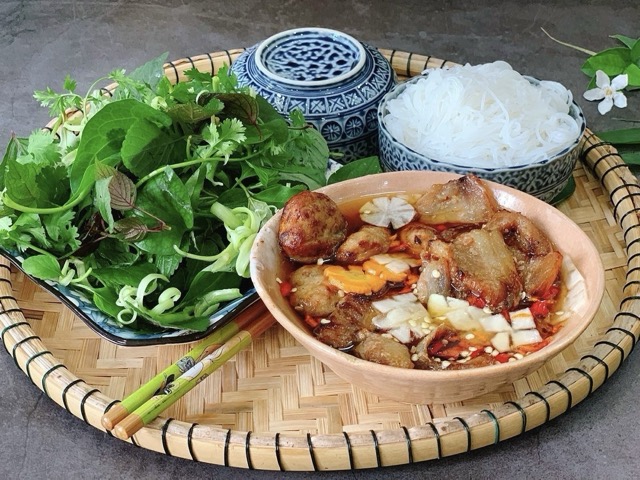
Bun Cha is one of the best-known specialities of Hanoi, Vietnam’s capital, formerly known as Thăng Long.
The dish has been part of the city’s food culture for generations. Its defining elements are carefully seasoned pork slices and small, flattened pork patties, traditionally grilled over charcoal. A balanced fish sauce dressing brings together salty, sweet and sour flavours.
In Hanoi, Bun Cha is particularly popular at lunchtime. The aroma of pork cooking over charcoal outside small street-side restaurants is a familiar part of the city’s food scene.
Today, Bun Cha is enjoyed far beyond Vietnam and represents the fragrant, herb-rich cooking of northern Vietnam.
Bun Cha balances rich grilled flavours with fresh herbs and a light, tangy sauce.
The pork belly develops lightly crisp edges, while the pork patties stay tender and juicy inside. Shallots, garlic, fish sauce and honey give the meat a savoury flavour with a gentle sweetness.
The warm dipping sauce adds a refreshing tang. Pickled green papaya and carrot provide crunch, while soft rice noodles, lettuce and aromatic herbs balance the richness of the pork.
Difficulty: Moderate
This recipe mainly requires a little organisation. The pork belly and minced pork are marinated separately, the vegetables are pickled, and the sauce is prepared on its own.
When grilling, the aim is to cook the pork thoroughly without drying it out or burning the sweet marinade.
Preparation tip: Marinate the meat first. While it rests in the refrigerator, prepare the pickles, herbs and sauce. Cook the noodles and grill the pork shortly before serving.
Fish sauce note: The two meat marinades require a total of 3½ tablespoons of fish sauce in addition to the amount used for the dipping sauce.
Seasoning note: Fish sauce, oyster sauce and seasoning granules already contain salt. Add extra seasoning sparingly. When making the dipping sauce, start with only part of the fish sauce and sugar, then adjust to taste.
Pat the pork belly dry with kitchen paper and cut it into thin, bite-sized slices.
For the pork belly marinade, combine the shallots, garlic, fish sauce, oyster sauce, honey and Vietnamese caramel sauce. Add black pepper and, if desired, a little seasoning granules and monosodium glutamate.
Toss the pork belly thoroughly with the marinade. Cover and refrigerate for at least 30 minutes. For a deeper flavour, leave it to marinate for several hours.
Place the minced pork in a separate bowl. Add its measured shallots, garlic, fish sauce, oyster sauce, honey and caramel sauce, then season to taste.
Mix thoroughly for a few minutes until the mixture becomes slightly sticky and holds together. Cover and refrigerate for approximately 30 minutes.
With lightly dampened or oiled hands, shape the mixture into small, flattened patties. Keep them an even thickness so they cook evenly.
Peel the carrot. Peel and deseed the green papaya, then rinse thoroughly.
Cut both into thin, bite-sized slices. If you like, make shallow decorative grooves along the carrot before slicing.
Toss the vegetables with a little salt and leave for approximately 15 minutes. Rinse and drain well.
Mix with 1½ tablespoons of sugar, 1 tablespoon of mild vinegar and ½ tablespoon of chopped garlic. Add a little salt only if needed.
Leave for another 15 minutes, then refrigerate until serving.
Pick through the lettuce and herbs, removing tough stems and damaged leaves. Wash thoroughly and drain well.
Lightly grease the grill grate or cooking surface.
Arrange the pork belly slices and patties on the grill. Cook over medium to medium-high heat, turning regularly, until fully cooked and attractively browned on both sides.
A charcoal grill gives the pork its characteristic aroma. Avoid direct contact with flames and heavily burnt patches. The honey and caramel sauce can cause the surface to darken quickly.
Preheat the oven to approximately 220°C using conventional top and bottom heat.
Arrange the pork on a lightly oiled rack over a foil-lined baking tray.
Cook for approximately 15–25 minutes, depending on thickness, turning partway through. The pork belly and patties may need different cooking times, so check them separately.
For extra colour, briefly use the oven’s grill or broiler function at the end, watching closely to prevent burning.
Place 450 ml water, the vinegar and part of the sugar in a saucepan. Warm gently, stirring until the sugar dissolves.
Add part of the fish sauce. Bring briefly to the boil, then remove from the heat.
Taste and adjust. The sauce should be savoury, sweet and tangy, but mild enough for the grilled pork to sit in it. Add more water, fish sauce or sugar as needed.
Allow to cool slightly before serving. It should be pleasantly warm rather than boiling hot.
If using dried rice noodles, cook according to the packet instructions. Rinse if directed and drain thoroughly.
For fresh rice noodles, follow the packaging instructions. Depending on the product, they may be ready to serve or need brief reheating.
Arrange the noodles on a large platter or individual plates.
Arrange the lettuce and herbs on a separate serving platter.
Divide the warm fish sauce between four bowls. Add some pickled green papaya and carrot, followed by chopped chilli to taste.
Place the freshly grilled pork belly slices and pork patties into the sauce.
To eat, combine a small portion of noodles and herbs with some pork and sauce. Each bite brings together smoky grilled flavours, fresh herbs and sweet-and-sour seasoning.
Most basic ingredients are available from supermarkets or butchers. For Vietnamese herbs and green papaya, try a well-stocked Asian grocery shop. Availability varies by store.
| Ingredient | German Name and Shopping Tip |
|---|---|
| Fresh rice noodles — Bún tươi | Look for frische vietnamesische Reisnudeln in the chilled section of Vietnamese grocery shops. |
| Dried rice noodles — Bún khô | Look for thin, round Reisnudeln labelled “Bún” or “Rice Vermicelli”. Do not substitute glass noodles. |
| Pork belly — Thịt ba chỉ | Ask for Schweinebauch, without bones or skin. |
| Minced pork — Thịt heo xay | Look for Schweinehackfleisch. A mixture with some fat works well for juicy patties. |
| Green papaya — Đu đủ xanh | Look for grüne Papaya. Choose a firm, unripe fruit rather than a sweet, ripe papaya. |
| Vietnamese caramel sauce — Nước màu / Nước hàng | Look for vietnamesische Karamellsauce zum Kochen. Do not confuse it with sweet dessert caramel sauce. |
| Fish sauce — Nước mắm | Sold as Fischsauce. Saltiness and flavour vary between brands. |
| Vietnamese perilla — Tía tô | Look for vietnamesische Perilla, sometimes labelled Vietnamese shiso. |
| Thai basil — Húng quế | Sold as Thai-Basilikum in the fresh herb section of Asian grocery shops. |
| Vietnamese mint — Húng lủi | Look for Vietnamese mint, or use a suitable fresh mint variety. |
| Fish mint — Diếp cá | Look for Fischminze or “Fish Mint”, particularly in Vietnamese grocery shops. |
Substitution tip: If you cannot find green papaya, use extra carrot or some white radish. The flavour will differ from the classic version, but you will still have a fresh, crunchy accompaniment.
Allergen information: Fish sauce contains fish. Oyster sauce usually contains molluscs and may also contain wheat or soy. Check the labels of seasoning granules and prepared sauces for additional allergens.
Heating helps the sugar dissolve and makes the sauce easy to combine evenly. Bun Cha is also commonly served with warm or lukewarm sauce.
There is no need to boil it for a long time. The balance of water, fish sauce, sugar and acidity matters most.
Choose pork belly with a good balance of fat and lean meat, and avoid very lean minced pork.
Cut the pork slices evenly and do not make the patties too thin. Avoid cooking longer than necessary.
Honey and oyster sauce add flavour and help with browning, but they do not form a moisture-proof seal. The cut of meat, cooking temperature and cooking time are the main factors.
Salt draws out some moisture and changes the texture of the vegetables. After rinsing, they can be mixed with the sweet-and-sour seasoning.
A firm, unripe papaya and evenly cut slices are also important for a crunchy result. Avoid salting for too long or kneading the slices aggressively.
No. In Bun Cha, the grilled meat is served directly in the sauce, which is eaten together with noodles and herbs.
It should therefore be milder and more diluted than a concentrated dipping or seasoning sauce. Taste before serving and add water if needed.
Some versions include lemongrass. In this recipe, shallots, garlic, fish sauce, honey and Vietnamese caramel sauce provide the flavour.
If you enjoy lemongrass, you can add a little very finely chopped tender stalk or extracted lemongrass juice to the marinade.
Yes. Marinate the meat in advance and keep it covered in the refrigerator. The pickled vegetables and sauce can also be prepared ahead and refrigerated.
Wash and thoroughly dry the herbs. For the best result, grill the pork shortly before eating and gently reheat the sauce before serving.
Both dishes combine rice noodles, grilled pork and fresh herbs.
With Hanoi-style Bun Cha, pork belly and pork patties are typically served in a separate bowl of mild fish sauce, with noodles and herbs alongside.
Bun Thit Nuong is often served as a noodle bowl, with the grilled meat, herbs and other toppings arranged directly over the noodles and the sauce poured on top.