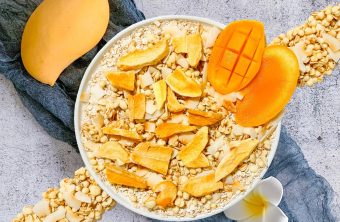
Muesli with Dried Mango: Breakfast Upgrade
Muesli has long been a popular breakfast choice in many households - thanks to its convenient preparation and balanced nutritional...
read more

FREE Express Shipping On Orders $99+

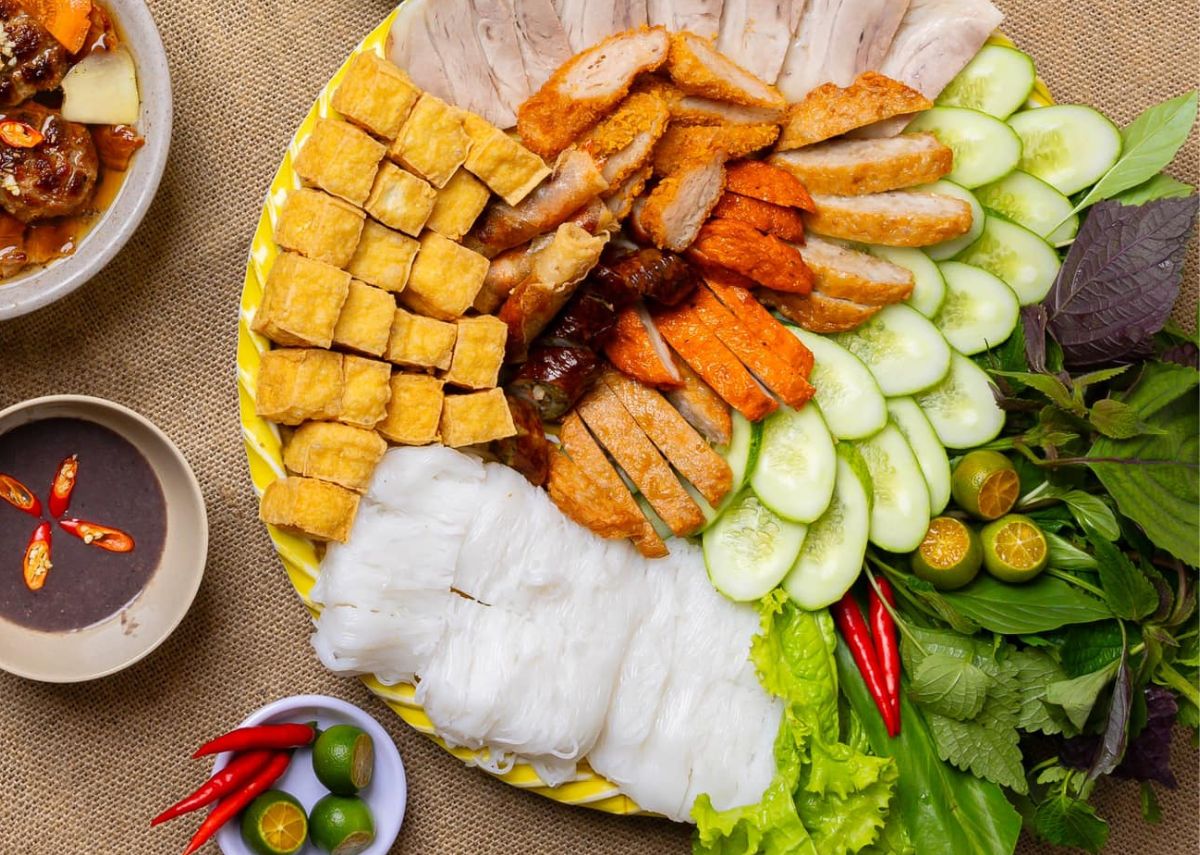
Crispy golden tofu, tender rice noodles, fresh herbs and a bold, savoury dipping sauce: Bún đậu mắm tôm brings the flavours of Vietnamese street food to your table. Particularly popular in Hanoi, this dish is made for sharing and enjoying one delicious bite at a time.
With this Bun Dau Mam Tom recipe, you can recreate the dish at home. Follow our step-by-step guide to prepare the toppings, mix the distinctive fermented shrimp paste dip and, if you like, turn dried rice noodles into bite-sized noodle blocks.
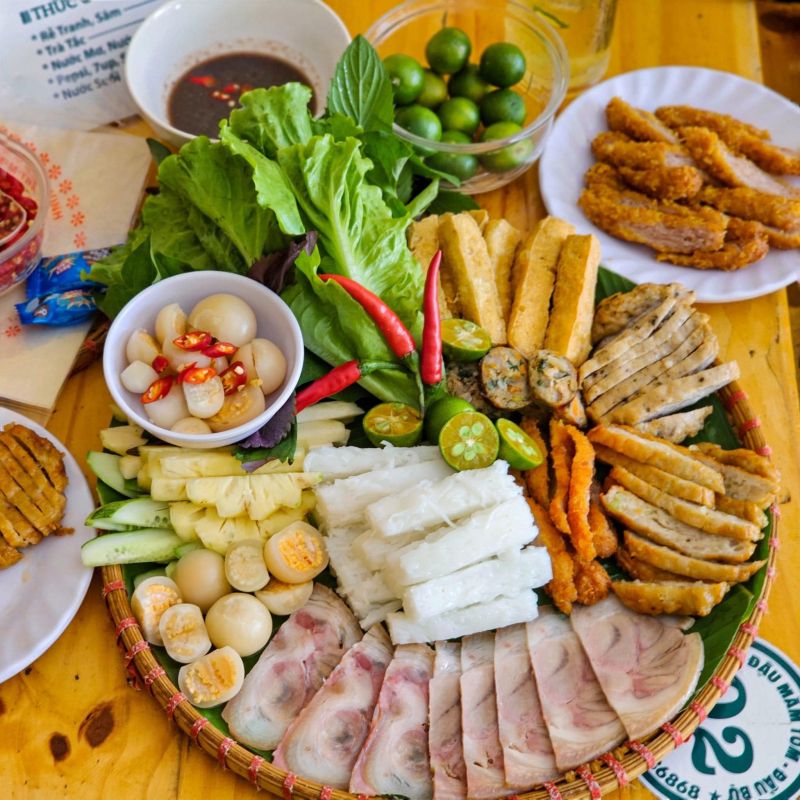
Bun Dau Mam Tom originated in northern Vietnam and is closely associated with Hanoi’s street food culture. The original dish was simple: white rice noodles, golden fried tofu and a small bowl of mắm tôm, a strongly flavoured fermented shrimp paste.
Over time, more accompaniments were added, including boiled pork, chả cốm, Vietnamese sausage with cartilage and fried spring rolls. Chả cốm are savoury pork patties made with young green sticky rice flakes.
Traditionally, the ingredients are arranged on a round bamboo tray lined with a banana leaf. Everyone shares the platter, dipping individual pieces into the sauce.
The appeal lies in its contrasting textures and flavours: tofu that is crisp outside and soft inside, tender pork, delicate rice noodles and savoury chả cốm patties.
The mắm tôm dip brings everything together. Rich in umami, this fermented shrimp paste has an intense aroma and a salty flavour. Citrus juice adds freshness, sugar balances the seasoning and fresh chilli provides heat. Vietnamese balm and perilla leaves add their distinctive herbal notes.
If you are trying mắm tôm for the first time, start with a small amount of dip and adjust the seasoning to your taste.
Difficulty: Easy
The main techniques are straightforward: cooking noodles, boiling pork, frying tofu and mixing a dipping sauce.
Making pressed noodle blocks requires a little more care, but loose rice noodles work just as well for an easy homemade version.
Note: Fermented shrimp paste is highly concentrated, and its saltiness varies between brands. Add the sugar and citrus juice gradually, tasting as you go.
Choose one of the following methods, depending on the noodles available.
Fresh bún lá are rice noodles formed into flat blocks. Cut them into bite-sized pieces with a knife or kitchen scissors, then arrange them on a plate.
Prepare fresh rice noodles according to the package instructions and arrange them in small portions.
For dried rice vermicelli, cook according to the package instructions. Rinse briefly under cold water, drain thoroughly and serve as loose noodles.
Tip: Results depend on the type and composition of the noodles. If they do not hold their shape, simply serve them loose.
Peel and lightly crush the shallots. If using boneless pork hock, tie it into a compact roll with kitchen string to make it easier to slice neatly.
If desired, blanch the pork in boiling water for approximately 2 minutes. Discard the water and refill the pot with fresh water.
Add the shallots and approximately ½ tsp salt. Simmer gently until the pork is fully cooked. Cooking time depends on the cut, thickness and size of the meat; larger pieces may need longer than 25–30 minutes.
Remove the pork, allow it to cool briefly and cut into thin slices. For a firmer texture, you can briefly place the cooked meat in a clean bowl of ice water before slicing.
Pat the tofu thoroughly dry and cut it into bite-sized cubes or rectangles.
Heat a generous amount of neutral oil in a deep frying pan. The oil should be hot but not smoking. Fry the tofu in batches over medium-high heat until golden and crisp on all sides.
Remove and drain on a wire rack or kitchen paper.
Prepare the chả cốm according to the package instructions, frying until golden on both sides. If the patties are raw, make sure they are fully cooked in the centre. Cut into bite-sized slices.
Place the fermented shrimp paste in a bowl. Stir in some of the sugar and the optional rice spirit.
Gradually add the citrus juice, whisking vigorously with chopsticks or a small whisk until fine bubbles form.
Carefully stir in the hot, non-smoking oil. Add the chopped chillies, then adjust the flavour with the remaining sugar and citrus juice.
Important: Hot oil adds richness, but it does not replace thorough heating. Follow the preparation instructions on your shrimp paste packaging. If cooking is required, first heat the paste thoroughly in a small saucepan with a little water, stirring evenly, then finish seasoning the dip.
Wash and slice the cucumber. Wash the herbs carefully and drain well.
Arrange the rice noodles, crispy tofu, sliced pork, chả cốm, cucumber and herbs on a large platter or a food-safe bamboo serving tray.
Serve the mắm tôm dip in small bowls alongside the platter. Combine a piece of tofu, noodles or pork with fresh herbs, then dip to taste.
For the best texture, serve while the tofu and chả cốm are still hot and crisp.
Many of the ingredients are available at Asian supermarkets or Vietnamese grocery shops. For specialist items, check Vietnamese online food shops. Availability varies by store.
| Ingredient | What to look for |
|---|---|
| Mắm tôm | Look for “Vietnamese fermented shrimp paste” or “Mắm tôm”. It is different from liquid fish sauce. |
| Rice noodles | Look for “rice vermicelli”, “Reisvermicelli” or “Bún”. Some varieties work better than others for pressing into blocks. |
| Fresh tofu | Choose plain, medium-firm tofu, preferably fresh tofu packed in water. |
| Pork | Ask a butcher for fresh, uncured boneless pork hock or pork belly: “ungepökelte Schweinshaxe ohne Knochen” or “Schweinebauch”. |
| Chả cốm | Check the chilled or frozen section of Vietnamese grocery shops. |
| Vietnamese balm | Look for “Kinh giới” or “vietnamesische Melisse” in specialist Asian fresh produce sections. |
| Perilla leaves | Look for “Tía tô”, “Perilla” or, in some shops, “Shiso”. |
| Calamansi or sour kumquats | Check Asian grocery shops when in season. Lime juice is a convenient alternative. |
Tip: If you cannot find chả cốm, make a simpler platter with rice noodles, fried tofu, pork and fresh herbs. These ingredients pair beautifully with the bold dip.
Hot oil gives the dip a richer flavour and fuller mouthfeel. It can change the aroma of the paste, but it does not reliably make it free from harmful microorganisms. Always follow the product’s preparation instructions.
Transfer and press the noodles immediately after cooking, while they are still hot. Do not rinse them with cold water for this method. The result also depends on the noodle variety you use.
Pat the tofu thoroughly dry and fry it in sufficiently hot oil. Work in batches so the oil temperature does not drop too much. Remove the tofu when it is golden and crisp; frying it for too long can dry out the centre.
The traditional version is not vegetarian. Mắm tôm contains shrimp, and the platter also includes pork and chả cốm.
For a plant-based variation, leave out the meat and serve the tofu, noodles and herbs with a dip made from soy sauce, lime juice, sugar and chilli. The flavour will be different from the traditional dish.