Muesli with Dried Mango: Breakfast Upgrade
Muesli has long been a popular breakfast choice in many households - thanks to its convenient preparation and balanced nutritional...
read more

FREE Express Shipping On Orders $99+

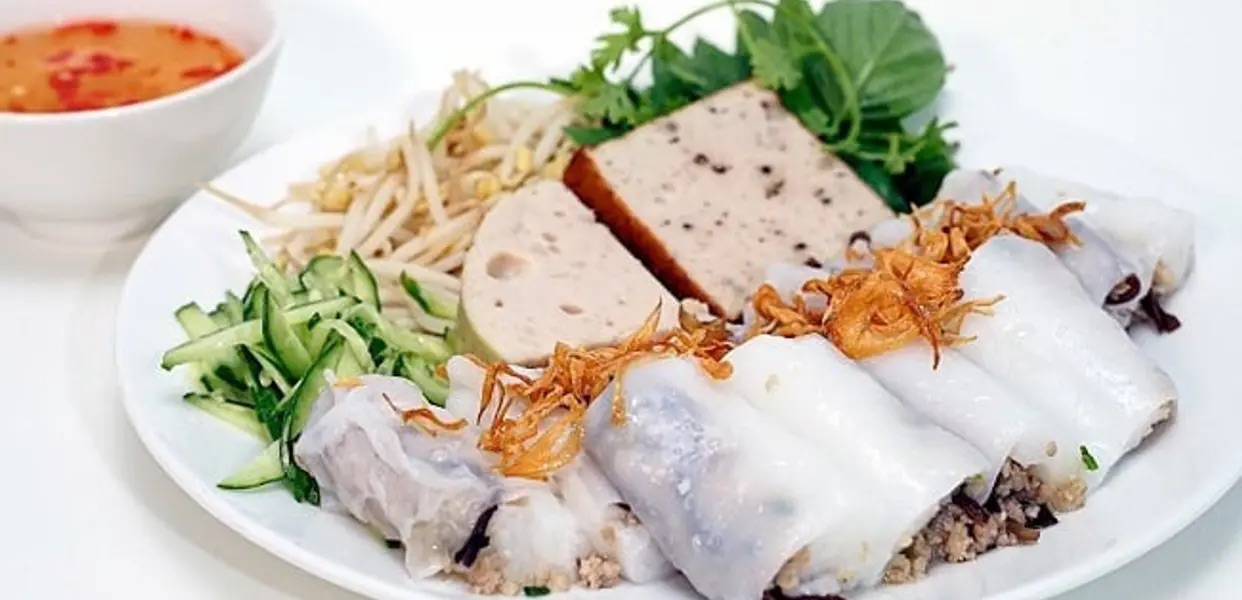
Delicate rice sheets, a savoury pork and mushroom filling, and crispy fried shallots make Bánh cuốn a much-loved Vietnamese breakfast. Served with fresh herbs, crunchy vegetables and a sweet and tangy fish sauce dip, these tender rice rolls are full of flavour and texture.
With this Banh Cuon recipe, you can make Vietnamese rice rolls at home using a nonstick pan with a lid. No special steaming equipment is needed. This version features a generous filling and a variety of accompaniments inspired by the way Bánh cuốn are enjoyed in Saigon.
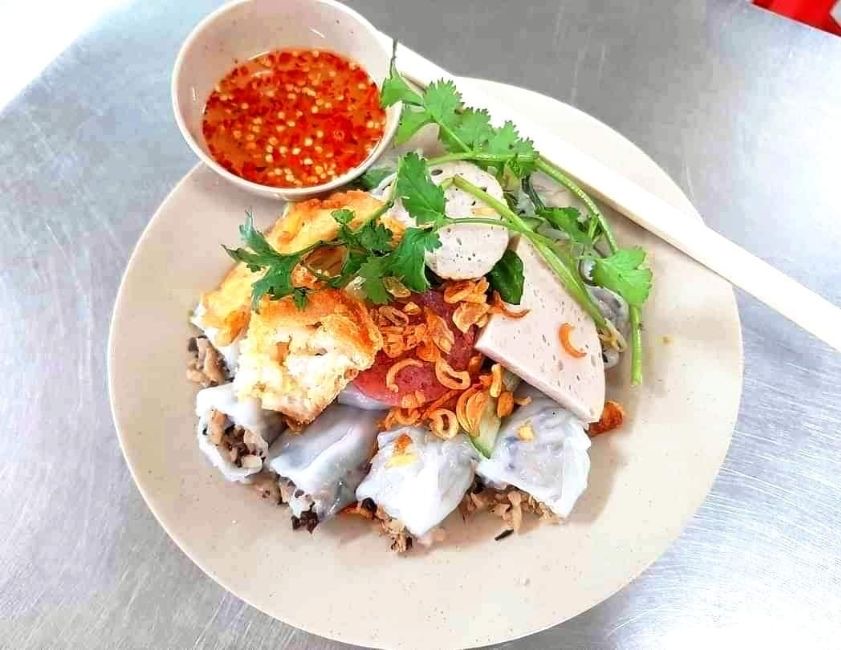
Bánh cuốn are a traditional Vietnamese breakfast dish closely associated with northern Vietnam. One of the best-known varieties is Bánh cuốn Thanh Trì from Hanoi.
As people moved south, the dish became popular in Saigon and developed local variations. These often feature more meat in the filling, a slightly sweeter dipping sauce and a wider selection of accompaniments, such as Vietnamese pork sausage, cinnamon pork sausage, boiled pork and blanched mung bean sprouts.
Traditionally, the thin rice sheets are cooked on a cloth stretched over a steaming pot. A nonstick pan offers a convenient alternative for making soft, freshly cooked Bánh cuốn at home.
Fresh Bánh cuốn have thin, slightly translucent rice wrappers with a soft, silky texture. Inside is a savoury filling of minced pork, onions and finely chopped wood ear mushrooms, which add a gentle crunch.
Golden fried shallots provide fragrance and crispness. Fresh herbs, cucumber and blanched sprouts balance the rich filling, while a warm, sweet and tangy fish sauce dip brings everything together.
Difficulty: Easy, with a little practice needed to make the rice sheets.
The key is to use the right flour-to-water ratio, allow the batter to rest and maintain an even pan temperature. A quick swirl helps spread the batter into a thin, even layer.
Equipment: A nonstick pan with a matching lid, a ladle, a large mixing bowl and a lightly oiled plate or tray.
Thinly and evenly slice the shallots. Rinse briefly, then pat dry thoroughly. They should be as dry as possible before frying.
Lightly coat with tapioca starch and shake off any excess.
Heat approximately 400 ml oil in a suitable saucepan or deep frying pan. Fry the shallots in batches over medium heat until pale golden. Remove and drain well. They will continue to darken slightly after being taken out of the oil.
Reserve a little of the shallot oil for cooking and brushing the rice rolls.
Soak and prepare the wood ear mushrooms according to the package instructions. Rinse thoroughly, remove any tough parts and finely chop.
Mix the minced pork with the salt, sugar, pepper and optional MSG. If using fish sauce or seasoning powder, reduce the salt accordingly. Leave to marinate in the refrigerator for about 15 minutes.
Heat a little oil in a frying pan. Add the chopped shallots and onions and cook until softened and fragrant.
Add the pork and stir-fry, breaking it into small pieces. Add the chopped mushrooms and continue cooking until the pork is fully cooked and the filling is no longer too wet.
Taste, adjust the seasoning and set aside.
Combine the rice flour and tapioca starch in a large bowl. Gradually pour in the lukewarm water while stirring until the batter is smooth and free of lumps.
Stir in the salt and oil. Cover and refrigerate for at least one hour. You can also prepare the batter the evening before and leave it in the refrigerator overnight.
Tip: Stir the batter thoroughly before cooking and between batches, as the starch settles at the bottom.
Place the fish sauce, sugar and water in a small saucepan. Bring briefly to the boil, stirring until the sugar has dissolved.
Allow to cool slightly, then add the lime juice and chopped chilli. Adjust to taste. The sauce should be mild, sweet, tangy and savoury.
Serve lukewarm.
Warm a nonstick pan over medium heat. Brush the base with a very thin layer of oil, leaving no large droplets.
Stir the batter well. Depending on the size of your pan, add approximately half a small ladle of batter and immediately swirl the pan to coat the base with a thin, even layer.
Cover with the lid and cook for approximately 15–20 seconds. The exact time will depend on your hob, pan and the thickness of the batter.
The rice sheet is ready when it looks slightly translucent and no wet batter remains.
Carefully turn the cooked rice sheet out onto a lightly oiled plate or tray, taking care around the hot pan and escaping steam.
Spread a spoonful of filling over the sheet. Fold in the sides if desired, then gently roll it up while it is still warm and flexible.
Repeat with the remaining batter and filling. Lightly brush the finished rolls with a little shallot oil to help prevent sticking.
Arrange the warm Bánh cuốn on plates and sprinkle generously with crispy fried shallots.
Serve with your choice of sliced Vietnamese pork sausage, thinly sliced boiled pork belly, blanched sprouts, cucumber and fresh herbs.
Offer the warm dipping sauce on the side or spoon some over the rice rolls.
Many of the ingredients are available in Asian grocery shops. Use the following names when shopping:
| Ingredient | German name or search term |
|---|---|
| Rice flour | Reismehl – not Klebreismehl |
| Tapioca starch | Tapiokastärke |
| Dried wood ear mushrooms | Getrocknete Mu-Err-Pilze |
| Fish sauce | Fischsauce |
| Shallots | Schalotten |
| Minced pork | Schweinehackfleisch |
| Pork belly | Schweinebauch |
| Mung bean sprouts | Mungobohnensprossen |
| Vietnamese pork sausage | Vietnamesische Schweinefleischwurst / Chả lụa |
Rice flour, tapioca starch, fish sauce and dried wood ear mushrooms are typically found in Asian grocery shops. Vietnamese pork sausages may be sold chilled or frozen, depending on the shop.
Minced pork and pork belly can also be purchased from a butcher or supermarket meat counter.
Large droplets of oil on the pan can create holes in the rice sheets. Use only a very thin, even film of oil.
If a sheet tears, it may not be fully cooked or may be too thick. Cook it a little longer with the lid on and try using less batter for the next sheet.
An overheated pan can also cause problems: the batter sets before you have time to spread it evenly. Lower the heat slightly and try again.
Resting allows the flour and starch to absorb water evenly. This can help produce smoother, more flexible rice sheets.
Keep the batter covered in the refrigerator and stir thoroughly before using.
Lightly oil the surface you turn the rice sheets onto and brush the finished rolls with a thin layer of oil. Reserved shallot oil adds extra flavour.
Arrange the rolls side by side where possible, and lightly oil them before stacking.