Vietnamese Sweets: Must-Try Items
If you are looking for novel taste experiences while maintaining nutritional balance, Southeast Asian specialties are a suggestion worth considering....
read more

FREE Express Shipping On Orders $99+

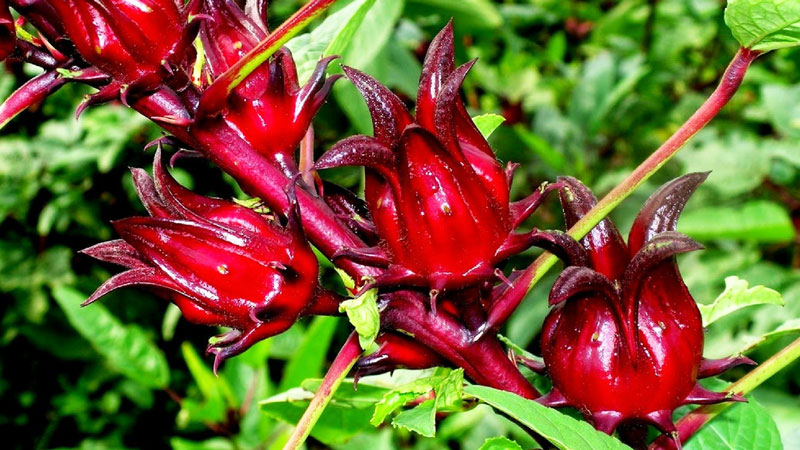
As plant-based food consumption trends continue to grow in Germany, candied hibiscus flowers are gradually becoming known as a new choice in the dried fruit category.
The article below will help you understand what candied hibiscus flowers are, their flavor characteristics, how to use them, and why this product offers a different experience from ordinary snacks.
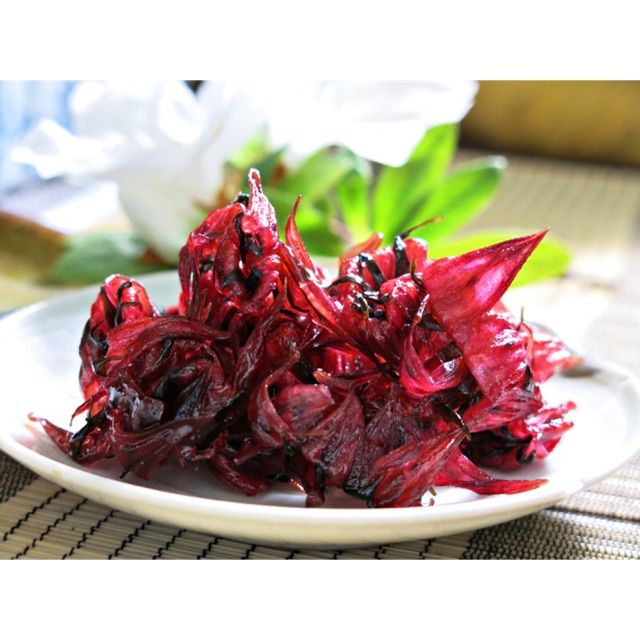
Soft-dried roselle flowers with eye-catching colors and a distinctive flavor (Image source: Internet)
Candied hibiscus flowers are the edible calyx of the hibiscus flower, belonging to the group of edible flowers used in international cuisine.
Unlike green artichokes, which are commonly used in cooking, hibiscus is better known in drinks or sweet dishes. In its candied form, the flower retains its whole-flower shape, along with a soft, chewy texture and a light crispness when chewed.
Compared with other types of tropical dried fruit, this product offers a different experience thanks to its original form and natural tartness, creating a feeling that is both familiar and new when enjoyed.
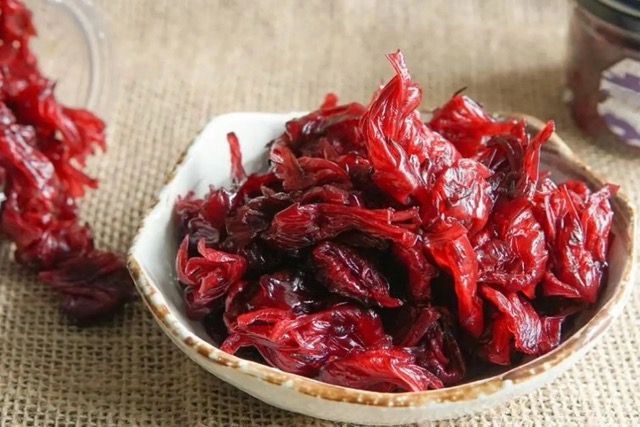
Roselle flowers with a unique texture — slightly crispy on the outside and chewy inside (Image source: Internet)
The difference of the product lies in how it preserves the natural characteristics of the ingredient and in four unique features:
This is the most special point. A modern drying process helps the petals stay soft and chewy while still retaining the crisp bite of the fresh calyx. This contrast creates an extremely enjoyable mouthfeel when eaten.
If you are afraid that many types of dried fruit are too sweet, this is the perfect choice. With a low-sugar preparation, we retain 70% of the flower’s original tartness. This helps you enjoy the snack without worrying about weight or excessive sugar intake.
The flower’s vibrant red color is completely natural and contains a very high level of antioxidants. Eating hibiscus flowers every day is not only snacking, but also a natural way to help support skin rejuvenation and strengthen the immune system.
The product is not only for eating directly. You can use it as a premium decorative ingredient: drop it into a glass of wine so the flower blooms beautifully, or decorate a morning yogurt bowl to turn an ordinary meal into something as elegant as a restaurant dish.
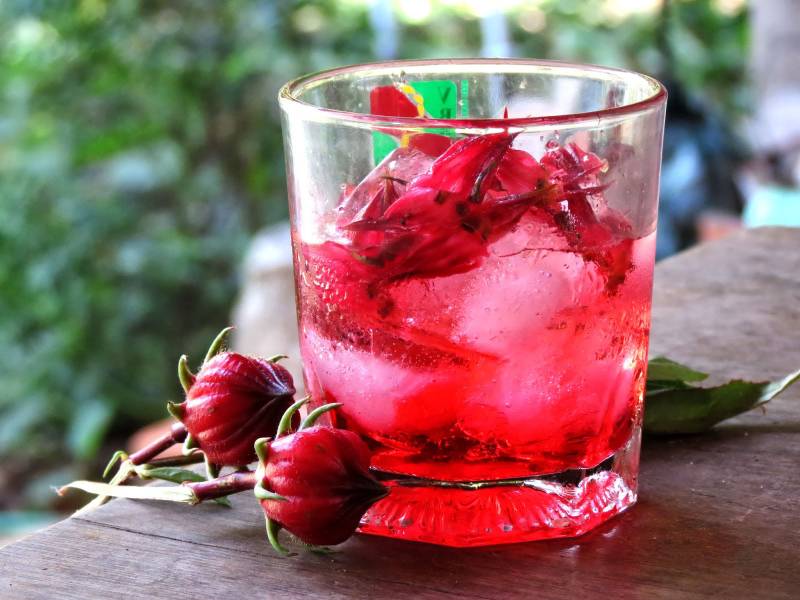
Soft-dried roselle flowers can be used to create many different dishes and drinks (Image source: Internet)
Candied hibiscus flowers can be used flexibly in many situations:
Thanks to this flexibility, the product is suitable for many different eating habits.
In Germany, hibiscus usually appears in the form of tea or chopped dried flowers.
The whole-flower candied version offers a different approach: users can eat it directly to fully experience the flower’s shape and texture.
This is suitable for users who are interested in plant-based foods, as well as products that are experience-driven and authentic in character.
Can you eat the whole candied hibiscus flower?
Yes. Hibiscus is an edible flower. You can confidently enjoy it in full, from the petals to the calyx, after it has been candied.
Does the product use artificial coloring?
Absolutely not. The ruby-red color is the natural pigment of hibiscus flowers, preserved through a gentle low-temperature processing method.
How should it be stored to keep its chewy-crisp texture?
It should be kept in a dry, cool place. After opening the package, storing it in the refrigerator is the best way to maintain the flower’s color and texture.
Candied hibiscus flowers are a unique choice in the dried fruit category, offering a different experience in shape, texture, and flavor.
Once you understand the characteristics of candied hibiscus flowers, you can use this product flexibly in your daily eating habits, from light snacking to more creative pairings.
Note: The information is for reference only. The product is a regular food product and does not replace medical advice.
(1) Information on anthocyanin pigments in hibiscus – according to PubMed.
(2) Analysis of the natural characteristics of Hibiscus sabdariffa – according to CABI Digital Library.