Vietnamese Drip Coffee: Pro Brewing Tips
Among the many modern brewing methods available today, Vietnamese phin drip coffee still holds a special place in daily life...
read more

FREE Express Shipping On Orders $99+

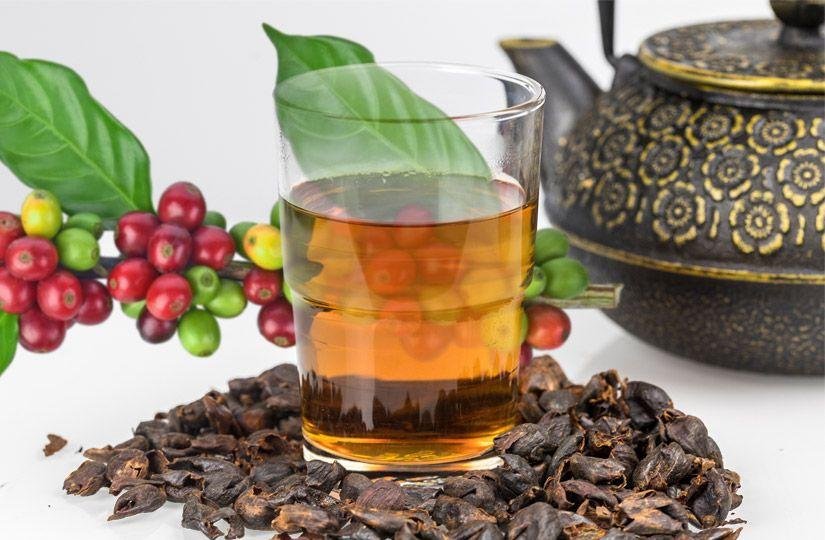
Over the past few decades, the agricultural industry has primarily focused on harvesting the inner bean. Recently, however, culinary enthusiasts have begun paying attention to cascara tea, an incredibly unique beverage extracted from the bright red ripe fruit husk. Experiencing this drink offers a completely novel sensory journey. Far beyond ordinary imagination, this forgotten treasure is gradually opening a promising new chapter for the global premium beverage industry.
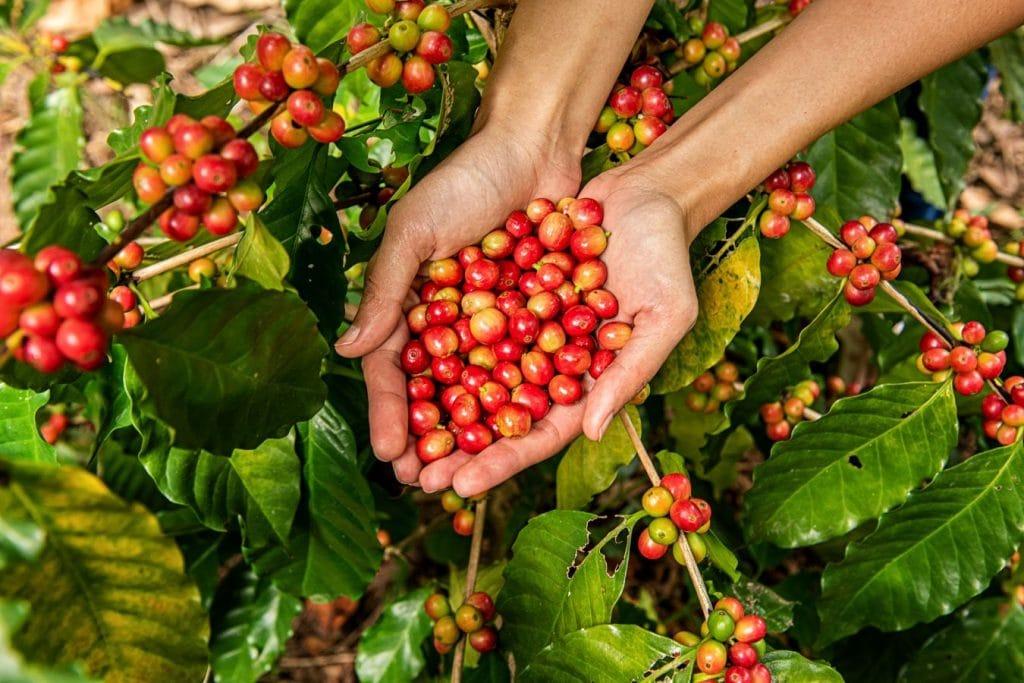
Ripe coffee cherries are the key ingredient for Cascara tea, offering a distinctive fruity flavor. (Source: Internet)
Throughout the global history of agricultural farming, the inner bean has always been considered the core element and valued the highest, while by-products are often left behind. For this perennial industrial crop, the juicy outer husk enveloping the bean is often ruthlessly discarded during wet or dry processing. A centuries-old prejudice held that this husk offered no economic benefits. Furthermore, the massive amount of organic waste released into the natural environment can cause severe groundwater pollution, reduce oxygen levels in the water, and alter the pH of the cultivated soil surrounding the processing area. Wasting this precious organic resource was once a daunting environmental challenge for large-scale farms.
However, a shift in ecological awareness has completely changed the landscape. The concept of cascara tea began gaining traction when botanists and culinary experts recognized the flavor profile hidden within this delicate husk. When processed correctly, the fruit husk is now treasured, reborn into an elegant beverage that both connects humans with original natural values and completely resolves the agricultural waste issue.
To produce cascara tea that meets the highest safety, hygiene, and quality standards, the processing requires absolute strictness right from the initial steps on the farm. Not just any husk can be used as an ingredient. Professional farms solely select Arabica fruits that reach perfect ripeness, featuring plump husks and an evenly bright red color. Harvesting must be done meticulously by the hands of skilled workers. This rule ensures the fruit is not crushed, scratched, or cross-contaminated before entering the next crucial processing stage.
After the ripest fruits have their beans carefully separated, the husks are immediately washed through a clean water system multiple times to completely remove dirt. The subsequent drying process is the most vital key in determining the final quality. The husks must be sun-dried on specialized drying racks under natural sunlight or dried in a tightly controlled temperature environment. This helps retain the natural color while concentrating the sugar content and preserving the delicate flavor compounds inside. Any negligence in moisture control can lead to mold fermentation, completely ruining the expensive batch of ingredients.

Cascara tea has an amber color with delicate aromas of fruits and flowers. (Source: Internet)
One of the most common misconceptions is that consumers often think cascara tea will taste like a traditional roasted cup of coffee. However, cascara is actually a fruity herbal tea. When tasting it, you will absolutely not find the harsh bitterness or the rustic roasted aroma characteristic of espresso. Instead, this beverage possesses an incredibly light, elegant, and complex flavor profile similar to a premium black tea.
Right from the first sip touching the tip of the tongue, the drinker will easily recognize the faint aroma of wild roses, intertwined with the sweet notes of dried apples and tropical red berries such as hibiscus, cranberry, or ripe cherry. The gentle natural sweetness lingers in the throat, combined with a slight tartness to create a captivating balance. The natural caffeine content in this drink is also significantly lower than the original bean, providing a smooth sense of alertness without causing jitters or insomnia, making it ideal for a relaxing afternoon.
In the context of severe climate change and resource depletion becoming an urgent global issue, the agricultural sector is constantly striving to find ecological solutions. Choosing cascara tea is not merely a simple culinary enjoyment but also a strong statement supporting a green lifestyle and a circular economy model. By maximizing the use of the previously ruthlessly discarded husk, producers have successfully turned a severe environmental problem into a promising economic opportunity. This process directly contributes to reducing millions of tons of organic waste that pose a greenhouse gas emission risk to the atmosphere.
Furthermore, a truly sustainable beverage must bring practical economic and social value to all links in the supply chain. The successful commercialization of the fruit husk has opened up a crucial second source of income for the farmers directly cultivating it. Instead of relying solely on the price of the coffee bean, which frequently fluctuates with the market, they can now significantly increase profits on the same available farming area. This directly improves livelihoods in rural areas, creating a massive motivation to encourage people to continue committing to and pursuing nature-friendly ecological farming methods.
In recent years, the shift toward cultivating specialty varieties has paved the way for many derivative product lines to develop. The Vietnamese cascara product line began catching the attention of consumers thanks to the sustainable farming efforts of farmers in key Arabica growing regions like the Central Highlands. According to a 2024 report by Allied Market Research, the global market for cascara products is expected to reach $1.2 billion by 2032 [1]. Catching this trend, Vietnamese enterprises are not only serving the domestic market but also successfully exporting cascara tea to markets with high standards, such as Japan.
In mountainous areas with ideal altitudes, meticulously cared-for ripe fruits are harvested not only for the beans, but the husks are also carefully collected to preserve the best flavor structure. The ingredients from Vietnamese farms carry their own unique characteristics, harmoniously combining the sweetness of fresh fruit with the rustic nature of the local terroir. This development is a clear testament that the agricultural sector can absolutely optimize crop value and create highly applicable new products while protecting the natural ecosystem.

Using the right temperature and brewing time helps preserve the full flavor of Cascara tea. (Source: Internet)
To exploit and fully experience the delicate notes hidden deep within the ingredients, the brewing process requires the brewer to follow these basic steps:
The signature color of this beverage after brewing is a crystal-clear amber, sparkling with incredibly beautiful pale red hues under the light. This drink can be enjoyed originally while hot to clearly perceive the floral aroma notes, or modified by adding ice and a thin slice of lemon to become a refreshing thirst-quencher that awakens all senses on sweltering summer days. Additionally, a creative combination with cold sparkling mineral water or a bit of raw honey will also unlock extremely captivating recipes, bringing natural positive energy to the body.
The miraculous transformation from a once-forgotten waste product into a unique beverage line is the most convincing testament to the culinary industry’s smart resource utilization capabilities. Not only does cascara tea offer a novel and captivating tasting experience with notes of sweet fruit and wild roses, but it also proudly represents a humane consumption trend with a deep sense of responsibility toward our shared ecosystem. The steady development and increasingly broad coverage of this beverage are making a significant contribution to reshaping the entire supply chain, bringing true economic value and sustainable development to both diligent farmers and informed consumers globally. If you are ready to discover the elegant fruity flavor and support the circular agricultural value chain, order VietNatur cascara tea on the website now to experience this wonderful natural beverage yourself.
Source:[1] vietnamplus.vn

Content Writer
Mit über 2 Jahren Erfahrung in der Erstellung von Inhalten rund um Reisen, Kultur und Kulinarik verfasse ich informative und inspirierende Beiträge. Bei VietNatur möchte ich Geschichten über vietnamesische Spezialitäten, einzigartige Aromen und die Schönheit der vietnamesischen Kultur teilen – und als Brücke dazu beitragen, diese auf authentische Weise internationalen Freunden näherzubringen.