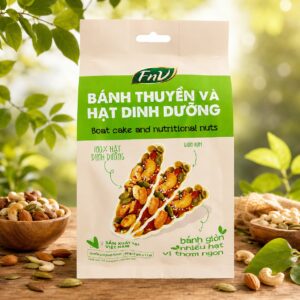
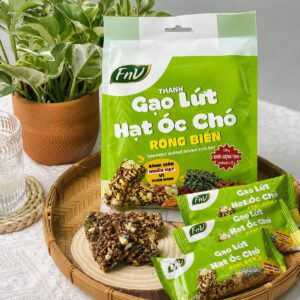
Best Hiking Snacks: Energy Foods for Outdoor Adventures
Hiking and trekking are outdoor activities that build endurance, improve physical fitness, and help recharge your mental energy. However, to...
read more

FREE Express Shipping On Orders $99+

When engaging in physically demanding activities under high temperatures, the body’s cooling system must operate at maximum capacity. Continuous sweating causes a rapid loss of water and essential minerals. If this balance is not promptly restored, you can easily fall into a state of heat exhaustion. The following article will analyze basic physiological responses and share practical habits to help you maintain stable stamina when walking in the sun.
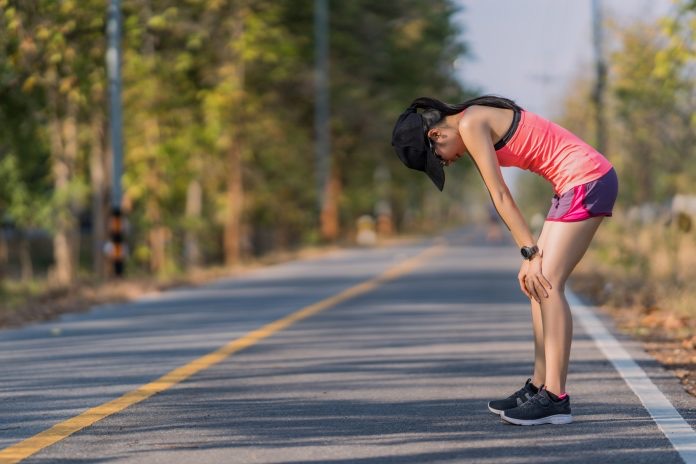
One cause of exhaustion when walking in the sun is prolonged fluid loss (Image source: Internet)
The human body’s thermoregulatory system is an incredibly sophisticated biological mechanism. When the surrounding environmental temperature rises, the body prioritizes all resources to maintain a safe core temperature of around 37 degrees Celsius. The first physiological response is peripheral vasodilation. The circulatory system will automatically adjust, pushing a large amount of blood from internal organs to the capillary areas under the skin to release excess heat into the air.
At the same time, millions of sweat glands on the skin’s surface begin working at high intensity. The process of converting sweat from a liquid to a gas (evaporation) is the most effective method for cooling down. However, if the air humidity is too high, sweat will only drip and cannot evaporate, reducing cooling efficiency and wasting water reserves. Furthermore, sweat not only contains water but also dissolves highly important electrolytes for neuromuscular function, such as sodium, potassium, and chloride.
When you are walking in the sun for a long period, this defense mechanism must work continuously without rest. Prolonged fluid loss is the primary trigger for heat exhaustion. It directly reduces plasma volume—the fluid that makes up the bloodstream. To cope with the decreased blood volume, the heart is forced to pump harder and beat faster to maintain stable blood pressure, ensuring enough oxygen is supplied to the working leg muscles.
This accumulated stress on the cardiovascular system is why you begin to feel physically exhausted, intensely thirsty, and gradually lose concentration. If this deficit exceeds the natural regulatory threshold, you will face heat exhaustion syndrome. This is an emergency warning response, characterized by symptoms such as cold sweats, pale skin, rapid heartbeat, dizziness, lightheadedness, and sometimes nausea. Understanding the nature of these physiological limits is the foundation for proactively avoiding risks on long journeys.
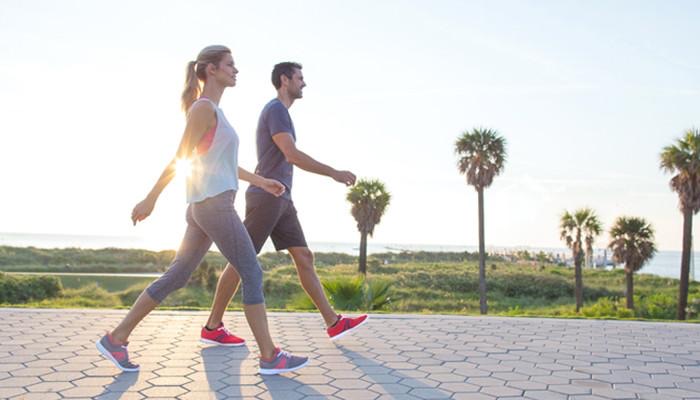
Some helpful tips to help your body adapt to hot weather during physical activity (Image source: Internet)
Preventing the risk of heat exhaustion does not rely on complex medical interventions. It requires understanding the body and discipline in maintaining scientific lifestyle habits, allowing the body to gradually adapt to the environment.
Proactive and well-paced hydration strategy
The most common mistake on excursions is waiting until your throat is parched before seeking water. From a physiological perspective, the feeling of thirst is a rather delayed signal, indicating the body has already lost about 1-2% of its fluid proportion. To optimize the hydration process, start taking in about 400ml of filtered water 1 to 2 hours before departure. During the journey, maintain the habit of taking small sips every 15 to 20 minutes. Drinking too much water at once can put pressure on the stomach, cause side stitches, and suddenly dilute the electrolyte concentration in the bloodstream.
Maintaining the balance of essential minerals
Pure filtered water is a foundational element, but if prolonged activity causes continuous sweating, the body will need more than that. Severe sodium deficiency easily leads to muscle spasms, cramps, or temporary nervous exhaustion. Alternating with natural coconut water, a little diluted salt water, or sports drinks will help comprehensively prevent the risk of heat exhaustion. In particular, you should minimize beverages containing large amounts of caffeine or concentrated soft drinks. Caffeine has diuretic properties, promoting water excretion, while high sugar concentrations force the body to draw water back from cells to dilute the stomach, making thirst more persistent.
Optimizing clothing and distributing rest time
The clothes you wear act as a protective filter for your skin against solar radiation. Lightweight, breathable materials like cotton or linen in light colors will help reflect heat, supporting the smooth evaporation of sweat. A wide-brimmed hat to shield the head and neck area—where an important neural network is concentrated—is an indispensable item. Furthermore, the body’s heat adaptation process always takes time. Do not try to maintain a continuous high speed. Proactively survey the terrain to look for cool, shaded areas. Actively stopping to rest for about 5-10 minutes after every hour of activity helps the heart rate and body temperature gradually lower, thereby minimizing the risk of heat exhaustion.
See also:
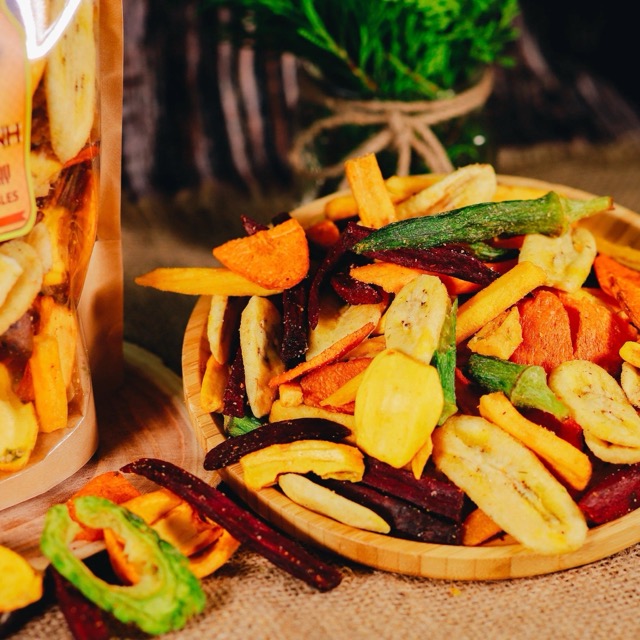
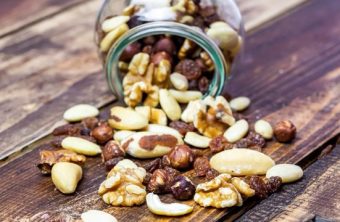
Some ideal snacks to consider for outdoor activities (Image source: Internet)
When the environmental temperature rises, the body prioritizes distributing blood to the peripheral capillary system and muscles. The inevitable physiological consequence is a significant drop in the blood flow supplied to the digestive organs. That is the main reason why you often feel a loss of appetite, or easily experience bloating and indigestion if you consume heavy, greasy meals during the trip.
To maintain endurance without creating additional metabolic burden on the stomach, preparing energy sources specifically designed for outdoor activities is a smart solution. Providing simple carbohydrates at the right time not only helps stabilize blood sugar levels but also contributes to repelling heat exhaustion. Here is how to arrange ideal snacks for your journey:
The delicate combination of natural ingredients creates a particularly harmonious flavor profile. The elegant tartness of kumquat combined with the warm, aromatic spiciness of ginger helps refresh the palate instantly. The simple sugars from honey support rapid carbohydrate absorption into the blood. Furthermore, dried ginger with kumquat and honey contains natural compounds that are very friendly to the stomach, supporting digestive soothing and causing absolutely no bloating, making it ideal for nibbling at shady rest stops.
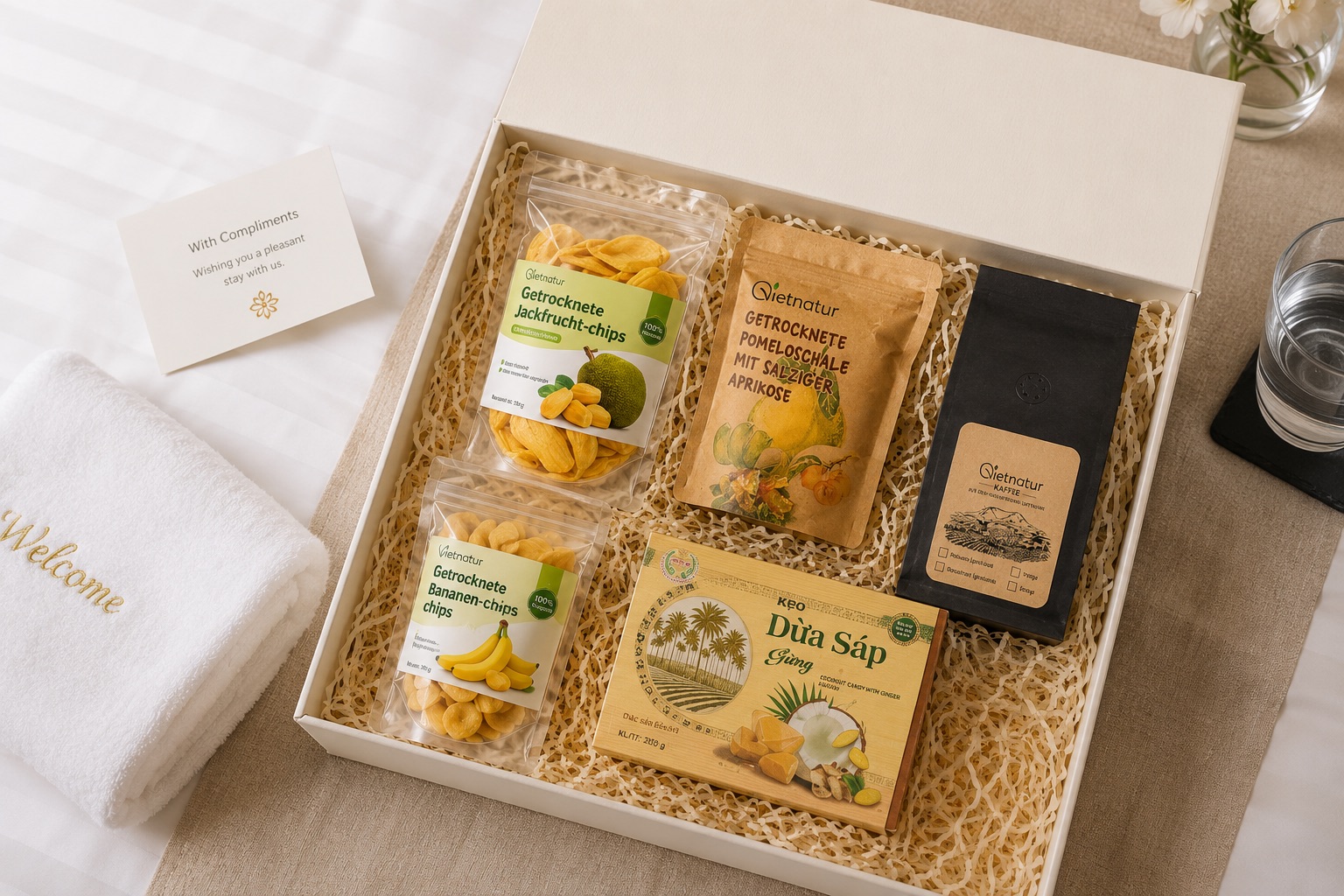
Unlike industrial confectionery, dried pomelo peel coated with salted plum is an elegant choice, harmoniously combining a cool minty and mildly salty-sour taste. The amount of natural essential oils retained in the chewy dried pomelo peel provides a refreshing sensation, effectively soothing the throat. Specifically, the thin layer of salted plum coated on the outside not only helps stimulate the palate and dispel the feeling of a bland mouth, but also helps provide a small amount of sodium—a very useful factor when the body is sweating profusely. This snack provides a light amount of fiber, is gentle on the stomach, and has dry properties, allowing you to easily store it in a backpack without worrying about degradation in sweltering weather.
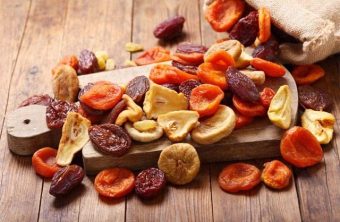
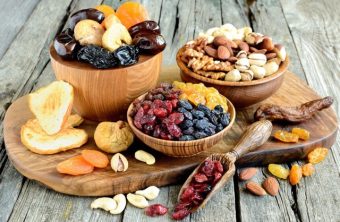
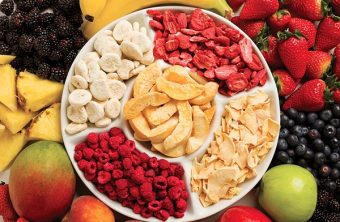
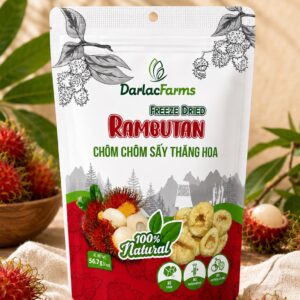
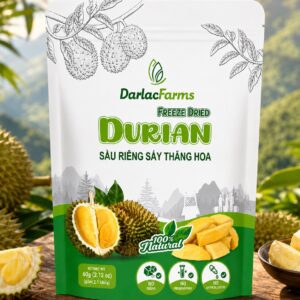
Fresh fruit offers many benefits but is easily crushed and spoils quickly when exposed to high temperatures. In this case, a natural fruit snack is a perfectly flawless alternative. They provide a clean energy source from original fructose, retaining most of the unbroken natural vitamins and minerals. Its convenience, lightness, and ability to quickly restore stamina turn this snack into an indispensable right-hand assistant on any long hiking trip.
A joyful summer journey only truly begins when your health foundation is secured. Thorough preparation from protective clothing and scientific hydration strategies to smart food choices will make a massive difference in stamina. By proactively listening to your body’s signals and properly fueling up with easily digestible snacks, you can absolutely maintain endurance and effectively prevent heat exhaustion syndrome. Take proper care of yourself to turn every hiking excursion into a safe and positively energetic discovery experience.
Entdecke passende VietNatur Produkte zu diesem Thema.