Best Hiking Snacks: Energy Foods for Outdoor Adventures
Hiking and trekking are outdoor activities that build endurance, improve physical fitness, and help recharge your mental energy. However, to...
read more

FREE Express Shipping On Orders $99+

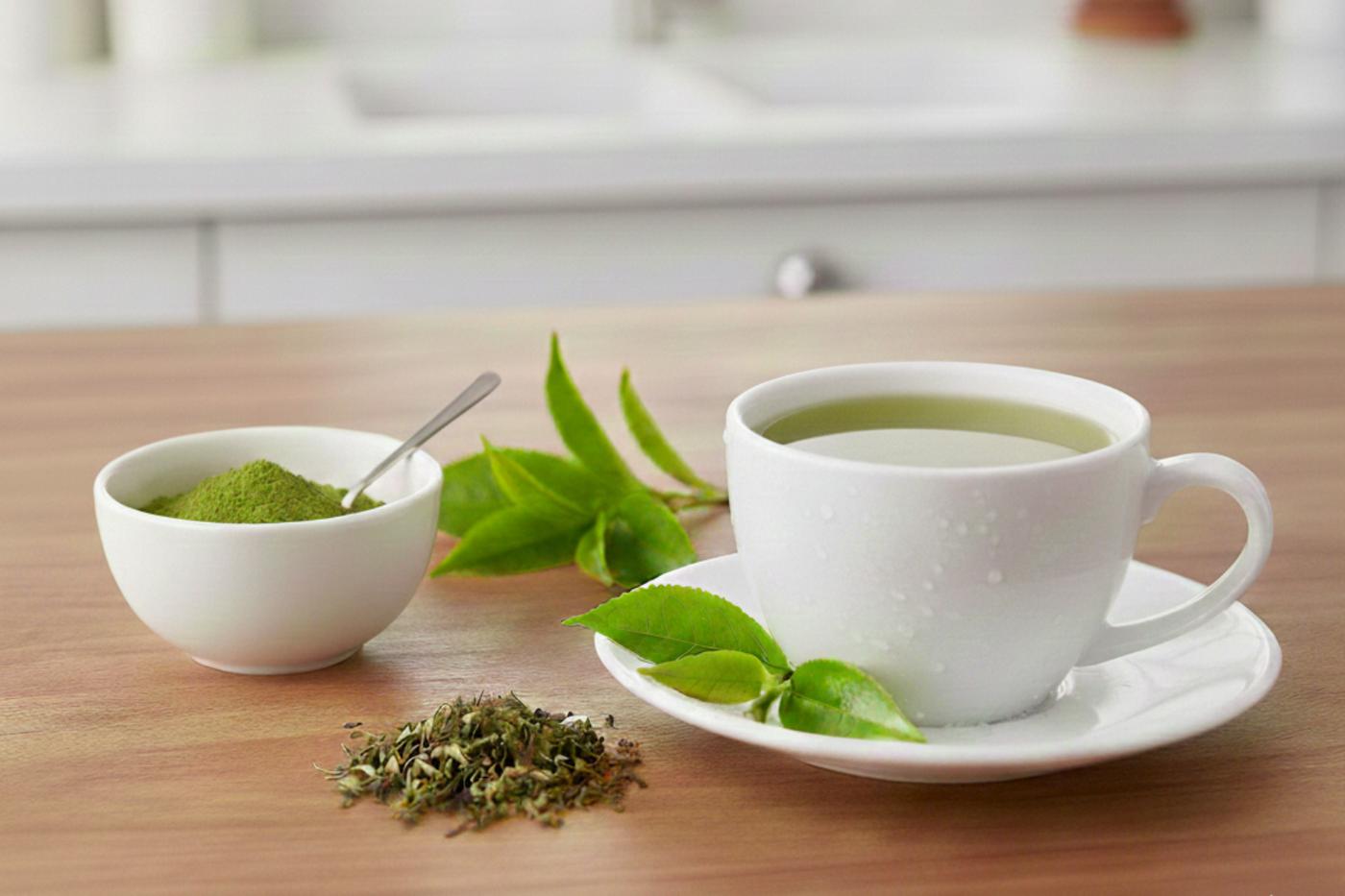
When people think of Vietnamese tea-drinking habits, many immediately picture a steaming teapot on the guest table or a simple cup of freshly brewed green tea enjoyed by the roadside. Behind this familiar tradition lies a rich Vietnamese tea culture, deeply connected to nature and passed down through generations. Today, even amid the busy lifestyle in Germany, you can still experience its elegant simplicity every morning with convenient pure green tea powder.
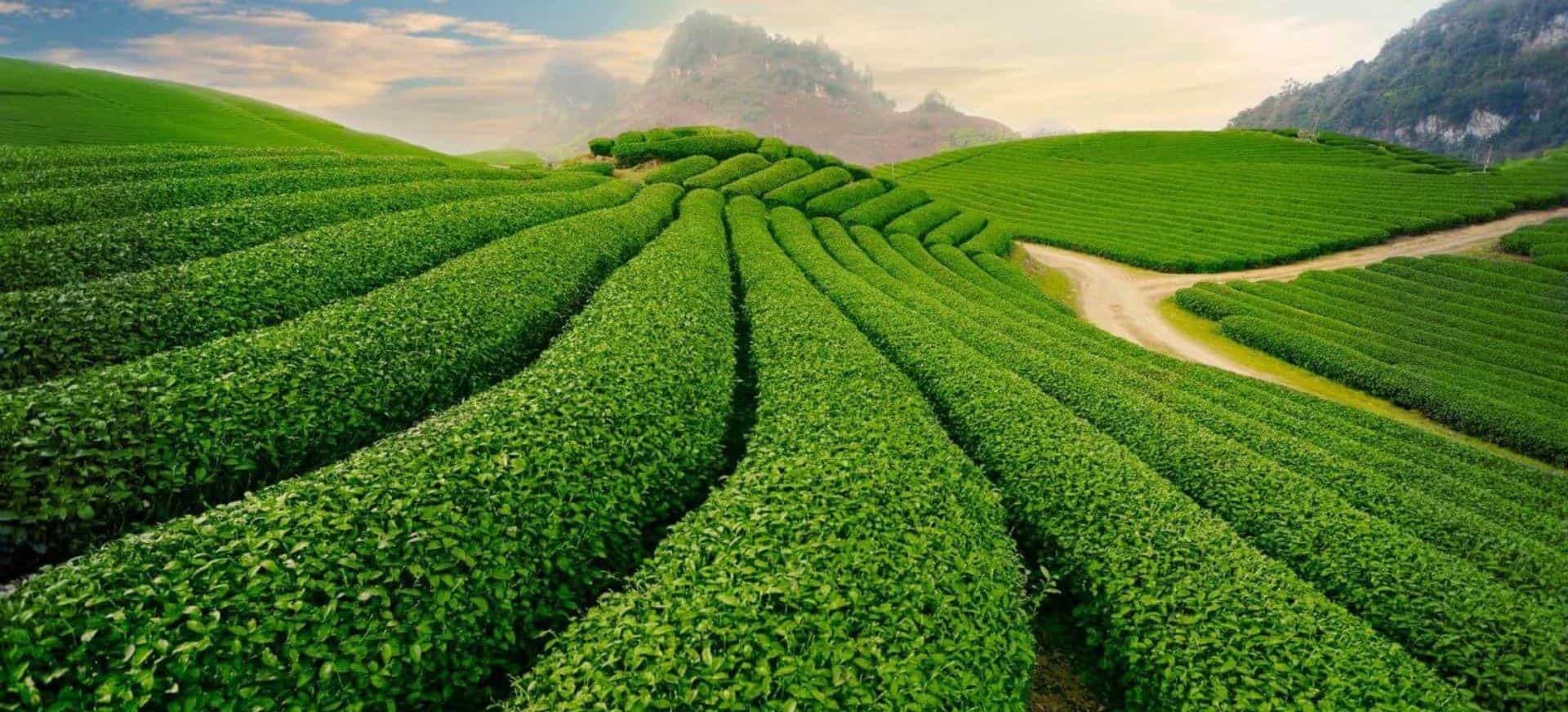
Bao Loc tea hills in the morning mist, a symbol of the Lam Dong highland tea region. (Source: Internet)
To understand why Vietnamese green tea has remained so popular over the years, we need to return to the place where its young tea buds begin their journey. Among Vietnam’s renowned tea-growing regions, the Lam Dong Highlands – particularly Bao Loc and its surrounding areas – have long been regarded as one of the country’s most important tea-producing centers. This region not only supplies a significant volume of tea but also gives Lam Dong highland tea its distinctive flavor profile.
Located on the Di Linh Plateau at an average altitude of approximately 900 meters above sea level, the Bao Loc tea-growing region enjoys a mild and pleasant climate throughout the year. During the dry season, daytime temperatures typically range from 18–25°C, while noticeable temperature differences between early morning and evening often create thin layers of mist that gently cover the hillsides.
The natural morning and evening mist helps maintain stable moisture levels in young tea leaves while reducing direct exposure to intense sunlight. When tea plants grow in cool, humid conditions on fertile red basalt soil, their leaves develop more slowly and accumulate a balanced concentration of natural compounds. As a result, brewed tea typically offers a distinct herbal aroma, with a gentle initial astringency rather than a harsh bitterness, followed by a naturally sweet and refreshing aftertaste.
The sight of lush green tea hills winding through the morning mist is not only an iconic landscape of Vietnam’s Central Highlands but also reflects the close relationship between local soil conditions and agricultural quality. Tea growers here understand that the flavor of the finished tea is shaped by the very air, water and seasonal rhythms of the highlands.
Alongside favorable natural conditions, tea cultivation and processing in Lam Dong also carry the legacy of generations of farmers who have remained closely connected to the region’s red basalt soil. From the traditional tea hills of the former B’Lao region, techniques such as plant care, pruning, manual harvesting and tea roasting have been passed down through generations, gradually integrating modern quality-control processes.
Experienced tea producers pay particular attention to harvesting time. Fresh, clean tea buds and young leaves without bruising are carefully selected before processing. Rather than pursuing higher yields through indiscriminate harvesting, selecting the right stage of leaf growth helps preserve the distinctive flavor profile of highland green tea.
Today, alongside traditional loose-leaf varieties such as B’Lao green tea and Oolong tea, many producers in Lam Dong have adopted low-temperature drying technology and fine grinding using granite stone mills to create pure green tea powder. This approach respects local ingredients while opening up new opportunities for Vietnamese agricultural products to meet stringent food safety standards in international markets, including Germany and the European Union.
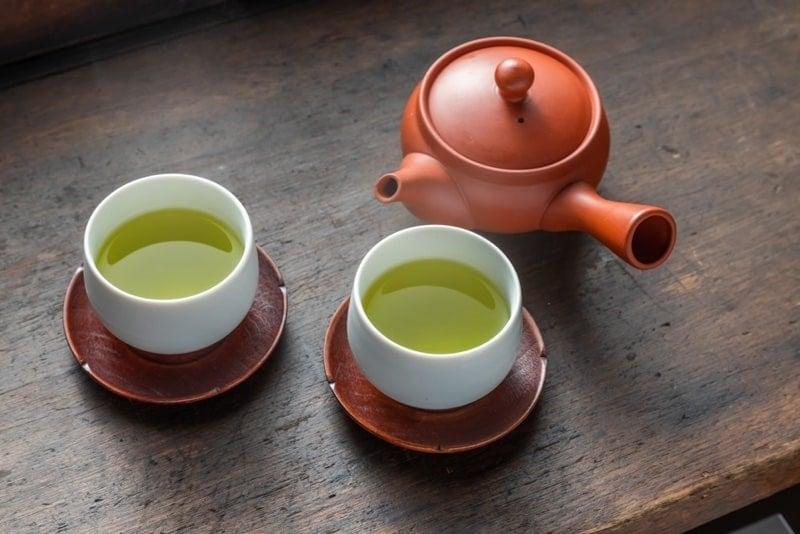
A teapot and small tea cups reflect the simplicity and elegance of Vietnamese tea culture. (Source: Internet)
Across the world, different Asian countries have developed their own approaches to tea. Japan is famous for its highly ritualized tea ceremony, emphasizing every movement and a tranquil atmosphere. China has developed an elaborate tea art tradition featuring specialized teapots, tea utensils and intricate brewing techniques. Vietnamese tea, by contrast, is characterized by its balance between everyday simplicity and subtle refinement.
In Vietnamese daily life, tea is present at almost every moment of the day. People often start their mornings with a pot of hot tea to awaken their senses, welcome guests with a cup as a gesture of hospitality, enjoy a sip after meals to refresh the palate, or gather around the tea table during Lunar New Year celebrations and casual conversations on the sidewalk.
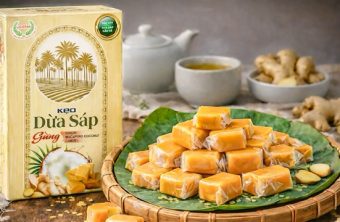
A refreshing cup of tea is often accompanied by simple traditional snacks such as crunchy peanut brittle, sesame candy, delicate mung bean cakes or warming ginger preserves. This harmonious pairing allows the sweetness and richness of the snacks to balance the gentle astringency of the tea.
Vietnamese tea preparation also reflects the transition between tradition and modernity. In the past, many households preferred using traditional clay or porcelain teapots, rinsing them with boiling water before steeping fresh tea leaves or traditionally roasted dried leaves to preserve their aroma.
Today, alongside traditional tea brewing, urban lifestyles have introduced more flexible ways to enjoy tea, such as Vietnamese iced tea, cold-brew tea and finely ground green tea powder that can be stirred directly into a drink within seconds while preserving its original character.
There is no rigid set of rules that one must follow to be considered a true tea drinker. This openness allows tea-drinking habits to naturally become part of everyday life across generations, from older people who appreciate quiet moments to younger generations seeking a light and refreshing daily beverage.
Although Vietnamese tea is simple in presentation, Vietnamese tea drinkers are highly attentive when it comes to recognizing the quality of a good cup of tea. The value of Vietnamese tea does not lie in adding numerous artificial flavorings or excessive sweetness, but rather in preserving the natural purity of the tea leaves.
A well-brewed cup of green tea typically has a bright yellow-green or naturally soft green color, accompanied by a fresh aroma reminiscent of young grass and garden leaves. On the first sip, the mild astringency of natural tannins gently touches the tip of the tongue, creating a clean and refreshing sensation. Just a few seconds later, the astringency gradually fades, giving way to a delicate sweetness that spreads through the throat – a characteristic that Vietnamese tea connoisseurs describe as “slightly astringent at first, naturally sweet afterward.”
This balance between simplicity and refinement creates the distinctive identity of Lam Dong highland tea in particular and Vietnamese tea in general. Tea drinkers are not looking for extravagant complexity but for the authenticity of the ingredients: 100% pure tea leaves, free from additives, allowing every sip to capture the natural flavors of the land.
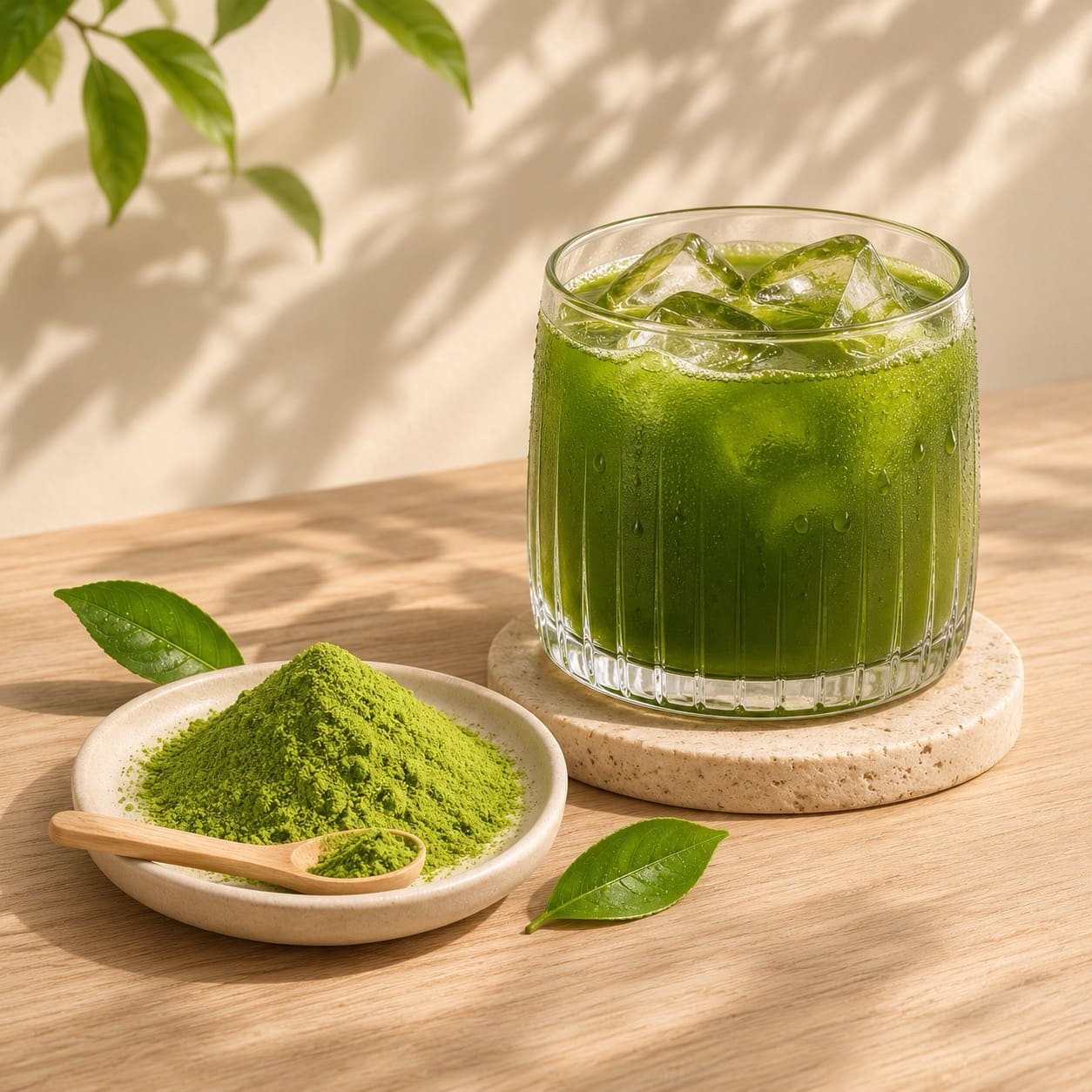
Pure green tea powder offers a convenient way to enjoy tea, fitting the modern lifestyle in Germany. (Source: VietNatur)
When living and working in Germany, daily life is often structured around tight schedules. During winter, mornings remain dark until relatively late. Trains and public transport run on precise timetables, while early work commitments leave little time for yourself before heading out.
Amid such demanding schedules, boiling water to the right temperature, rinsing the teapot, steeping loose-leaf tea for several minutes, straining the leaves and washing the teaware afterward can sometimes feel like an inconvenience. Many people end up choosing the convenience of machine-brewed coffee or industrial tea bags, even though they would prefer a lighter and more natural morning beverage.
However, a morning tea ritual does not necessarily have to be time-consuming or require a complete set of traditional tea utensils. The essence of this ritual lies in consciously setting aside 3–5 quiet minutes at the beginning of the day, listening to your body and starting the morning mindfully rather than immediately rushing into work.
To balance the convenience of modern life in Germany with the desire to experience authentic Vietnamese tea flavors, VietNatur Pure Green Tea Powder 100g offers a practical solution.
The product is made from 100% carefully selected green tea buds and leaves grown in the Lam Dong tea region. It contains no preservatives, added sugar, artificial coloring or flavorings. It is also suitable for vegan diets and contains no allergens.
What makes this green tea powder distinctive is its processing method, which helps preserve the natural characteristics of the tea leaves:
Low-temperature drying and gentle sterilization: Minimizes exposure to excessive heat, helping preserve the tea’s natural green color, plant-based fiber and characteristic fresh aroma.
Fine grinding using granite stone mills: The slow grinding process reduces heat generation, producing an ultra-fine powder with a low moisture content (below 5–10%) while retaining naturally occurring compounds in the tea leaves, including tannins (over 10%), natural caffeine (2–4%), L-theanine and plant protein (20.7 g per 100 g).
The natural combination of caffeine and L-theanine contributes to an alert yet gentle and relaxed feeling.
No steeping or straining required: Since the entire tea leaves have been ground into an ultra-fine powder, you simply stir the powder directly into water or milk and enjoy. This significantly reduces preparation and cleanup time in the morning.
Packed in a light-protective 100 g resealable pouch: The airtight zipper and light-resistant packaging help minimize exposure to air and moisture after each use, making it convenient for everyday consumption by individuals and families in Germany.
Before distribution in Germany, the product undergoes testing in accordance with European Union food standards. It is also manufactured at a facility that meets food safety standards such as ISO 22000:2018 and HACCP, giving consumers greater confidence when incorporating it into their daily diet.
You do not need to change your entire schedule to maintain a morning tea ritual. With just one pouch of pure green tea powder in your kitchen, you can easily adapt your tea preparation to suit the weather and your preferences each day.
A Warm, Classic Green Tea (approximately 1 minute of preparation):
Add approximately ½ teaspoon of green tea powder (equivalent to 1 g) to a cup. Add a little warm water and stir until dissolved, then top up with 200 ml of warm or room-temperature water. If you prefer a milder taste, add a little honey. Sitting by the window and slowly sipping your tea can gently warm you up on chilly mornings in Germany.
Green Tea Latte for an Energetic Workday:
Stir 1–3 g of green tea powder with a small amount of warm water until smooth and creamy. Then add warm dairy milk, oat milk or almond milk. This drink retains the refreshing aroma of highland tea while offering a subtle creamy texture. It pairs particularly well with wholegrain bread or oatmeal for breakfast.
Pairing with a Quick and Easy Breakfast:
On particularly busy mornings, sprinkle a small amount of green tea powder over a bowl of Greek yogurt or overnight oats, or blend it with bananas, mangoes and plant-based milk to create a convenient green smoothie that you can take with you on your way to work.
According to the recommended serving instructions on the product packaging, the suggested daily intake for adults is approximately 3–6 g per day (and 1–3 g per day for children).
To maintain the powder’s vibrant green color and preserve its aroma for as long as possible, always use a clean, dry spoon when scooping it out. Gently press out excess air before sealing the zipper tightly, and store the original pouch in a cool, dry and well-ventilated place.
Ideally, keep it refrigerated below 10°C. The storage period can be up to 12 months under refrigerated conditions or 6 months at room temperature.
The journey from the mist-covered tea hills of Lam Dong to a small kitchen in Germany demonstrates the adaptability and enduring appeal of Vietnamese tea culture.
Although preparation methods may evolve to suit modern lifestyles, the core values remain unchanged: simplicity, authenticity and the moments of relaxation that a pure, refreshing cup of green tea brings to everyday life.