Best Hiking Snacks: Energy Foods for Outdoor Adventures
Hiking and trekking are outdoor activities that build endurance, improve physical fitness, and help recharge your mental energy. However, to...
read more

FREE Express Shipping On Orders $99+

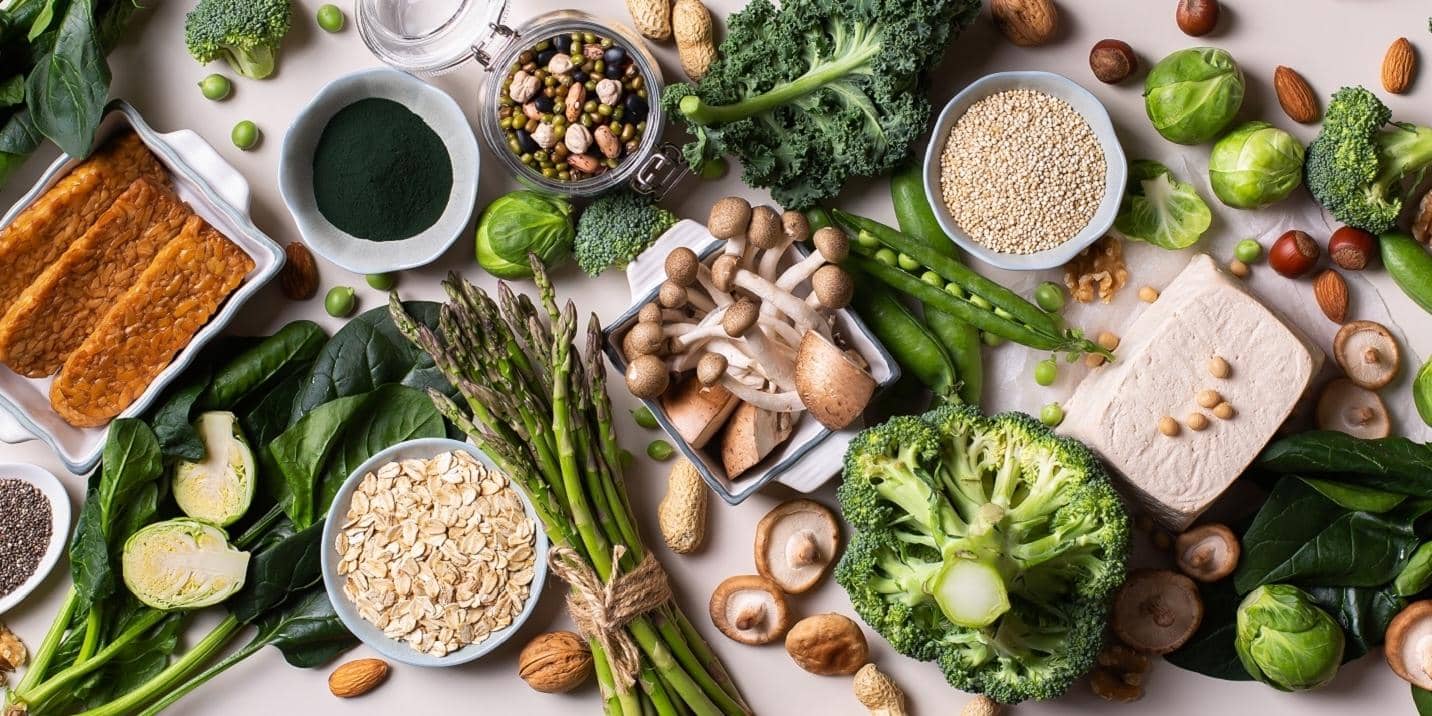
For busy professionals, a convenient plant-based diet is only sustainable in the long term if it saves time while providing sufficient protein and dietary fiber. Instead of relying exclusively on cold salads or industrially manufactured meat substitutes, you can make use of natural ingredients such as legumes, whole grains, and mushrooms. This article explores common challenges in Germany, simple principles for combining nutrients, and a practical one-day meal plan featuring VietNatur products.
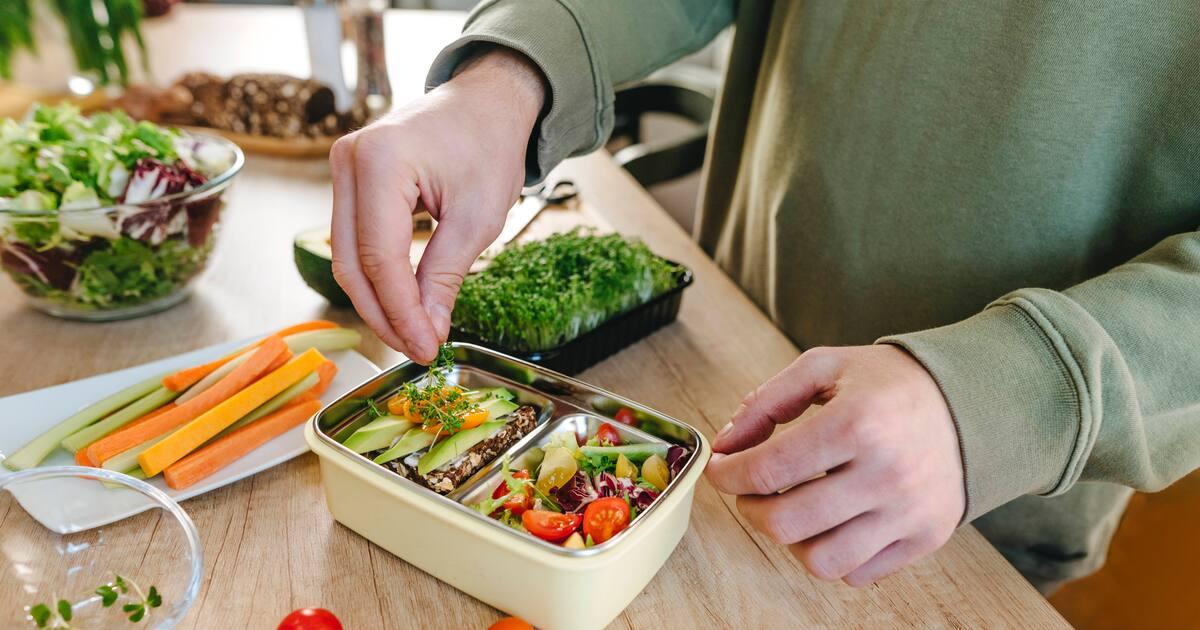
Busy people often choose quick plant-based meals that still provide balanced nutrition. (Source: Internet)
The trends toward plant-based and flexitarian diets are becoming increasingly popular in Germany. According to the updated position of the German Nutrition Society (DGE), a completely plant-based diet or one that significantly reduces animal-derived foods can meet the nutritional needs of healthy adults, provided it is properly planned and attention is paid to essential nutrients such as vitamin B12. However, putting these recommendations into practice amid a busy daily routine can be quite challenging.
One of the first challenges is the risk of insufficient protein intake when meat and fish are suddenly removed from the diet without suitable replacements. According to the D-A-CH reference values recommended by the DGE, healthy adults aged 19–64 need approximately 0.8 g of protein per kilogram of body weight per day. If your office lunch consists only of white bread, mixed salad, or instant vegan noodles, your protein intake may be very low. This can leave you feeling hungry again in the afternoon and make it harder to maintain concentration.
Another challenge is the reliance on ultra-processed meat alternatives. German supermarkets now offer a wide range of vegan sausages, plant-based cold cuts, and ready-made vegetable patties. Although these products are convenient and offer familiar flavors, many contain high levels of salt, saturated fats from refined oils, emulsifiers, or artificial flavorings to create a meat-like texture. If consumed regularly as the main source of protein, they may contribute to excessive calorie intake while providing insufficient natural dietary fiber. The D-A-CH recommendation for adults is at least 30 g of dietary fiber per day.
In addition, preparing fresh ingredients such as soaking beans overnight, cooking legumes until tender, or cleaning mushrooms after work can be time-consuming and discouraging. Therefore, finding a convenient plant-based diet that preserves the natural qualities of ingredients while saving preparation time has become a priority for many young people and office workers.
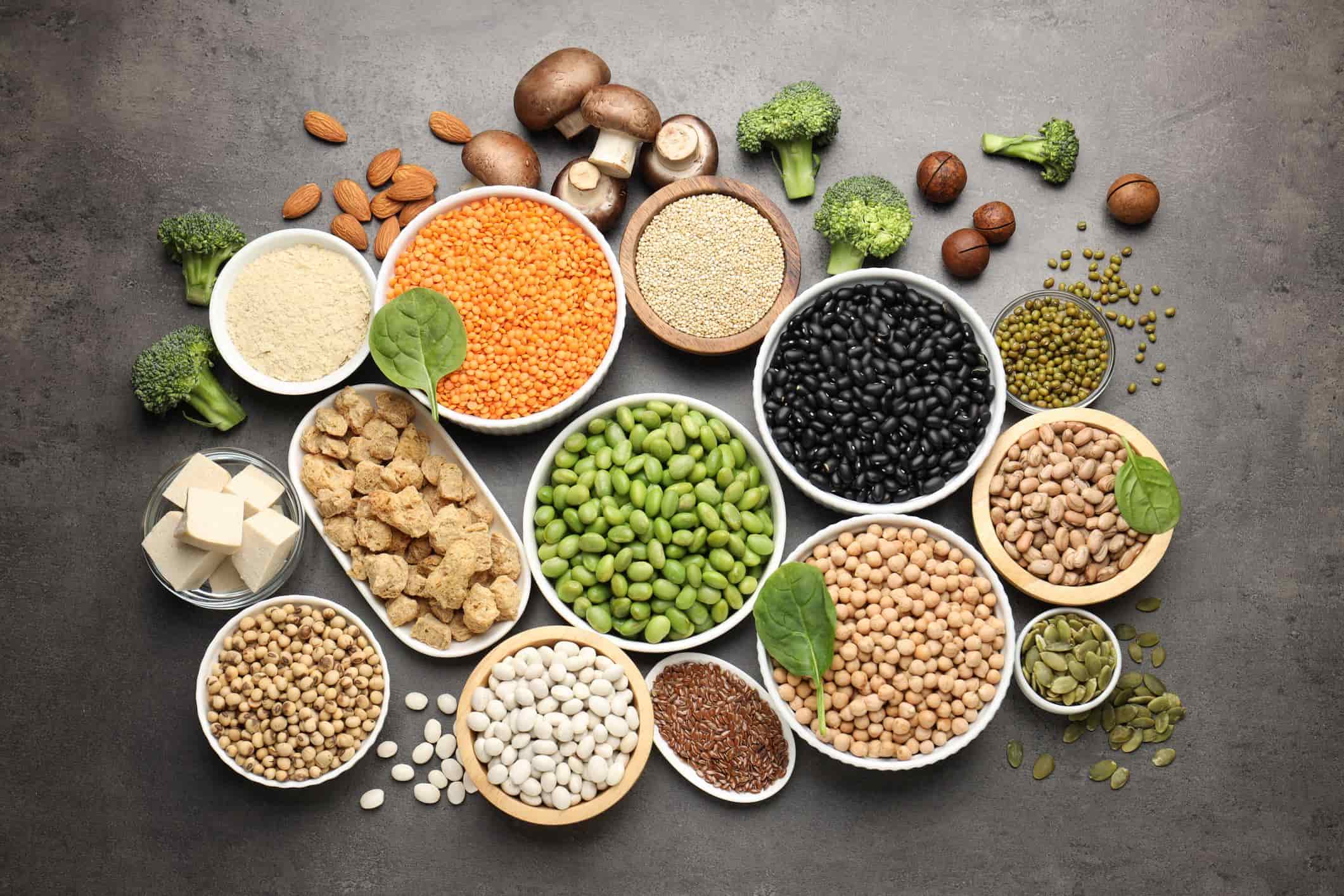
Whole grains, legumes, tofu, and mushrooms are common ingredients in plant-based meals. (Source: Internet)
To prepare balanced meals without spending too much time cooking, you do not need to calculate every nutrient down to the milligram. Simply understanding how to combine different groups of natural plant-based protein sources throughout the day can help provide essential amino acids and a steady supply of dietary fiber.
Unlike animal protein, most plant proteins contain relatively low amounts of certain essential amino acids. For example, legumes are rich in lysine but relatively low in methionine, while whole grains provide more methionine but less lysine.
Combining these two food groups in the same meal or throughout the day – such as eating brown rice with tofu or choosing a grain powder made from oats, chickpeas, and lentils – allows their amino acid profiles to complement each other naturally. This principle has been a long-standing foundation of traditional Asian cuisine, long before modern nutritional science emerged.
Among various plant-based protein sources, tofu made from whole soybeans plays an important role. It has a soft texture, is easy to incorporate into different dishes, and provides valuable plant-based protein.
Unlike isolated soy protein used in industrial meat substitutes, traditional tofu retains its natural structure and pairs well with herbs and spices such as lemongrass, chili, and turmeric.
Meanwhile, mushrooms such as shiitake may contain less protein than soybeans, but they contribute dietary fiber and natural umami flavor. Their pleasantly chewy texture also makes meals more interesting and less repetitive.
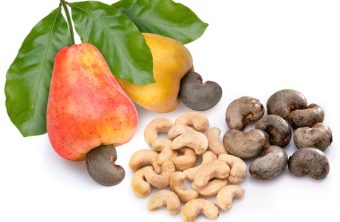
Nuts and seeds such as almonds, cashews, and millet provide additional protein and unsaturated fats. They also add a rich, nutty flavor and help promote a longer-lasting feeling of fullness.
Another traditional technique that can be particularly useful for busy people is using grains and legumes that have been soaked, allowed to germinate, and then roasted. Germination helps break down part of the naturally occurring phytic acid in the outer layers of seeds, which may improve digestibility when these ingredients are consumed in powdered form.
By applying all three principles, a convenient plant-based diet no longer means eating carelessly or sacrificing nutritional quality. Instead, it can become a balanced, easy-to-maintain, and sustainable eating habit.
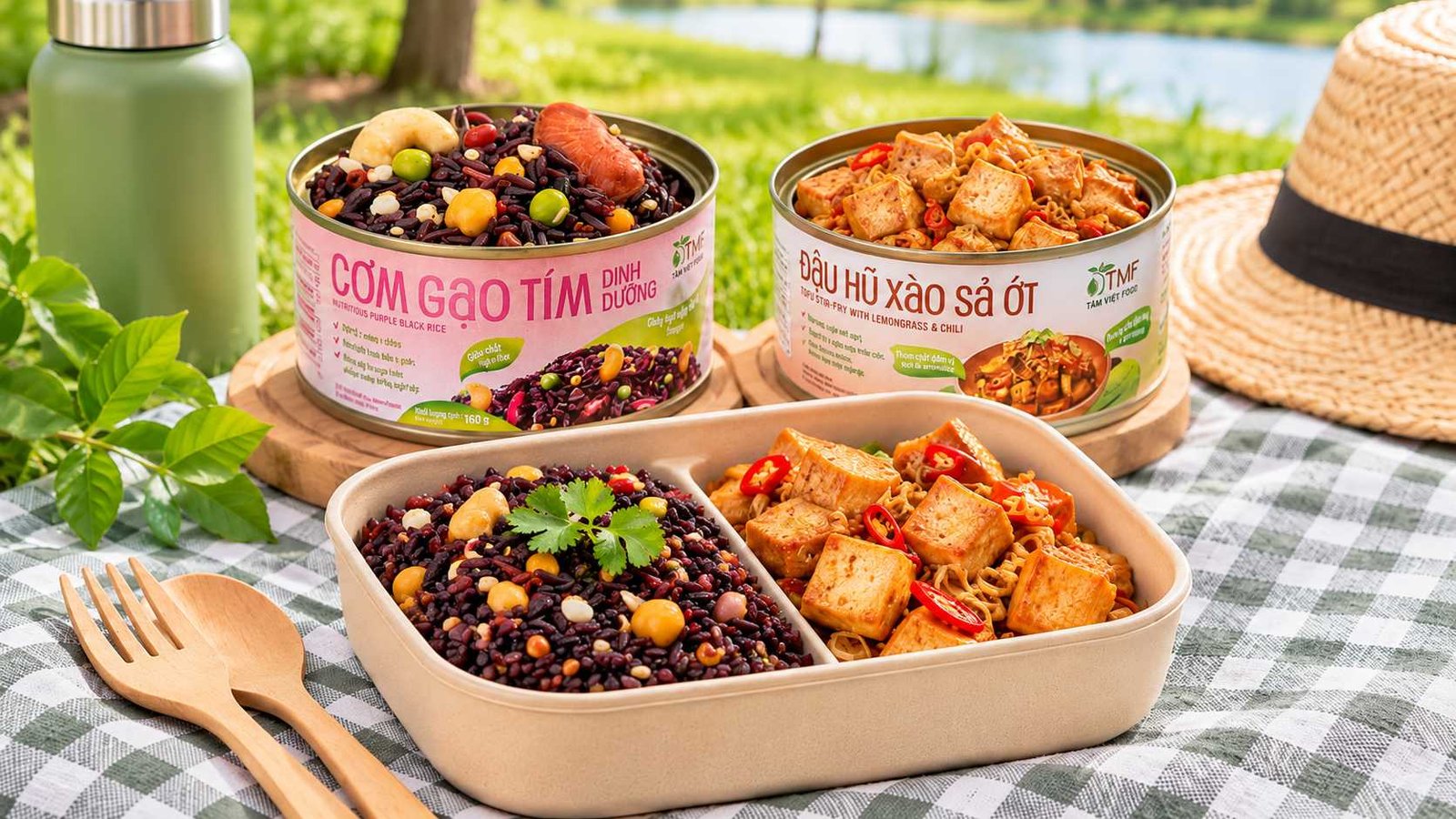
VietNatur’s vegan products help make quick and convenient meals for busy days. (Source: VietNatur)
If you do not have time to shop for and prepare different types of beans and nuts every evening, ready-to-eat Vietnamese vegan products made from natural ingredients can be a practical alternative.
At VietNatur, vegan products are checked according to European food standards, with a focus on preserving authentic Vietnamese flavors and minimizing unnecessary additives.
Here is a simple one-day meal plan designed for busy people in Germany.
Instead of skipping breakfast or drinking only black coffee during a rushed morning, you can prepare a glass of Vegetable Grain Powder (Grünes Getreidepulver mit Gemüse).
The product combines germinated brown rice, germinated chickpeas, germinated red beans, lentils, oats, and almonds with various green ingredients such as kale, moringa, celery, wheatgrass, and spirulina.
According to the manufacturer’s nutritional information, every 100 g provides 14.5 g of protein, 414 kcal, and only 0.7 g of saturated fat. The product contains no preservatives, artificial colors, or artificial flavorings.
Since the grains and legumes have already been soaked, germinated, and carefully roasted, you only need to mix 1–2 small sachets with a little cold water until smooth, then add 200–220 ml of hot water. Alternatively, you can prepare it directly with cold water if you prefer a refreshing drink.
The rich, nutty flavor of the legumes and grains blends with the mild freshness of green vegetables, offering a light yet nourishing start to your working day.
Lunch at the office is often when people are most likely to choose greasy fast food. With two convenient canned Vietnamese vegan products from VietNatur, you can enjoy a warm meal containing complex carbohydrates, dietary fiber, and plant-based protein in just 1–2 minutes.
One notable feature of both products is the Retort sterilization technology, which processes the food at 121°C inside hermetically sealed cans. Thanks to this closed thermal processing method, the products can be stored at room temperature for up to 12 months when unopened, without preservatives, added monosodium glutamate (MSG), or artificial coloring.
At the office, simply open the cans, transfer the rice and tofu to a microwave-safe plate or bowl, and heat for 1–2 minutes. Never place the metal can directly into the microwave. If you want to add some freshness, you can serve the meal with a few cucumber slices or some lettuce brought from home.
Between 3 and 4 p.m., afternoon hunger often starts to appear. Instead of reaching for sweet cookies or greasy potato chips, a pack of Soft Dried Shiitake Mushroom Stems – Sweet & Spicy 45g or the Sriracha & Garlic flavor is a convenient snack to enjoy right at your desk.
Made from 53% shiitake mushroom stems sourced from Thái Nguyên, Vietnam, the mushrooms are marinated with lemongrass, galangal, five-spice powder, and soy sauce, then dried at low temperatures instead of being deep-fried. This process helps preserve their naturally tender and chewy texture without making them greasy.
According to the nutritional information on the Sweet & Spicy packaging, the dried mushrooms contain only 1.8 g of fat and 268 kcal per 100 g. They are cholesterol-free and provide 6.6 g of protein, along with dietary fiber from the mushrooms.
The convenient 45 g package fits easily into your bag and does not produce the unpleasant fried-food smell that can be distracting in a shared office environment. It is an easy way to satisfy afternoon hunger without feeling too heavy.
| Meal | VietNatur Product | Key Ingredients | Protein (per 100 g) | Preparation Time |
| Breakfast | Vegetable Grain Powder 300g | Brown rice, chickpeas, germinated red beans, lentils, oats, green vegetables | 14.5 g | Approx. 2 minutes |
| Lunch (Carbohydrates) | Nutritious Purple Rice 160g | 65% purple rice, 6 types of legumes, millet, buckwheat, cashews | 6.2 g | 1–2 minutes |
| Lunch (Main Protein) | Lemongrass Chili Tofu 100g | 65% soybean tofu, 15% fresh lemongrass, 10% red chili | 7.9 g | 1–2 minutes |
| Afternoon Snack | Soft Dried Shiitake Mushrooms 45g | 53% shiitake mushroom stems from Thái Nguyên, low-temperature dried | 6.6 g | Ready to eat |
One small note: To complete your daily nutritional intake, you should also include fresh vegetables and seasonal fruit with your dinner at home, drink enough water, and pay attention to the allergens listed on product packaging. Depending on the product, these may include soy, wheat, oats, almonds, cashews, or celery.
For those following a convenient plant-based diet long-term and completely avoiding animal-derived products, consulting a healthcare professional about regular vitamin B12 supplementation remains essential.
Maintaining a convenient plant-based diet in Germany does not mean having to choose between a busy schedule and the quality of your meals. By understanding how to combine protein from legumes, whole grains, tofu, and natural mushrooms, you can reduce your dependence on ultra-processed meat alternatives while saving valuable time in the kitchen.
Convenient ready-to-eat meals made from traditional Vietnamese ingredients and preserved through sterilization or gentle drying offer a practical way to maintain balanced eating habits, even on the busiest days.
References: