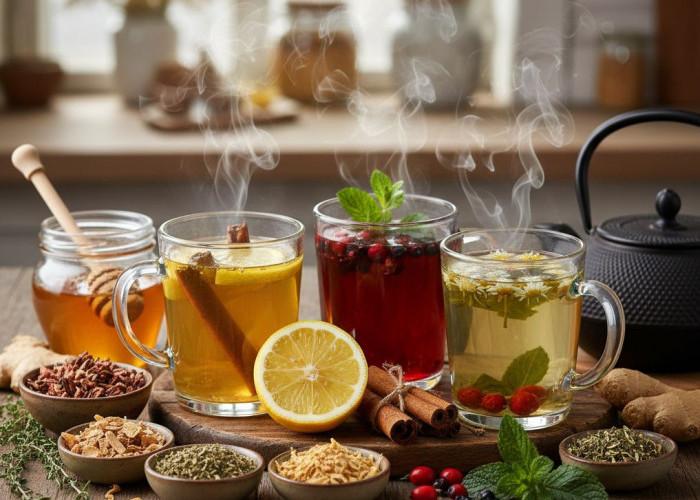
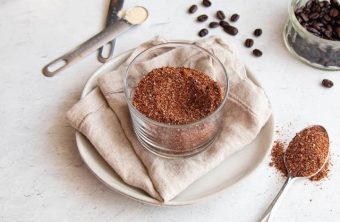
When the weather turns cold, your body needs to work a little harder to maintain its normal temperature. At the same time, you may find yourself drinking less water simply because you don’t feel as thirsty. Enjoying warm winter drinks without alcohol is an easy way to stay hydrated while making cold days a little more enjoyable.
Rather than reaching for sugary, ready-made drinks, why not prepare your own tea at home? This way, you can choose the ingredients and adjust the flavours to your liking. In this article, we’ll share three traditional recipes that are easy to make in your own kitchen.
Why Choose Warm Winter Drinks Without Alcohol?
When temperatures drop, many people reach for mulled wine or other alcoholic drinks to warm up. However, alcohol can create a temporary feeling of warmth by increasing blood flow to the skin, while actually making the body lose heat more quickly. It can also contribute to dehydration and interfere with sleep.
Warm drinks made with water, fresh fruit and dried herbs offer a comforting alternative. The gentle warmth can soothe a dry or irritated throat, while the inviting aromas of ginger, cinnamon and lemongrass make it easier to unwind after a long day.
Another benefit is that pure herbal infusions, such as chamomile tea or lemongrass and cinnamon tea, are naturally caffeine-free. This makes them a lovely choice for the evening, especially if you prefer to avoid caffeine before bedtime. If you add green or black tea, however, your drink will contain some natural caffeine, making it better suited to the morning or early afternoon.
Recipe 1: Soothing Ginger Kumquat Tea with Honey
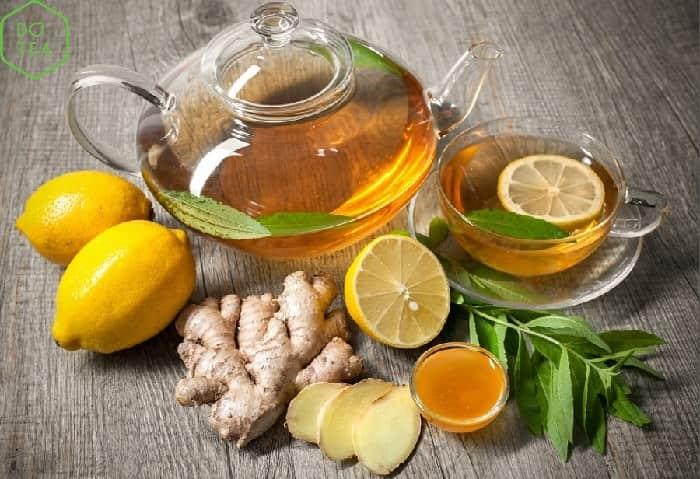
Ginger, kumquat and honey tea offers a warming, gently tangy and naturally sweet flavor, making it perfect for cold days. (Source: Internet)
The warming spice of ginger, the fresh citrus notes of kumquat and the gentle sweetness of honey come together in a beautifully balanced drink.
Instead of peeling and slicing fresh ginger and squeezing kumquats every time you make a cup, you can use VietNatur Dried Ginger with Kumquat and Honey. It’s a convenient way to enjoy a flavourful ginger kumquat tea in just a few minutes.
Ingredients
- VietNatur Dried Ginger with Kumquat and Honey: 1–2 pieces. Made with Vietnamese ginger harvested after approximately 240 days of growth (85%), honey (10%) and kumquat juice (5%). The result is a naturally soft, slightly chewy texture with a pleasant ginger warmth and a gently sweet, tangy flavour.
- Hot water: 250–300 ml (approximately 75–85°C).
- Optional: 1 tea bag of unsweetened herbal tea or mild green tea, or 1 fresh kumquat slice for garnish.
How to Make It
- Prepare the ingredients: Place 1–2 pieces of dried ginger with kumquat and honey into a ceramic cup or heat-resistant glass teapot.
- Add hot water: Pour in 250–300 ml of hot water (approximately 75–85°C).
- Let it steep: Cover the cup and leave the tea to steep for 5–7 minutes.
- Serve and enjoy: Give the tea a gentle stir before drinking. Once you’ve finished the tea, you can also enjoy the softened, chewy ginger slices.
Tips for Enjoying
If you prefer a stronger flavour, especially when enjoying your tea at the office, try combining the dried ginger with kumquat and honey with a little black tea or plain, unsweetened herbal tea.
As the product contains natural honey, this recipe is suitable for vegetarians but not for a strictly vegan diet.
Recipe 2: Refreshing Lemongrass, Cinnamon and Liquorice Tea
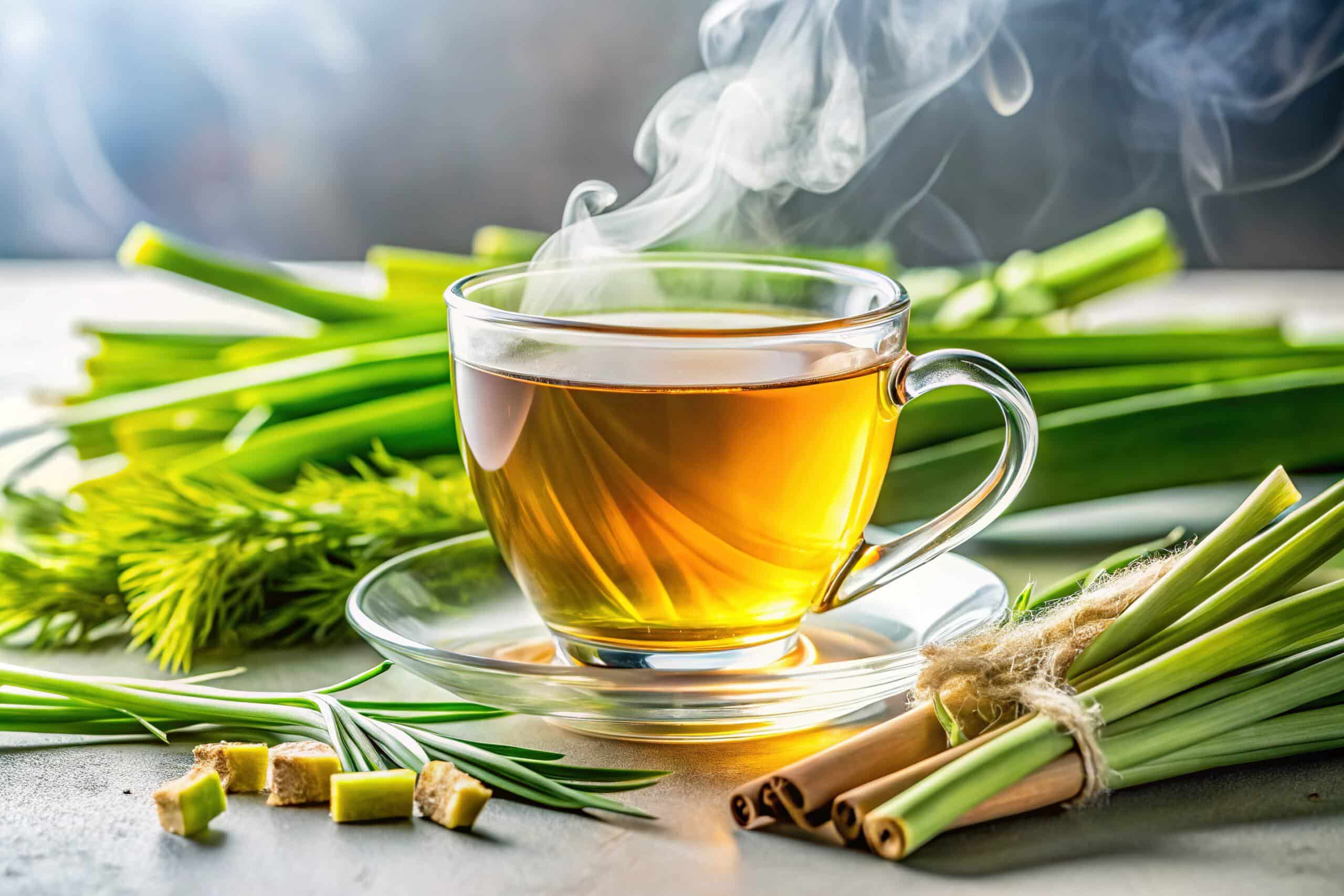
Lemongrass, cinnamon and licorice come together to create a fragrant herbal tea with a naturally sweet finish. (Source: Internet)
If you enjoy warm, earthy flavours and the gentle fragrance of herbs and spices, this combination of lemongrass, cinnamon and liquorice root is well worth trying.
Inspired by traditional Vietnamese herbal infusions, this light and aromatic tea has a naturally sweet finish without the need for refined sugar.
Ingredients
- Fresh lemongrass: 2 stalks. Choose fresh, firm stalks with plump bases.
- Cinnamon stick: 1 small piece (approximately 4–5 cm). Using a whole cinnamon stick rather than ground cinnamon helps keep the tea clear and free from sediment.
- Dried liquorice root: 3–4 thin slices.
- Water: 400 ml.
- Optional: 1 slice of fresh orange or 2 dried red dates (jujubes) for an extra fruity note.
How to Make It
- Prepare the ingredients: Remove the tough outer layers of the lemongrass, trim off the roots and leafy tops, then wash thoroughly. Cut into pieces approximately 4 cm long and gently bruise them to help release their natural oils. Give the cinnamon stick and liquorice root a quick rinse with warm water. If using red dates, wash them and make a few small cuts in the skin.
- Simmer the ingredients: Place the lemongrass, cinnamon and liquorice root (along with the red dates, if using) in a pot with 400 ml of water. Bring to a boil over medium heat, then reduce the heat and simmer for another 10 minutes. Alternatively, place everything in a heat-resistant glass teapot or thermos, pour over boiling water and leave covered for about 15 minutes.
- Strain and serve: Strain out the herbs and pour the tea into a cup. For a fresh citrus touch, add a thin slice of orange just before serving.
Tips for Enjoying
Liquorice root has a naturally sweet aftertaste thanks to its glycyrrhizin content, so there’s usually no need to add extra honey or sugar.
However, liquorice root should be enjoyed in moderation. Avoid using large amounts or drinking it in excessive quantities every day. A few slices are enough to give your tea a pleasant, balanced flavour.
Recipe 3: Relaxing Chamomile Tea with Red Dates and Goji Berries
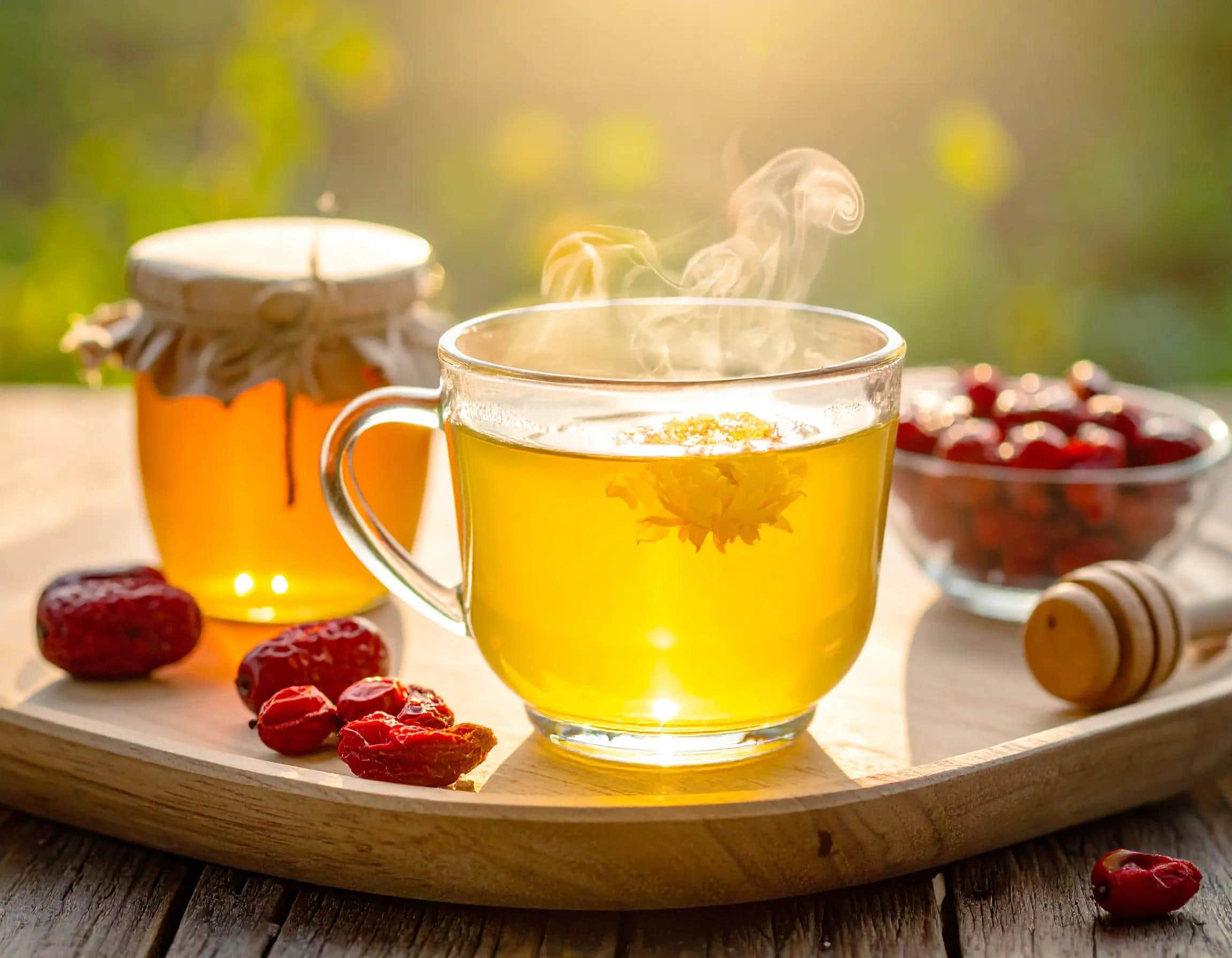
Chamomile tea with red dates and goji berries is a gentle choice to enjoy in the evening. (Source: Internet)
On a quiet winter evening, when you’re in the mood for something gentle and caffeine-free, chamomile tea with red dates and goji berries makes a lovely choice.
The delicate floral notes of chamomile blend beautifully with the naturally sweet, fruity flavour of red dates. The result is a light and comforting herbal infusion that’s easy to enjoy.
Ingredients
- Dried chamomile flowers: 5–7 flowers. You can use Chinese chamomile or white chamomile, depending on your preference. Choose flowers with a natural colour and mostly intact petals, without a musty smell.
- Dried red dates (jujubes): 3 pieces.
- Dried goji berries: 1 teaspoon (approximately 8–10 berries).
- Hot water: 350 ml (approximately 85–90°C).
- Optional: 1 small piece of rock sugar if you prefer a sweeter drink.
How to Make It
- Prepare the ingredients: Quickly rinse the red dates and goji berries with warm water, then drain. Slice the red dates thinly and remove the pits if desired. This helps release their natural sweetness during brewing. Give the dried chamomile flowers a very quick rinse with warm water (about 3–5 seconds), then discard the water to remove any dust.
- Brew the tea: Place the chamomile flowers, sliced red dates and goji berries in a glass teapot or a cup with a lid. Pour in 350 ml of hot water (approximately 85–90°C). Avoid using vigorously boiling water at 100°C, as excessive heat may affect the delicate aroma of the chamomile.
- Let it steep: Cover the teapot or cup and leave the tea to steep for 7–10 minutes. Once the chamomile flowers have opened, the goji berries have softened and the tea has taken on a light golden-amber colour, it’s ready to enjoy.
- Serve and enjoy: If you’re using rock sugar, add it while the tea is steeping so it has time to dissolve. You can also eat the softened red dates and goji berries as you drink.
Tips for Enjoying
You don’t have to throw away the ingredients after the first brew. Simply add more hot water for a second infusion. The flavour will be a little lighter, but the tea will still have a pleasant, delicate aroma.
Tips for Choosing and Storing Ingredients to Preserve Their Natural Flavours
The quality of your herbal tea depends largely on the freshness of its ingredients and how well they’re stored. Here are a few practical tips to help keep your ingredients in good condition throughout the winter:
- Choose natural, minimally processed ingredients: When buying dried herbs and spices such as chamomile flowers, liquorice root, cinnamon sticks or goji berries, look for products with a clear and traceable origin. Whenever possible, choose naturally dried or freeze-dried ingredients rather than products containing artificial flavourings. Natural ingredients tend to have subtle, authentic colours and a gentle aroma rather than an overly strong scent.
- Store ingredients properly to keep moisture out: Winter weather can bring high humidity and significant temperature changes between indoor and outdoor environments. This can cause dried herbs to absorb moisture and lose their quality. Store them in dark glass jars or airtight metal containers with rubber seals. Keep them in a cool, dry, well-ventilated place, away from direct sunlight and cooking areas where steam builds up. Once opened, reseal packets of dried ginger with kumquat and honey carefully or transfer the contents to an airtight container to preserve their soft texture and aroma.
- Use the right water temperature: Not every herbal ingredient needs to be brewed with boiling water at 100°C. Firmer ingredients such as cinnamon, lemongrass, fresh ginger and red dates generally need higher temperatures and longer brewing or simmering times to release their flavours. More delicate ingredients, such as dried chamomile flowers and products containing natural honey, are better prepared with water at around 75–90°C to help preserve their delicate aromas.
- Choose suitable teaware: Heat-resistant glass, ceramic and porcelain teapots are all great choices for brewing herbal tea. These materials retain heat well and do not react with natural essential oils or the mild fruit acids found in ingredients such as kumquat and orange. This helps preserve the original flavours of your drink.
Conclusion
Making your own tea with simple, natural ingredients is a lovely way to slow down and enjoy a little moment of comfort during the colder months.
With these three warm winter drink recipes, you can switch things up throughout the week, explore different natural flavours and enjoy a comforting cup whenever the weather calls for it.
Looking for a quicker way to enjoy the traditional flavour of Vietnamese ginger? Try VietNatur Dried Ginger with Kumquat and Honey (20 g) from our online shop. It’s delicious as a little snack throughout the day or as a convenient ingredient for your daily cup of tea.