Vietnamese Drip Coffee: Pro Brewing Tips
Among the many modern brewing methods available today, Vietnamese phin drip coffee still holds a special place in daily life...
read more

FREE Express Shipping On Orders $99+

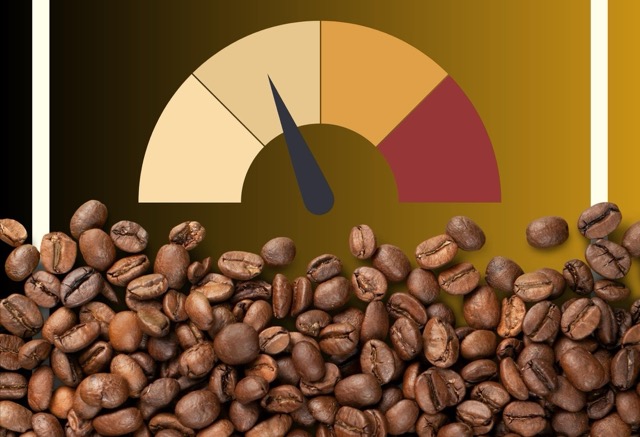
Coffee roast levels directly affect the flavor in your cup. From light roast with refreshing citrusy acidity to dark roast with bold bitterness, every level creates a totally distinct experience. Understanding the various roast levels helps you choose the right coffee to match your palate and brewing method.
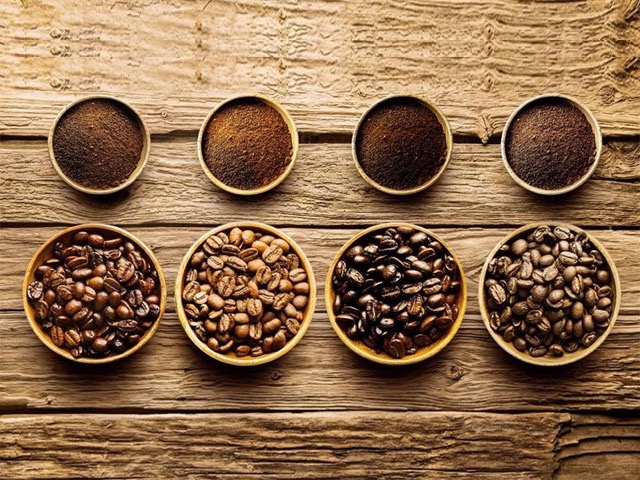
Depending on the roast level, coffee will have different flavor profiles (Image source: Internet)
It is the process of heating green coffee beans at high temperatures (from 180°C to 250°C) for a specific duration to develop the flavor, color and characteristics of the coffee. This process alters the chemical structure of the bean, creating hundreds of distinct flavor compounds.
There are three main coffee roast levels: light roast, medium roast, and dark roast coffee. Each level has distinct temperature, time and characteristics, which directly affect the tasting experience.
The coffee roasting process goes through distinct stages:
Drying stage (0-5 minutes, temperature 100-160°C): Green coffee beans are heated, water inside begins to evaporate. Beans change from green to pale yellow, smelling like dry hay.
First Crack stage (5-8 minutes, temperature 180-205°C): Internal pressure increases, creating a “pop” sound similar to popcorn. This is the sign that the coffee starts developing its flavor. Stopping here gives you light roast coffee.
Development stage (8-12 minutes, temperature 205-220°C): Beans continue to change color from light brown to chocolate brown. Natural sugars within the beans caramelize, creating sweetness and aroma. Stopping here gives you medium roast.
Second Crack stage (12-15 minutes, temperature 225-240°C): The second cracking sound appears, lighter and faster. Oils inside start coming to the surface, beans turn from dark brown to near black. This is dark roast coffee.
Throughout the process, temperature and time are strictly controlled. A deviation of a few seconds or a few degrees can create massive differences in flavor.
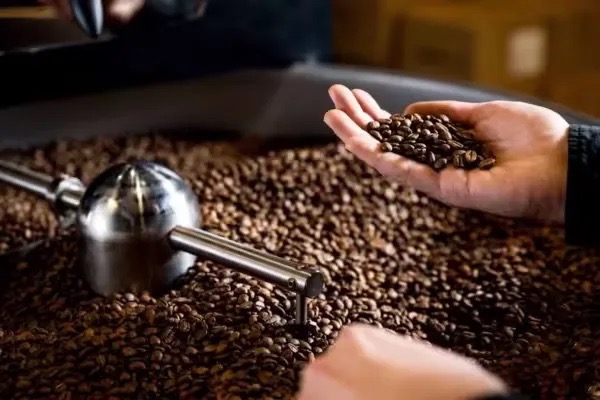
Common factors that influence the roasting process that you may not know (Image source: Internet)
Temperature is the key factor to activate chemical reactions shaping the “identity” of coffee flavor. While low temperatures preserve citrusy acidity and natural aroma, high temperatures promote intense bitterness and strong body. Accurate temperature control is the key to unlocking the maximum potential of each bean, perfectly satisfying every tasting preference from delicate to bold.
Roasting time directly shapes the color and depth of flavor, where a change of just a few seconds creates a difference. A short roast retains the delicate notes of the original beans, conversely, a long roast brings out the bitterness and characteristic caramel flavor. Especially, mastering the “development time” after the first crack is the determining factor to balance flavor, helping coffee reach ideal ripeness without being burnt or harsh.
Moisture plays the role of a barrier and also a heat conductor during the roasting process. Beans with high moisture require a longer heat treatment time to cook from the inside, while beans that are too dry are very easy to burn and lose natural aroma. Well-managing the moisture index of both the beans and the roasting environment will help heat energy penetrate evenly, ensuring consistent roasted beans and preserving the quality of the end product.
Airflow acts as a heat regulation system, helping coffee beans cook evenly in both color and flavor. Not only supporting heat transfer, stable airflow also helps to discharge smoke, moisture, and generated gas, removing unwanted off-flavors. Controlling airflow reasonably is the secret to creating coffee batches with pure aroma, balanced flavor and better long-term preservation.
|
Characteristics |
Light Roast | Medium Roast |
Dark Roast |
|
End mark |
Just appeared “First Crack” sound. | End of Development stage before “Second Crack”. | Appearance of “Second Crack” sound. |
|
Roasting temperature |
Approx 190°C – 196°C. | Approx 205°C – 215°C. | High temp (above 215°C). |
|
Bean surface |
Completely dry. | Dry, caramel-brown color. |
Oil sheen appears on the surface. |
| Flavor (Taste) | High to very high Acidity; retains natural sweetness. | Acidity decreases; sweetness and Caramel flavor reach best level. |
Bold bitterness, smoky scent; acidity almost completely disappears. |
|
Body |
Light to very light (thin). | Medium, thicker than light roast. | Very heavy, syrupy. |
|
Aroma |
Diverse, preserves original region aroma. | Basic aroma at best threshold. | Loss of light aroma, mainly heavy scent. |
| Grind recommendation | Finer grind (to increase extraction). | Medium. |
Coarser grind (to avoid harsh bitterness). |
| Brewing water temp | High (90°C – 96°C). | Medium. |
Lower (to reduce bitterness). |
| Extraction time | Longer (to extract enough substances). | Medium. |
Shorter (to avoid burnt/charred flavor). |
Impact on flavor
Light roast coffee preserves natural acids (citric acid, malic acid), creating a refreshing citrusy acidity. Suitable for those who like complex, delicate flavors. Dark roast coffee has its acid broken down, replaced by bitter compounds (quinic acid), creating strong bitterness, long lingering aftertaste.
Impact on body and texture
Light roast gives a light, clean body, similar to tea. Dark roast gives a thick, syrupy body, with a “heavy” feeling on the tongue. Oil released from dark roast creates a silky smoothness for espresso.
Impact on crema (for espresso)
Dark roast creates a thick, stable crema, dark brown in color. Light roast creates a thinner crema, light brown, easy to dissolve.
Impact on caffeine
Light roast retains 10-15% more caffeine than dark roast coffee (calculated by weight).
Impact on shelf life
Light roast retains flavor longer (4-6 weeks) because there is less oil on the surface. Dark roast is easily oxidized as oil contacts the air, coffee is best consumed in 2-3 weeks after roasting.
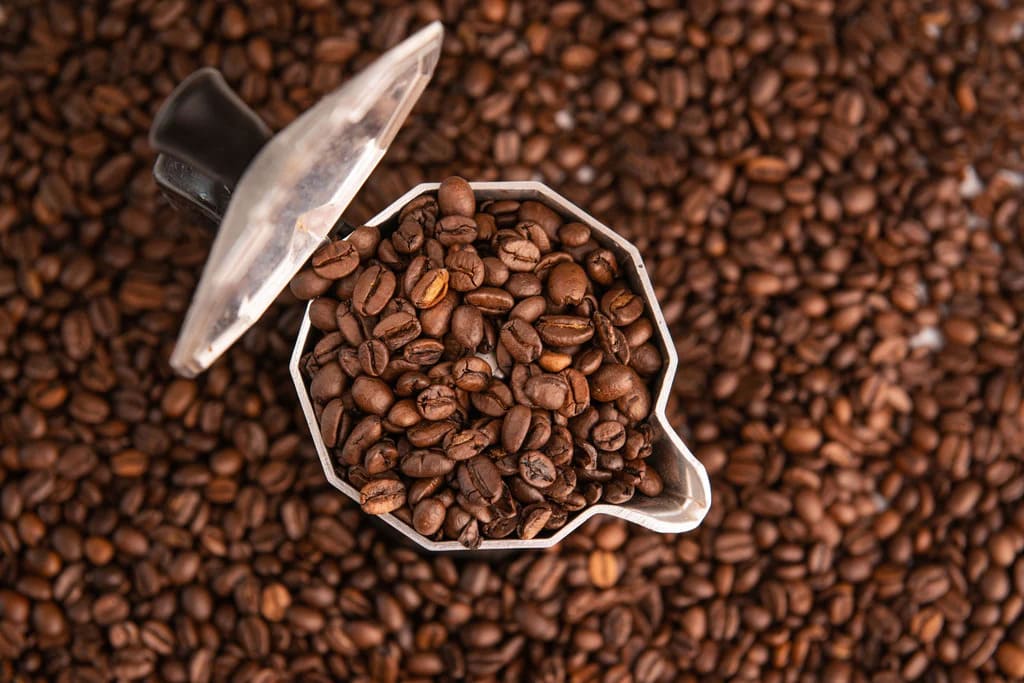
Detailed guide on how to identify and choose coffee roasted to the right level (Image source: Internet)
Identifying by sight
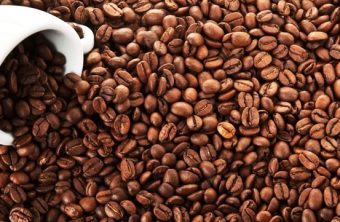
● Light roast: Light-brown color like chestnut, dry surface, not shiny. The center line of the bean is still clearly visible.
● Medium roast: Chocolate-brown color, surface slightly shiny. Center line still visible but darker.
● Dark roast: Dark-brown to black, obvious oily sheen on surface. Center line of bean is nearly invisible.
Identifying by smell
● Light roast: Light aroma, fruity, floral, with hints of dry hay.
● Medium roast: Caramel, chestnut, milk-chocolate aroma.
● Dark roast: Pungent aroma, dark chocolate, smoke, can be slightly burnt if over-roasted.
Choose by palate
● Prefer refreshing citrusy acidity, fruity notes: Choose light roast coffee
● Prefer balance, not too sour not too bitter: Choose medium roast
● Prefer bold bitterness, chocolate notes: Choose dark roast coffee
Blend Arabica-Robusta → Medium to dark roast
Misconception 1: Dark roast coffee contains more caffeine.
Reality: Light roast contains more caffeine because the roasting time is shorter, less is decomposed. The bitterness of dark roast does not equate to high caffeine.
Misconception 2: Dark roast is a sign of poor quality coffee.
Reality: Dark roast is a style, not a way to hide poor quality. Many high-quality roasteries still provide dark roast for customers who enjoy bold flavor. However, low-quality coffee beans are often dark-roasted to hide defects.
Misconception 3: Light roast is “under-cooked” coffee.
Reality: Light roast is a complete roast level, just stopped earlier to retain acid and original aromas. “Under-cooked” coffee is unroasted green beans, and cannot be consumed.
Misconception 4: Roasting level does not significantly affect flavor.
Reality: Roasting level is the most decisive factor in flavor, even more important than the origin of the bean. The same bean, light and dark roasts provide completely different experiences.
Misconception 5: Dark roast loses all nutrients.
Reality: Dark roast reduces some antioxidant compounds, but retains the vast majority of nutritional value. The difference is not significant enough.
No roast level is “the best”, there is only the roast level that best suits the characteristics of the coffee bean and the preferences of the drinker. Mastering the factors that affect the roasting process helps us understand more about how to create the finest flavor notes that the coffee bean holds.
Right in the heart of Germany, if you are looking for high-quality roasted coffee, VietNatur is the bridge that connects you to the sunny and windy Tay Nguyen plateau in Vietnam. With Robusta beans, offered as a dark roast coffee following traditional secrets, VietNatur will bring a passionate and rich taste experience, encapsulating dedication and quality in every cup of coffee.

Content-Mitarbeiterin