Vietnamese Drip Coffee: Pro Brewing Tips
Among the many modern brewing methods available today, Vietnamese phin drip coffee still holds a special place in daily life...
read more

FREE Express Shipping On Orders $99+

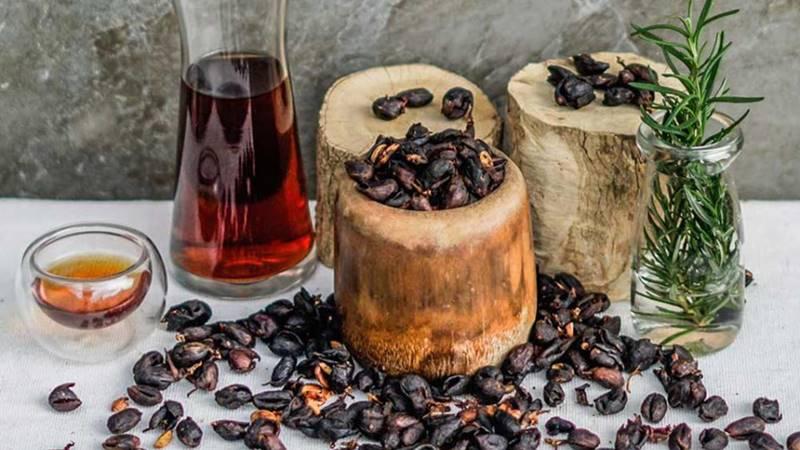
Unlike familiar roasted coffee beans, Cascara tea offers a completely novel sensory experience. Processed from the outer layer of the coffee cherry, this beverage is gradually attracting those who love authenticity. Behind the complex fruity notes is a journey of strict technical and time control, helping to transform what was once considered an agricultural byproduct into a high-value specialty beverage.

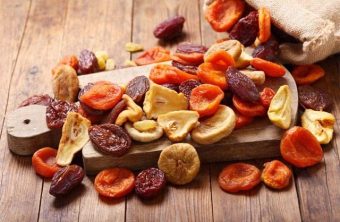
Cascara tea is brewed from the outer skin of Arabica coffee cherries after standardized processing. (Source: Internet)
In botanical anatomy, a fresh coffee cherry consists of multiple structural layers: the outermost layer (exocarp), the sugar-containing mucilage layer (mesocarp), the parchment, the silverskin, and the inner bean. In the history of commercial processing, the outer peel and the fruit pulp were often considered agricultural byproducts, mainly reused as bio-organic fertilizer or animal feed. However, with the development of the specialty beverage industry, the flavor potential of this component has been seriously reconsidered by professionals.
In the F&B industry, the term coffee cherry tea is often used to visually describe the origin of the product’s ingredients. Although originating from the coffee plant, when harvested and processed according to technical standards, this peel, when brewed with hot water, does not release the harsh bitterness or the characteristic smoky aroma of roasted beans. Instead, the extract is usually amber red or bright orange-yellow.
Organoleptically, the flavor profile of this beverage leans towards berries, hibiscus, citrus, and sometimes leaves a subtle aftertaste of dried plum. To achieve a complex flavor structure like a light fruity wine, producing Cascara tea requires an understanding of plant biology and the ability to finely control physical variables throughout the processing stages.
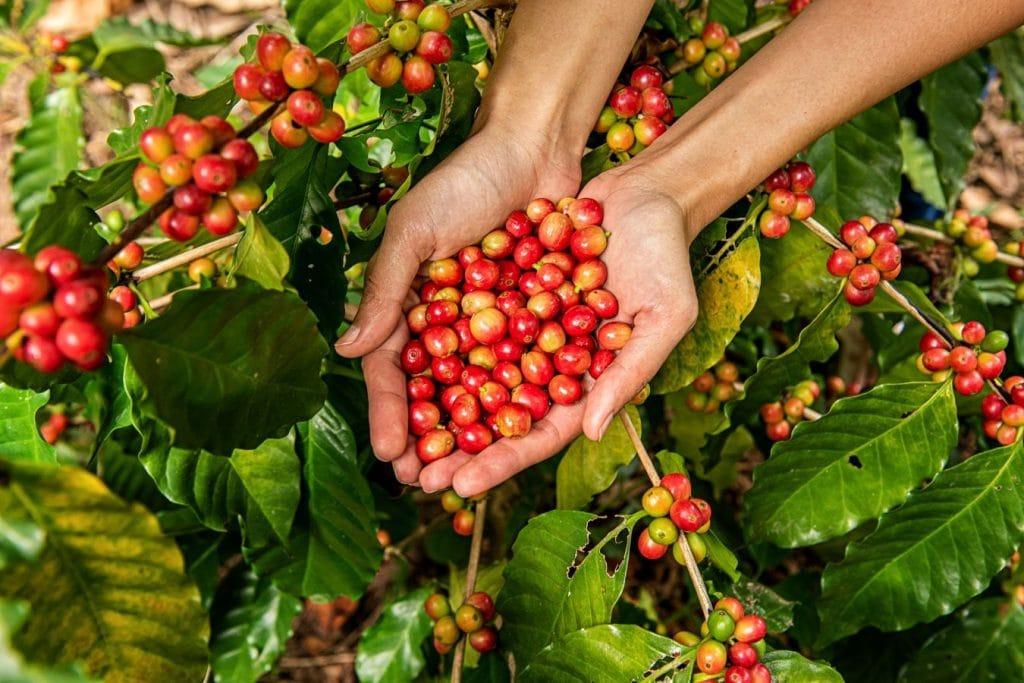
Fully ripe Arabica coffee cherries form the foundation of Cascara tea’s distinctive flavor. (Source: Internet)
The first foundation determining the product’s flavor structure lies in the ingredient selection right at the farm. In VietNatur’s production process, Arabica seeds are prioritized. Biochemically, the peel of the Arabica variety usually possesses a high Sucrose content and a richer system of organic acids, creating a solid premise for a beverage with distinct fruity flavors.
However, the plant variety is only the basic condition. The core factor determining quality lies in the ripeness of the fruit at harvest. For VietNatur’s process, the raw materials are strictly selected with a ripe berry ratio reaching 95% – 98%. At this growth stage, the natural sugar content inside the mucilage structure has reached an optimal state (indicated by a high Brix index), while astringent compounds are significantly reduced. The abundant natural sugar is the important key helping the finished Cascara tea maintain a smooth sweetness in the throat. Thanks to this, users can perfectly enjoy it as a no added sugar tea while still perceiving a well-rounded taste, very suitable for the consumer trend prioritizing authenticity.
After the strict sorting process, the cleaning step plays a role in protecting the pristine flavor. The coffee peels are washed through a specialized reverse osmosis (RO) water system. The characteristic of water treated through an RO membrane is the removal of most heavy minerals, metals, and impurities present in normal domestic water sources. Using this pure solvent minimizes unwanted chemical reactions between foreign minerals and the delicate organic acids in the fruit peel, thereby keeping the brewed extract clear and reflective of its true nature.
Right after the peel is separated from the bean, they begin an important biochemical transformation journey. The fruit peel will be put into a controlled fermentation process before being dried. The time, temperature, and anaerobic environment conditions during this stage will directly impact the chemical composition and the final flavor of the product.
According to the actual production process at VietNatur, the ingredients are kept in the fermentation environment for about 8 hours. During this time, the available natural microorganisms and enzymes will interact with the sugar in the mucilage layer. Complex carbohydrate chains are gradually broken down, contributing to the formation of short-chain organic acids like malic acid and citric acid. This natural catalytic process brings out the refreshing tart fruity notes, creating diversity and depth for the beverage.
Many consumers often ask is fermented tea healthy when considering the change in biochemical composition. From a food research perspective, a controlled anaerobic fermentation process alters the composition of volatile compounds, as well as impacts the polyphenol and flavonoid structures present in the raw materials. This transformation brings a very clear improvement in sensory terms. The development of organic acids brings a cool, refreshing tartness, making Cascara tea an excellent base choice for cold brewing. When cold-steeped overnight and combined with a little ice, it easily becomes an incredibly refreshing and pleasant fruity tea for summer.
One of the biggest technical challenges in commercializing coffee peels is post-harvest preservation. Due to containing a high biological sugar and fiber content, this raw material has very strong moisture-absorbing properties from the surrounding environment. If not dried and moisture-managed properly, this environment easily creates conditions for microorganisms and mold to develop. Food safety research documents point out that mycotoxins are a present risk that needs to be closely monitored in the supply chain of this product.
Typically, the peel will be slowly dried until the moisture drops to a standard level of about 10% to 12%. However, quality management at VietNatur does not just stop there. The peel, after basic drying, will continue to undergo a short heat treatment technique, often called “flash heating”. The peel is directly exposed to a flow of hot air at high temperatures for an extremely short period. The main purpose of this step is to denature the remaining endogenous enzyme system, preventing unwanted oxidation reactions that could discolor or alter the flavor structure.
Notably, this flash heating process also has the effect of withdrawing the residual water deep within the plant core, bringing the moisture of the coffee peel down to an ideal low level of 5% to 7%. Achieving this strict moisture range, combined with enzyme deactivation, creates a solid physical barrier. This measure helps maximize the limitation of microbial growth during storage, while maintaining a vibrant red color and stabilizing quality until it reaches the consumer.
To achieve the most optimal flavor structure for Cascara tea, the origin of the raw material plays an irreplaceable prerequisite role. Unlike mass-market products that use a mix of coffee varieties, the Cascara tea line at VietNatur is positioned in the high-quality segment, processed entirely from 100% peels of selected Arabica coffee cherries. In terms of plant genetics, the Arabica variety inherently possesses a Sucrose (natural sugar) content twice as high, along with a much richer and more refined system of organic acids (like Malic and Citric) compared to the Robusta variety.
It is this superior biological characteristic that helps the Arabica peel, when going through the cleaning cycle with an RO pure water system and 8 hours of anaerobic fermentation, fully maximize the complex flavor range, leaning towards notes of red wine, berries, and leaving a smooth, deep sweet aftertaste without needing intervention from any artificial sweeteners or flavorings. Combined with the strict flash heating technique that completely eliminates microbiological risks, the product ensures maximum purity, bringing absolute peace of mind for the daily health of users. If you are looking for an experience combining modern processing art and pure, original flavor, the product from VietNatur’s original Arabica peel is a worthy choice for you to explore the most quintessential flavor layers of the coffee plant that were once forgotten.
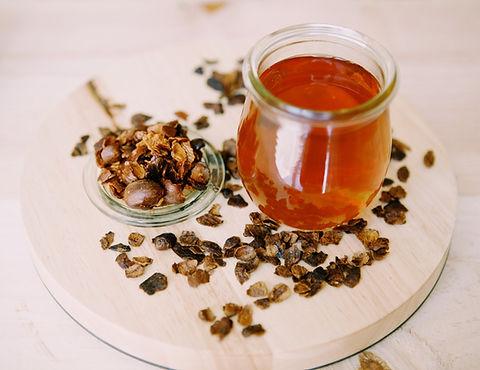
Cascara tea naturally contains caffeine while offering a smooth, mild flavor. (Source: Internet)
When learning about this beverage, an important piece of information that users need to grasp is that Cascara tea is not a completely caffeine-free herbal drink. Due to its biological origin from the coffee plant, this plant peel still accumulates a certain amount of natural caffeine.
According to in-depth analytical assessments from food safety agencies (like EFSA), the caffeine content in dry ingredients can vary significantly depending on the plant variety’s characteristics, the altitude of the growing region, and other soil conditions. Although the caffeine content when extracted into water is usually lower compared to a traditional cup of black coffee (like Espresso or Filter), it is still present enough to impact the central nervous system.
Consuming Cascara tea brings a gentler, smoother alertness compared to roasted coffee beans. This characteristic turns it into a perfect crossover choice: mild enough for those sensitive to concentrated caffeine, yet sufficient to help maintain focus for a workday. Understanding this chemical composition clearly helps consumers be more proactive in choosing the time to enjoy it, especially in consumer markets that highly value food information transparency.
The unique flavor of Cascara tea is not an accident of nature, but a testament to the methodical application of food biochemistry principles. From strictly selecting ripe Arabica coffee cherries, using an RO pure washing water system, to the meticulousness in standardizing fermentation time and controlling the “flash heating” technique to bring the moisture down to the 5-7% level. All these technical elements blend to unlock and fully protect the most original flavor notes. If you are looking for a delicate crossover experience between berry flavors and a mildly smooth tartness, try the Arabica coffee peel product line from VietNatur right away to discover for yourself the exciting flavor layers of the coffee plant that were once forgotten.