Best Hiking Snacks: Energy Foods for Outdoor Adventures
Hiking and trekking are outdoor activities that build endurance, improve physical fitness, and help recharge your mental energy. However, to...
read more

FREE Express Shipping On Orders $99+

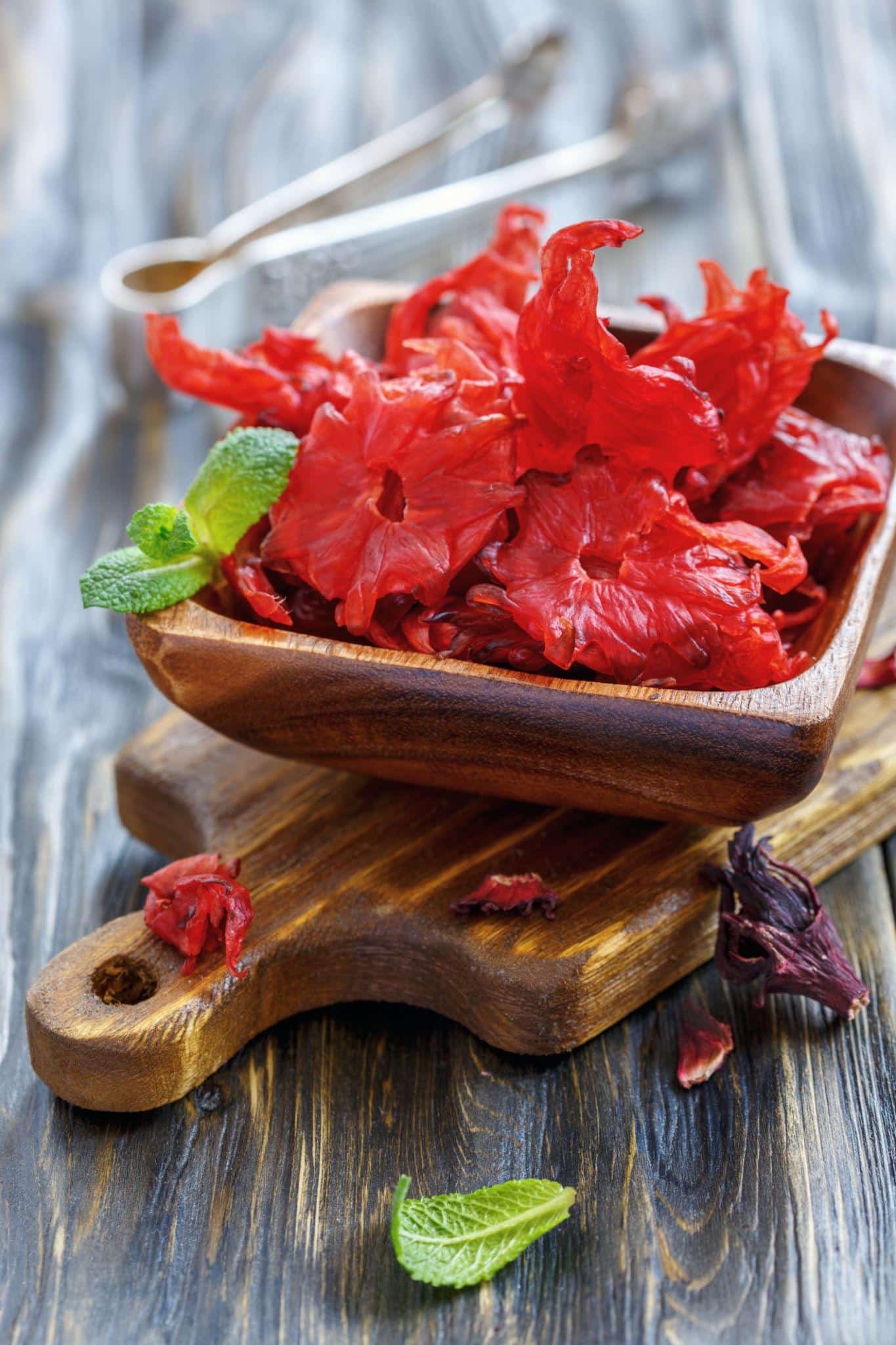
To maintain a healthy snacking habit, many people are looking for plant-based alternatives. Dried red hibiscus (Hibiscus sabdariffa) emerges as a notable culinary option. Instead of using animal-derived gelling agents, utilizing the natural physiological structure of the calyx provides a completely new chewing experience. This article will analyze the physical properties behind the texture, color, and flavor of dried calyces compared to industrial candy.
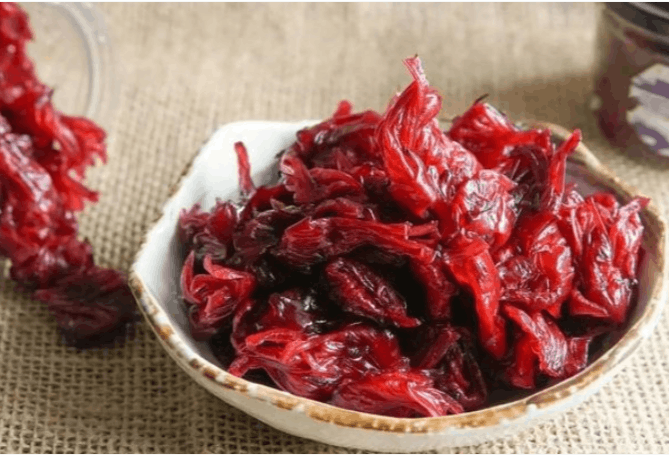
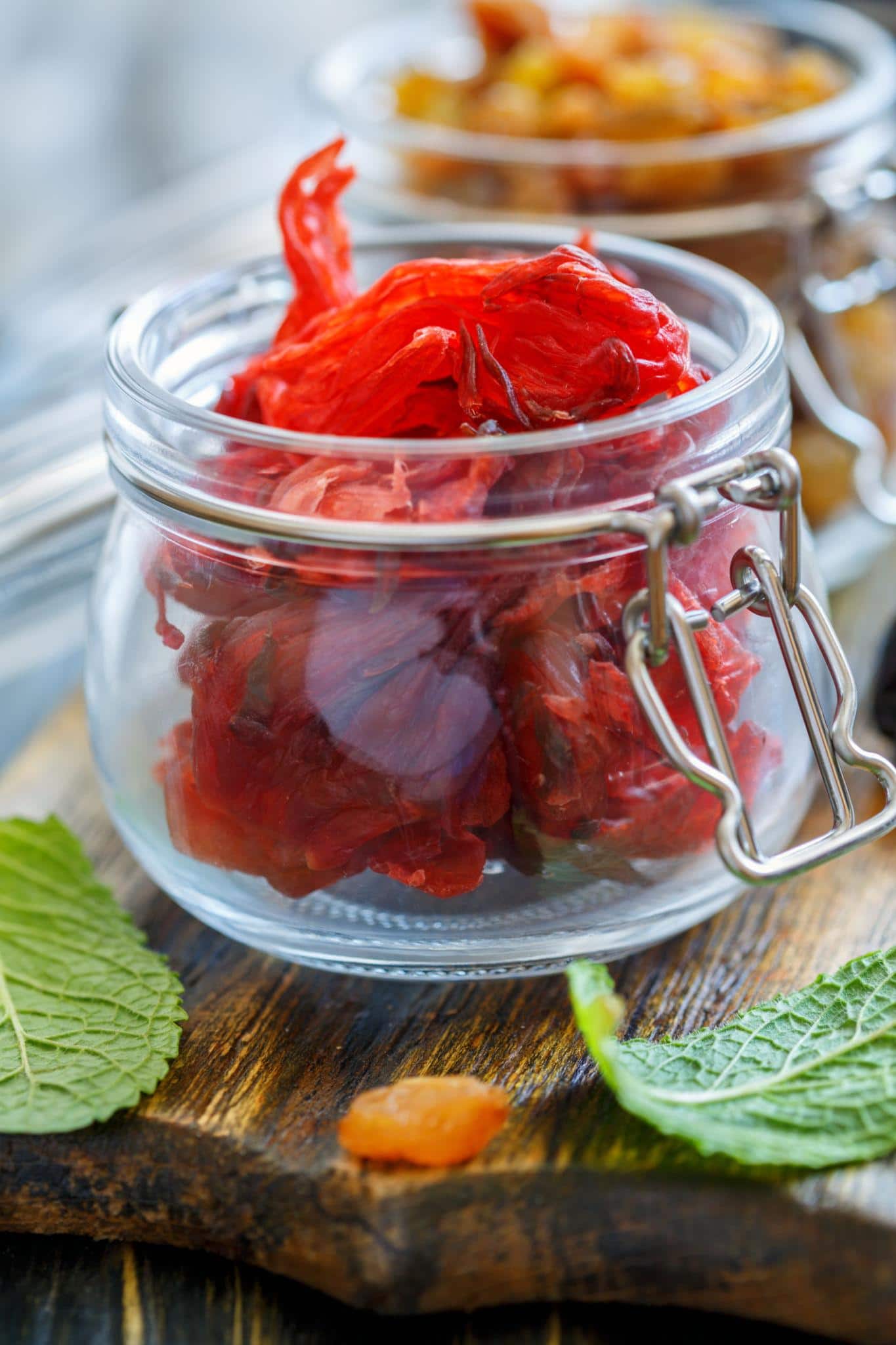
Soft-dried roselle with a natural red color and pleasantly chewy texture. (Source: Internet)
Gummies are one of the most popular snacks globally, favored for their elasticity and unique chewy texture. To create this physical structure, the traditional food industry relies heavily on gelatin. Chemically speaking, gelatin is a protein obtained from the hydrolysis of collagen, typically extracted from animal skin, bones, and connective tissues. The most important characteristic of gelatin is its ability to form a temperature-reversible gel film, providing the characteristic soft feel when in contact with the palate. However, because gelatin originates directly from animals, products using this ingredient are completely unsuitable for vegan diets or plant-based menus. Furthermore, the formulas of these candies are often designed with high refined sugar to create an appealing sweetness, but are relatively low in fiber compared to whole foods. If you set high standards for snacks, using traditional candies can create inconsistency in your lifestyle habits. Establishing a healthy snacking routine often directs consumers toward less heavily processed food groups. Instead of using industrially separated and extracted ingredients, directly consuming plants that retain their biological tissue structure offers a more practical approach to minimizing additives in daily portions.
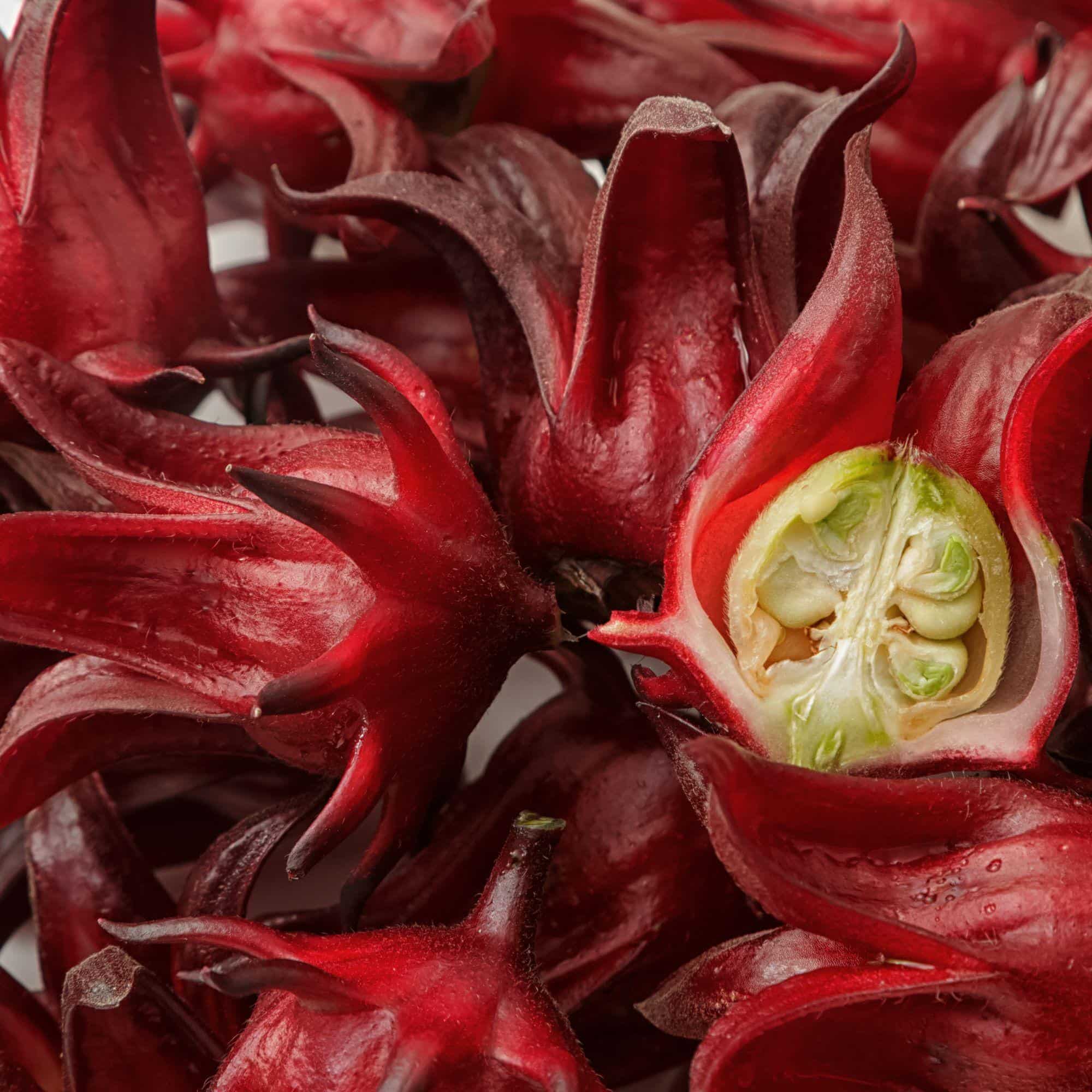
Roselle calyces – the plant-based ingredient used to make this snack. (Source: Internet)
To understand why red hibiscus can be used as a chewy snack, we need to look closely at the botanical structure of this plant. The red hibiscus plant, scientifically named Hibiscus sabdariffa, is a shrub in the Malvaceae family that thrives in tropical regions. Contrary to popular belief, the part harvested and used for food is not the delicate petals. After the flower blooms and the petals fall, the calyx surrounding the seed pod continues to grow, swelling and becoming thick and succulent. The red hibiscus calyx is composed of plant tissues containing various natural structural components. According to botanical analysis, the cell walls of the calyx contain a large amount of carbohydrates, including natural polysaccharide compounds and fiber membranes. This framework is extremely sturdy, with a biological function of protecting the seed capsule throughout the plant’s growth process. The presence of the plant fiber system in the cell wall structure is the core factor that helps the calyx maintain its solid shape after undergoing physical processing. Instead of disintegrating or crumbling when exposed to temperature changes, this plant tissue network tends to shrink and become denser. This is an important physical foundation, creating favorable conditions for developing food products that require natural chewing force.
When searching for alternatives to traditional sweets, dried red hibiscus calyces offer a direct approach: fully utilizing the original structure of the plant tissue. Instead of relying on the hydrolysis process of animal protein to create artificial elasticity, the calyx’s texture comes from its own physiological foundation. This natural characteristic allows the dried calyx to act as plant-based vegan gummies, providing an authentic chewing experience without the need for complex gelling agents or industrial gums. When dried, the calyx undergoes a water evaporation process. Removing a portion of the moisture causes the plant tissue to shrink and become structurally denser. The decrease in free water increases the density of the plant flesh tissues. The combination of sturdy cell membranes, fiber layers, and the remaining micro-moisture inside the cells contributes to the characteristic chewy and soft feeling when eaten. This state change is a purely physical transformation process. Completely different from traditional gummies that rely on the chemical coagulation of gelatin, the chewiness of dried calyces comes from natural cellulose fibers. By maintaining the original histological structure, dried calyces provide a satisfying tactile experience, contributing a substantial option for a healthy snacking habit based on whole foods.
Fresh red hibiscus calyces have a very distinct flavor profile, most notably a relatively sharp and distinct sourness. This sensory characteristic stems from the abundant organic acid content available in tropical plant tissues, including citric acid, malic acid, tartaric acid, and especially hibiscus acid. These acids provide a naturally refreshing flavor spectrum, but if consumed directly in their original dried form, the sharp sourness might not suit the palate of most consumers. To turn the calyx into an easy-to-enjoy snack, the processing requires a subtle intervention in the formula. The natural sourness of red hibiscus is typically adjusted with a moderate amount of added sugar. This sugar plays an important role in adjusting the acid-to-sugar ratio, an essential factor in shaping harmony on the palate. Controlling the added sugar does not completely mask the essence of the ingredient, but interacts with the organic acids to create a more multidimensional flavor profile. For those pursuing a healthy snacking lifestyle, using products with a balanced natural sweet-sour flavor helps meet personal preferences moderately, limiting total reliance on refined sweets with excessive industrial sugar content.
Color is one of the most important sensory attributes, directly influencing the perception of food appeal. Industrial snacks often overuse synthetic colors to maintain visual consistency. However, red hibiscus calyces possess a significant natural advantage thanks to their characteristic ruby red color range, allowing the product to meet the no food coloring criteria during production. The natural red color of the calyx comes from biological anthocyanin pigments. This is a group of water-soluble flavonoid compounds, usually found in the vacuoles of plant cells. These pigments not only create the characteristic external color but are also highly regarded botanical components. However, anthocyanins are sensitive compounds. Temperature processing and drying time can affect the stability of this molecular structure. After drying, the color of the calyx may become darker due to reduced water content, but the level of vibrant color retention depends heavily on processing and storage conditions. Regardless, this natural pigment is entirely capable of creating an attractive appearance for the product without adding any artificial coloring agents.
A soft and chewy snack for relaxing moments. (Source: Internet)
Replacing industrial sweets with plant-based foods requires a certain shift in consumer habits. Traditional gummies provide a fun chewing sensation and immediate strong flavor, but are extremely limited in terms of natural ingredient structure. Meanwhile, dried red hibiscus calyces bring a practical intersection between chewy physical texture and transparent plant origins. When enjoying dried calyces, users can clearly feel each strand of plant flesh instead of a homogeneous artificial gel block. This tactile difference accurately reflects the nature of minimally processed food. Instead of being dominated by flavor enhancers, the eating experience becomes more practical and grounded. For those trying to reduce the amount of additives in their diet, red hibiscus calyces provide a highly applicable alternative, easily contributing to a daily healthy snacking menu without breaking personal principles.
See more:
In summary, the transition from sweets containing animal gelatin to plant-based choices is a notable direction in food science. By utilizing sturdy plant tissue, dried red hibiscus calyces provide a natural chewy texture experience and characteristic red color from anthocyanins without relying on synthetic additives. If you are looking for a practical culinary solution, VietNatur’s dried red hibiscus product is an option completely worth considering. With a reasonably balanced sweet and sour flavor, the product helps you enrich your daily healthy snacking menu based on a foundation of original ingredients.