Best Hiking Snacks: Energy Foods for Outdoor Adventures
Hiking and trekking are outdoor activities that build endurance, improve physical fitness, and help recharge your mental energy. However, to...
read more

FREE Express Shipping On Orders $99+

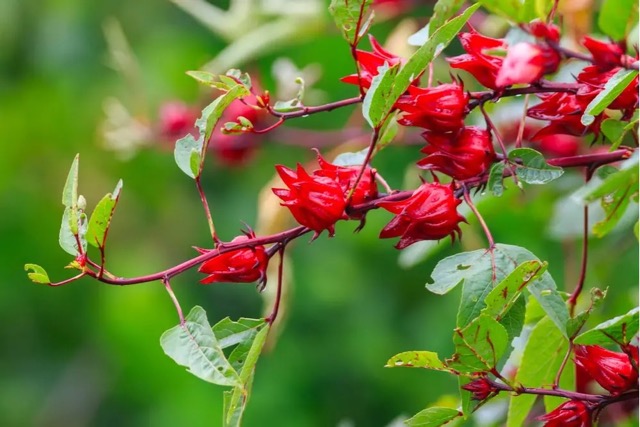
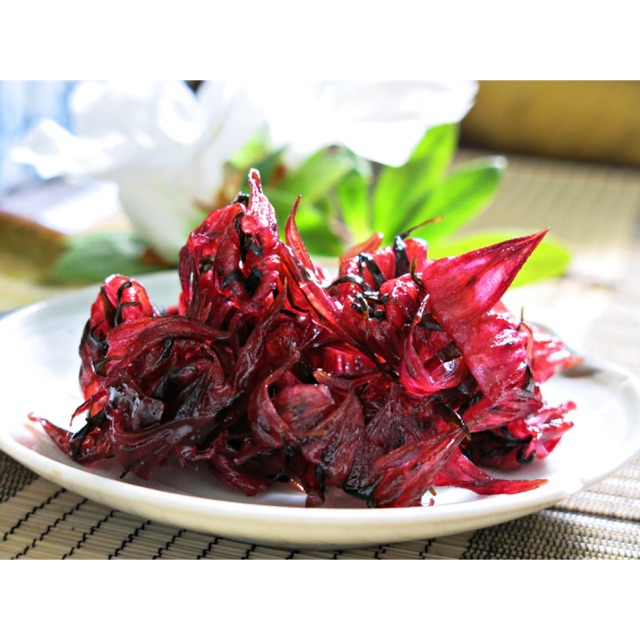
When thinking of red hibiscus (Roselle), people immediately recall its vibrant crimson hue and signature, refreshing tart flavor. In Da Lat, the “jam capital” of Vietnam, these plump, fresh calyces have been craftily transformed into a soft-dried treat that preserves their original taste. Behind that captivating appearance lies the precious compound anthocyanin and an impressive nutritional profile. Let us join VietNatur to discover what makes this gift from nature so special and how to enjoy it to the fullest.
The 4 Metal Layers of the Traditional Vietnamese Coffee Filter Explained (Image source: Internet)
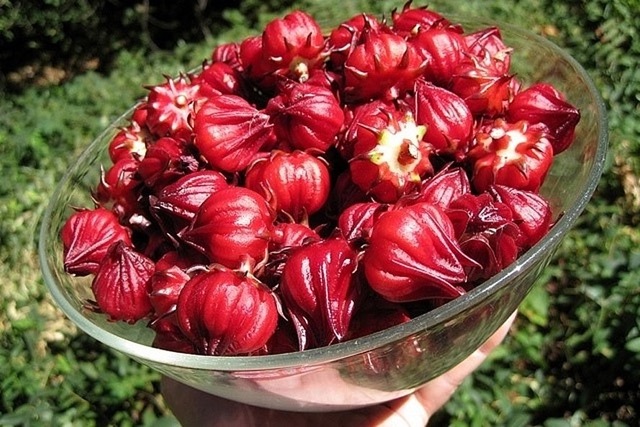
Simply put, anthocyanins are the natural pigment group that creates the brilliant ruby color of the red hibiscus (Roselle) calyces. Beyond their aesthetic value, anthocyanins also act as natural antioxidants, protecting the plant from environmental impacts and contributing to the overall nutritional value – including essential vitamins and minerals – of this herb.(1)
In the Roselle plant (Hibiscus sabdariffa), the calyx is where the highest concentration of anthocyanins is found. Numerous scientific studies have precisely identified the core, representative types of anthocyanins in this calyx as delphinidin-3-sambubioside and cyanidin-3-sambubioside.(2)
Furthermore, since anthocyanins are sensitive natural compounds, their content and color stability in Roselle extract will vary depending on storage conditions and temperature.(3) This explains why products made from red hibiscus always need to be stored carefully to retain their vibrant color and healthy plant-based nutrients for modern families.
The crimson shade of red hibiscus comes from anthocyanins, an element closely tied to the reputation of the Hibiscus family in the category of foods rich in antioxidants.
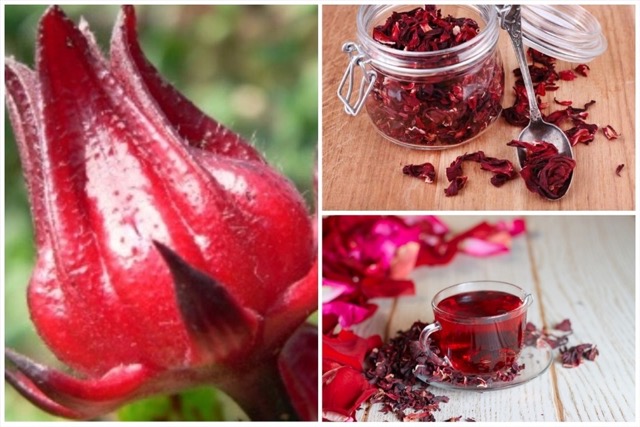
In food, color significantly influences the enjoyment experience. With soft-dried red hibiscus, the translucent crimson color helps the product stand out, even when used in small amounts as a topping for yogurt or hot tea.
Anthocyanins are compounds sensitive to temperature, pH, and light. Studies on Hibiscus sabdariffa note that processing and storage conditions can cause anthocyanins to change over time.(3) Therefore, at VietNatur, the soft-drying process is strictly controlled to maximize the preservation of its most precious characteristics: a beautiful crimson color, well-defined flower shapes, and that signature, crisp tart flavor.
To understand why soft-dried red hibiscus (Roselle) is dubbed nature’s “ruby gem,” we need to look deeply into its core pigment compound. Anthocyanin is not just a theoretical name; it is a phytonutrient source that brings very practical values to the final product:
Soft-dried red hibiscus should be enjoyed as a small snack, about 15 – 20g per serving, to fully appreciate the delicious flavor while balancing sugar intake. Based on the nutritional facts, the estimated sugar content per serving is as follows:
A serving of 15 – 20g is just enough for an afternoon cup of tea or a bowl of unsweetened yogurt, helping you perceive the subtle sweet and sour taste without making the snack overly sweet.
The Unique Brewing Principle of Vietnamese Drip Coffee (Image source: Internet)
You can enjoy red hibiscus even more by pairing it with items that have a mild, less sweet flavor or a slight natural astringency.
The simplest way is to enjoy it with hot tea. Green tea, oolong, or herbal teas have a light, slightly astringent taste, so eating them alongside red hibiscus mellows the sweetness and leaves a pleasant aftertaste.
For breakfast or a light snack, you can chop the red hibiscus and add it to unsweetened yogurt, muesli, or oatmeal. The sweet and sour flavor of Roselle keeps the dish from being monotonous, while the crimson color makes the portion look more appetizing.
For desserts, red hibiscus pairs well with panna cotta, ice cream, light cakes, or fruit salads. If the base dish is already sweet, just a few small pieces are enough to create a highlight.
Some easy-to-apply serving ideas:
See more:
Interesting Facts About Candied Hibiscus Flowers
Roselle Flower Sauce for Roast Duck
The Sustainability Benefits of the Vietnamese Coffee Filter (Image source: Internet)
You can include soft-dried red hibiscus in your daily diet if you treat it as a sugary snack and consume it in moderation. The product is suitable when you want to change flavors with a light sweet-and-sour treat, need a small bite to pair with tea, or want to add color to yogurt, muesli, and desserts. This is also an exciting choice if you want to try a Vietnamese specialty originating from Da Lat in an easier-to-consume format.
Conversely, if you are looking for a sugar-free product or want to eat a large quantity as a filling snack, soft-dried red hibiscus would not be the most suitable choice. With red hibiscus, the key is not eating as much as possible. What is more valuable is consuming the right portion size to appreciate the tart flavor, the crisp-chewy texture, and the signature crimson hue of Roselle.
Is red hibiscus the same as green artichoke?
No. Red hibiscus usually refers to Roselle, which is Hibiscus sabdariffa, and it is completely different from the green artichoke used for tea or cooking.
Does soft-dried red hibiscus contain a lot of sugar?
Yes. According to the product information, VietNatur soft-dried red hibiscus contains 41.5g of sugar per 100g, making it more suitable for consumption in small portions.
Are anthocyanins in red hibiscus affected during processing?
Possibly. Anthocyanins are plant pigments sensitive to temperature, pH, light, and processing time, so the color and composition in processed products may differ from the fresh raw material.
Is soft-dried red hibiscus suitable for people on a plant-based diet?
Yes, it can be suitable, as the product ingredients do not include animal-derived materials. Vegetarians or strict vegans should still read the ingredient label before consuming.
What should you pair soft-dried red hibiscus with?
Soft-dried red hibiscus pairs well with hot tea, unsweetened yogurt, muesli, oatmeal, fruit salad, or desserts that need a light sweet-and-sour touch.
Red hibiscus is unique for its natural crimson color derived from anthocyanins, the refreshing tartness of Roselle, and a crisp-chewy texture that makes it easy to incorporate into various small dishes. With the soft-dried version, the important thing is to properly understand the nutritional profile: the product contains zero fat, includes fiber, but also has an amount of sugar that needs to be calculated by portion size.
If you want to experience a Vietnamese specialty with a pleasantly tart and sweet flavor, easy to pair with tea or use as a dessert topping, VietNatur soft-dried red hibiscus is a choice worth considering for your daily small-portion routine. Try pairing VietNatur soft-dried red hibiscus with a hot cup of tea or a bowl of unsweetened yogurt to better experience the gentle tartness, natural crimson color, and unique crisp-chewy texture of Da Lat Roselle.
References:
(1) Study on the nutritional composition and vitamins in Roselle/Hibiscus sabdariffa.
(2) Study on anthocyanins in Roselle/Hibiscus sabdariffa calyces.
(3) Study on the changes of anthocyanins in Hibiscus sabdariffa extract when stored at different temperatures.