Muesli with Dried Mango: Breakfast Upgrade
Muesli has long been a popular breakfast choice in many households - thanks to its convenient preparation and balanced nutritional...
read more

FREE Express Shipping On Orders $99+

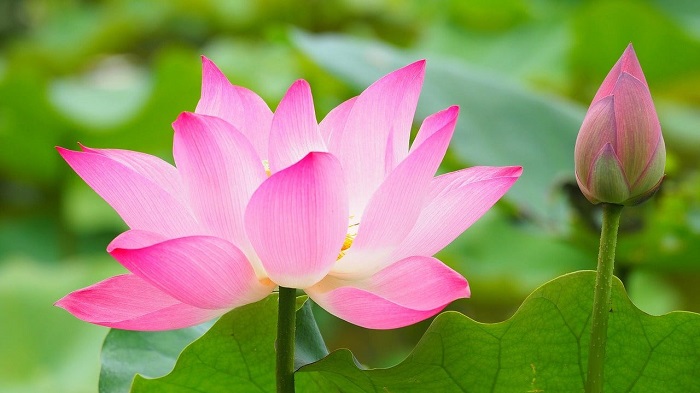
Vietnamese lotus flower is not just a beautiful flower but also carries profound cultural value and special spiritual significance. From the pure image rising from the mud, the lotus flower has become a symbol of purity, resilience, and the Vietnamese soul. Not stopping at beauty, lotus products such as lotus seeds, lotus heart, and lotus root are also associated with cuisine and health.
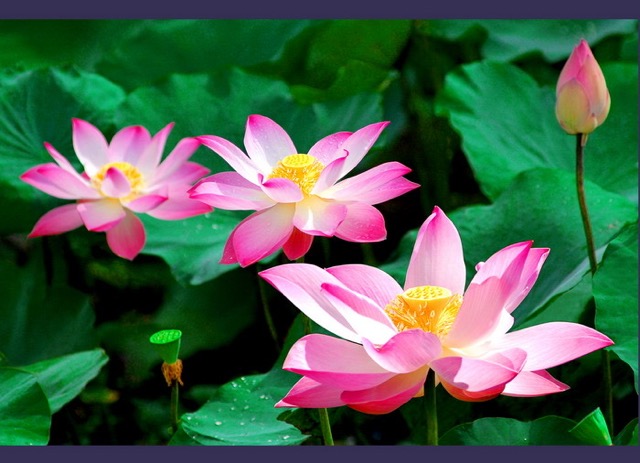
The lotus blooms beautifully across many regions of Vietnam (Image source: Internet)
Vietnamese lotus flower is an aquatic plant with the scientific name Nelumbo nucifera, a plant that lives under mud but develops and blooms above water, creating a distinctive image associated with cultural symbols.
The lotus plant has a root stem lying under the mud, developing into lotus tubers and lotus roots. Lotus leaves are large, round, green, and especially water-repellent, usually floating or rising high above the water surface like a natural umbrella. Vietnamese lotus flowers bloom in summer, with many overlapping petals, most commonly white and pink with a light fragrance.
Although not a native plant, the lotus flower has had a miraculous migration journey from India to fully integrate into Vietnam’s ecosystem. Here, nature has favored this flower with the most ideal conditions for growth: tropical climate and fertile soil in key regions such as Dong Thap, Hue, and Northern Vietnam.
Thanks to the interaction between strong sunlight and abundant nutrients from the muddy soil, Vietnamese lotus seeds always maintain their starchy texture, pure taste, and superior nutritional value, becoming the pride of Vietnamese agricultural products on the world map.
Vietnamese lotus flower is a cultural symbol associated with spiritual life, art, and the way Vietnamese people perceive humanity. In terms of morphology, the lotus flower has a structure of many petals overlapping around the receptacle and pistil, creating a harmonious and balanced beauty. When viewed from above, the image of a pink lotus evokes associations with connection and unity spirit – a meaning often compared to the 54 ethnic groups in Vietnam.
In spirituality, lotus flowers appear frequently in Buddhism as a symbol of enlightenment and purity. In art, lotus flowers appear in poetry, painting, architecture, and even fashion. The image of Vietnamese women wearing ao dai by lotus ponds has become a familiar visual symbol, expressing softness and refinement.
Not stopping at the symbolic aspect, the parts of the lotus flower also have almost complete practical applications in life.
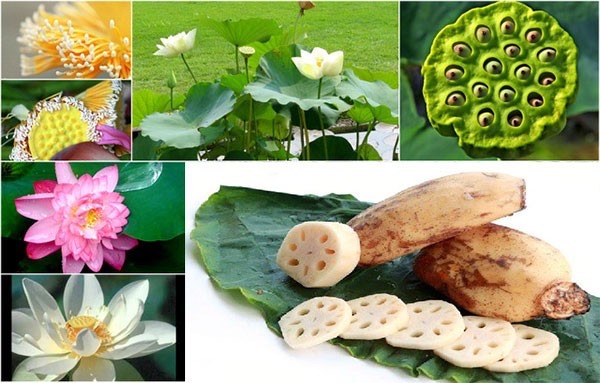
Every part of the lotus plant is used to create many delicious dishes (Image source: Internet)
Vietnamese lotus flower stands out with its gentle, pure, and pleasant fragrance. Let’s explore some applications of lotus flowers:
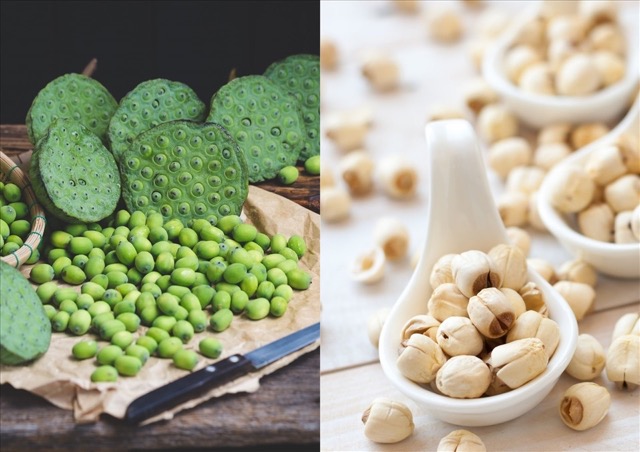
Lotus seeds are prepared into many appealing dishes (Image source: Internet)
Lotus seeds appear not only in main dishes but are also very popular in snacks – from traditional to modern, suitable for light meals.
The combination of the sweet, juicy taste of lychee fruit and the starchy, cool nature of fresh lotus seeds creates an instantly refreshing feeling. To enhance the flavor, people often use pure rock sugar and can add a bit of snow fungus to create a crunchy texture.
When lotus seeds are ground with water and filtered to extract the essence, we get a smooth, characteristically fragrant milk. Many people also combine lotus seeds with almonds, coconut, or cashews to increase richness.
Speaking of elegance and nostalgia means speaking of candied lotus seeds. Lotus seed kernels are carefully candied, coated with a fine white powder on the outside, while maintaining a soft, fragrant, and buttery texture inside. This is a precious gift that often appears in serene tea gatherings.
Enjoying fresh lotus seeds is the most direct way to experience the pure sweetness and rustic fragrance of this seed. Lotus seeds freshly picked from the pond, peeling off the green shell and thin membrane, taste starchy and very cool. A small note is to remove the lotus heart if you’re not used to the bitter taste, although lotus heart is very good for sleep.
Instead of processing methods using a lot of sugar, crispy dried lotus seeds use freeze-drying or vacuum frying technology to retain the full round shape and natural light yellow color. The crispy texture still maintains inherent buttery flavor. This is the foundation for creating high-quality lotus seed snacks, meeting strict food safety standards in the European market that VietNatur is targeting.
This is the “star” in VietNatur’s product portfolio, a perfect upgrade from regular dried lotus seeds to a new level. We not only dry them crispy but also coat the lotus seeds with a layer of gently fragrant forest honey and rich Ben Tre young coconut meat. When enjoying VietNatur’s product, you will experience three layers of sensation: Crispy, airy texture that melts on the tongue, the characteristic buttery flavor of lotus seeds, and the delicate pure sweetness aftertaste of honey. The product with “low-sugar” standards is extremely suitable for a healthy lifestyle (Eat Clean) for consumers in Germany – those seeking something different from ordinary dried nuts.
The bitterness comes from the lotus heart inside the seed. This is the part containing active ingredients with sedative and heat-clearing effects. If not accustomed to the bitter taste, consumers can remove the lotus heart before processing.
People with bloating, constipation, those with allergic conditions, and those taking sedatives should limit consumption.
Lotus heart has effects of lowering blood pressure, treating insomnia, and palpitations, but should not be used excessively as it can cause alkaloid poisoning.
Lotus seeds are very suitable for vegetarian and eat clean diets. This is a natural plant protein source, not industrially processed, easy to combine in healthy dishes such as seed milk, porridge, or snacks.
Lotus seeds appear not only in main dishes but are also very popular in snacks – from traditional to modern, suitable for light meals in Germany. Through modern processing that preserves nutrients from traditional lotus seeds, VietNatur brings delicious, crispy, and unique honey coconut dried lotus seed snacks.
Whether snacking while working at the office, entertaining guests at home, or bringing along on picnics, a bit of coconut’s buttery richness and honey’s pure sweetness will make you unforgettable from the first try. This is the ideal choice for delicious, healthy snacks to take care of your own and your family’s health.