Best Hiking Snacks: Energy Foods for Outdoor Adventures
Hiking and trekking are outdoor activities that build endurance, improve physical fitness, and help recharge your mental energy. However, to...
read more

FREE Express Shipping On Orders $99+

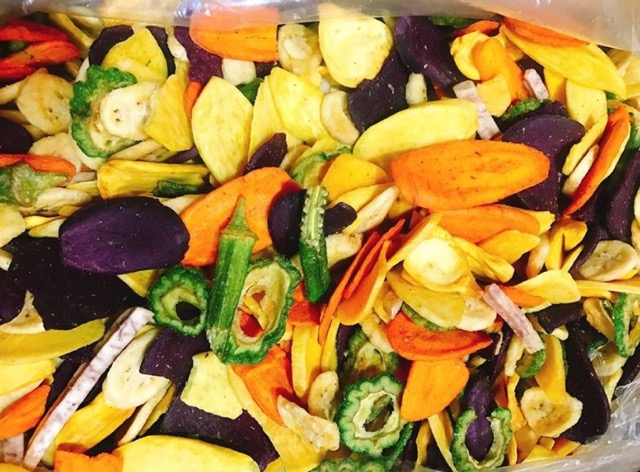
Summer makes preparing low-sugar dried fruit for kids and other shelf-stable healthy snacks for school trickier, especially when standard food preservation fails. Certain types of fresh fruit crush or leak quite easily when sitting for too long in a sealed schoolbag. Therefore, on days when children have to carry snacks around for hours, dried fruit often proves to be a neater and more practical option.
In this context, eating healthy does not necessarily mean something fancy or complicated to prepare. For young children, sometimes the more reasonable choice is a snack that is easy to carry, creates less mess, and allows parents to manage portions better during summer days.
Parents can check out the natural dried fruit options at VietNatur to add more variety to their children’s daily menu.
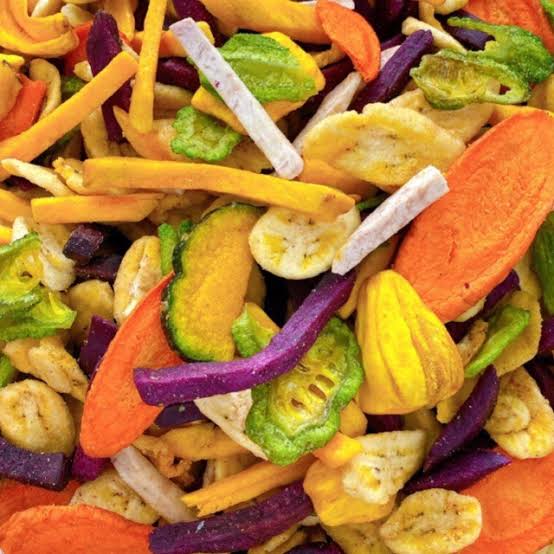
Parents can pack dried fruit as a healthy energy boost for their children (Image source: Internet)
Yes. Dried fruit is a better fit for situations where children need to carry food for a long time without access to refrigeration.
Many parents face the exact same issue during the hot season: they carefully pack a fresh fruit box in the morning, only to find it mushy, watery, or unappetizing by recess. With juicy fruits like watermelons, ripe mangoes, strawberries, or grapes, getting bruised inside a schoolbag is a highly likely scenario.
When that happens, children often hesitate to eat because their hands get sticky, the food looks unappealing, or the fruit flavor has slightly turned. If the container is not tightly sealed, the fruit juice can even soak through notebooks or tissues inside the bag.
Therefore, on days when children must carry food for several hours, dried fruit can be viewed as a form of shelf-stable snacks that do not spoil as quickly as pre-cut fresh fruit. This is also the reason why many families prioritize this type of snack for school, short trips, or outdoor activities.
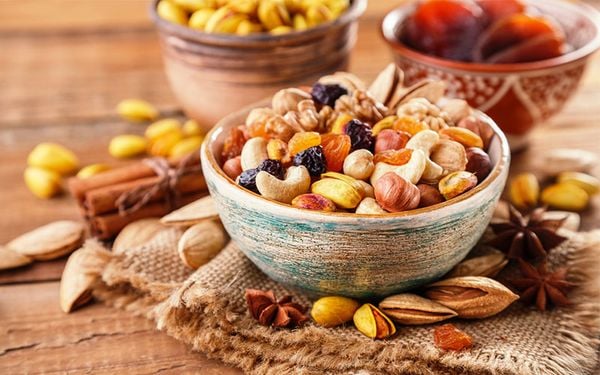
Dried fruit is easy to carry, compact, and incredibly convenient (Image source: Internet)
Dried fruit for kids shows its benefits most clearly when children have to carry food for many hours or move around constantly throughout the day.
For half-day or full-day school schedules, parents usually need a snack that is easy to prepare with minimal worries about food preservation. A small pouch of dried fruit is much simpler than a box of pre-cut fresh fruit because it requires no constant refrigeration.
This type of snack is also more compact inside a schoolbag, especially for children who already have to carry heavy textbooks or water bottles.
If children have extra classes, clubs, or sports activities right after school, their snacks need to be easy to store and quick to eat. Dried fruit fits better in this case because it can be divided into small portions, and once eaten, leaves no juice or peels to deal with.
Here, the story is not just about choosing something tasty, but also about keeping food preservation simple. For days when children are constantly on the move, an option that requires no leak-proof containers, ice packs, or refrigerators will save parents from over-preparing.
During long trips, fresh fruit easily softens or gets crushed when packed together with luggage. Meanwhile, dried fruit is lighter, takes up less space, and does not require bulky containers.
This is also why many families choose dried fruit as a type of shelf-stable snacks that won’t spoil quickly when traveling on buses, trains, or moving around outdoors.
Recess is usually quite short. A small portion of dried fruit allows children to eat faster without needing forks or tissues as much as they do with pre-cut fresh fruit.
For young children, parents should choose varieties that are soft or pre-cut into bite-sized pieces for easier consumption.
The biggest difference is that dried fruit contains less moisture than fresh fruit, making it more suitable for carrying around for hours.
When sitting inside a schoolbag, dry snacks are generally less affected by hot temperatures or minor bumps. This relieves parents from worrying about snack boxes leaking or ruining school supplies.
In addition, low-sugar dried fruit options are usually easier to eat during the hot season because the flavor is not overly intense. When choosing for children, parents should opt for low-sugar varieties or those without a thick syrup coating to keep the snack light in flavor.
Simply put, dried fruit is not meant to be “healthier” than every other snack, but rather more practical for the exact scenario of summer carrying. If you want to go the low-sugar route, parents should prioritize natural or minimally seasoned lines. This group usually offers a light, naturally sweet taste without causing a harsh, sugary sensation in the throat when eaten in hot weather.
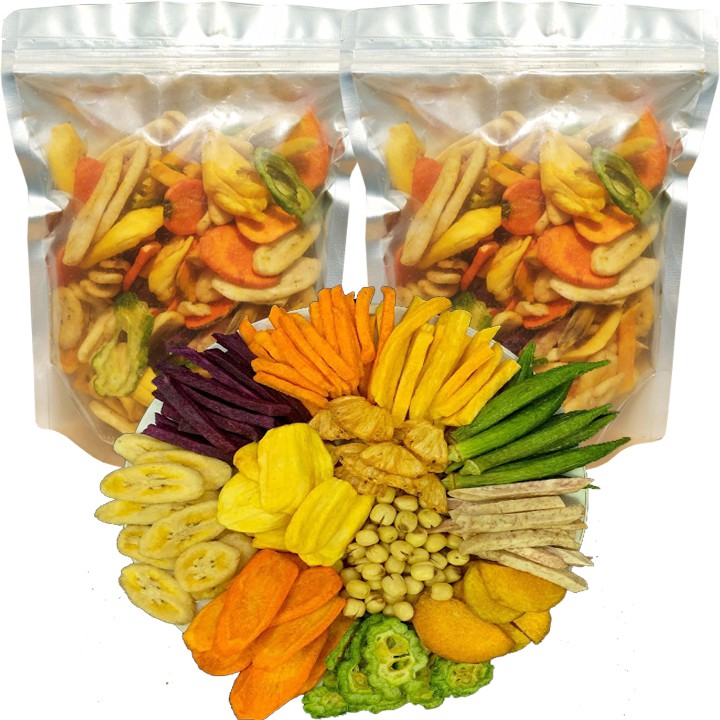
Parents should divide dried fruit into smaller portions for easier portion control (Image source: Internet)
Parents should use dried fruit as a small part of a side snack rather than letting children eat it continuously all day.
See more:
Dried Fruit Gift Ideas: Healthy & Unique
Reducing Industrial Sugar Thanks to Dried Fruit
5 Dried Fruit Snack Recipes for Every Day
Dried Fruits from Vietnam: Exotic Healthy Snacks
Fresh fruit is more suitable when children eat it immediately or have access to cool storage, whereas dried fruit is better when it needs to be carried for a long time in a schoolbag.
| Situation | Fresh Fruit | Dried Fruit |
| Eating at home | Suitable for immediate consumption | Suitable for a change of taste |
| Bringing to school on hot days | Easily gets mushy or watery | Neater to carry along |
| Extra classes/outdoor activities | Somewhat inconvenient if left long | Easy to portion and pack away |
| Traveling | Easily crushed | Lightweight and takes up less space |
| Quick snack between breaks | Can be more inconvenient | Quicker and neater to eat |
Instead of picking just one single type, a more reasonable approach is to use them according to the situation. At home or for immediate consumption, fresh fruit remains highly appropriate. But when children need to carry snacks around for hours, dried fruit becomes noticeably more convenient.
To make a quick decision, parents can score the situation based on these 3 practical criteria:
Core principle: View dried fruit as a lifesaver “companion” for your child when leaving the house, and keep the habit of eating whole fresh fruits at home so your baby’s menu always maintains a good balance.
At what age can children start eating dried fruit?
Children can eat dried fruit as soon as they have developed good solid chewing and swallowing skills (usually from 1 year old and above). However, mothers should choose freeze-dried varieties that are fluffy and soft, or soft-dried options cut into small pieces for children under 3 years old to prevent choking from pieces that are too large or too hard.
Does eating dried fruit make children thirstier than fresh items?
Yes. Since the natural water content in the fruit has been drained, children will feel thirsty faster when eating dried options. Mothers just need to remind their children to drink a few sips of filtered water after eating to balance it out immediately, keeping their mouth clean and fresh.
Should children be given dried fruit in the evening?
It should be limited. Dried fruit concentrates the natural sugar of the fruit, so it is sweeter than fresh items. Giving it to children close to bedtime can easily lead to excess energy before sleep, and sugar sticking to teeth can easily cause cavities if not broken down and brushed thoroughly. The most ideal time is still daytime snacks.
How to know which type of dried fruit is not heavily coated with chemical sugar?
Mothers can quickly check in two ways: Look at the ingredient list (prioritize products labeled 95-100% pure fruit or containing only natural fruit sugars); visually, low-sugar types will not feel sticky or gummy to the touch, and the fruit fibers will have a natural chewiness/crispiness rather than being rock-hard from a thick layer of granulated sugar coating.
How many times a week should children bring dried fruit to school?
About 2 – 3 times a week for days when children have busy class schedules or lots of outdoor activities is a reasonable frequency. On the remaining days, if children have short sessions or eat right at home, mothers should still prioritize fresh fruits to flexibly change their taste buds.
Dried fruit does not completely replace fresh items, but it is a perfect 10-point “rescue” solution in a very specific scenario: the summer schoolbag. Choosing the right type and dividing the right portions will help your child always have a delicious snack, while their study corner and schoolbooks remain completely dry and clean.
Suggestion for moms: To prepare convenient snack portions for your children this summer, parents can browse the Natural Dried Fruit list at VietNatur, featuring a wide variety of chewy, crispy fruits with a mild, naturally sweet taste that are easy to store.