Rare Macapuno Coconut: from Vietnam to Germany
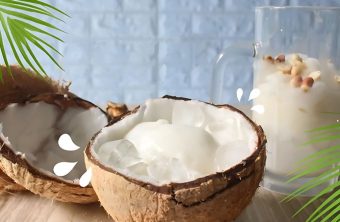
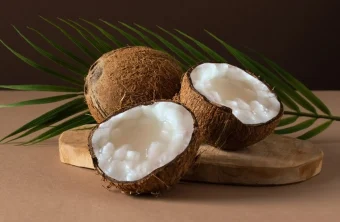
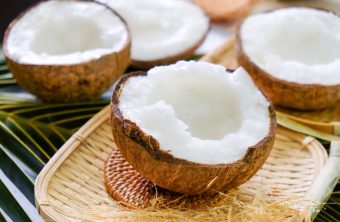
Macapuno coconut is a special type of Vietnamese Coconut in which the flesh becomes thick, soft, and almost solid, instead...
read more

FREE Express Shipping On Orders $99+

The Macapuno is a living proof that nature’s “slips” can result in top-tier sensory experiences. In the plant world, a small change in the DNA chain sometimes opens a new chapter for gastronomy, creating fruits that “stray” from the usual rules. Instead of being viewed as flaws, these Seltene Pflanzenmutationen bring unprecedented textures and flavors, transforming the “imperfect” into a priceless gift that humans long for.
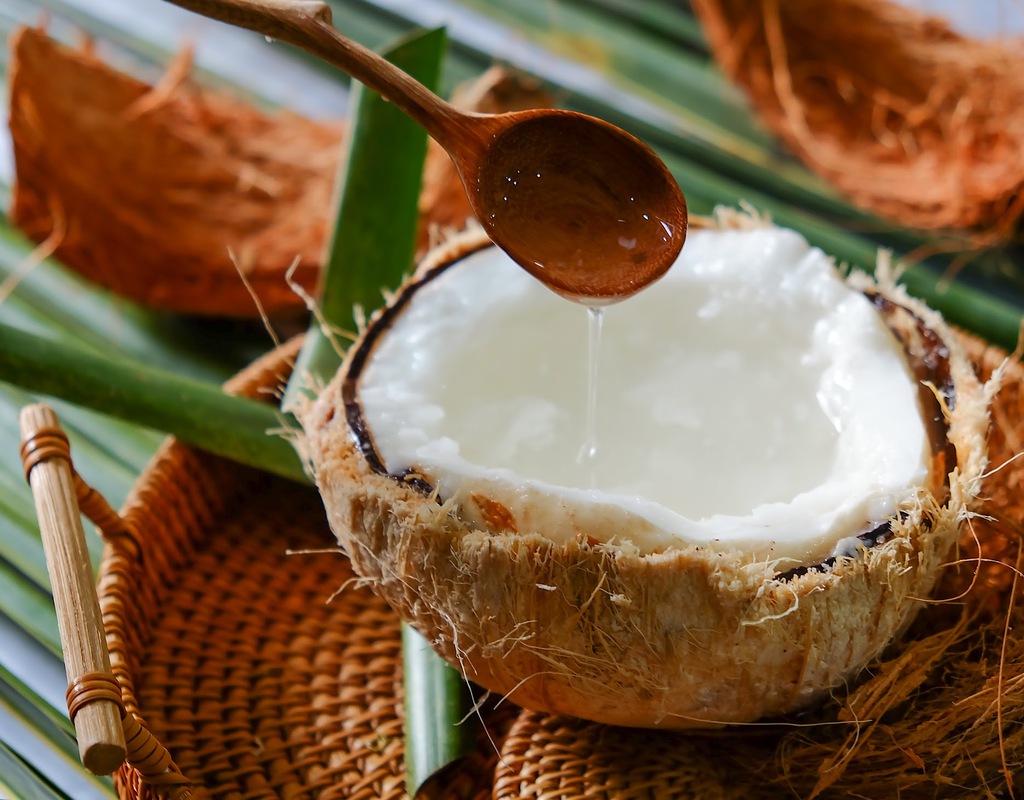
Wax coconut is extremely rare and a proud treasure of Vietnamese agriculture (Image source: Internet)
The existence of Macapuno stems from an extremely rare genetic phenomenon. According to biological research, this fruit possesses unique mutational characteristics:
The low occurrence rate and complete dependence on nature have made the wax coconut an agricultural product with high economic Wert von Mutationsfrüchten and a source of pride for Vietnamese produce globally.
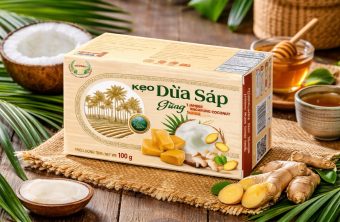
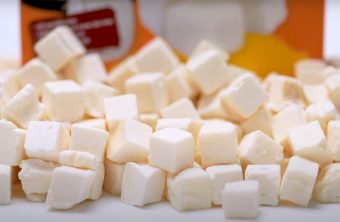
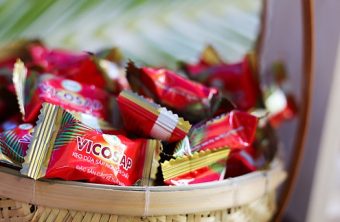
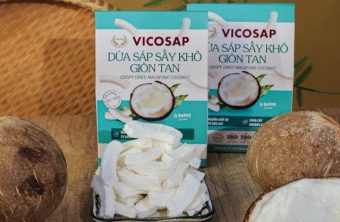
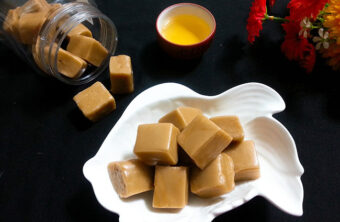
At VietNatur, we have realized the journey of bringing this “treasure” to the world. Using advanced freeze-drying technology, VietNatur’s product lines—such as crispy wax coconut, wax coconut yogurt, and ginger wax coconut candy—retain 100% of the characteristic richness and aroma, allowing you to enjoy this mutant specialty anytime, anywhere.
While Macapuno changes in internal texture, Culi coffee is a mutation in bean shape. Normally, a coffee cherry carries two symmetrical flat-sided beans. However, due to a “confusion” during pollination, one bean fails to develop, and the remaining bean naturally takes up the entire space to grow into a single round shape.
Because it doesn’t have to “share” nutrients, the Culi bean accumulates a much higher concentration of caffeine and aroma. Coffee connoisseurs consider this a “premium” Seltene Pflanzenmutationen due to its intense bitterness and depth of flavor.
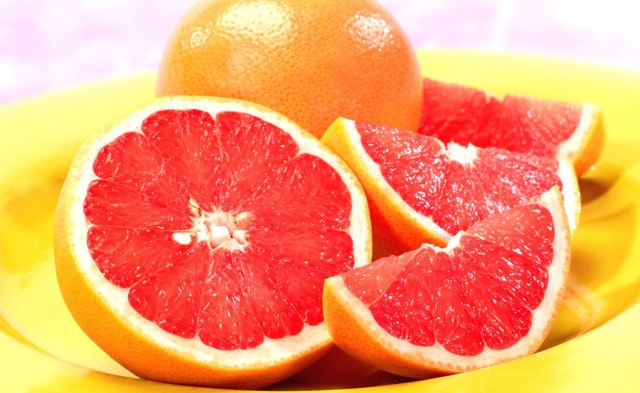
Cara Cara oranges captivate with their vibrant ruby-red flesh inside (Image source: Internet)
First discovered in 1976 in Venezuela, this orange is an extremely rare bud sport mutation from the Washington Navel variety. This genetic “mix-up” causes the fruit segments to accumulate Lycopene, creating a signature red color while the peel remains orange. Cara Cara oranges are seedless, about 20% sweeter than regular oranges, and contain exceptional Vitamin C levels.
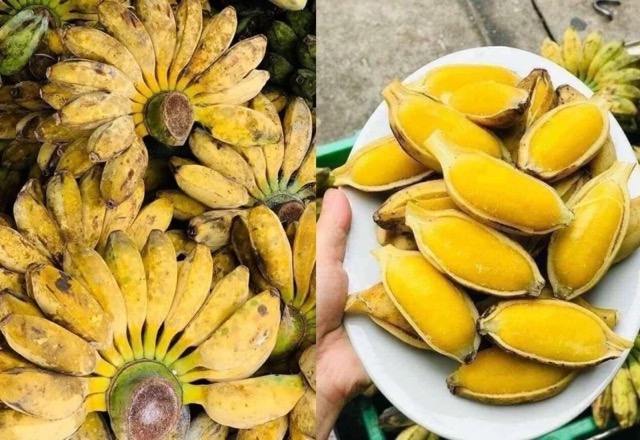
Wax bananas become irresistibly delicious with their soft, sticky honey-like texture when enjoyed (Image source: Internet)
Sharing a name that evokes the Vietnamesische Macapuno (both are referred to as “Sáp” or “Waxy”), the wax banana possesses an extremely stable and dense starch structure. This is a natural mutant variety that you cannot eat immediately after picking due to its acrid taste and hard texture. However, when boiled or heat-processed, the internal starch “transforms” into a dense, golden, and intensely sweet honey-like layer. This transformation requires an understanding of botanical characteristics to fully appreciate and enjoy the wonderful “genetic error” of this fruit.
Mutant fruits like the Vietnamesische Macapuno or Culi coffee are not just products of nature; they represent precious biodiversity. Our pursuit of them is evidence of:
The story of Macapuno and other mutant fruits is a reminder that nature always has its own ways of surprising us. At VietNatur, we celebrate these unique values and strive to bring the very essence of Macapuno to food lovers, helping you experience the miraculous taste born from Mother Earth’s beautiful “genetic errors.”