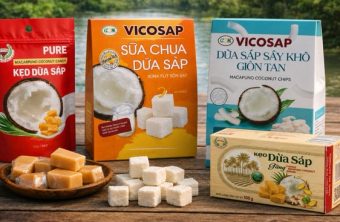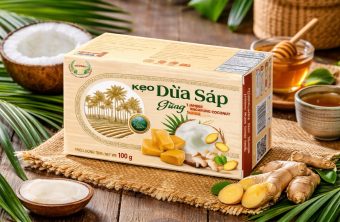
Macapuno Ginger Candy: Warm & Creamy
Macapuno coconut candy with ginger is a modern version of traditional coconut candy, combining rare Macapuno coconut, fresh ginger, and...
read more

FREE Express Shipping On Orders $99+

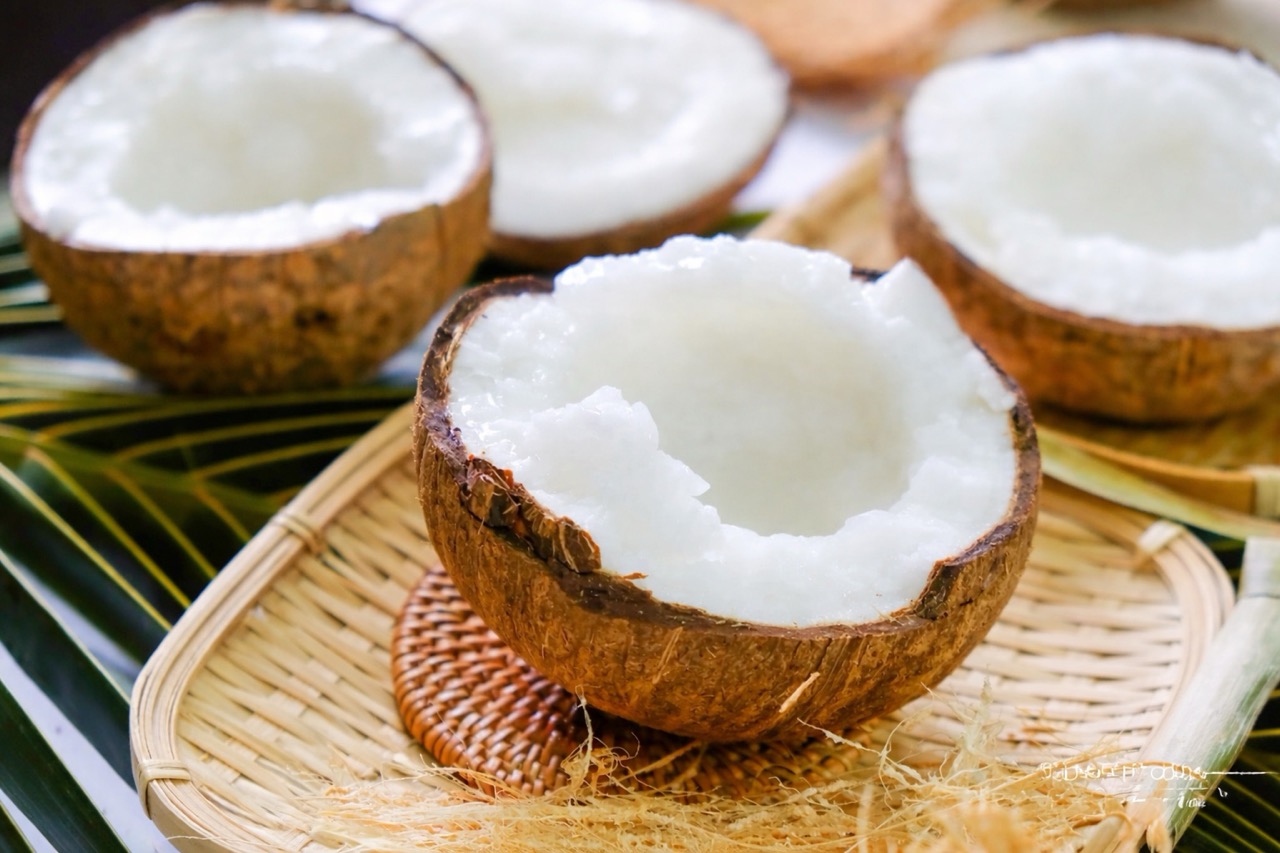
Macapuno coconut is a special type of Vietnamese Coconut in which the flesh becomes thick, soft, and almost solid, instead of forming the usual coconut water. This unusual structure makes Macapuno not just a fruit, but a unique culinary experience. So what is special about macapuno coconut and why is it so hard to find?
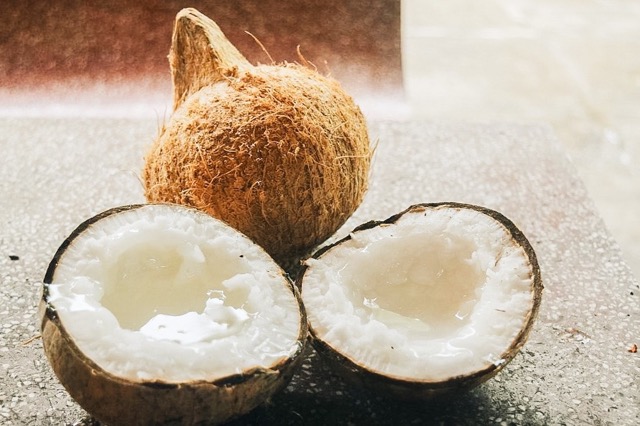
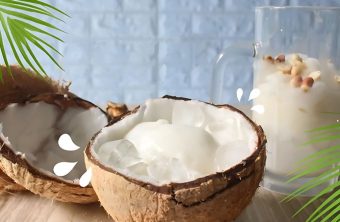
Macapuno coconut, with its thick and creamy flesh, offers a uniquely new taste experience (Source image: Internet)
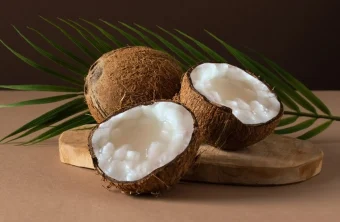
Macapuno, also known as macapuno coconut, is a natural mutation of the coconut. Instead of producing thin flesh and plenty of water, it develops a thick, soft, and creamy interior.
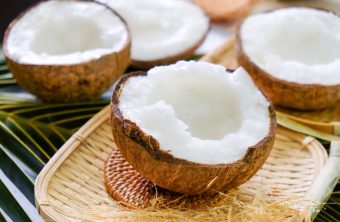
When opened, there is very little liquid inside, and the flesh fills almost the entire fruit. It can be eaten directly with a spoon. The taste of Macapuno is mildly sweet, rich, and smooth.
Interestingly, farmers cannot identify which coconuts will become macapuno coconut while they are still on the tree. They only discover it after harvesting.
Macapuno coconut is closely associated with southern Vietnam, especially Trà Vinh, the most well-known growing area.
In a single bunch, not every coconut becomes macapuno coconut. On average, only about 2–3 out of 10 fruits develop into this form. This low ratio makes Macapuno a rare fruit, even in its place of origin.
In southern Vietnam, Macapuno is not an everyday food. It is often reserved for special occasions, served to guests, or given as a gift.
Many people who grew up in the region remember waiting until a few macapuno coconuts appeared in a bunch before sharing them with family. Because of this, Macapuno is not just a specialty, but also tied to personal memories and local traditions.
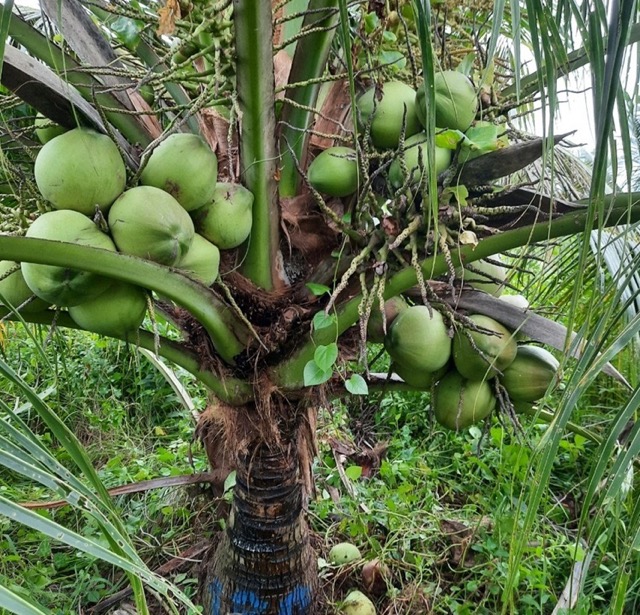
Macapuno coconut is special from its cultivation process all the way to the final product (Source image: Internet)
Macapuno coconut is a natural mutation, so it cannot be intentionally produced. In each bunch, only about 20–30% of coconuts become macapuno coconut, and sometimes even fewer. The rest remain regular coconuts. This unpredictability makes supply limited.
The texture of macapuno coconut is very different from regular coconuts. It is not crunchy and not jelly-like. Instead, it is soft, slightly chewy, and creamy. When used in desserts, Macapuno holds its shape while remaining easy to eat.
When eaten, the flesh of macapuno coconut feels smooth and soft, gently melting in the mouth. The richness spreads slowly across the palate without being heavy or overly sweet. Its natural sweetness creates a balanced flavor.
Macapuno coconut provides natural fats, including lauric acid. Its dense flesh also contains fiber. However, due to its fat content, it should be consumed in moderation.
Because of its low yield and unpredictability, macapuno coconut is significantly more expensive than regular coconuts. In Vietnam, one macapuno coconut typically costs around 80,000–200,000 VND, while a regular coconut costs about 15,000–20,000 VND, making it roughly 5–10 times more expensive.
Macapuno coconut is often eaten fresh to fully experience its texture and flavor. It is also blended with milk and ice to create a thick smoothie.
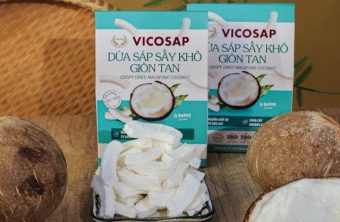
In modern use, Macapuno is also available as toppings, desserts, or dried products, making it more convenient for everyday consumption.
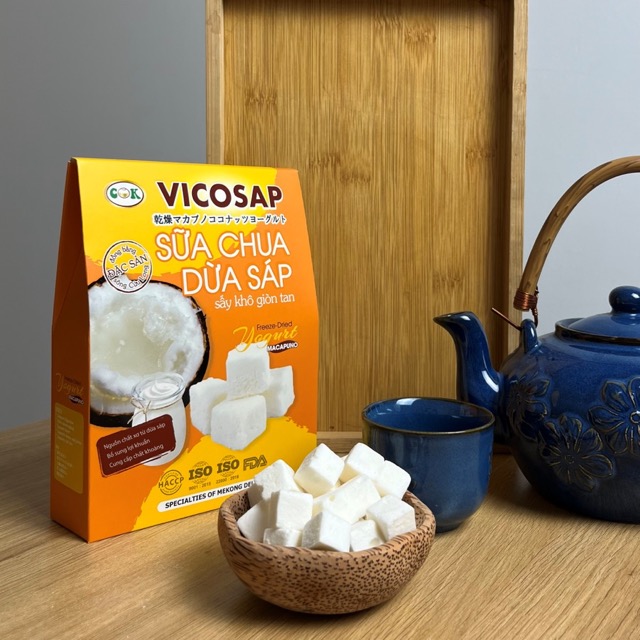
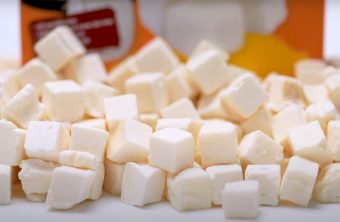
A wide range of distinctive macapuno coconut products is available on the market for you to explore (Source image: Internet)
In Germany, fresh macapuno coconut is almost impossible to find. Instead, it is mainly available as processed products, especially coconut strings in syrup used for desserts.
You can find Macapuno in Asian supermarkets in cities like Berlin, Frankfurt, or Munich. It is also available online on platforms like Amazon or Asian grocery websites. Most products are processed and sweetened.
These products generally fall into three categories:
| Criteria | Macapuno coconut | Regular coconut |
| Texture | Thick, soft, creamy | Thin, firm or crunchy |
| Coconut water | Very little or none | Plenty of liquid |
| Taste | Rich, creamy, mildly sweet | Light and refreshing |
| Usage | Eaten directly, smoothies, desserts | Drinking and fresh eating |
| Rarity | Only ~20–30% per bunch | Nearly all fruits |
| Price | High, 5–10× more expensive | Low |
| Value | Considered a specialty | Everyday food |
Is Macapuno artificially created?
No. It is a natural mutation without chemical intervention.
Does Macapuno cause weight gain?
It contains natural fats, but the main factor is usually added sugar in desserts. When consumed in moderation, it is not a concern.
How to identify real Macapuno?
Can you grow Macapuno at home?
No. The mutation is not genetically stable.
Macapuno coconut is not only a rare fruit but also a unique part of Vietnamese Coconut culture. From coconut farms in Trà Vinh to tables in Germany, it represents both rarity and a distinctive eating experience.