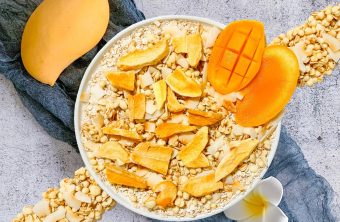
Muesli with Dried Mango: Breakfast Upgrade
Muesli has long been a popular breakfast choice in many households - thanks to its convenient preparation and balanced nutritional...
read more

FREE Express Shipping On Orders $99+

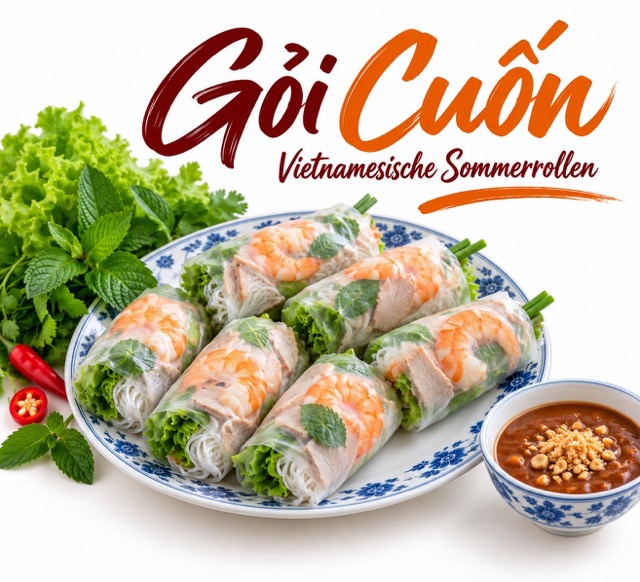
Fresh herbs, tender shrimp and thinly sliced pork wrapped in soft rice paper: Vietnamese summer rolls are light, colourful and full of flavour. This easy recipe shows you how to make them at home, with three delicious dipping sauces to choose from. Serve them as a starter, a light main course or a shared meal where everyone rolls their own.
Summer rolls with shrimp and pork, known in Vietnamese as gỏi cuốn tôm thịt, are among Vietnam’s most recognisable dishes. Internationally, they are often called “Vietnamese summer rolls” or “fresh spring rolls”.
The dish reflects the balance associated with the yin-and-yang philosophy in Vietnamese food culture: refreshing vegetables and herbs complement the richer flavours of shrimp, pork and savoury dipping sauces.
Rice paper and rice noodles also reflect the importance of rice in Vietnamese cooking. These fresh, unfried rolls make a light meal and bring people together, especially when family and friends gather around the table to prepare their own.
Vietnamese summer rolls combine soft, slightly chewy rice paper with crisp vegetables, fragrant herbs, naturally sweet shrimp and tender pork.
The dipping sauce completes the experience. Choose a creamy peanut sauce, a refreshing sweet-and-sour fish sauce dip or a bold, aromatic mắm nêm dip.
Difficulty: Easy
No advanced cooking skills are needed. The key is to prepare the ingredients carefully, cook the shrimp and pork until tender and take your time when rolling.
Serves 4–5
Mixing ratio: Fish sauce, sugar, lime juice and water in a 1:1:1:5 ratio.
Tip: Keep the filling well drained. Excess moisture can make the rice paper fragile and difficult to roll.
Bring a pot of water to the boil with a little salt and a few slices of ginger.
Add the shrimp and cook for a few minutes, depending on their size, until pink and opaque throughout. Remove and allow to cool.
Peel the shrimp, then slice each one in half lengthways.
In a separate pot, bring water to the boil with a little salt and lightly crushed shallots.
Add the pork belly and skim off any foam that rises to the surface. Cover, reduce the heat and simmer gently until the pork is fully cooked and tender.
Cooking time depends on the thickness of the piece; 15 minutes may be too short for a larger piece.
Once fully cooked, turn off the heat and let the pork rest briefly in the hot cooking water. Remove, drain and allow to cool slightly. You can then chill it briefly to firm it up, making it easier to cut into thin slices.
There are three popular dipping sauces to serve with summer rolls. Choose your favourite or prepare several for everyone to try.
Place the soy sauce, peanut butter, water, oyster sauce and a little sugar in a small saucepan.
Warm over a low heat, stirring continuously until smooth and slightly thickened. Add more water if needed.
Transfer to a serving bowl and sprinkle with crushed roasted peanuts.
Mix fish sauce, sugar, lime juice and water in a 1:1:1:5 ratio, stirring until the sugar dissolves.
Add the chopped garlic and chilli. Taste and adjust with more lime juice, sugar or water as desired.
Finely chop the pineapple, lemongrass, galangal, garlic and chilli. Mix with the mắm nêm and a little sugar.
Adjust the seasoning to balance the sweet, sour, salty and spicy flavours. Add a squeeze of lime juice if desired, or a little water if the sauce tastes too strong or salty.
Tip: Avoid overfilling and use gentle pressure. The roll should hold together without stretching the rice paper too much.
Most of the ingredients are available at Asian grocery stores, often called Asia Markt in Germany. In Leipzig, look for shops selling Vietnamese ingredients, including rice paper, rice noodles, fish sauces and fresh herbs.
Drain the lettuce, herbs, shrimp and pork thoroughly before rolling. Dip the rice paper only briefly and avoid adding too much filling. Excess moisture, prolonged soaking and too much pressure can all cause it to tear.
A short rest in the cooking water can help keep the pork moist. Make sure it is fully cooked before turning off the heat. The cooking time depends on the thickness of the meat.
Summer rolls taste best freshly made, so prepare only as many as you plan to eat.
If you have leftovers, promptly refrigerate them in a tightly covered container and preferably eat them the same day. Keep the rolls slightly separated to prevent sticking. The rice paper may become firmer in the fridge.
If preparing ahead, store the filling separately and assemble the rolls shortly before serving.