Best Hiking Snacks: Energy Foods for Outdoor Adventures
Hiking and trekking are outdoor activities that build endurance, improve physical fitness, and help recharge your mental energy. However, to...
read more

FREE Express Shipping On Orders $99+

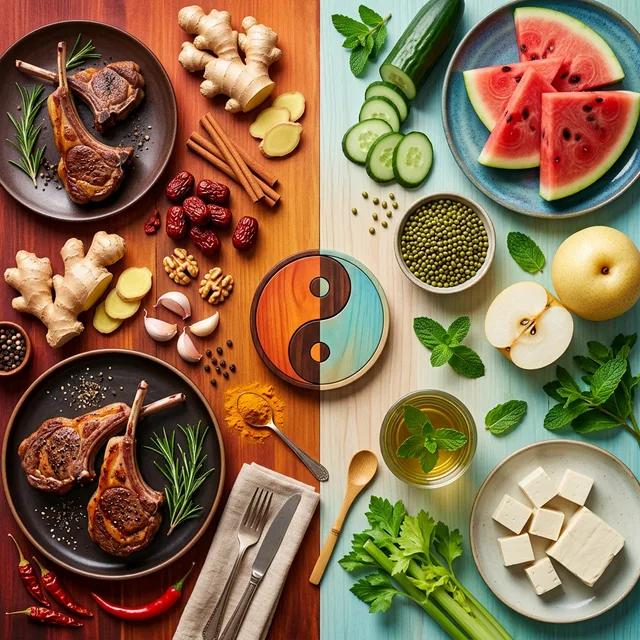
In traditional medicine, human health is closely connected to the rhythm of nature. As the weather transitions from autumn to winter, the cold air brings moisture and coldness that can easily invade the body. Adjusting your diet through Yin Yang culinary balance is the first step in helping the body self-regulate, maintain a stable core temperature, and support physical well-being during cold, windy days.
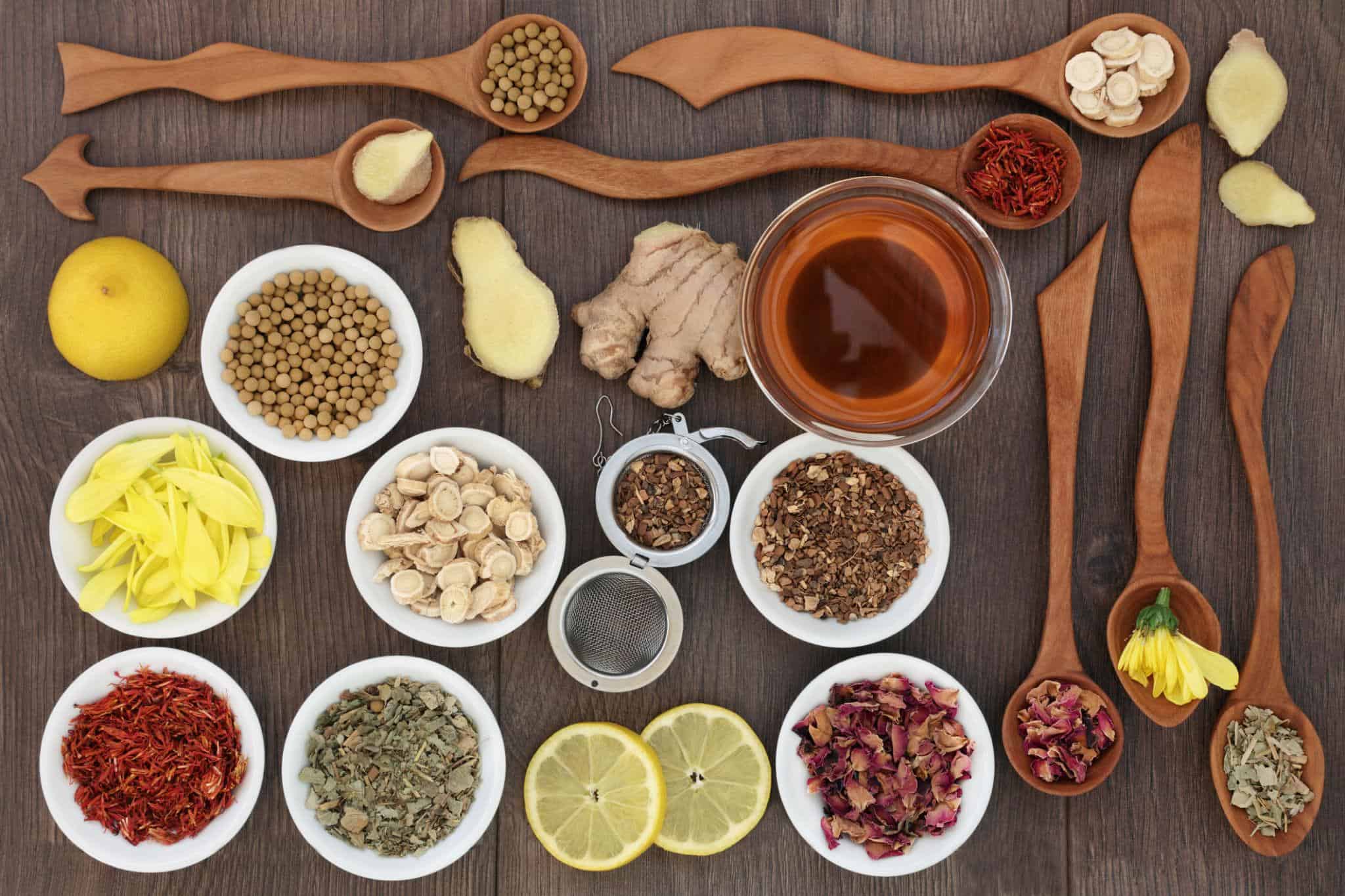
Ingredients with naturally warming flavors are commonly found in cold-season meals across many Asian cultures. (Source: Internet)
Traditional Eastern medicine always believes that everything in the universe is made up of two opposing yet unified forces: Yin and Yang. For German and Western readers, this might be a novel concept, but in East Asian medicine, the philosophy of Yin Yang culinary balance acts as a compass for living in harmony with nature. The food we consume is not simply to satisfy hunger or provide physical energy; more profoundly, according to traditional Eastern medicine, proper eating is a part of conditioning the body and maintaining Yin-Yang equilibrium.
The essence of a traditional nourishing diet emphasizes that each food has its own distinct characteristic: Cold, Cool, Warm, and Hot. There is also a Neutral nature (neither hot nor cold). When the human body enters the change of seasons, especially when welcoming the first cold winds, the Yin energy in the external environment thrives while Yang energy recedes. To adapt, we need to supplement Yang elements (warm, hot) from within.
The art of balance does not lie in consuming an excessive amount of uncomfortably spicy and hot food, but rather in a delicate blend of ingredients. For instance, a food with a cold nature like seafood or water-rich vegetables is often prepared with warm-natured spices such as ginger, lemongrass, garlic, and chili. This skillful combination creates a harmonious meal structure, making food easier to digest so the stomach and spleen are not overloaded. By flexibly applying Yin Yang culinary balance, each meal becomes a natural remedy, contributing to helping the body adapt better to weather changes.
Enjoying warm food and drinks is part of the cold-season dining tradition in many families. (Source: Internet)
In daily life, snacks serve as supplementary meals that quickly provide energy and relieve stress. However, if chosen wisely according to Eastern medicine classifications, certain ingredients with warm or hot properties are often selected as warming foods in cold-season snacks, protecting the meridians from the attack of coldness. To choose the right snack, we must clearly understand the nature of each ingredient from an Eastern medical perspective.
Ginger is one of the most typical representatives of the Warm food group. The spicy taste and warm nature of ginger have the ability to dispel wind-cold, warm the stomach and spleen, and clear the meridians. When eating a slice of ginger jam, especially the delicate combination in dried ginger with kumquat and honey, the spiciness of ginger combined with the sweetness of honey and the fragrant sourness of kumquat creates a uniquely flavored snack, perfect to enjoy when the weather turns chilly. According to traditional beliefs, ginger helps warm the body, bringing a comforting feeling to the stomach on days when temperatures drop.
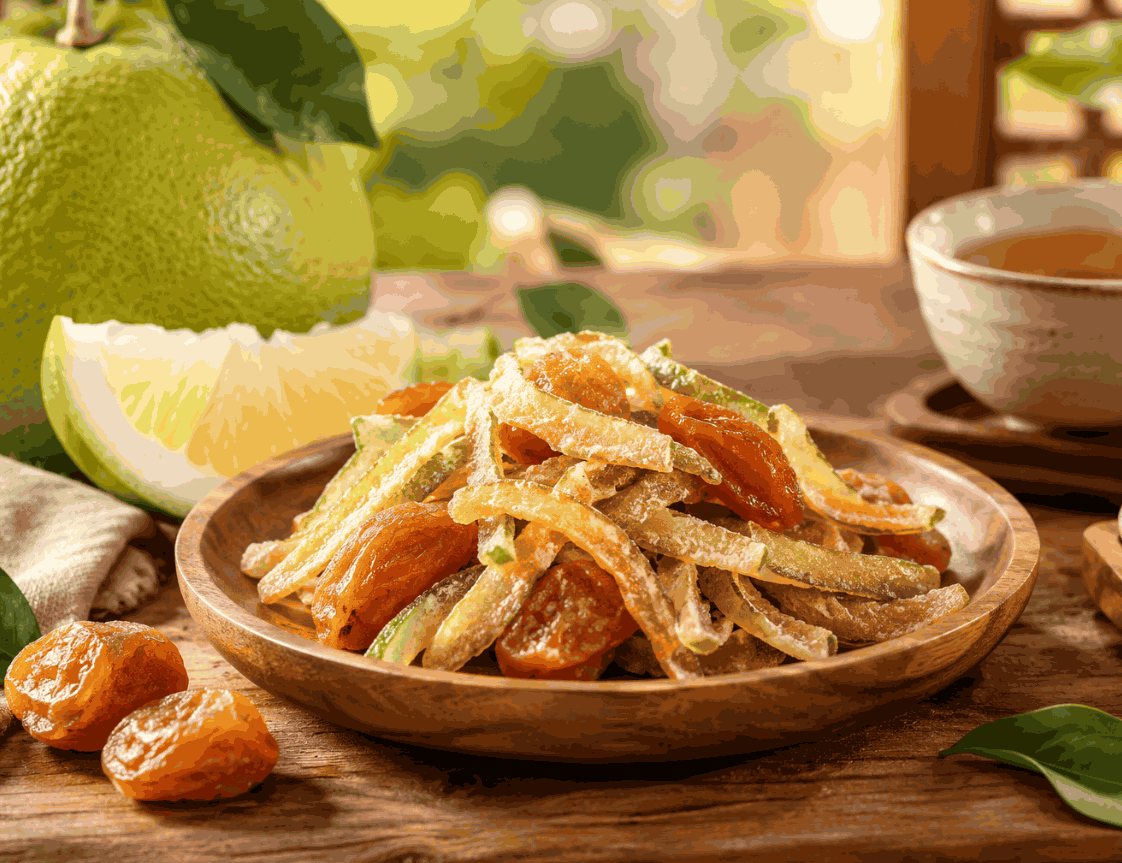
Besides ginger, pomelo peel is also a precious gift from nature when autumn arrives. Pomelo peel contains plenty of essential oils with a cooling, slightly bitter taste, yet it has a neutral, mildly warm nature. In traditional medicine, pomelo peel is used in several remedies believed to promote Qi circulation and resolve phlegm. In the culinary world, pomelo peel is also crafted into dishes and treats with a distinctive aroma. Nibbling on a bit of pomelo peel with salted apricot not only helps keep the mouth fragrant and clean but also regulates the airflow within the body. The combination of the pomelo peel’s aroma and the salty-sour taste of the apricot creates a unique taste experience.
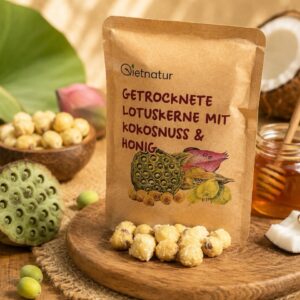
On another note, the body does not always just need extra “heat”. Sometimes, the cold weather and a heavily sheltered lifestyle cause internal heat toxicity to flare up. In Eastern medicine, lotus seeds are often described as having a sweet taste and a neutral nature, associated with concepts of nourishing the heart and strengthening the spleen. Even if the weather outside is freezing, nibbling on dried lotus seeds with coconut and honey is, according to Eastern medicine, used for the purpose of nourishing the mind and calming the nerves. This is an interpretation based on traditional medicine and does not imply that dried lotus seed products have been proven to improve sleep. The nutty flavor of the lotus seeds mixed with the fragrant richness of coconut and the mild sweetness of honey brings a relaxed, comfortable feeling, helping you unwind after a stressful workday. Skillfully combining spicy ginger, cooling pomelo peel, and nutty-cool lotus seeds is an excellent testament to the art of Yin Yang culinary balance in daily life.

According to Eastern traditions, combining seasonal ingredients helps create balanced meals. (Source: Internet)
To smoothly transition through the change of seasons, establishing a scientific snacking habit is essential. You do not need to change your entire lifestyle; simply be mindful of applying the spirit of Yin Yang culinary balance to every little choice. Below are practical suggestions to help you maintain a warm throat and a body full of vitality, even if it is wet and cold outside.
First, start your day or late afternoons with warm beverages. Ginger tea, cinnamon tea, or chamomile tea mixed with a bit of red apple and goji berries are excellent choices. According to Eastern medicine concepts, red apples and goji berries are often associated with blood-nourishing properties, while ginger and cinnamon are classified in the warm ingredient group, used as warming foods for the body. Enjoying warm tea can bring a comforting sensation to the throat when the air is dry and cold.
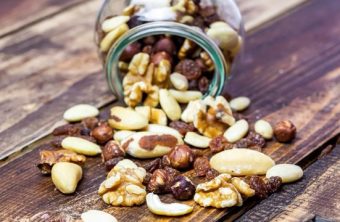
Second, prioritize plain roasted nutritional nuts over industrial candies containing lots of refined sugar. Almonds, walnuts, cashews, and pumpkin seeds provide energy, fats, proteins, and certain micronutrients. When choosing, pay attention to the portion size and the ingredients of each product. According to a traditional nourishing diet, chewing these nuts thoroughly will stimulate saliva production, support the digestive process, and help the stomach work more gently.
Third, if you have a sweet tooth, look for low-sugar traditional Asian jams or those marinated with natural honey. According to Eastern medicine, honey has a sweet taste, a neutral nature, and is associated with lung-moistening properties. When combined with ginger, kumquat, or pomelo peel, honey contributes to creating a harmoniously flavored snack. Avoid overconsuming ice-cold drinks, highly sweetened milk teas, or chilled fruits during this period. In Eastern medicine, consuming cold foods may not be suitable for constitutions considered sensitive to cold. However, this concept should not be generalized into a conclusion that cold drinks damage the digestive system of everyone.
Finally, listening to your body is the ultimate principle. A tired body with freezing hands and feet will need more warm foods than a restless, parched body. Eating seasonally is not a rigid formula but a continuous adjustment based on each individual’s actual physical condition.
By grasping and effectively applying the philosophy of Yin Yang culinary balance, we not only help the body adapt gently to weather changes but also turn every meal into an experience that nourishes both body and mind. No matter how much cold the monsoon brings, as long as you know how to choose the right foods and maintain harmony between the air currents, you will always be ready to embrace the beautiful moments of the upcoming winter. Understanding the concept of Yin Yang culinary balance helps us further explore how Eastern people choose and combine seasonal ingredients. Proper eating habits, paired with a balanced diet, are part of a healthy lifestyle.
***Concepts such as yin and yang, cold and hot, qi and blood, spleen and stomach, nourishing the heart, calming the mind, wind-cold, etc., mentioned in this article are based on the traditional theoretical system of Eastern medicine and culinary culture. This article introduces these traditional concepts for reference regarding lifestyle and balance. The products and culinary suggestions in this article do not replace a balanced diet, medical advice, or necessary medical treatments.
Entdecke passende VietNatur Produkte zu diesem Thema.