Muesli with Dried Mango: Breakfast Upgrade
Muesli has long been a popular breakfast choice in many households - thanks to its convenient preparation and balanced nutritional...
read more

FREE Express Shipping On Orders $99+

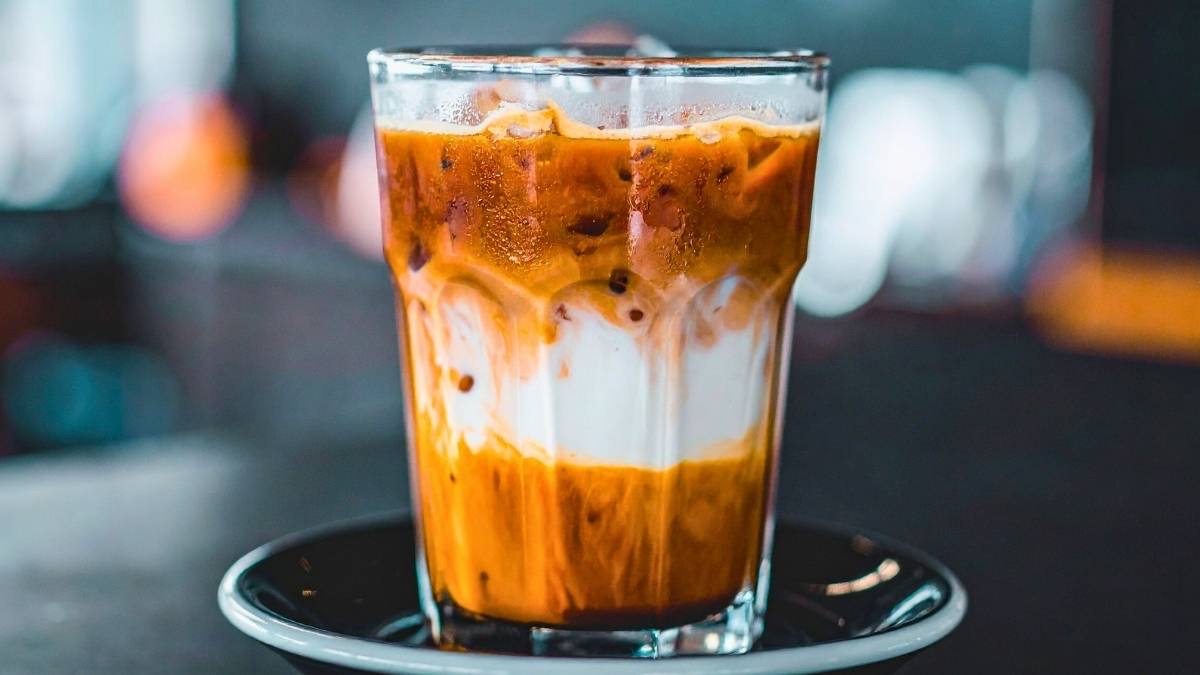
Bold coffee, creamy sweetened condensed milk and plenty of ice: cà phê sữa đá brings the flavour of Vietnamese street cafés straight to your home. This classic Vietnamese iced coffee balances rich roasted notes with a smooth sweetness, making it a refreshing treat on a warm day.
You don’t need an espresso machine to make it. With a traditional Vietnamese phin filter, ground robusta coffee and a few simple ingredients, you can prepare your own glass step by step.

Cà phê sữa đá is an essential part of everyday life in Vietnam. From small pavement cafés to busy city coffee shops, it offers a moment to slow down, chat and enjoy the day.
Its history is closely connected to the introduction of coffee during the French colonial period. As fresh milk was not always readily available, sweetened condensed milk became a popular companion to strong coffee.
Today, the combination of slowly brewed phin coffee, condensed milk and ice remains a classic of Vietnamese coffee culture.
A good Vietnamese iced coffee combines bold roasted flavours with creamy sweetness.
Vietnamese robusta gives the drink a full body, an intense aroma and a distinctive bitterness. Sweetened condensed milk softens those bitter notes while adding a rich, smooth texture.
Ice cools the drink and gradually mellows its intensity as it melts. The result is strong, sweet and refreshing.
Easy. You don’t need professional equipment or barista experience.
The main things to get right are the grind size, gentle pressure on the filter insert and a slow, steady flow of water through the coffee.
Take your time: watching the coffee drip is part of the phin coffee experience.
Tip: Choose sweetened condensed milk, not evaporated milk or ordinary coffee cream. It provides both the sweetness and the creamy texture that characterise this drink.
Rinse the phin and filter insert with hot water. This warms the metal and helps reduce heat loss during brewing.
Add 20–25 ml sweetened condensed milk to a heat-resistant glass, then place the phin on top.
Add 20–25 g ground coffee to the phin. Gently shake it to distribute the grounds evenly.
Place the filter insert on top and press lightly. Avoid packing the grounds too tightly, as this can slow down or block the flow of water.
First pour — blooming:
Slowly pour approximately 20 ml hot water at 90–95°C over the filter insert. Let the coffee bloom for around 30 seconds so that the grounds become evenly saturated.
Second pour — brewing:
Add another 60–70 ml hot water, put the lid on and let the coffee drip slowly into the glass containing the condensed milk.
Once the coffee has finished dripping, carefully remove the phin. You can place it on its upturned lid to catch any remaining drops.
Stir the hot coffee and condensed milk thoroughly until the mixture is smooth and evenly coloured.
Fill the glass with ice cubes and stir again to chill the drink.
Your Vietnamese iced coffee with condensed milk is ready to enjoy!
Tip: Larger ice cubes melt more slowly and help keep the coffee strong for longer. Adjust the condensed milk to suit your preferred level of sweetness.
Allow the filter to cool slightly, then take it apart. Remove the used coffee grounds and wash all parts with warm water.
Follow the manufacturer’s care instructions when using detergent or a dishwasher, particularly for aluminium phins or filters with coloured finishes.
Let every part dry completely before reassembling.
Look for Vietnamese coffee in Asian grocery shops or online at VietNatur. Choose a grind suitable for brewing in a phin.
Vietnamese robusta is particularly well suited to the strong, full-bodied flavour of traditional cà phê sữa đá.
You can find phin filters in selected Asian grocery shops or order one online.
Explore the Vietnamese phin coffee filter from VietNatur to prepare your coffee the traditional way.
Depending on the store’s range, sweetened condensed milk is available in German supermarkets, Asian grocery shops and online. Examples include Milchmädchen and Dovgan.
Vietnamese brands such as Ông Thọ and Ngôi Sao Phương Nam are mainly available from Vietnamese grocery shops and specialist online retailers.
When shopping in Germany, look for “gezuckerte Kondensmilch” or “gesüßte Kondensmilch” on the label.
Water at 90–95°C is a useful starting point for phin brewing. Slightly cooler water can help limit excessive bitterness, particularly with darker roasts.
Boiling water does not automatically “burn” coffee grounds. The final flavour also depends on the roast, grind size, brewing time and ratio of coffee to water.
The first small pour wets the grounds and allows them to swell. It also helps release some of the carbon dioxide produced during roasting.
This prepares the coffee bed for the second pour and helps the water pass through the grounds more evenly.
After the first drops appear, aim for a slow, steady drip. Around one drop per second can serve as a rough guide, but it is not a strict rule. Different filters and coffees behave differently.
If the water runs straight through in a thin stream, the grounds may be too coarse or too loosely distributed. If very little coffee comes through, the grind may be too fine or the filter insert may be pressed down too firmly.
For your next brew, change one variable at a time, such as the grind size or the pressure on the insert.
For the classic cà phê sữa đá flavour and texture, use sweetened condensed milk. It supplies both the sweetness and the creamy consistency.
You can make a cold coffee drink with unsweetened milk, but it will taste different from traditional Vietnamese iced coffee.