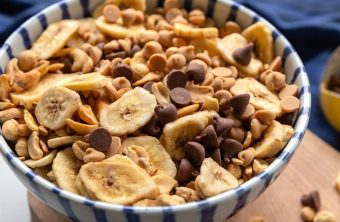
Best Hiking Snacks: Energy Foods for Outdoor Adventures
Hiking and trekking are outdoor activities that build endurance, improve physical fitness, and help recharge your mental energy. However, to...
read more

FREE Express Shipping On Orders $99+

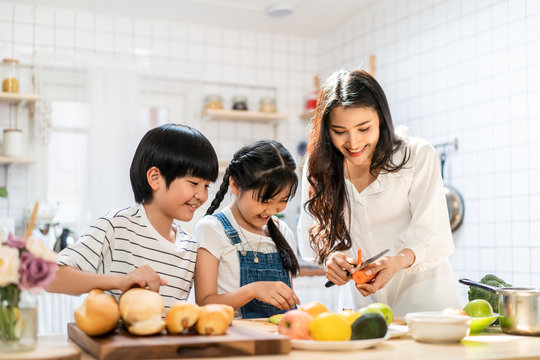
Many parents want to reduce candy and sugary treats for their children but struggle because kids are already used to the strong sweetness of processed snacks or bottled drinks. In reality, snacking is not necessarily unhealthy if parents choose suitable options and help children build balanced eating habits from an early age.
Below are 7 healthy snacks that can replace overly sweet treats while making children’s daily snack time more varied and convenient.
Healthy snacks for kids should focus on simple ingredients, natural sweetness, and convenient portions for daily snack time. Instead of relying only on candy or heavily flavored snacks, parents can combine fresh fruit, nuts, and lightly dried snacks to create more variety without making preparation complicated.
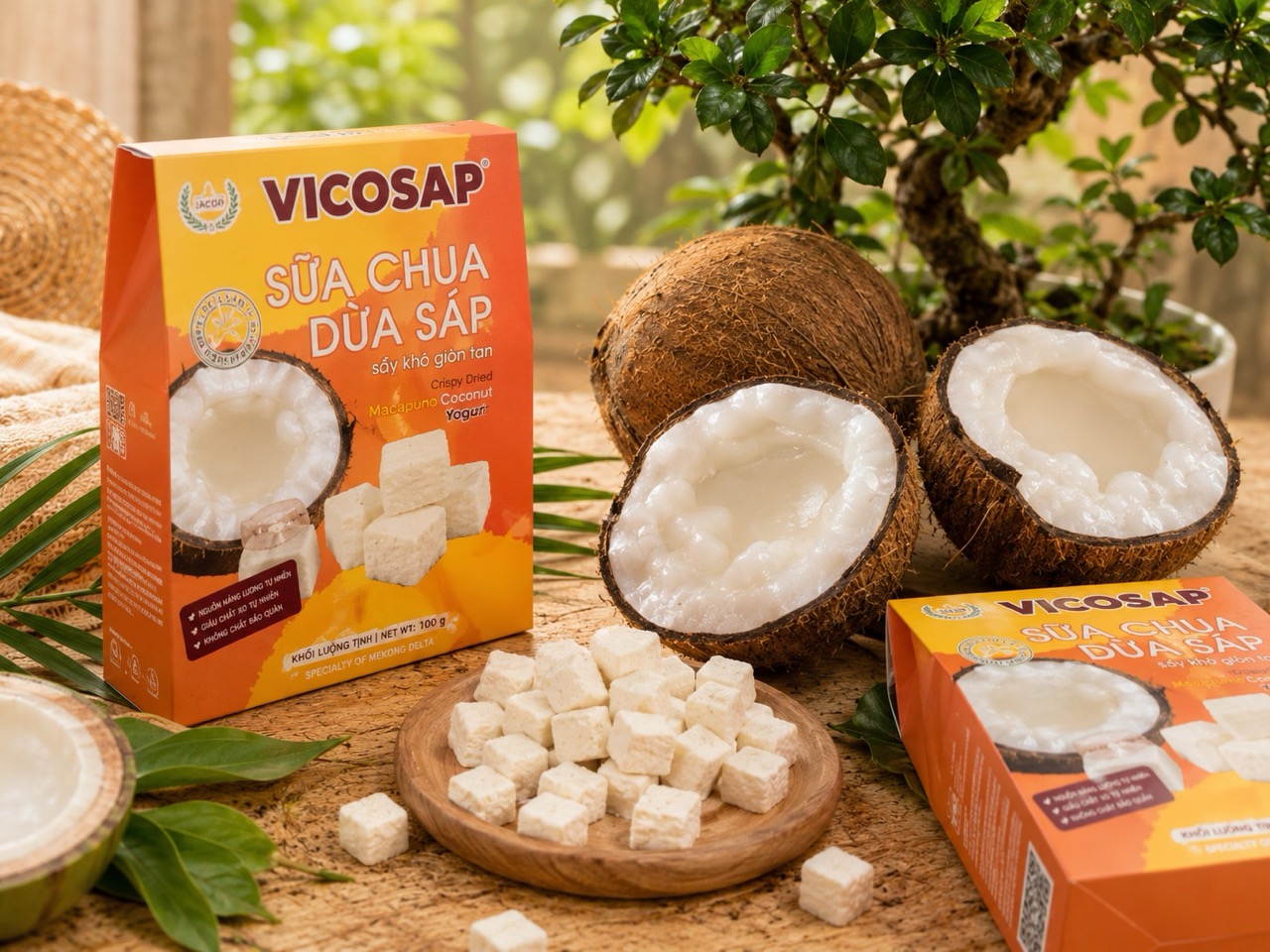
Freeze-dried coconut yogurt provides children with energy for their daily activities
Freeze-dried coconut yogurt snack is suitable for children who enjoy crunchy snacks while parents want to reduce cream-coated sweets or overly sugary treats. Unlike many flavored snacks made with strong artificial tasteings, this product combines macapuno coconut, milk, and probiotic cultures before being freeze-dried to create a naturally crispy texture.
Thanks to ingredients like coconut and milk, the snack provides natural energy along with nutrients already present in the raw ingredients, making it suitable for school-day snack breaks. Compared with snacks made mostly from refined sugar or processed starches, this option adds more variety to snack portions.
Its crispy texture and mild yogurt flavor combined with aromatic coconut make it convenient for many situations such as school breaks, short trips, or outdoor activities.
Even after drying, the snack keeps the gentle aroma and light tangy flavor of fermented coconut yogurt, helping children enjoy it more easily during short snack times. The dry format also makes it easier to carry in lunchboxes without becoming soggy.
The freeze-dried coconut yogurt snack from VietNatur is designed as a convenient option for school, travel, and outdoor activities.
Apples, pears, and melons are simple options that help children get used to the natural sweetness of fresh fruit instead of depending too much on candy. These fruits often contain water and fiber, making them suitable for midday snacks or after-school meals.
Compared with many processed snacks, fresh fruit also brings more variety in flavor and texture. Apples and pears are easy to carry and less watery than softer fruits, while melon often feels more refreshing on warm days.
To make fruit easier for children to eat, parents can cut it into small slices and store it in separate containers. For a more filling snack, fruit can also be combined with unsweetened yogurt, oats, or crushed nuts.
Simple combinations include:
These combinations help make snack time more varied while still being easy to prepare during busy school days.
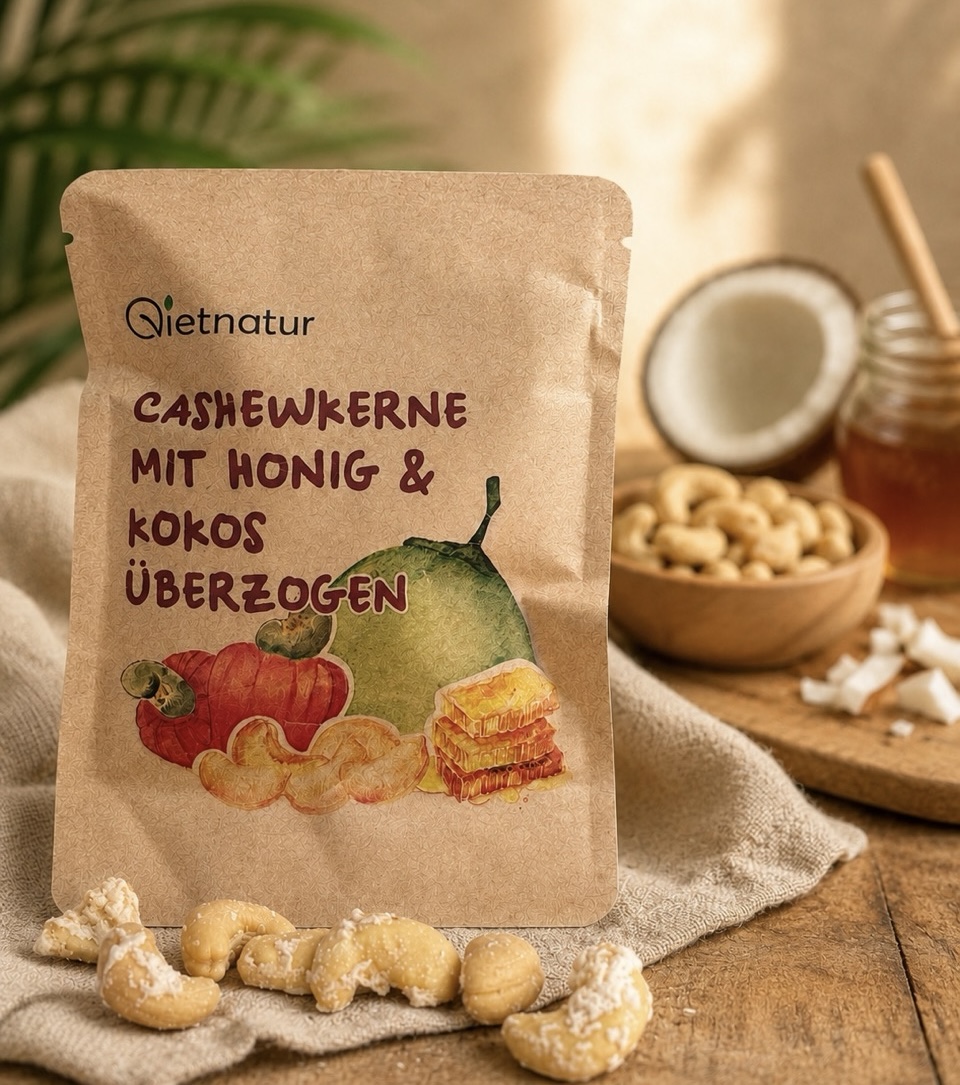
Dried cashew nuts are convenient, rich and nutty, and provide many essential minerals
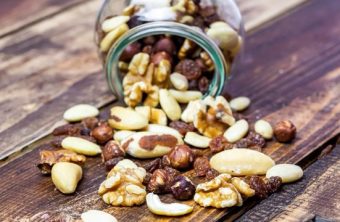
Cashew nuts are a suitable option for children who enjoy light crunchy snacks while parents want to reduce heavily seasoned or overly sweet foods. Compared with many regular snack products, cashews contain natural fats, plant protein, and minerals such as magnesium and iron.
Because of their natural fat content, cashews are often suitable for light snack portions that feel more filling than many starch-based snacks with heavy seasoning.
The coconut-coated cashews from VietNatur are combined with honey to create a lightly crispy texture and gentle sweetness, making them suitable for adding variety to weekly snack routines while still being easy to carry in lunchboxes.
Homemade fruit popsicles are a simple alternative to ice cream products with high sugar content or artificial flavorings. Parents can easily adjust ingredients and sweetness levels depending on their child’s preference.
A simple recipe may include:
Blend the mixture and freeze it for several hours to create an easy fruit-based treat for warm days. Bananas naturally create a creamy texture without requiring excessive sugar or cream.
This is also a simple way to encourage children to eat more fruit in a fun and approachable form.
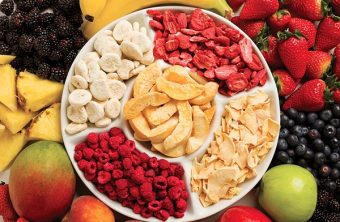
Dried jackfruit is suitable for children who enjoy crispy snacks while parents want to reduce heavily seasoned chips or crackers. Compared with many industrial snack products, dried jackfruit offers natural sweetness from ripe fruit and a tropical aroma.
100 g of dried jackfruit contains around 10 g of fiber and approximately 406 kcal of energy, making it suitable for compact snack portions during busy days. Its light crispiness and more noticeable fruit flavor often create a stronger “fruit snack” feeling compared with snacks focused mainly on salty or overly sweet tastes.
Many parents choose dried jackfruit as a way to diversify snack time instead of relying only on chips or candy. Besides traditional dried jackfruit products, parents can also explore VietNatur dried jackfruit for convenient portioning during school days or trips.
Fruit smoothies are an easy way to add more fruit into children’s daily diets in a drinkable form. Bananas, mangoes, or strawberries can be combined with yogurt, oats, or chia seeds to create a quick snack after school.
You can try this simple smoothie recipe:
Blend everything for a few minutes to create a drink suitable for children who do not enjoy eating a lot of fresh fruit. Compared with sugary soft drinks, homemade smoothies also allow parents to control ingredients more easily.
Dried lotus seeds have a mild, slightly nutty flavor that suits children who do not enjoy heavily seasoned snacks. After drying, the seeds develop a light crispy texture while remaining easy to chew, making them suitable for short snack breaks.
Compared with many industrial snacks, lotus seeds usually have a milder taste and can easily be combined with yogurt, fruit, or nuts. Lotus seeds also contain carbohydrates, fiber, and plant protein that help create a more balanced feeling during snack time.
Besides plain dried lotus seeds, parents can also explore the coconut and honey lotus seeds from VietNatur for more flavor variety. The coconut coating and honey add a light aroma and airy crunch without making the snack overly sweet.
Many popular snacks today contain high amounts of sugar, making it easier for children to develop a preference for very sweet flavors from an early age. Candy, soft drinks, flavored snacks, and instant cereals are products that commonly appear in children’s daily snack routines.
When children consume too many sugary foods, they may gradually:
As a result, some children may develop the habit of snacking repeatedly throughout the day without clear portion control.
In addition, many processed snacks today are designed with intense flavors to feel highly appealing from the very first bite. Once children become used to strong sweetness or heavy seasoning:
That is why many parents are now looking for nutritious snacks with more natural sweetness and simpler ingredients instead of heavily flavored candy or processed treats. Snacks that are easy to eat, convenient to carry, and made with clearly sourced ingredients are often easier to include in children’s daily routines.
Today, many families in Germany also prefer snacks made from clean Vietnamese agricultural products to make children’s snack time more varied while still fitting into busy everyday lifestyles.
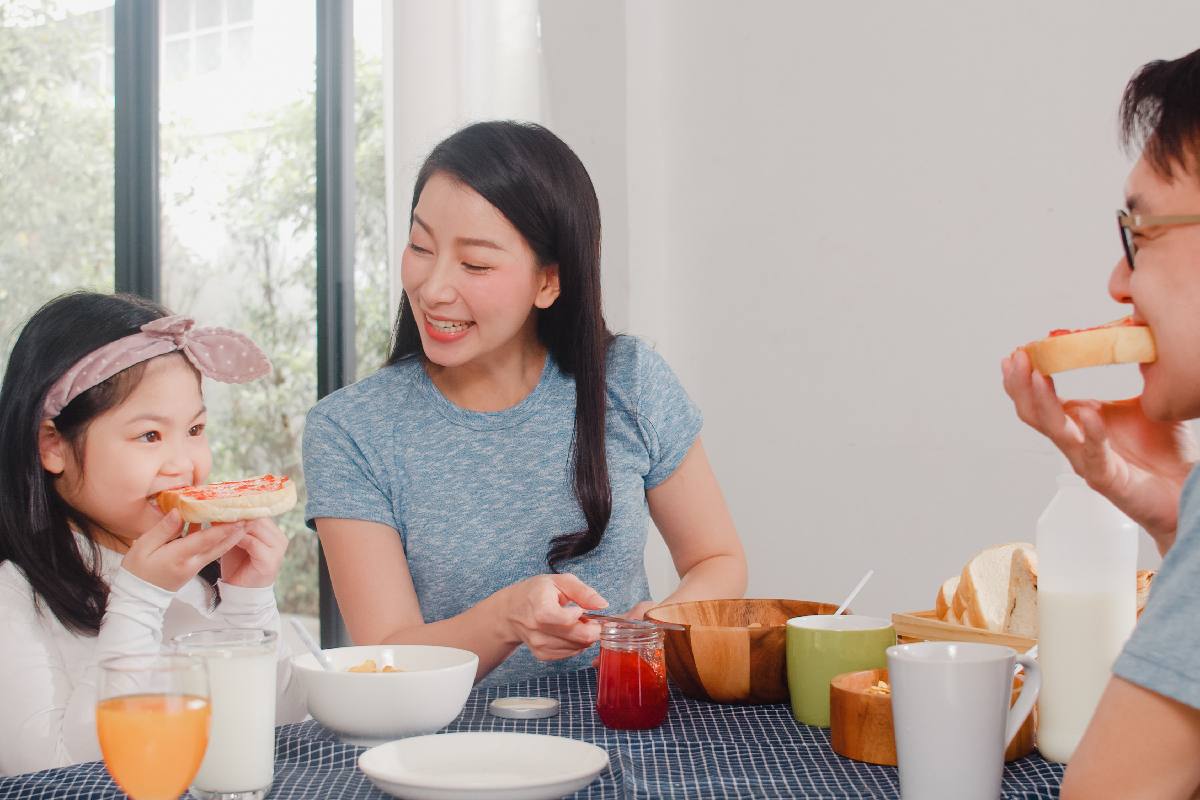
Parents should diversify their children’s diet to help them develop healthy eating habits (Image source: Internet)
To help children maintain balanced eating habits, parents should introduce changes gradually instead of removing candy and sweets all at once. Sudden changes can make it harder for children to adapt and may lead them back to old habits, especially in school environments where sugary snacks are very common.
One simple approach is to replace snacks step by step during daily snack time. Instead of eliminating all treats immediately, parents can start by reducing the frequency of high-sugar snacks and replacing them with options that have more natural flavors, such as fresh fruit, dried fruit, or nuts.
For example:
As children gradually become familiar with these changes, parents can expand snack options with other food groups such as fruit smoothies or yogurt paired with fruit. This helps keep snack time balanced without becoming repetitive.
In addition, involving children in choosing and preparing snacks can encourage more positive eating habits. When children can help select foods for their lunchboxes, arrange their own snacks, or make simple smoothies, they are often more willing to adapt to new routines.
During busy school days, especially when children have outdoor activities or travel frequently, preparing compact snack boxes in advance can also help parents manage daily snack portions more easily without making children feel restricted.
Not recommended. Nutritious snacks are better suited for snack breaks between meals, while children still need complete and balanced main meals throughout the day.
They can be suitable for short snack breaks. Both products have mild flavors, are easy to eat, and are convenient to bring to school or outings. Parents should still adjust portion sizes according to the child’s age.
Snacks can be useful in many daily situations. Many parents prepare small snack portions for school, outings, travel, or between meals because they are convenient to carry.
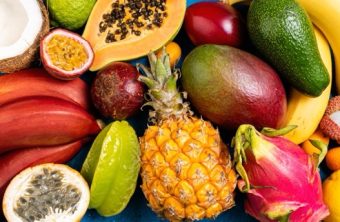
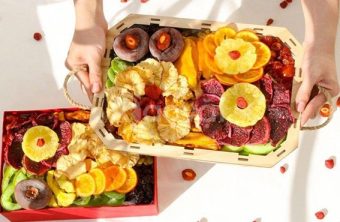
Many dried tropical fruits naturally have gentle sweetness and distinctive aromas, making them suitable for light snack portions or children’s lunchboxes.
A practical lunchbox does not need to be complicated. Choosing foods that match children’s routines and eating habits is often more important. By prioritizing snacks that are convenient, lower in sugar, and easy to store, parents can help children maintain more balanced snack habits without making major lifestyle changes.
Hopefully, the information above helps you create more balanced and practical snack options for children during busy school days. If you would like more convenient snack ideas such as dried banana, dried jackfruit, dried lotus seeds, or dried cashews, you can also explore VietNatur products for additional snack variety in a simple and practical way.