
Best Hiking Snacks: Energy Foods for Outdoor Adventures
Hiking and trekking are outdoor activities that build endurance, improve physical fitness, and help recharge your mental energy. However, to...
read more

FREE Express Shipping On Orders $99+

If you have never visited tropical countries, you might wonder what is rambutan when you stumble upon them on international supermarket shelves. This is not only a visually striking fruit but also possesses a distinctly elegant flavor tied to indigenous agricultural culture. This article will take you on a journey to discover its botanical origins, internal structure, and how modern technology transforms them into a crispy snack, fully maintaining its natural characteristics.
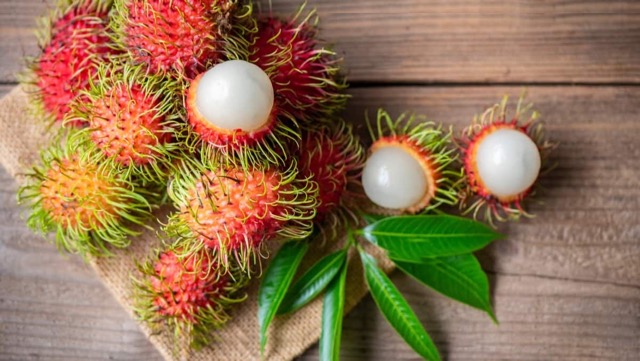
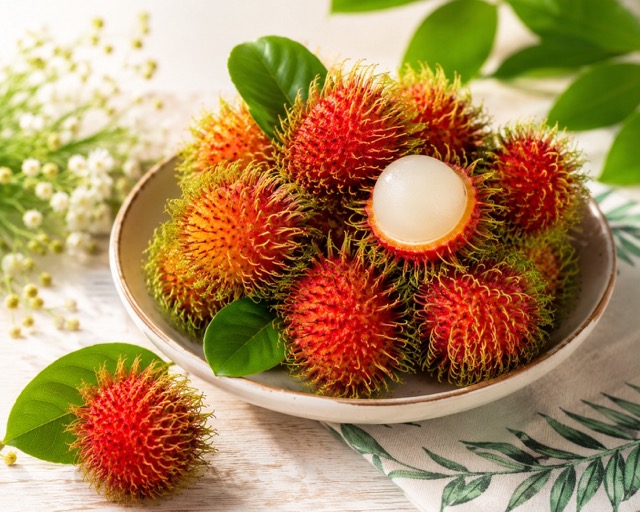
Rambutan is a delicious tropical fruit (Image source: Internet)
In the diverse botanical world, fruit morphology is often the result of long-term evolution to adapt to habitats. When beginning to learn what is rambutan, we need to examine its biological origins. The tree, scientifically named Nephelium lappaceum, belongs to the Sapindaceae (soapberry) family. This means they are quite closely related to lychee and longan.
This species thrives in hot and humid climates, especially in Southeast Asia. Among them, Vietnamese rambutan is extremely commonly cultivated in the provinces of the Mekong Delta and the Southeast region, such as Ben Tre, Vinh Long, and Dong Nai. High temperatures and abundant rainfall year-round in these areas create ideal soil conditions for the trees to grow healthily and yield stable fruit production.
The international name “rambutan” originates from the Malay word “rambut”, which means “hair”. This name intuitively and accurately describes the outward appearance of the fruit. The rambutan fruit has a compact size, usually spherical or oval, fitting perfectly in the palm of a hand. Enveloping the outside is a thin rind densely packed with soft, naturally curling spines.
Many Westerners often wonder about the structure of what is rambutan because their appearance is completely different from smooth-skinned temperate fruits. In fact, these fuzzy “hairs” serve as a biological defense mechanism. They help limit the direct impact of harsh sunlight, regulate the internal temperature of the fruit, and deter certain harmful insects. When young, the rind and spines are a lush green. Entering the ripening cycle, they gradually transition into striking color bands like orange-yellow, bright red, or dark red, creating an incredibly vibrant visual picture in the orchards.
The biological discovery journey of the fruit continues by peeling open the soft, spiky rind. This process is quite easy and does not require complex tools. Users simply need to press gently with their thumbs on the groove in the middle of the fruit, or lightly score it with the tip of a knife to split the rind in half. For those experiencing it for the first time and wanting to know the true internal structure of what is rambutan, the pure white flesh hiding underneath is the most rewarding answer.
This flesh clings around a single seed located in the center of the fruit. Depending on the breeding process and each specific cultivar in Vietnam, the flesh can either detach easily from the seed (often referred to by locals as freestone rambutan) or cling quite tightly to the protective membrane of the seed (clingstone rambutan). The flesh has an opaque white color, leaning towards a translucent appearance. The surface of the flesh is incredibly glossy thanks to the abundant water content securely held within the cell walls.
Hidden at the core of the fruit is a slightly porous seed, enveloped by a thin membrane made of wood tissue. Although eating this seed core raw is not recommended due to its tannin content and certain compounds that produce a mild bitter taste, the thin surrounding membrane can sometimes be chewed along with the flesh without affecting your health. The clear layered structure—from the protective outer rind and the intermediate juicy flesh to the reproductive seed inside—helps the fruit maintain its moisture and freshness even under the intense heat of the tropical summer.
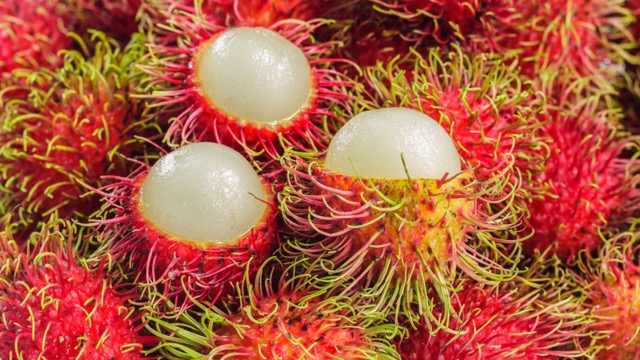
Its delicate sweetness with a slightly tangy finish creates a unique taste experience (Image source: Internet)
Besides its unique visual morphology, the flavor experience is the core element that builds the reputation of this fruit on the global agricultural map. The most recognizable of rambutan characteristics when fresh is its juiciness, delivering an immediate sense of cooling and refreshment. However, their flavor profile is much more complex and delicate than most diners initially imagine.
When biting into the translucent white flesh, the first sensation to reach the taste buds is an elegant, smooth sweetness that is not at all overpowering. The natural sugar ratio in the fruit is quite ideal, providing a pure energy source. Right after the sweetness spreads is a gentle tart aftertaste, creating a perfect biochemical balance. This organic acidity plays an important role in stimulating the salivary glands, preventing the consumer from feeling cloyed even when consuming a fairly large amount at once.
The aroma of the fruit is also an academic highlight in culinary terms. It does not release an overwhelming scent into the surrounding air like durian or jackfruit, but is fully retained within the cellular structure of the flesh. Only when you chew does the faint fruity scent mixed with a slight, gentle wildflower aroma truly burst into the oral cavity.
To comprehensively define what is rambutan in the kitchen space, it can be considered a highly versatile ingredient. Although primarily used as a fresh dessert, the rambutan fruit is also popularly applied in mixology. They appear in tropical fruit salad recipes, refreshing sweet soups, or soaked in syrup to extend their shelf life. The neutral yet flavorful nature of the flesh helps them easily blend with other ingredients.
Nutritionally, analyses indicate that the flesh provides a certain amount of vitamin C, supporting the natural immune system. Simultaneously, they also contain small amounts of trace minerals like copper and iron, along with a proportion of soluble fiber that is good for digestion, bringing healthy energy supplementation value.
The development of food science and technology has opened up many new directions to preserve and elevate agricultural products. For fruits containing a high water ratio, freeze-drying is considered one of the most advanced and revolutionary physical processing methods today. This process helps remove moisture from the inside without using high temperatures, thereby maintaining almost intact the original natural characteristics.
The freeze-drying processing takes place through extremely strict thermodynamic cycles. Initially, the fresh rambutan fruit, after undergoing cleaning, peeling, and seed removal steps, is put into a deep-freezing environment. At extremely low temperatures, usually below -40 degrees Celsius, all the natural water plumping inside the flesh transforms into solid ice crystals. This rapid cooling phase plays a role in setting the cellular framework.
Next, the product is moved into a specialized vacuum chamber. Under conditions where the pressure drops to an extremely low level, a micro-amount of heat is supplied to the chamber. This triggers sublimation—the process where solid ice crystals transform directly into water vapor without passing through a liquid state. The gradual escape of water molecules in a vacuum environment helps protect the porous cell walls, completely preventing the flesh from collapsing or shriveling.
Because it does not suffer the destructive impact of high heat like traditional thermal drying methods, the freeze-dried fruit avoids the caramelization of natural sugars or color oxidation. The pristine ivory-white color of the flesh is maximally protected. More importantly, since there is no liquid movement, heat-sensitive vitamins, the mineral range, and natural fiber are minimally lost, helping the product maintain its practical nutritional structure. The signature flavor is not only retained, but thanks to the reduced water content, the sweetness and mild tartness are concentrated, creating a distinctively deeper profile. This technological solution has opened up a scientific perspective for those interested in the deep-processing of what is rambutan and whether it alters the ingredient’s nature.
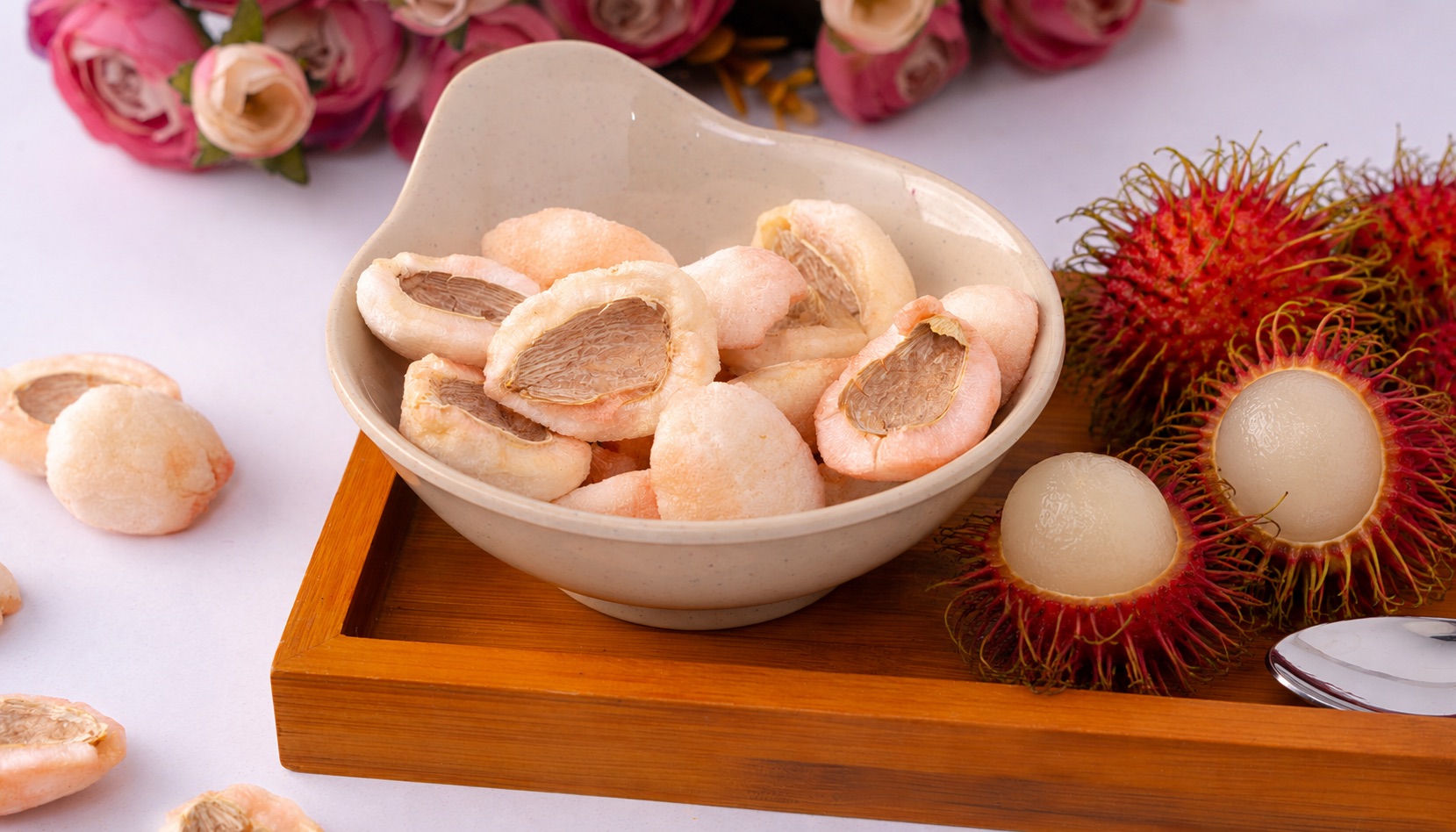
Freeze-dried rambutan retains its distinctive flavor – almost like enjoying the fresh fruit
To create a high-quality product, the selection of input ingredients always plays a decisive role. Fresh rambutans are harvested precisely at peak ripeness, right at the moment when the natural sugar content reaches its optimum level, providing a standard flavor foundation for deep processing.
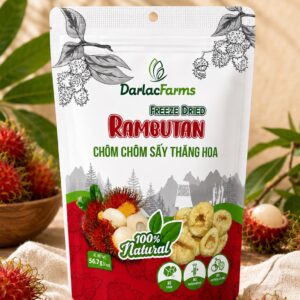
Directly applying the modern freeze-drying principle, the whole fresh fruits have been reshaped into a convenient snack format. The biggest highlight that VietNatur’s product brings is a complete transformation in the textural experience. If the fresh fruit makes its mark with softness and juiciness, the freeze-dried version delivers an incredibly special crispy and airy texture. The moment you put the snack in your mouth, the crunchy texture gradually melts lightly on the tip of the tongue under the effect of body heat and salivary enzymes, slowly releasing the pure sweet and sour flavor, mixed with a gentle tartness.
This freeze-dried snack format also thoroughly solves the physical barriers when consuming fresh fruit. Users no longer have to struggle with peeling the spiky rind, do not need to worry about sticky wet hands, or dealing with leftover seeds. For consumers in foreign markets who are learning what is rambutan, this is a highly convenient, clean, and extremely easy approach. The product follows the clean-label trend, with no refined sugar added or chemical preservatives, making it incredibly suitable to carry on picnics, for a quick energy boost in the office environment, or during long journeys.
Bearing the characteristic appearance of the tropics, this fruit offers a delicate and novel flavor experience. Hopefully, the information above has helped you resolve the question of what is rambutan. The combination of raw materials from Vietnamese growing regions and modern freeze-drying technology has created a completely new, convenient, and clean tasting format. To personally experience the crunchiness and natural sweet and sour flavor of this fruit, you can immediately order the freeze-dried rambutan snack product directly on VietNatur’s website.
Entdecke passende VietNatur Produkte zu diesem Thema.