Best Hiking Snacks: Energy Foods for Outdoor Adventures
Hiking and trekking are outdoor activities that build endurance, improve physical fitness, and help recharge your mental energy. However, to...
read more

FREE Express Shipping On Orders $99+

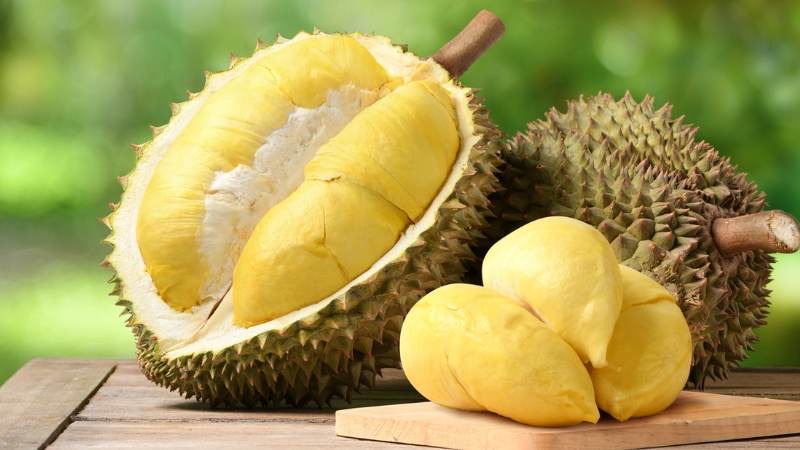
Polarization in culinary reviews often stems from first experiences. If you are wondering exactly what does durian taste like, the answer is not as intimidating as the rumors suggest. Once you overcome the initial impression of its aroma, you will discover a sophisticated layer of flavor. This article will analyze the texture of this fruit in detail and suggest the safest, easiest way for beginners to taste it.
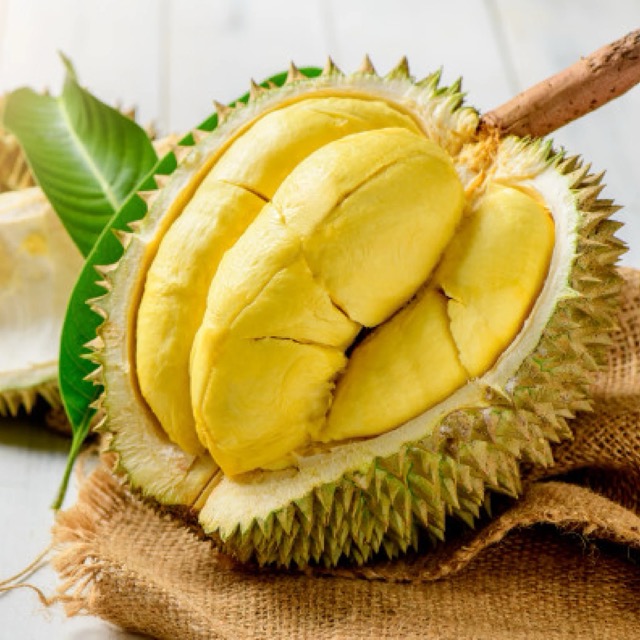
What durian tastes like depends on each person’s individual perception (Image source: Internet)
To answer the question of what does durian taste like, we need to temporarily set aside initial prejudices about its scent. From the perspective of culinary experts, durian flesh offers a highly complex and rewarding taste experience. Many first-time tasters often wonder what does durian taste similar to in order to easily visualize it before eating. In reality, no single ingredient can be directly compared, because this is a symphony of multiple flavor notes.
The fruit’s flesh is a delicate blend of the texture of rich buttercream and the deep flavor of burnt caramel. When you taste it carefully and let it linger in your mouth, you will notice a hint of roasted almond aroma, ending with a slight aftertaste of sweet onion. This interplay of sweetness, richness, and a slight pungency creates a unique culinary depth. The durian flavor is neither astringent nor harshly bitter as many mistakenly believe. On the contrary, it is smooth, coating the entire palate like an elaborately prepared premium dessert.
The texture of the flesh also plays a crucial role in shaping the culinary experience. The soft, pliable flesh melts away much like a perfect egg custard. It is this physical characteristic that makes it incredibly appealing and highly addictive for those who are used to it. The actual experience of what does durian taste like often receives different descriptions depending on personal perception, but ultimately, the sweet richness is undeniable. As you chew slowly, the richness of the fruit mixes with the enzymes in your saliva, creating a natural sweetness that lingers at the back of your throat.
Durian frequently appears on international food exploration shows or media channels. The images of gourmets or famous chefs tasting this fruit have sparked immense curiosity. However, the gap between onscreen curiosity and the decision to buy a fresh fruit is a very wide boundary.
The main reason comes from psychological barriers and olfactory overwhelming. The scent of fresh durian is incredibly strong and distinctive, created by a combination of dozens of naturally volatile sulfur compounds. Depending on the individual’s olfactory sensitivity, this aroma is often associated with various states. Unaccustomed individuals usually describe it as smelling like burnt onions, pungent garlic, overly fermented blue cheese, or even natural gas and damp sports socks.
For first-time tasters, this olfactory signal completely overpowers the gustatory signal, making it impossible for them to accurately perceive what does durian taste like as soon as they put it in their mouths. The human brain tends to be defensive against pungent smells, leading to a rejection response even before the tip of the tongue can analyze the flavor. The conflict between smelling something pungent and tasting something sweet leaves novices confused.
In addition, the economic factor is also a practical obstacle. A whole durian is usually large, covered in sharp thorns, and quite expensive. The fear of wasting money by buying a whole fruit only to be unable to eat it causes many diners to hesitate. They need an intermediate solution, a gentler approach to get acquainted with this fruit without taking sensory risks.
To fully discover what does durian taste like, you also need to understand that this flavor is not uniform across all fruits. Different durian varieties, grown in different soil regions, will yield distinct flavor profiles. For example, the popular Ri6 durian variety usually has a vibrant yellow color, dry flesh, and a characteristic deep, rich sweetness. This is a fairly safe choice for those already familiar with the tropical fruit group because its sweetness is highly pleasing to the palate.
Meanwhile, more premium durian varieties carry a completely different nuance. The durian flavor here features a complex blend of deep sweetness and a slight, mild bitterness in the aftertaste, while the flesh texture is incredibly smooth like pliable avocado. The complexity in this structure makes it highly praised by aficionados, akin to enjoying pure dark chocolate or plain roasted coffee.
The time of harvest and the fruit’s ripeness also directly dictate the taste perception. A just-ripe fruit will have a slight crispness on the outer layer of the pod, a refreshing sweet taste, and an aroma that is not yet too overpowering. Conversely, when left to ripen fully for a few more days, the flesh begins a natural fermentation process, the texture becomes mushy, and the sweet richness reaches its peak. At this point, the concentration of volatile compounds is also at its strongest, creating a major challenge for the beginner’s sense of smell. Understanding the fruit’s characteristics will help you prepare yourself better mentally.
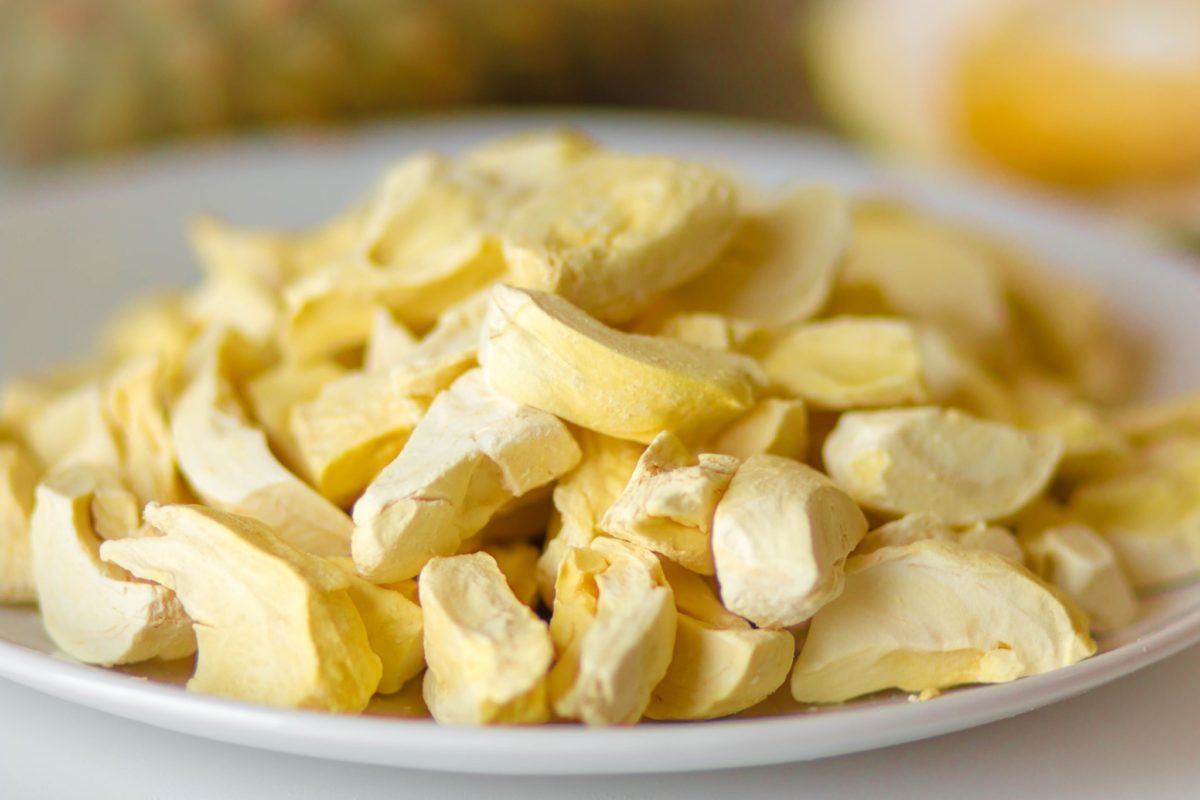
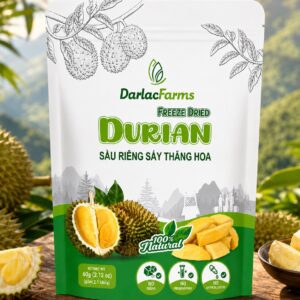
Freeze-dried durian retains its valuable nutrients and delicious flavor – a treat you definitely have to try (Image source: Internet)
If experimenting with fresh fruit brings too much apprehension, modern food processing technology has provided an optimal alternative solution. Instead of taking a risk, you should start with freeze-dried durian. This is considered the most ideal method to get acquainted and gradually find the authentic answer to what does durian taste like without being repelled by the initial aroma.
Freeze-drying technology operates on the principle of rapidly freezing the product at a very low temperature, then removing water through sublimation in a vacuum environment. This process helps maintain the cellular structure, preserves nutrients, and especially locks in the original flavor of the fruit’s flesh. Freeze-dried fruit is completely different from traditional thermal drying or vacuum frying methods. It does not caramelize the natural sugars, uses no oils or fats, and does not alter the inherent delicate flavor layers.
The best part about this processing method is that it naturally mellows out the pungent aroma. Because most of the moisture has been removed, the volatile sulfur compounds are also significantly reduced. As a result, your sense of smell is not overloaded when opening the product package. When tasting, you can truly be calm and focus on evaluating what does durian taste similar to through pure gustation on the tip of your tongue.
Furthermore, the crispy, porous texture of the dried product creates a completely refreshing chewing experience. Instead of the soft stickiness of fresh fruit, the durian piece will gently melt in your mouth, slowly releasing its rich sweetness along with its characteristic aroma. This is an exotic snack that is incredibly friendly, helping novices embrace it easily. The experiential process becomes safe, enjoyable, and fully controllable in terms of intake.
Getting accustomed to any new flavor, especially highly specific ingredients, takes time. To gain the most objective perception of what does durian taste like through the freeze-dried version, you can apply flavor pairing principles from culinary arts.
Try enjoying freeze-dried durian alongside warm and light beverages. A refreshing cup of green tea, oolong tea, or hot jasmine tea would be a perfect choice. The mild astringency and clarity of the tea water help balance out the deep, sweet richness of the durian, while also cleansing the palate after each tasting. This combination keeps your taste buds from getting fatigued and ensures they remain sharp enough to detect the flavor layers.
Many experts also suggest that combining this exotic snack with black coffee brings a surprising effect. The distinct contrast between the bitterness and tartness of pure coffee and the sweet richness of the dried durian creates a very exciting flavor explosion.
In your first few attempts, start with small pieces. Chew slowly to let your palate gradually get used to the buttery and almond flavor notes. Once the brain registers this as a safe flavor, the olfactory barrier will automatically be lifted. Many people, after successfully getting acquainted via freeze-dried durian, have confidently gone on to enjoy the fresh fruit and appreciate the subtlety of this tropical fruit.
In conclusion, to know exactly what does durian taste like, experiencing it firsthand through modern, convenient packaged products is a safe solution. The true flavor of durian is a complex entirety, harmoniously blending the richness of buttercream, the depth of caramel, and the slight uniqueness of almonds. If the barrier of the fresh fruit’s strong aroma still makes you hesitate, try experiencing VietNatur’s freeze-dried durian product. This choice is not only a safe food for beginners but also helps you fully explore the refinement of the original fruit in the most convenient, mild, and pleasant way possible.
Entdecke passende VietNatur Produkte zu diesem Thema.