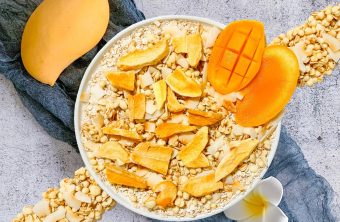
Muesli with Dried Mango: Breakfast Upgrade
Muesli has long been a popular breakfast choice in many households - thanks to its convenient preparation and balanced nutritional...
read more

FREE Express Shipping On Orders $99+

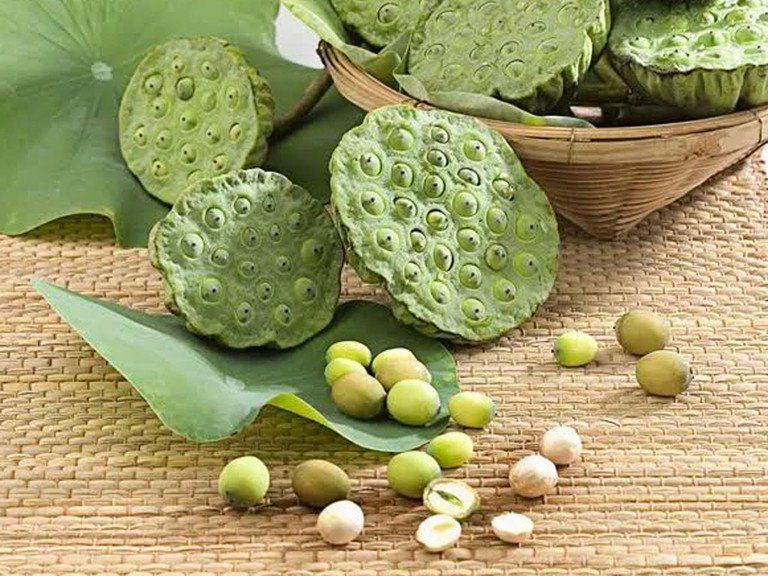
Thanks to their unique porous structure, dried lotus seeds easily absorb moisture from the air, losing their crunch incredibly fast. To preserve their nutty flavor and satisfying snap, you need to store them properly the moment you open the bag. This guide will walk you through exactly how to go about storing dried lotus seeds, their optimal shelf life, and what to do if your snacks lose their crunch.
How long do dried lotus seeds last?
Because they undergo deep moisture extraction (bringing moisture levels below 5%), dried lotus seeds are highly resistant to bacteria and mold. You can store them at room temperature for 12 to 24 months while maintaining their original texture and flavor. Modern cold-drying technologies even help lock in and concentrate their bioactive compounds: they are rich in heart-healthy minerals (Potassium, Magnesium), sleep-supporting glucosides, and immune-boosting B vitamins.
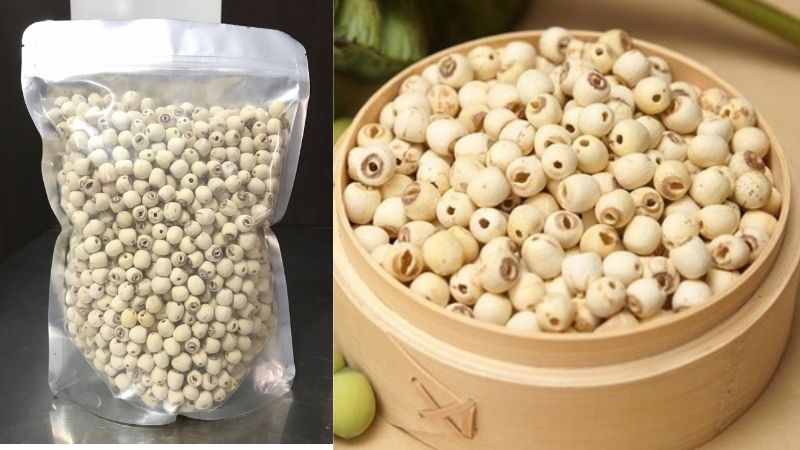
Lotus seeds need to be stored properly to maintain their best quality (Image source: Internet)
Keep them in a cool, dry place away from direct sunlight. The ideal temperature is around 60-68°F (15-20°C). Don’t store them near stoves, ovens, or sunny windows, and avoid damp kitchen cabinets or areas right next to the sink.
This is the most crucial stage for maintaining quality:
To keep your lotus seeds and other dried fruits perfectly crunchy, you need to watch out for these five critical factors:
For your own safety, toss the seeds immediately if you notice any of these red flags:
If your seeds don’t have any strange odors or signs of spoilage but have simply lost their snap and gotten a bit chewy, you can easily revive them using standard kitchen appliances.
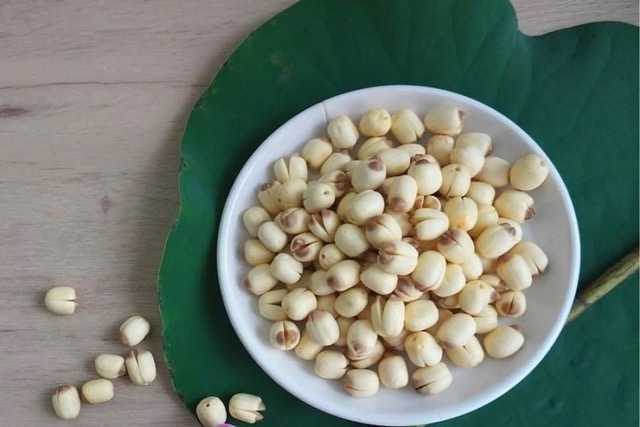
Some very simple ways to restore softened lotus seeds (Image source: Internet)
If they’ve just gotten a little soft, try these methods to bring the crunch back:
Spread the seeds in a single layer on a baking sheet. Bake at 175-210°F (80-100°C) for 5-10 minutes. Keep a close eye on them so they don’t burn. Let them cool completely before storing again.
Toss them in the air fryer basket at 175°F (80°C) for 3-5 minutes, giving them a shake halfway through. This is the quickest and most effective method.
Spread them on a microwave-safe plate lined with a paper towel. Heat on low power (30-40%) for 30 seconds at a time, checking until they reach the desired crispness.
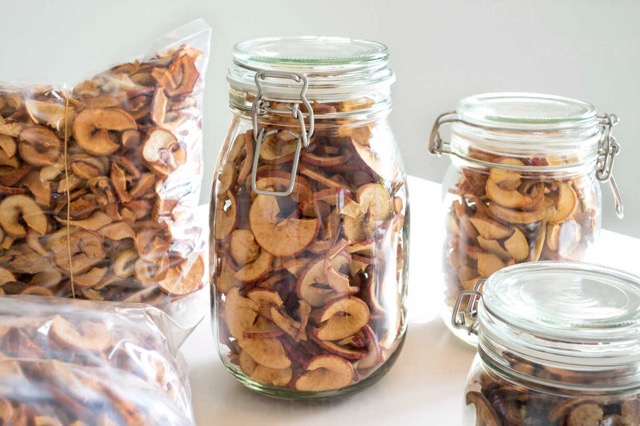
Each type of dried product has different storage methods that you should know (Image source: Internet)
Because they’re so porous, they soak up moisture easily. An airtight container is best. If you’re buying honey-coconut roasted seeds, be extra careful—the sugary coating acts as a moisture magnet.
Thicker and naturally better at staying crunchy, jackfruit can usually survive in a standard zip-top bag. However, it has a very strong, distinct aroma, so keep it separated from your other snacks.
Thin, fragile, and prone to absorbing moisture. Keep them in a hard container so they don’t get crushed, and be aware that they darken easily when exposed to air.
High acidity gives pineapple a longer shelf life, but it still needs to be sealed tight to stay crisp.
These have a higher moisture content (10-15%) and aren’t meant to be crunchy. A zip-top bag works great, and you can keep them in the fridge if you want to extend their lifespan.
No, it’s not necessary or recommended. Refrigerators are humid, which can cause condensation on the seeds when you pull them out. Only refrigerate them if you live in an extremely hot climate, and if so, portion them out and use completely airtight containers.
It’s best not to. Every snack has its own characteristics and scent. If you mix them, the flavors will bleed together—especially with something aromatic like jackfruit, which should always be stored on its own.
Both work if they are completely sealed. However, glass jars with a screw-top or rubber gasket are the gold standard. They offer unbeatable moisture protection and won’t impart a plastic taste, helping preserve that fresh, nutty flavor much longer.
If the original bag is thin and lacks a reliable zipper, absolutely. Standard plastic bags offer terrible moisture protection, and your seeds will go stale in just a few days.
Portion the seeds into foil-lined zip pouches or small airtight jars. Avoid leaving them in a hot car trunk or anywhere baking in the sun, as high heat will cause the natural oils to degrade and go rancid quickly.
Keeping your snacks fresh and delicious all comes down to fighting off air and moisture. A combination of well-designed packaging and proper storage habits will keep your dried treats in peak condition. That’s why VietNatur always prioritizes professional-grade packaging for our dried fruits and lotus seeds—we want every bite our customers take to be safe and nutritious. If you want to experience the rich, satisfying snap of premium dried lotus seeds or explore our range of all-natural dried fruits, check out our shop to find your next favorite snack!