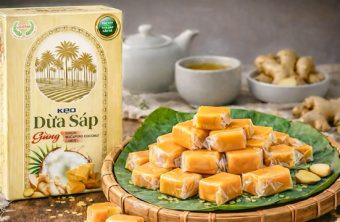
Macapuno Kokosnuss aus Vietnam
13

May

Crispy Macapuno Coconut – Melt-in-Mouth Snack

Crispy dried Macapuno coconut is a coconut snack made from Macapuno (a rare Vietnamese coconut variety known for its thick, soft, and creamy flesh). Combined with freeze-drying technology, it preserves the natural richness while creating a light, airy texture that melts gently in the mouth. This clearly sets it apart from conventional dried coconut snacks, which are often firmer or heavier in taste.
1. What is crispy dried Macapuno coconut?

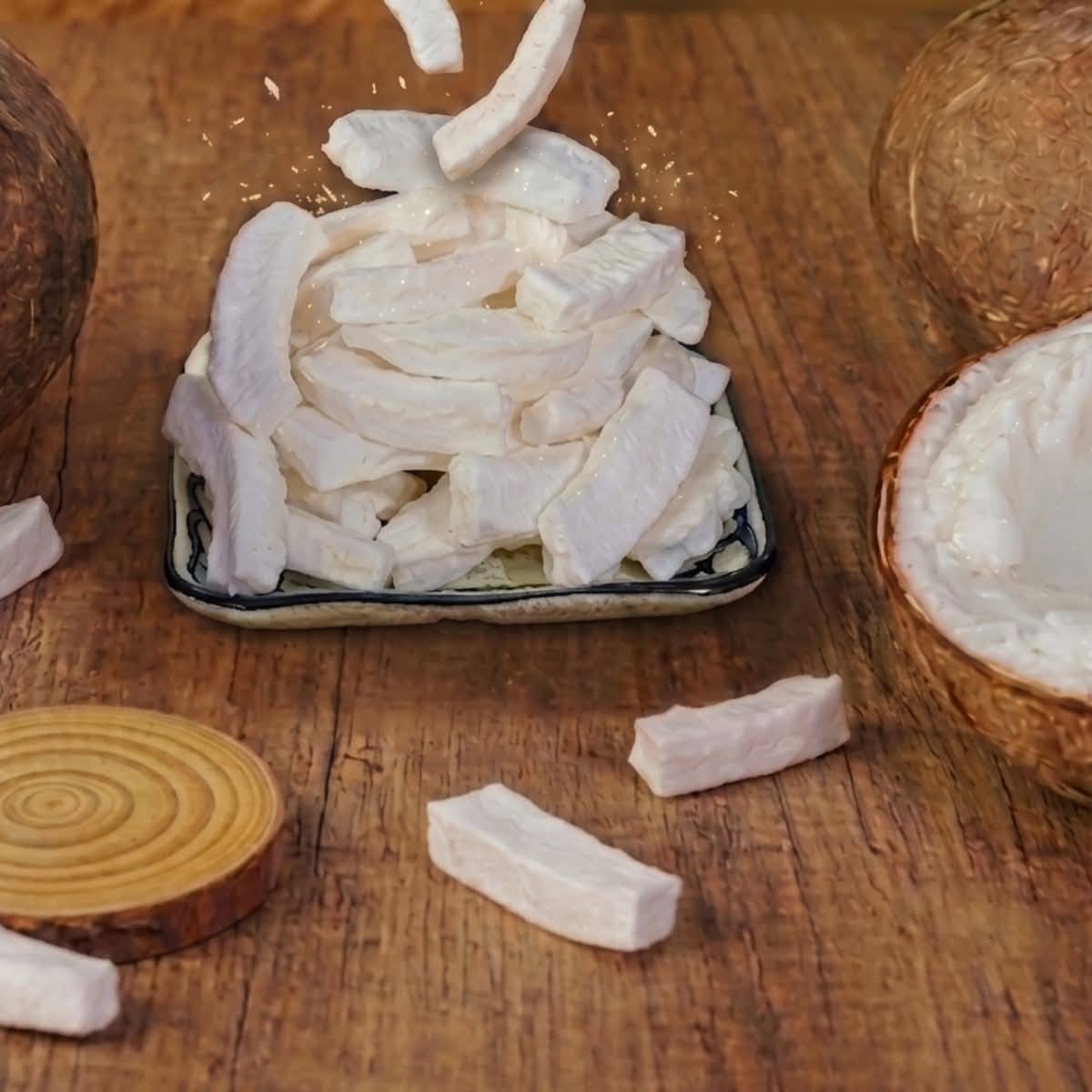
Die knusprigen Macapuno-Kokoschips sind luftig-leicht und schmelzen langsam im Mund – mit einem einzigartigen und köstlichen Geschmack.

Macapuno coconut chips are light and airy, gently melting in your mouth with a unique and delicious flavor (Image source: Internet)

Crispy dried Macapuno coconut is made from the flesh of Macapuno coconut and processed using modern drying methods to remove moisture while preserving its natural structure.

Instead of being dry or chewy like traditional dried coconut, it feels light, airy, and almost dissolves as you eat it.

The difference lies in the experience:

  • Requires minimal chewing, making it easier to enjoy
  • Retains its natural creaminess without losing flavor after drying
  • Crisp texture without being hard

This balance between crispness and softness makes it a unique type of coconut snack, especially for those who are not used to traditional dried coconut.
2. Origin and cultural background of crispy dried Macapuno coconut

Die macapuno kokosnuss (Dừa sáp) ist eine besondere Form der vietnamesischen kokosnuss, bei der das Fruchtfleisch dick, weich und fast fest ist – im Gegensatz zur normalen Kokosnuss mit viel Kokoswasser. Diese ungewöhnliche Struktur macht macapuno nicht nur zu einer Frucht, sondern zu einem seltenen kulinarischen Erlebnis. Doch was macht sie so besonders und schwer zu finden?

Was ist macapuno kokosnuss (Dừa sáp)?
Macapuno ist eine natürliche Mutation der Kokosnuss. Anstatt dünnes Fruchtfleisch und viel Wasser zu bilden, entwickelt diese Frucht eine dicke, weiche und cremige Konsistenz, die fast an Kokoscreme erinnert.
Beim Öffnen enthält sie kaum Flüssigkeit, dafür füllt das Fruchtfleisch fast das gesamte Innere aus und kann direkt mit dem Löffel gegessen werden. Der Geschmack ist mild süß und angenehm fettig, ohne aufdringlich zu wirken.
Interessant ist, dass Landwirte im Voraus nicht erkennen können, welche Frucht macapuno ist. Erst nach der Ernte lässt sich dies feststellen – oft durch das typische „hohle“ Geräusch beim Schütteln.

Herkunft & Anbaugebiete
Macapuno ist eng mit dem Mekong-Delta verbunden, insbesondere mit der Region Trà Vinh, die als wichtigstes Anbaugebiet gilt.
In einem Kokosnussbündel werden jedoch nicht alle Früchte zu macapuno. In der Regel sind es nur etwa 2–3 von 10 Früchten. Diese geringe Quote macht macapuno selbst in Vietnam zu einer seltenen Spezialität.

Die kulturelle Bedeutung
In Südvietnam wird macapuno nicht täglich gegessen. Stattdessen wird sie oft für besondere Anlässe aufbewahrt oder als Geschenk verwendet.
Viele Menschen verbinden damit Erinnerungen an ihre Kindheit – an Gärten, Ernten und gemeinsame Momente mit der Familie. Daher ist macapuno nicht nur ein Lebensmittel, sondern auch Teil der regionalen Esskultur.

Warum ist macapuno kokosnuss so besonders?
Aus landwirtschaftlicher Sicht
Macapuno entsteht durch eine natürliche genetische Mutation und kann nicht gezielt produziert werden. In jedem Bündel entwickeln sich nur etwa 20–30 % der Früchte zu macapuno. Diese Unvorhersehbarkeit führt zu begrenzter Verfügbarkeit.
Aus kulinarischer Sicht
Die Textur ist einzigartig: nicht knackig wie normale Kokosnuss und nicht gelartig wie Gelee. Stattdessen ist sie weich, leicht zäh und cremig zugleich. Auch in Desserts behält sie ihre Form, bleibt aber angenehm weich.

Einzigartiges Geschmackserlebnis
Das Fruchtfleisch ist weich und schmilzt leicht im Mund. Die Fettigkeit verteilt sich langsam, ohne schwer oder zu süß zu wirken. Die natürliche Süße sorgt für ein ausgewogenes Geschmackserlebnis, das sich deutlich von klassischen Desserts unterscheidet.

Nährwert
Macapuno enthält natürliche Fette, darunter Laurinsäure, die typisch für Kokosnüsse ist. Zudem liefert das dichte Fruchtfleisch Ballaststoffe. Aufgrund des Fettgehalts sollte sie jedoch in moderaten Mengen konsumiert werden.

Marktwert
Durch die geringe Verfügbarkeit ist macapuno deutlich teurer als normale Kokosnüsse. In Vietnam kostet eine Frucht etwa 80.000 bis 200.000 VND, während normale Kokosnüsse nur etwa 15.000–20.000 VND kosten – also etwa 5–10 Mal weniger.

Verwendung im Alltag in Vietnam
Macapuno wird oft direkt gegessen, um die besondere Textur zu erleben. Häufig wird sie auch mit Milch und Eis zu einem cremigen Smoothie verarbeitet.
Heute gibt es zudem verarbeitete Varianten wie Toppings, Desserts oder getrocknete Produkte, die den Konsum einfacher machen.

Macapuno kokosnuss in Deutschland
Frische macapuno kokosnuss ist in Deutschland praktisch nicht erhältlich. Stattdessen findet man sie meist in verarbeiteter Form, vor allem als Kokosstreifen in Sirup.
Man kann sie in asiatischen Supermärkten in Städten wie Berlin, Frankfurt oder München kaufen. Alternativ sind Produkte auch online über Amazon oder asiatische Shops erhältlich. Typische Suchbegriffe sind „macapuno coconut“ oder „coconut sport“. Die meisten Produkte enthalten jedoch Zucker.
Die Produkte lassen sich in drei Kategorien einteilen:
Macapuno in Sirup (am häufigsten):
 Weiche Kokosstreifen in Zuckersirup, ideal für Desserts wie Halo-Halo oder Fruchtsalate
Als Zutat:
 Wird in asiatischen Desserts verwendet, um Cremigkeit zu erhöhen
Moderne Produkte:
 Getrocknete macapuno oder Kokosbonbons, die direkt verzehrt werden können. Einige vietnamesische Marken wie VietNatur bieten solche Varianten an

Vergleich: Macapuno vs. normale Kokosnuss
Kriterium
Macapuno kokosnuss
Normale Kokosnuss
Textur
Dick, weich, cremig
Dünn, knackig oder fest
Kokoswasser
Sehr wenig oder keines
Viel Flüssigkeit
Geschmack
Fettig, cremig, mild süß
Frisch, leicht, erfrischend
Verwendung
Direkt essen, Desserts, Smoothies
Trinken, Fruchtfleisch essen
Seltenheit
Nur ca. 20–30 %
Fast alle Früchte
Preis
Hoch, 5–10× teurer
Günstig
Wert
Spezialität
Alltagsprodukt

FAQ – Häufige Fragen
Ist macapuno künstlich hergestellt?
 Nein. Es handelt sich um eine natürliche Mutation ohne chemische Eingriffe.
Macht macapuno dick?
 Sie enthält natürliche Fette, ist aber moderat konsumiert unproblematisch. Der Zuckergehalt in Desserts ist entscheidender.
Wie erkennt man echte macapuno?
Weiche, aber stabile Struktur
Cremeweiße Farbe
Natürliche, ungleichmäßige Fasern
Mild fettiger Geschmack
Kann man macapuno selbst anbauen?
 Nein. Die Mutation ist genetisch nicht stabil vererbbar.

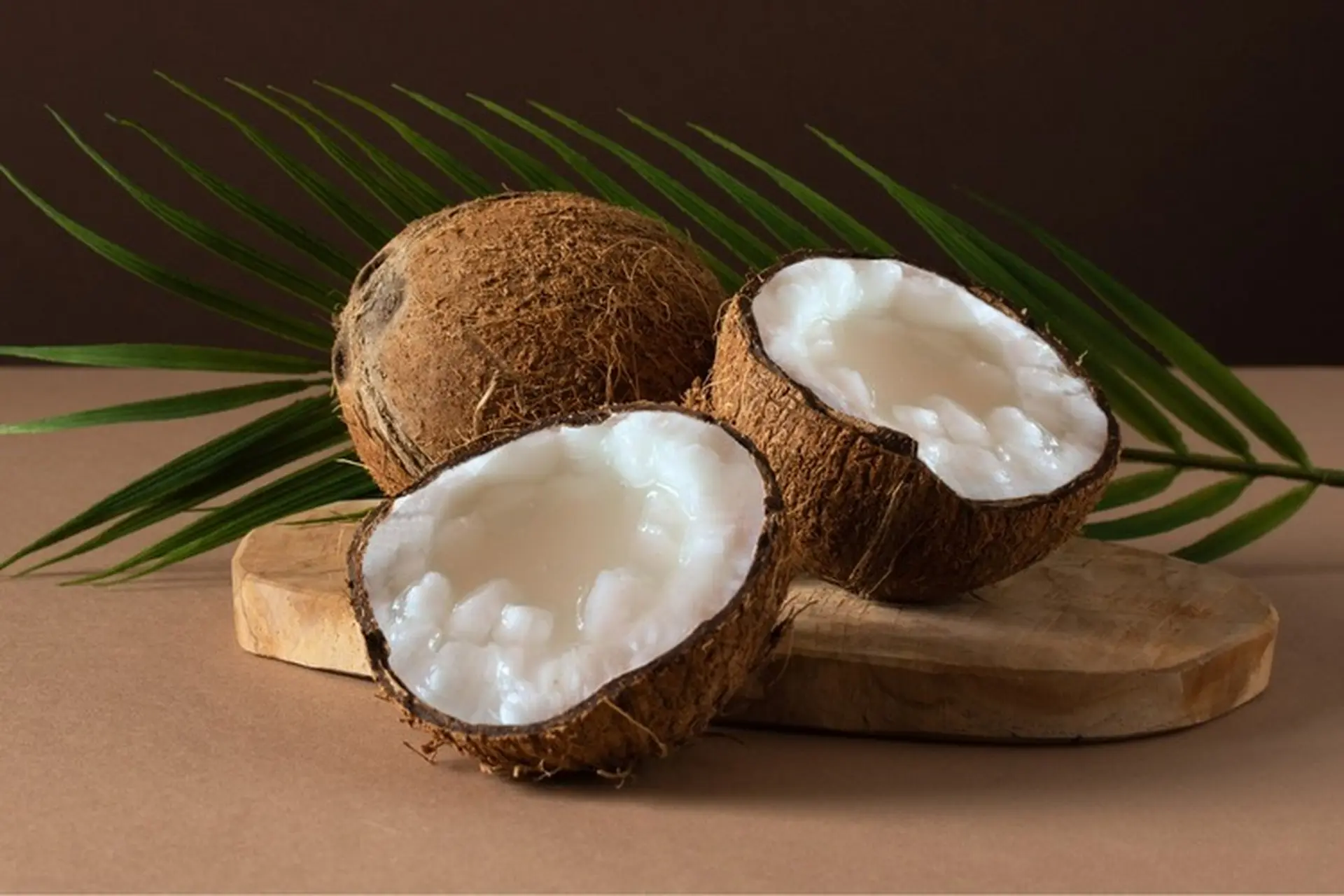
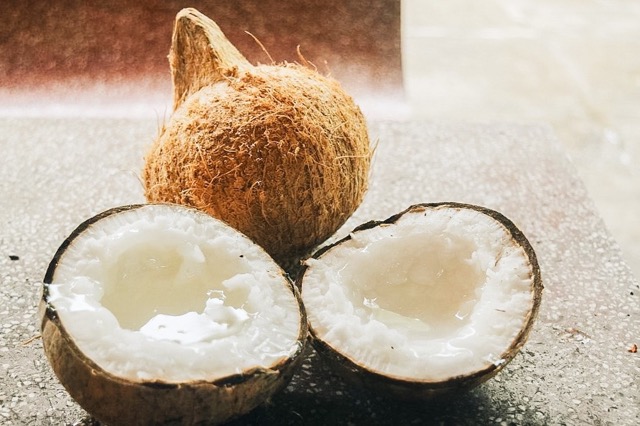
Macapuno coconut – a rare Vietnamese coconut variety with a uniquely rich texture (Image source: Internet)

Macapuno coconut is a rare coconut variety originating from Cầu Kè district in Trà Vinh province, a region well known for coconut products in the Mekong Delta of Vietnam. It is a natural mutation, meaning not every coconut develops the characteristic thick, jelly-like flesh. Typically, only about 20–25% of coconuts in a cluster are Macapuno, making it relatively rare.

Unlike regular coconuts, Macapuno has a unique structure. The flesh is thick, soft, and nearly fills the entire shell, while the coconut water content is minimal. When eaten fresh, it has a smooth, pudding-like texture with a naturally rich taste.

In Southern Vietnamese cuisine, coconut-based foods are common, especially during gatherings or when hosting guests. Due to its rarity and distinctive texture, Macapuno is often considered something to be enjoyed rather than consumed daily.

These natural characteristics make it well suited for dried coconut snacks:

  • Thick and soft flesh: less likely to become hard when dried
  • Naturally high fat content: helps retain flavor during processing
  • Moist and airy structure: allows for a lighter texture

As a result, Macapuno offers the potential for a distinct snack even before any processing technology is applied.

3. Freeze-drying technology: the key to a light, melt-in-the-mouth texture

Crispy dried Macapuno coconut achieves both natural richness and a light, airy texture thanks to freeze-drying. This method removes moisture at low temperatures, helping preserve the original structure of the coconut flesh.

Unlike conventional heat drying, freeze-drying does not shrink or harden the ingredient. The coconut retains its naturally airy structure instead of becoming dense or tough.

This airy structure is what creates the melt-in-the-mouth sensation. Rather than requiring heavy chewing, the crisp pieces break down gently and dissolve, combining with the natural creaminess to create a softer and smoother experience compared to typical snacks.

As a result, the product achieves a clear balance:

  • Retains the natural richness of Macapuno coconut
  • Avoids dryness or heaviness
  • Light and crisp, yet melts quickly
  • Feels light and not overly rich

This is also a key difference compared to traditional dried coconut, which tends to be firm and chewy, or fried coconut snacks, which may feel heavier and less delicate.
4. What makes VietNatur crispy dried Macapuno coconut different?

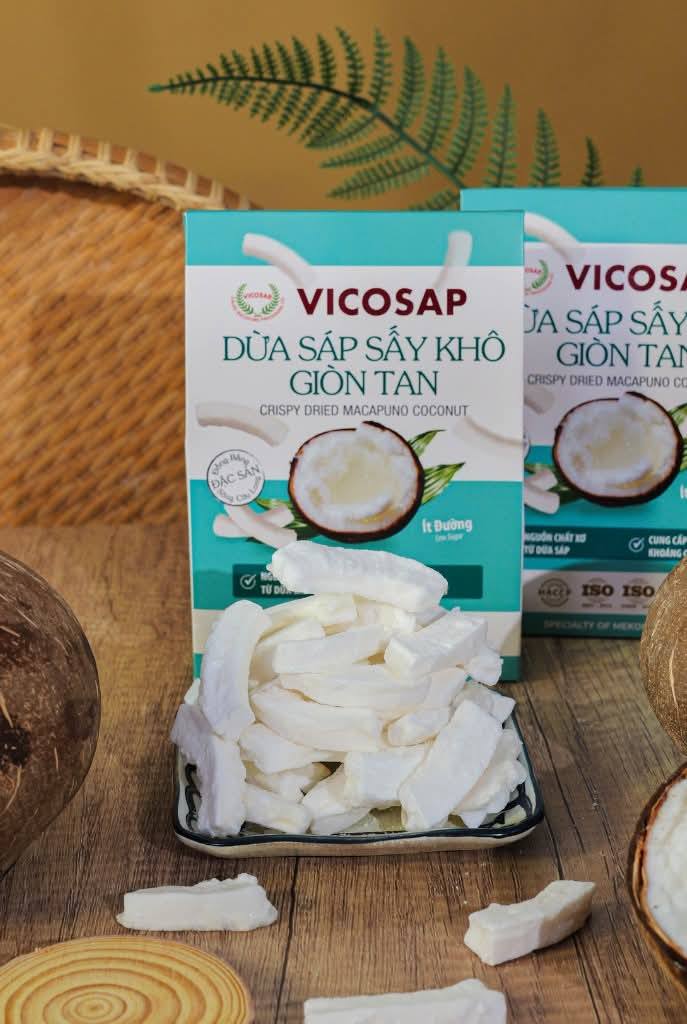
Die knusprigen Kokoschips von VietNatur sind zugleich crunchy und luftig-weich – ein Snack, den man kaum widerstehen kann.

VietNatur crispy coconut chips are crunchy yet soft and airy — a snack that’s hard to resist (Image source: Internet)

VietNatur crispy dried Macapuno coconut stands out by preserving natural flavor, a light airy texture, and a gentle mouthfeel, rather than relying on heavy seasoning or intensive processing. This comes from careful ingredient selection and a minimal processing approach.

Instead of turning coconut into a heavily flavored snack, the product focuses on maintaining the original characteristics of Macapuno—from its natural richness to its soft structure—so the coconut flavor remains clear and authentic.

From a nutritional perspective, it provides a relatively high level of energy, suitable for moments when a quick boost is needed. Each 25g serving contains about 110 kcal, along with 2.8g of fat and around 20g of naturally occurring sugars from coconut and its natural starch content.

It also contains small amounts of fiber (0.8g) and protein (1.5g), contributing to a more balanced eating experience compared to snacks that focus only on crunch or sweetness. This makes it suitable as a light snack during the day, especially between meals or on the go.

The production process follows clear steps designed to preserve the original qualities of the ingredient:

  • Harvesting Macapuno coconuts
  • Extracting the coconut flesh
  • Cutting and shaping
  • Freeze-drying
  • Packaging

As a result, the final product maintains its natural flavor without relying on additional ingredients.

When enjoying it, the differences become noticeable:

  • Natural coconut aroma without artificial notes
  • Mild sweetness, not overly intense
  • Noticeable richness without being heavy
  • Light, airy texture that melts easily

Compared to many coconut snacks on the market, VietNatur focuses on a more balanced, natural, and easy-to-enjoy experience.

Comparison: Crispy dried Macapuno vs. traditional dried coconut

Feature Crispy dried Macapuno coconut Traditional dried coconut
Ingredient Rare Macapuno coconut Common coconut
Texture Soft inside, airy, melts in the mouth Chewy or firm
Flavor profile Naturally creamy, mild sweetness Sweeter, stronger coconut taste
Eating experience Light, smooth, gently dissolving More chewy, requires more effort
Sweetness Mild, balanced by natural fat Often sweeter, may include added sugar
Nutritional profile Retains natural coconut characteristics More influenced by added sugar and processing

The biggest difference lies in the eating sensation: light and melting versus firm and chewy.

5. Experiencing crispy dried Macapuno coconut in Germany

For consumers in Germany, crispy dried Macapuno coconut offers an accessible way to explore a traditional Vietnamese ingredient. Its mild sweetness and light creaminess make it suitable for a wide range of tastes, especially for those who prefer snacks that are not overly sweet.

VietNatur products are directly sourced from Vietnam and distributed in Germany, helping preserve both the original ingredient characteristics and the authentic experience.

It can be enjoyed in various ways:

  • With coffee or espresso
  • Added to yogurt or granola
  • Combined with fresh fruit
  • Dipped into hot chocolate or cocoa

When paired with hot drinks, the crispy coconut softens slightly, blending with the warmth and creating a different experience compared to typical snacking.

FAQ – Crispy dried Macapuno coconut

  1. Is crispy dried Macapuno coconut sweet?
    Not overly sweet. It has a mild natural sweetness from coconut, with the creamy taste being more noticeable than the sweetness overall.
  2. Does it need refrigeration?
    No. Store it in a cool, dry place. After opening, reseal tightly to maintain its crisp texture, as humidity can reduce its crunch.
  3. Can children eat it?
    Yes, as a snack in moderate portions, similar to other snacks. It is best enjoyed occasionally rather than as a regular substitute for meals.
  4. How is it different from fresh Macapuno coconut?
    Fresh Macapuno has a soft, pudding-like texture, while the dried version is airy, crisp, and melts in the mouth. Both retain the characteristic richness of Macapuno.

If you are looking for a light, easy-to-enjoy snack that still reflects the natural qualities of its ingredient, VietNatur crispy dried Macapuno coconut is a thoughtful choice for everyday moments or as a small gift with a taste of Vietnam.

Mit über einem Jahr Erfahrung im Content Writing und in der redaktionellen Bearbeitung erstelle ich klare und verständliche Inhalte über vietnamesische Spezialitäten, natürliche Trockenprodukte und passende Genussideen für internationale Kundinnen und Kunden. Bei VietNatur möchte ich hilfreiche Informationen bieten, damit Leserinnen und Leser Vietnams Aromen einfach entdecken können.

Leave a Reply

Your email address will not be published. Required fields are marked *

RELATED

Posts